Early Spring Disaster Preparation: Power, Flooding, and Severe Weather Readiness
- Why Early Spring Can Bring Multiple Disaster Risks
- The Most Common Early Spring Weather Threats
- Preparing for Power Outages During Spring Storms
- Strengthening Your Home Against Severe Weather
- Early Preparation Helps Reduce Disaster Risks
- Frequently Asked Questions
- Backup Power Systems Maintain Safety During Early Spring Storms
Early spring may feel like the end of winter, but it can bring some of the year’s worst and most unpredictable extreme weather events. Rapidly changing conditions often cause late snowstorms, severe thunderstorms, flooding, wildfires, and tornadoes all within days or weeks of each other, increasing the risk of the power outages they so often cause.
Taking practical steps now to strengthen your home, build an emergency plan, and secure reliable backup power can make a big difference in keeping your home and family safe. We’ll take a closer look at storm readiness, as well as how the EcoFlow DELTA Pro 3 can help you stay prepared.
Why Early Spring Can Bring Multiple Disaster Risks
Early spring is a unique disaster season that is often overlooked as the weather starts to warm and people think the worst of winter is over. But this is the transition between winter storms and spring floods and tornadoes, characterized by rapidly changing conditions and high winds. One day it might bring a blizzard, and the next week it might bring a tornado, followed by rain and a major flood.
You can help ensure your home and family stay safe with backup power from a whole-home generator.
The Most Common Early Spring Weather Threats
The transitional season of early spring can bring some of the deadliest extreme weather events. The most common weather threats include:
Late winter storms with heavy snowfall, freezing rain, frigid temperatures, and high winds.
Spring thunderstorms, tornadoes, lightning, strong winds, and heavy rain.
Melting snow can cause floods, and when combined with heavy rain and/or still-frozen ground, those flood risks become very severe.
Wildfires are a risk as the weather warms and dries, lightning strikes rapidly increase (compared to winter), and people spend more time outdoors.
Preparing for Power Outages During Spring Storms
One of the most important things you can do to prepare for the power outages that accompany these spring storms is to prepare backup power and emergency supplies.
Power outages during frigid temperatures can make homes unsafe, and backup power could prevent you from having to evacuate. When outages happen during tornadoes, wildfires, or floods, you’ll also want power to monitor weather alerts and other emergency notifications.
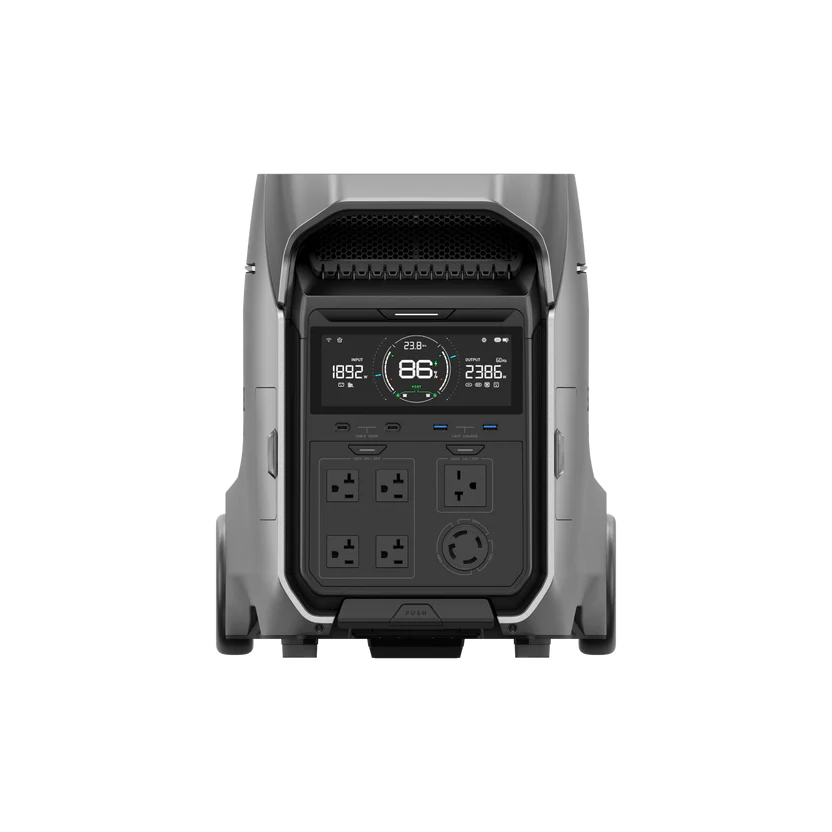
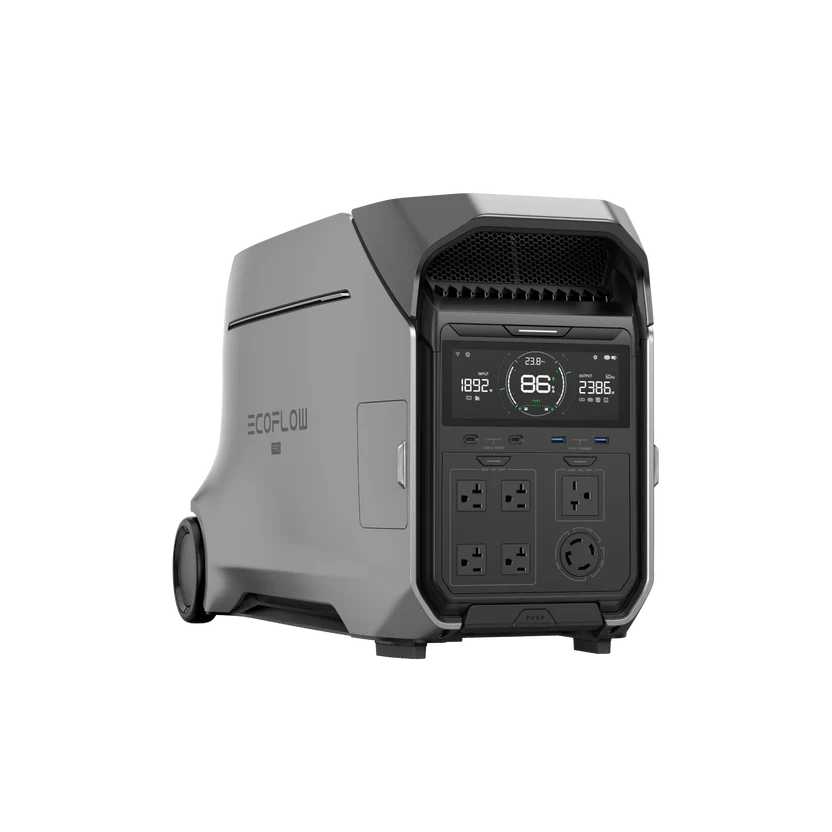
The best backup power for outages is a battery-operated system like the EcoFlow DELTA Pro 3. It offers 4000W of expandable output and can run 120V/240V appliances with ease. But the most important part is its safety for use indoors during storms. Unlike gas generators, battery-powered systems produce no emissions, so there’s no risk of carbon monoxide poisoning or other health concerns. It’s also quiet enough to use in your bedroom at night.
Strengthening Your Home Against Severe Weather
Use this checklist to help strengthen your home against severe weather:
Store lawn furniture and secure any loose items that could potentially cause damage in a strong wind
Reinforce garage doors
Ensure your roofing is secured
Seal any cracks in your foundation
Weatherstrip doors and windows
Clean gutters
Ensure your sump pump is working
Close all doors and windows
Install storm shutters
Keep flammable materials (wood, dry shrubs, dead trees, etc.) away from your home
Install a whole-home backup power system
If your home has no safe haven for tornadoes, plan your safest, closest safe haven that can be reached on foot within a minute or two
Early Preparation Helps Reduce Disaster Risks
Preparing now, before a disaster strikes, is the only way to effectively reduce disaster risks. First, ensure you monitor your weather alerts using an app on your phone set to your location—it should offer real-time weather alerts to warn you. Also ensure you understand the terminology:
A weather watch means that conditions exist that could create a dangerous event. Watch for updates, start preparing your home, and alert family members.
Weather warnings mean that a dangerous weather event is now imminent. Take immediate action. Get your family and your emergency kit to a safe location.
An advisory indicates that weather conditions less serious than a warning are possible. Watch for updates, start preparing your home, and alert family members.
In addition to preparing your home (outlined above) and monitoring the weather, ensure you have a family emergency plan, including emergency supplies, emergency contacts, a plan of where to meet if your home is unsafe, etc. Practice your plan with your family once a year. A mock drill will ensure everyone knows their role, where to go, and what to do. Your annual drill is also the perfect time to go through your emergency kit and refresh your water, foods, and medicines.
Finally, ensure you have an indoor-safe battery backup like the EcoFlow DELTA Pro 3 to deal with power outages. It can be used to run a heater during frigid temperatures, to stay connected and monitor emergency alerts, and to keep essential appliances like fridges, freezers, or medical equipment running.
Frequently Asked Questions
Why Are Floods Common in Early Spring?
As winter ends and the weather warms, the snow starts to melt. But when it rains, the snow melts even faster, and the still-frozen ground, which can absorb little water, causes the rain and melting snow to rapidly combine and flood the area.
How Can I Best Protect My Home From Flooding?
The best way to protect your home from floods is to install a sump pump that runs on battery backup (in case the power goes out). Also, raise electrical appliances off the floor, seal cracks in your foundation, and ensure your gutters are clear.
Backup Power Systems Maintain Safety During Early Spring Storms
Early spring disasters may be difficult to predict, but preparation is relatively easy and can dramatically reduce their negative impacts. By securing your home, monitoring weather alerts, and maintaining a well-practiced family emergency plan, families can respond quickly and reduce the risks.
Reliable, indoor-safe, battery-operated backup power from the EcoFlow DELTA Pro 3 also plays a critical role, helping keep lines of communication open and keeping electric heaters, fridges, and other essential appliances running. Together, these simple steps can ensure your family stays safe through whatever early spring brings your way.
For press requests or interview opportunities, reach out to our media team
media.na@ecoflow.com