Why Is Spring One of the Most Extreme Weather Seasons in the U.S.?
People often ask, what is the weather like in spring? In the U.S., the answer can change by the week and sometimes by the hour. Meteorological spring runs from March through May, a stretch when winter patterns still linger while warmer air, higher humidity, and stronger sunshine begin to build. That overlap helps explain why spring weather feels so unsettled across much of the country, especially for homeowners trying to stay ahead of storms, outages, and flood risks.
Why Does Spring Weather Change So Fast?
Spring weather shifts quickly because the atmosphere is in transition. The National Weather Service explains that thunderstorms form when moisture, lift, and instability come together. Severe storms need another ingredient as well, strong vertical wind shear, which means winds changing speed or direction with height. Spring often delivers that mix as warm, moisture-rich air pushes north and collides with cooler, drier air already in place.
That setup creates the kind of forecast that frustrates families and catches people off guard. A quiet morning can turn into an afternoon with severe thunderstorm warnings, hail, and dangerous winds. In colder regions, heavy rain falling on melting snow can add another layer of trouble by increasing runoff and flash flood potential.
What Spring Storm Risks Are Most Common in the U.S.?
A spring storm can bring several hazards at once, which is exactly why this season feels so disruptive. The National Weather Service defines a severe thunderstorm as one capable of producing hail at least 1 inch in diameter or wind gusts of 58 mph or higher. Those thresholds are high enough to damage roofs, siding, windows, vehicles, and utility lines.
The most common spring storm threats include:
Severe thunderstorms: These storms can produce intense lightning, destructive wind, and hail large enough to damage homes and cars.
Tornadoes: The U.S. tornado threat shifts through the year, moving from the Southeast in the cooler months toward the southern and central Plains in May and June, then toward the northern Plains and Midwest in early summer. Tornadoes have been reported in all 50 states.
Flash flooding: Heavy spring rain on saturated ground or melting snowpack can send water levels up quickly. Ice jams can also worsen flooding in some areas.
Damaging straight-line winds: Even without a tornado, severe thunderstorm winds can break large branches, topple trees, and cut power to entire neighborhoods.
For many households, the hardest part is not one single threat. It is the combination. A spring storm can bring hail, then an outage, then basement water a few hours later. That chain reaction is what makes the season so stressful for people trying to protect their homes and keep daily life running.
How Does Spring Weather Differ Across U.S. Regions?
Spring weather does not follow one national script. Regional patterns shape what families need to watch and what kind of preparation makes sense.
The South and the Gulf Coast
This part of the country often sees severe weather ramp up earlier in the season. Warm, humid air is available sooner, which helps fuel strong thunderstorms and tornado-producing setups. Heavy rain can also linger long enough to raise flood concerns, especially in low-lying areas and places with poor drainage.
the Plains and the Midwest
Late spring often brings the most talked-about severe weather outbreaks here. Large hail, damaging wind, and tornadoes become more common as the atmosphere turns more unstable. For homeowners, that can mean roof damage, broken windows, downed power lines, and costly vehicle repairs after a single afternoon storm.
the Northeast, the Mountains, and the West
In these areas, spring weather can stay messy longer. Cold rain, late snow, swollen rivers, and snowmelt-driven runoff keep conditions unsettled even when the calendar says spring has arrived. The radar may look less dramatic than a Plains supercell, yet the household impact can still be serious, especially when drainage systems are overwhelmed.
When Does Spring Weather Become a Home and Power Risk?
The answer is simple. It becomes a home problem when it interrupts the systems people rely on every day. A downed line can take out refrigeration, internet service, lights, and garage access. Heavy rain during an outage can also leave a home vulnerable if a sump pump loses power at the worst possible moment. Households should plan for alternative power sources to keep devices charged and cover essential needs during an outage.
The real pain points usually look like this:
Refrigerated food begins to warm up
Wi-Fi and cell charging become unreliable
Remote work or school is interrupted
Basement flood risk rises if drainage equipment loses power
Weather alerts become harder to track once devices run low
This is where spring weather becomes expensive. A short outage may be annoying. A longer outage during heavy rain can damage property, disrupt communication, and create a long cleanup. Families with refrigerated medication, young children, or older adults in the home often feel that pressure even faster.
How Can Home Energy Storage Help During a Spring Storm?
Home energy storage makes the most sense when it is tied to specific household needs. During a spring storm, most people are trying to keep a small set of essentials running first, then buy enough time to get through the outage without damage or chaos at home. Federal emergency preparedness guidance recommends planning ahead for batteries and other backup charging options, especially when outages may interrupt communication, refrigeration, or critical equipment at home.
A sensible backup plan usually prioritizes:
Lights for safety after dark
Phones and radios for alerts and communication
Wi-Fi equipment for work, school, and updates
Refrigeration for food and temperature-sensitive medication
Critical water-management equipment, such as a sump pump, if the home depends on it
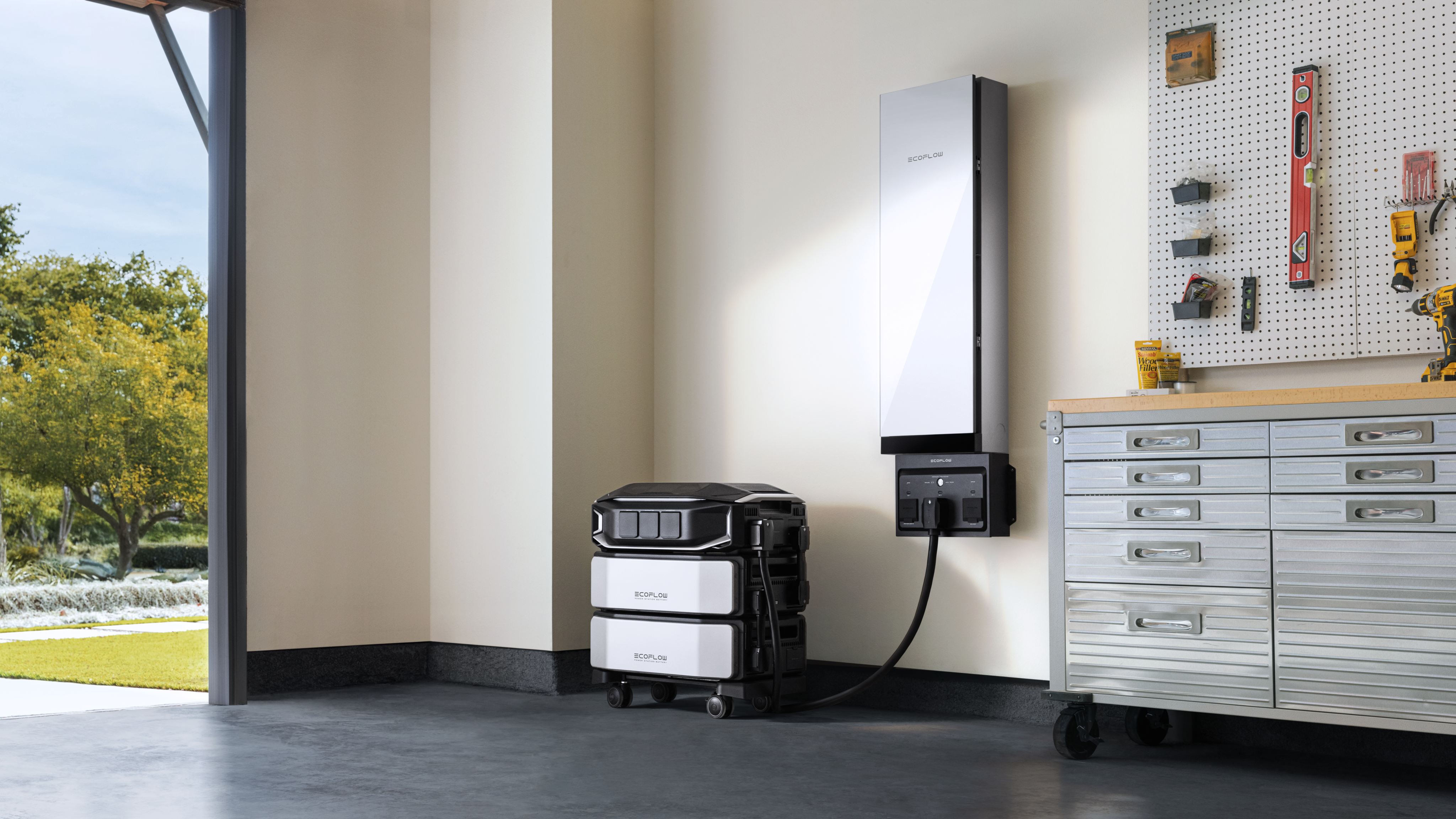
That is the practical value of energy storage in spring. It helps a household protect the basics during the kind of outage that is common in severe weather season. For homes that want a quieter, more seamless backup experience, products like the EcoFlow DELTA Pro Ultra X fit naturally into that role. It is especially well-suited to households looking for a more dependable home backup solution, with the flexibility to support essential circuits and make storm-related outages feel far more manageable. Instead of treating backup power as something only for rare emergencies, it can become part of a more practical and reassuring home preparedness plan.
Stay Ready for Extreme Spring Weather
Spring weather in the U.S. changes fast, and that is exactly why preparation matters. Keep an eye on forecasts, know which threats are most common in your region, and have a realistic outage plan in place before the next spring storm arrives. Households should keep emergency supplies on hand for several days and prepare reliable backup charging options for essential devices. A simple plan, a stocked kit, and reliable backup for key home needs can make a difficult night far easier to manage.
FAQs
Q1. Is a tornado watch the same as a tornado warning?
No. A tornado watch means conditions are favorable for tornadoes to develop, so it is time to review your shelter plan, charge devices, and stay alert. A tornado warning means a tornado has been detected or strongly indicated, and you should take shelter immediately. This distinction matters because the safest time to act is often during the watch phase, before conditions become urgent.
Q2. How far in advance can you trust a spring storm forecast?
Yes, broad risk forecasts are often useful several days ahead, but the exact timing and location usually become clearer much closer to the event. In practice, a forecast three to five days out can signal elevated severe weather potential, while the most actionable details often arrive within 24 hours. That is why homeowners should use early forecasts for planning and short-term updates for decisions such as travel, charging backup power, and protecting outdoor items.
Q3. Should you unplug electronics during a spring storm?
Yes, if it is safe and practical. Lightning and power surges can damage televisions, routers, gaming systems, desktop computers, and kitchen appliances. Surge protectors help, but they do not eliminate every risk, especially during strong storms or utility disturbances. If severe weather is approaching and the device is not essential, unplugging it can add another layer of protection. For critical equipment, a well-designed backup power setup and surge protection plan are better long-term solutions.
Q4. Can spring weather affect indoor air quality inside the home?
Yes. Spring storms and rapid weather swings can raise indoor humidity, which may encourage mold growth if moisture is not controlled quickly. Heavy rain can also introduce dampness through basements, crawl spaces, window frames, or poorly sealed doors. At the same time, pollen levels often climb in spring, and strong winds can carry more outdoor particles indoors. Good ventilation, dehumidification, prompt leak cleanup, and clean HVAC filters all help reduce these seasonal indoor air issues.
Q5. Is it worth preparing for short outages, not just major disasters?
Yes. Short outages are often the most underestimated spring weather problem because they feel temporary, but can still disrupt work, food storage, internet access, and water management equipment. A two-hour outage during heavy rain can create real stress if phones are low, alerts are missed, or a sump pump stops working. Planning for these smaller disruptions is often the most practical approach, since they happen more frequently than rare large-scale emergency events.
For press requests or interview opportunities, reach out to our media team
media.na@ecoflow.com