Spring Is Coming—but Storm Season Isn’t Over: How to Stay Prepared in March
- Why Storm Season Doesn’t End When Spring Begins
- Common Types of March Storms
- How March Storms Can Affect Homes
- Preparing Your Home Before the Next Storm
- Building an Early Spring Emergency Kit
- Staying Informed During Severe Weather
- Frequently Asked Questions
- March Storms Create Risks That Require Household Preparedness
Spring is on the horizon, but the arrival of warmer days doesn’t mean storm season is over. March can be one of the most unpredictable months of the year, with sudden downpours, gusty winds, and even late-season snow in some regions.
These storms can disrupt commutes, damage property, put personal safety at risk, and often catch people off guard. Even when the sun is shining and temperatures are climbing, it’s important to remember that the weather can change in an instant.
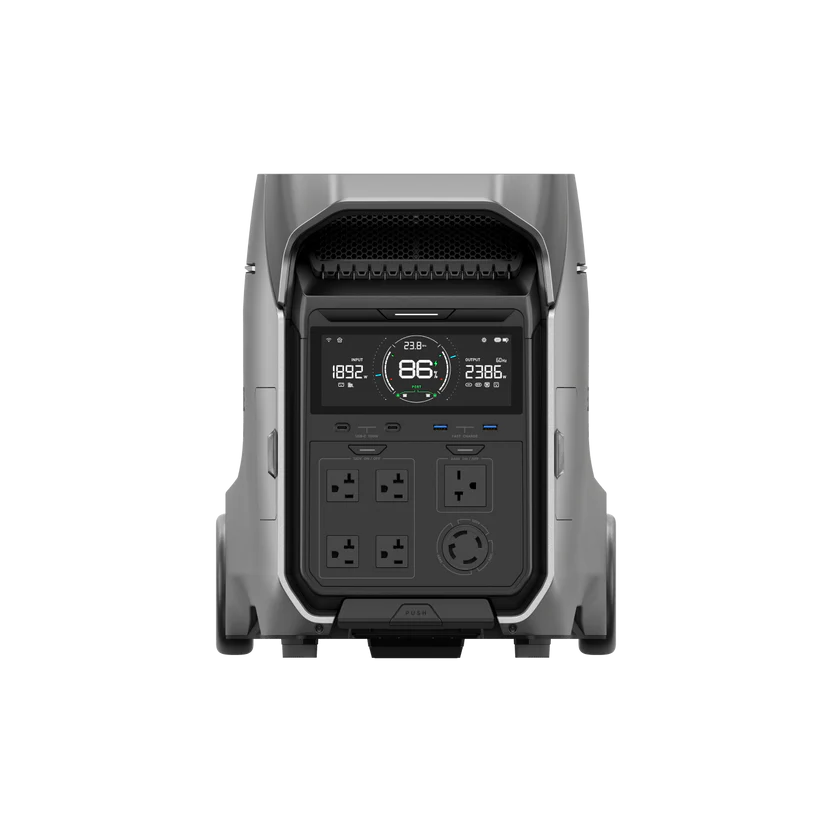
Staying alert, knowing what to expect, and taking proactive steps now can make all the difference in navigating the final stretch of storm season safely. Also, we’ll take a look at how the EcoFlow DELTA Pro 3 can support your power needs.
Why Storm Season Doesn’t End When Spring Begins
Many people assume that once the first signs of spring appear, storm season is behind them. In reality, March and even early April can bring volatile weather patterns that rival those of winter. Shifting jet streams, lingering cold fronts, and warming air create the perfect conditions for sudden thunderstorms, heavy rainfall, and strong winds.
It’s not just a matter of inconvenience. These storms can pose real dangers to homes, vehicles, and personal safety. Preparing ahead of time ensures that your household isn’t caught off guard. Having a family plan for natural disasters, securing outdoor items, and staying informed about local alerts are key steps to weathering late-season storms safely.
Common Types of March Storms
Even as spring nears, March can still bring a variety of unpredictable storms. Knowing what to expect can help you stay prepared:
Thunderstorms: Sudden heavy rain, lightning, and strong winds.
Tornadoes: Rare but possible when warm and cold air collide.
Winter storms and snow squalls: Late-season snow or ice in colder regions.
Ice storms: Freezing rain that can create hazardous roads and power outages.
High winds: Gusts that can damage property and knock down trees.
How March Storms Can Affect Homes
Late-season storms may seem minor compared to winter blizzards or summer hurricanes, but they can still cause significant damage to homes. Heavy rainfall can lead to flooding or water intrusion in basements and low-lying areas, while strong winds may break windows, damage roofs, or knock over trees and power lines. Even ice accumulation from a sudden cold snap can weigh down gutters, roofs, and outdoor structures, which leads to costly repairs.
Preparing in advance can make all the difference in the world. Ensuring your home is well-maintained, securing outdoor items, and keeping emergency supplies on hand are crucial steps. A disaster preparation kit guide can help you gather everything your household might need, from flashlights and batteries to first aid supplies, so you’re ready for any unexpected storm that March throws your way.
Preparing Your Home Before the Next Storm
Even a seemingly mild March storm can cause damage if your home isn’t ready. Taking a few proactive steps can protect your property and keep your household safe:
Inspect your roof and gutters: Clear debris and check for loose shingles or damage.
Secure outdoor items: Bring in or anchor furniture, trash cans, and garden tools.
Trim overhanging branches: Prevent limbs from falling on your home, vehicles, or power lines.
Seal windows and doors: Check weather stripping and caulking to reduce water and wind intrusion.
Stock emergency supplies: Keep flashlights, batteries, first aid items, and essential tools on hand.
Review family safety plans: Make sure everyone knows what to do if you get caught in a severe storm.
Building an Early Spring Emergency Kit
Even as the days grow longer and warmer, late-season storms can still leave you without power or access to essential supplies. Building an emergency kit now ensures you’re ready for sudden weather events. A well-prepared emergency kit helps you face March storms with confidence and keeps your household safe, comfortable, and self-sufficient until conditions improve.
Start with the basics: non-perishable food, bottled water, flashlights, batteries, first aid supplies, and essential medications. Don’t forget items for personal comfort and safety, like blankets, sturdy shoes, and rain gear.
In addition to these essentials, consider how you’ll manage if the power goes out. Backup options, from portable generators like the EcoFlow DELTA Pro 3 to home backup power solutions, can keep critical appliances running and provide light and communication during outages.

Staying Informed During Severe Weather
When storms hit, timely information can make all the difference. Monitoring local weather alerts, NOAA updates, or trusted news sources helps you react quickly to changing conditions. Smartphone apps with push notifications and weather radios are essential tools, especially in areas prone to sudden storms.
Staying informed also ties into preparedness at home. Also, if a power outage occurs, having reliable backup options like a whole-home generator can keep your lights on, appliances running, and communication devices charged.
Frequently Asked Questions
Which Types of Storms Are Common in March?
March can bring a mix of late-winter and early-spring storms. Common types include thunderstorms with heavy rain and lightning, tornadoes in regions where warm and cold air collide, snow or ice storms in colder areas, and high winds that can damage trees, power lines, and structures.
Why Do Power Outages Happen During Early Spring Storms?
Power outages often occur during March storms due to strong winds, heavy rain, ice accumulation, or falling tree limbs damaging power lines. Even if the storm seems minor, late-season weather can knock out electricity unexpectedly. Having backup power solutions, surge protection, and emergency supplies ensures your home remains safe and functional during outages.
March Storms Create Risks That Require Household Preparedness
March may signal the approach of spring, but storm season isn’t over. From unpredictable thunderstorms and late-season snow to high winds and power outages, staying prepared is essential. Protect your home by securing outdoor items, inspecting roofs and gutters, and stocking an emergency kit with essentials. Staying informed through weather alerts and having reliable backup power can make a real difference when the weather turns.
For households looking to stay powered through any storm, the EcoFlow DELTA Pro 3 offers a dependable solution to keep lights, appliances, and devices running safely until conditions improve.
For press requests or interview opportunities, reach out to our media team
media.na@ecoflow.com