Solar Shingles vs Solar Panels: Comparing Aesthetics, Costs, and Efficiency
- Disclaimer
- Quick Comparison
- How Do Solar Roof Shingles and Panels Compare in Aesthetics?
- Long-Term Maintenance Costs for Solar Panels and Solar Roof Shingles
- Which Solar System Requires Less Invasive Roof Installation?
- Making the Best Solar Choice for Your Home's Future
- FAQs
- Reference Sources Used for Drafting and Compliance Review
Disclaimer
The information provided in this article is intended for general informational purposes only. The actual costs and performance of solar panels or shingles can vary based on factors such as roof size, orientation, shading, and local subsidies. Before making any decisions, we recommend consulting a certified contractor or structural engineer to obtain a personalized assessment. For accurate and specific cost estimates, always request a written quote from a qualified professional.
As more homeowners seek sustainable energy solutions, the debate between solar shingles and traditional solar panels intensifies. Both options promise clean energy, but which is better suited for your home? In this article, we’ll dive into key aspects like costs, energy efficiency, aesthetics, and installation requirements to help you make an informed decision.
Quick Comparison
| Feature | Solar Shingles | Traditional Solar Panels |
| Installation Cost | $25,000–$60,000 (higher upfront cost, roof replacement) | $15,000–$30,000 (more affordable, installed on existing roof) |
| Energy Efficiency | Lower efficiency, but seamless integration with the roof | Higher efficiency, better energy output per square foot |
| Aesthetics | Blends seamlessly with the roof, modern and discreet | Visible on roof, can alter the home’s aesthetic |
| Maintenance Cost | Higher, more involved repairs due to integration with roof | Lower, easier repairs as panels are mounted on top |
| Installation Impact | More invasive, requires full roof replacement | Less invasive, installed on top of the existing roof |
Comparing the Costs of Solar Roof Shingles and Traditional Panels
Cost is often the first thing homeowners consider when evaluating solar options. Solar roof shingles — photovoltaic roof tiles that replace traditional roofing materials — are significantly pricier than traditional solar panels. In the U.S., a full solar shingle installation typically runs between $25,000 and $60,000 for an average single‑family home (calculated based on a roof size of 1,800 sqft, excluding tax and local or federal subsidies, based on estimates from EnergySage).
Traditional solar panels are generally much more affordable. A complete solar panel system installation usually costs about $15,000 to $30,000 before incentives like the federal solar tax credit (for a typical 1,800 sqft roof, before incentives like the federal solar tax credit, sourced from Solar Reviews).
Solar shingles often cost 15 %–25 % more overall, even after accounting for the fact that they replace the roof covering.
On a cost‑per‑watt basis, solar panels typically land in the $2.50–$4.50 per watt range, while solar shingles sit around $4.50–$8.00 per watt installed.
Even though solar shingles can sometimes combine roof replacement and power generation into one project, their upfront investment is still significantly higher than that of a traditional solar panel system for similar energy output.
The cost-per-watt estimates are based on typical residential solar system installation costs, including panels/shingles, inverters, and labor. However, actual costs may vary depending on system size, roof complexity, local labor rates, and the availability of subsidies.
Energy Conversion Efficiency of Solar Shingles and Traditional Panels
Energy efficiency is a major factor in determining the long-term value of your solar investment. Traditional solar panels generally outperform solar shingles when it comes to energy conversion. Solar panels typically have a higher efficiency rate, meaning they generate more energy per square foot.
Solar shingles are relatively new in the market, and although they are improving, they generally have slightly lower efficiency than traditional panels. However, solar shingles can still provide a reliable energy source for most homes, especially in areas with moderate sunlight.
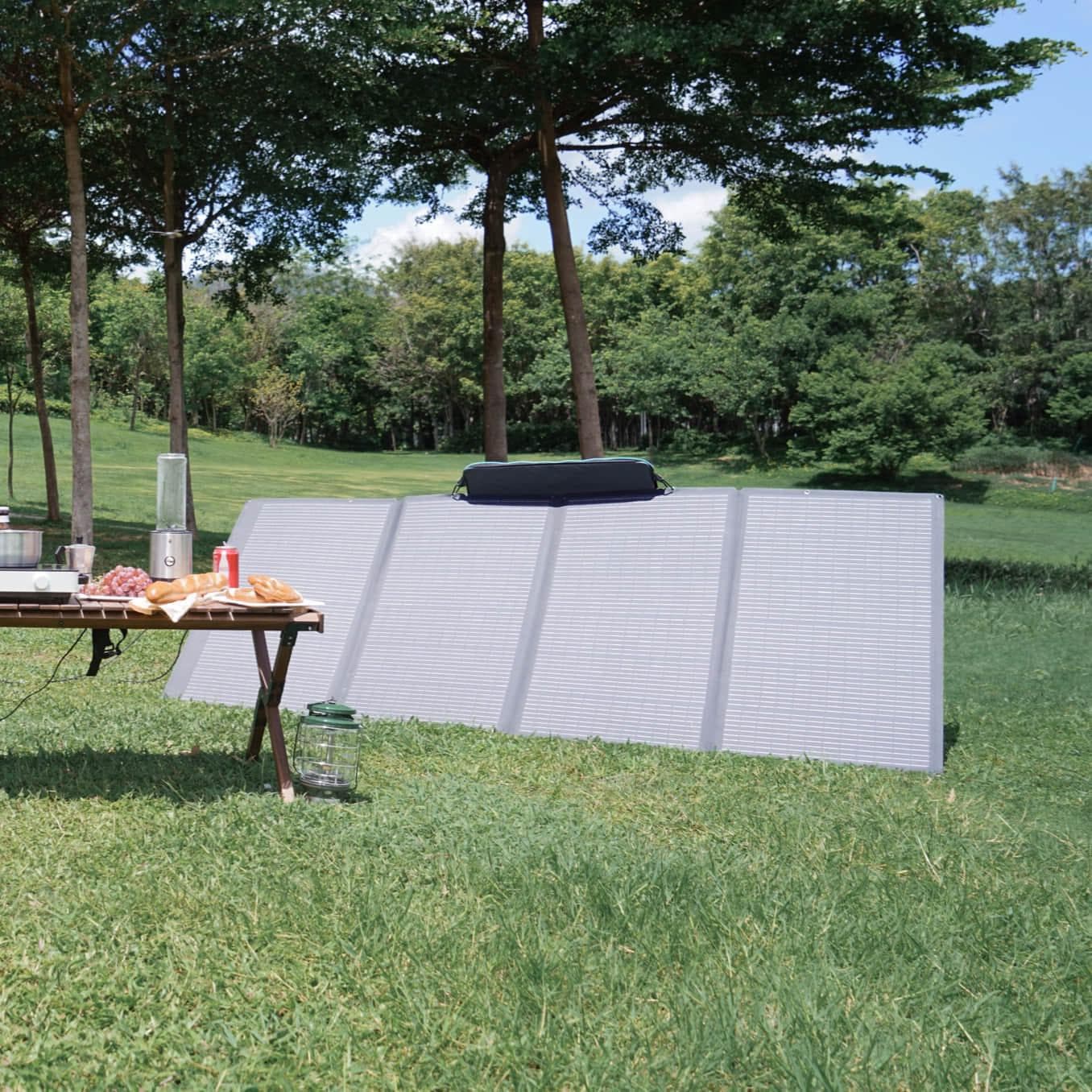
For homeowners looking for a highly efficient and portable solar solution, EcoFlow 400W Portable Solar Panel offers an excellent choice. Designed for quick deployment, the solar panel provides fast charging and high energy output with monocrystalline technology, which ensures maximum efficiency. It’s perfect for both home installations and off-grid adventures, and with its IP68 rating, it’s built to withstand harsh weather conditions, ensuring reliable performance even in less-than-ideal environments.
Efficiency Comparison:
Solar Shingles: Lower efficiency, but provide a more seamless integration with the roof.
Solar Panels: Higher efficiency, better energy output.
How Do Solar Roof Shingles and Panels Compare in Aesthetics?
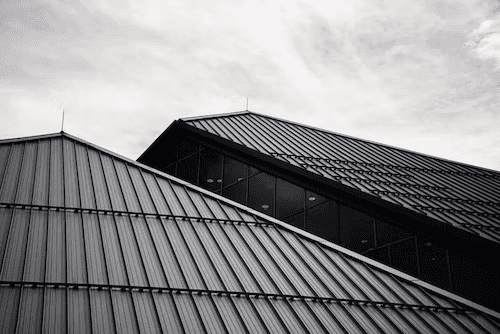
When it comes to aesthetics, solar shingles have the edge. These are designed to blend seamlessly with the roof, giving your home a sleek, modern look. They appear as part of the roof, rather than an add-on. For homeowners concerned about the appearance of bulky panels, solar shingles offer a more discreet option.
Traditional solar panels, though functional and efficient, can be quite noticeable. They are mounted on top of your existing roof and may alter the aesthetic of your home. However, they still remain a popular choice for many due to their higher efficiency and cost-effectiveness.
Aesthetic Considerations:
Solar Shingles: Blend into the roof, offering a cleaner, more modern look.
Solar Panels: Visible on the roof, less seamless but more common.
Long-Term Maintenance Costs for Solar Panels and Solar Roof Shingles
When budgeting for a solar system, it is important to consider maintenance costs as they contribute to your ongoing expenses over the years. Both solar panels and solar shingles are designed to last for decades. However, the maintenance requirements and associated costs can vary between the two systems.
For solar panels, routine upkeep is usually straightforward. Most homeowners spend roughly $300–$850 per year on basic maintenance (this is based on a typical residential solar setup in the U.S., commonly around a 6 kW system size, and includes basic cleaning and annual inspections). This typically covers professional cleaning of panels, electrical checks, and occasional minor repairs such as wiring adjustments or hardware tightening.
Annual professional cleaning helps clear dust, pollen, and debris that can reduce panel output.
Inspections are often recommended once or twice per year to help catch early wear.
Because solar panels are mounted above the roof and each panel can be accessed individually, repair or replacement of a single panel is relatively simple and doesn’t affect the rest of the system.
Solar shingles serve as both roofing material and solar energy generators, so their maintenance tends to be more involved. If a single shingle or section needs repair, it usually requires a roofing professional and an electrician, which can raise costs relative to a single-panel fix.
Damage to solar shingles may require roof deck access and careful removal of surrounding shingles.
Because they are integrated into the roof, repairs can be more costly than for mounted panels, especially if shingle sections need replacement due to weather or aging.
While both systems are designed for durability and minimal routine maintenance, solar panels typically result in lower and more predictable long-term maintenance costs. This is particularly true if you plan to keep the system for 20 to 30 years or more. In contrast, solar shingles can result in higher maintenance costs due to their integration with the roof structure.
Which Solar System Requires Less Invasive Roof Installation?
Installation is a critical part of the decision-making process. Solar shingles require a full roof replacement, which means a more invasive installation process. This can lead to higher labor costs, more time spent on installation, and additional disruption to your home.
On the other hand, solar panels are installed on top of your existing roof, making the installation process less disruptive. The process is quicker and less invasive, but it may require additional structural reinforcement depending on your roof type.
Installation Comparison:
Solar Shingles: More invasive, requires full roof replacement.
Solar Panels: Less invasive, installed on top of the existing roof.
Making the Best Solar Choice for Your Home's Future
When deciding between solar shingles and traditional solar panels, the best option depends on your priorities. If aesthetics and seamless integration are key, solar shingles might be the right choice. However, if you’re looking for a cost-effective, high-efficiency solution, traditional solar panels may be the better investment. For a reliable, efficient, and portable solar solution, EcoFlow’s solar panels offer an excellent alternative, combining high energy conversion with easy setup for any home.
FAQs
Q1. How Many Solar Panels Are Needed to Run a Home?
The number of solar panels required depends on various factors, including your home’s energy consumption, roof size, and location. On average, a typical home needs around 20–25 solar panels to generate enough power to cover most energy needs. This can vary based on the energy efficiency of your home and the amount of sunlight in your area.
Q2. What Are the Different Types of Solar Panels?
There are three main types of solar panels: monocrystalline, polycrystalline, and thin-film panels. Monocrystalline panels are known for their high efficiency and sleek design. Polycrystalline panels are more affordable but slightly less efficient. Thin-film panels are flexible and lightweight, ideal for certain applications, but typically less efficient than the other two types.
Q3. What Are the Benefits of Using Solar Panels?
Solar panels offer several benefits, including lower electricity bills, reduced carbon footprint, and energy independence. By generating your own electricity, you can significantly reduce your reliance on utility companies and save money over time. Solar panels also increase the value of your home and provide a renewable energy source that helps reduce environmental impact.
Q4. How Long Do Solar Panels Last?
Solar panels typically last 25–30 years or longer with proper maintenance. Over time, their efficiency may decline slightly, but most panels still produce a significant amount of energy even after 30 years. Regular cleaning and occasional inspections can help extend the life of your solar system.
Reference Sources Used for Drafting and Compliance Review
EnergySage: For current solar installation cost estimates and market trends, including solar panel and solar shingles costs.
Solar Reviews: For detailed data on solar panel system pricing and user reviews on various solar products.
U.S. Department of Energy: For energy use calculation guidance and efficiency benchmarks for both solar panels and shingles.
National Renewable Energy Laboratory (NREL): For detailed studies and efficiency metrics on solar energy systems, including cost-per-watt data and lifespan expectations.
EcoFlow Official Product Pages: For product-specific information on EcoFlow solar panels, including performance data and weather resistance features.
Solar Power World: For comprehensive solar panel system installation cost breakdowns and expert insights into system performance and maintenance costs.
For press requests or interview opportunities, reach out to our media team
media.na@ecoflow.com