How Much Would It Cost to Get a Solar System to Cover an Entire House in 2026?
Getting solar panels for your whole house in 2026 will typically run you between $20,000 and $35,000 for a system-sized setup that covers most homes, with the final price depending on system size, roof complexity, and local labor costs. Most homeowners end up paying around $22,000 to $30,000 for a complete setup that covers their energy needs, assuming a “standard” residential installation. The exact home solar power system cost depends on your home size, where you live, and how much electricity you use.
What Is the Average Cost for a Residential Solar Power System in 2026?
To put things into perspective, the fact is that solar power installation costs have reduced, and here are some real-life examples.
National Average Pricing
The standard residential solar energy installation in the United States is priced anywhere between $20,000 to $30,000 before state or utility incentives. In most cases, it’s safer to think in “before incentives” pricing first, because federal rules can materially change what a homeowner actually qualifies for in a given year. In most cases, homeowners opt to install a system that falls between 6 kW and 10 kW.
Cost per Watt Standard
In the solar sector, the price given is in units of watts. A common all-in quote range many homeowners see is roughly $2.5 to $3.5 per watt before incentives. The “after incentives” price in the year 2026 would be location-specific, depending on the incentives available in your region, so it’s best to treat any incentive as availability-dependent rather than guaranteed. So, for instance, an 8 kW system, a general size for residential use, would be calculated as 8,000 watts x a quoted $/W figure in that general range (your actual quote can be above or below, depending on roof and electrical scope).
Regional Price Variations
The location is also important.
California and Massachusetts are likely to be above average in terms of price because of higher labor costs and stricter regulations in the construction industry.
Arizona and Texas are likely to be around or below average, depending on the situation.
Prices in Florida are likely to be around average but may differ significantly depending on the company and the type of roof.
State | Average Cost Per Watt | 8kW System Cost (Before Local Incentives) |
California | Varies (often above national average) | Varies (commonly in the mid-$20k range before local incentives) |
Texas | Varies (often closer to national average or lower) | Varies (commonly low-to-mid $20k range before local incentives) |
Florida | Varies (often near national average) | Varies (commonly low-to-mid $20k range before local incentives) |
New York | Varies (often above national average) | Varies (commonly in the mid-$20k range before local incentives) |
Typical Household Installation Costs
For an average American home using about 10,500 kWh per year, you'll need roughly a 7kW to 10kW system in many parts of the country, depending on sunlight and roof layout. (Exact sizing also depends on sun hours, roof orientation/shading, and design assumptions.) That often translates to roughly the low-$20k to low-$30k range before any local incentives. Bigger homes with pools or electric heating might need 10kW or more, pushing costs toward $28,000 to $30,000. Understanding these baseline numbers helps you spot whether quotes you're getting are fair or inflated.
What Does a Home Solar Power System Cost Include?
Most homeowners freak out after seeing what’s actually in their solar installation quote. This is what your money will actually go towards.

Solar Panels & Equipment
The panels are only one part of the total cost, and many quotes are driven heavily by “soft costs” like labor, electrical work, racking, permitting, and overhead. For an 8 kW system, one will require about 20 to 25 panels, depending on the power rating of the panel. Quality panels range from the low to mid hundreds per unit. Higher-end panels may be quite pricey.
Installation Labor Cost
Labor and electrical scope can be a major portion of the quote and vary with roof type, access, wiring runs, and whether your main panel needs work. The pros install the rack and hook everything up to your electrical panel. It typically takes two to three days for a residential installation.
Inverters & Electrical Components
The inverter will convert the DC electricity coming from solar panels into the electricity your home uses, which comes in the form of AC. The string inverter costs about $1,000 to $2,000. Microinverters, which are one for each solar panel, cost about $2,500 to $3,500. (Actual equipment pricing can vary by brand, system design, and what the installer bundles.)
Permits & Inspection Fees
Don’t forget about paperwork. Building permits, electric permits, and inspections may tack on a few hundred dollars to a couple thousand, depending on your area. (This varies widely by jurisdiction.)
Monitoring System Costs
The majority of contemporary systems come equipped with monitoring software so you can monitor their performance via your cell phone. This is typically included, but a monitoring system will increase your cost by $300 to $500. (In many installs, app monitoring is bundled; whether it’s billed separately depends on the installer and equipment.)
All the above factors contribute to the total installation cost of a home solar power system.
What Are the Factors That Can Affect the Cost of a Home Solar Power System?
Even for similar-sized installations, prices may differ. Several variables may lead prices higher or lower.
Roof Conditions and Installation Complexity
A basic south-facing roof with asphalt shingles will cost the least. If you have a tile roof, multiple angles, or a structurally dubious roof, it will be more expensive.
Types and Quality of Solar Panels
You have choices. Conventional monocrystalline solar panels are efficient and relatively affordable. Better solar panels are more costly but produce more power in a smaller area. Thin-film solar panels are less costly, but they require more space. Variations in quality can lead to differences of several thousand dollars.
Size and Capacity of the System
The bigger systems will be more expensive upfront; however, their cost per watt will be lower. For instance, a 5 kW system could be priced around $3.20 per watt; a 10 kW system could be priced around $2.80 per watt. (These are illustrative examples. Real quotes vary by market and project scope.)
Regional Labor Cost
Prices vary depending on the city. The rate for a San Francisco crew will be different from that in Oklahoma, and this can be a huge difference between neighboring houses. Obtain quotes specific to your property.
How to Make the Cost of the Solar Power Home System Affordable?
Smart consumers can save thousands of dollars without compromising on quality.
Comparing Quotes
It is always a good idea to shoot for at least three quotes. The same position can differ by thousands of dollars, putting you in a position to negotiate.
Optimal System Sizing
Don’t oversize. Companies may promote larger systems in order to increase their commission. Check your actual electricity bills for the past year and size accordingly. You may need only a 7 kW system and not 10 kW.
Selecting the Installation Time
There is less installation work during winter and late fall. Some installation companies may have a discount during that time to keep their workers busy. You may be able to score a small percentage discount.
Selecting Cost-Effective Equipment
You don't need the most expensive panels to get good results. Mid-tier panels from reputable manufacturers perform great and cost significantly less. The same goes for inverters. A quality string inverter works fine for most homes.
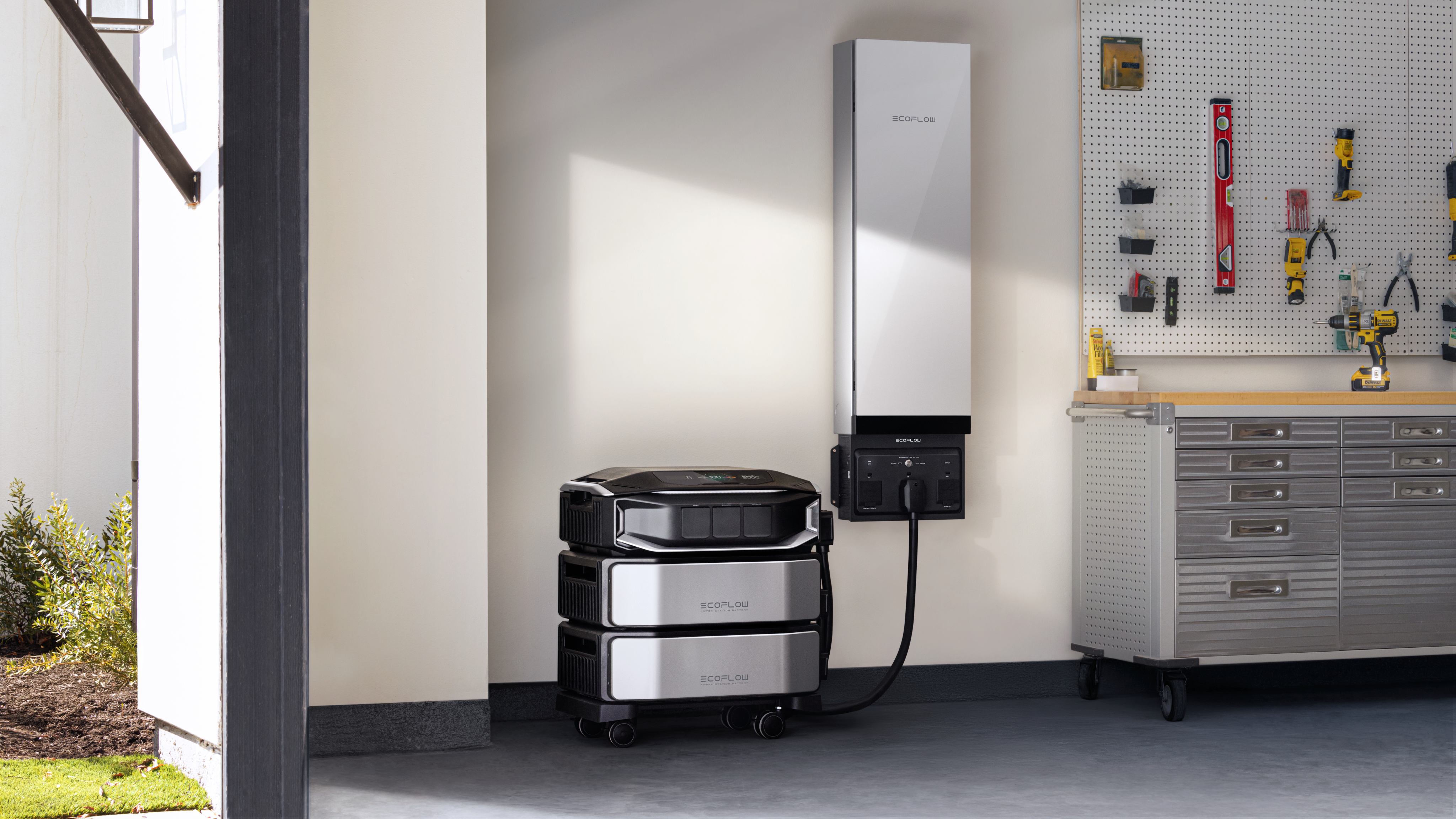
And if your priority is backup first (not savings first), a phased approach can feel easier: some homeowners start with a whole-home battery platform like EcoFlow DELTA Pro Ultra X, then add solar later once they know their real daily loads and budget.
Understanding Tax Credits and Incentives
For 2026 installs, don’t assume a nationwide federal solar tax credit applies. Under current federal rules, the Residential Clean Energy Credit (25D) is generally not available for expenditures made after December 31, 2025, so many 2026 projects may not qualify. Many states, utilities, or local programs may still offer incentives, and the best place to verify what’s active is the DSIRE database. Because incentives can change by location and program funding, treat them as “availability dependent,” not guaranteed.
Cost-Saving Strategy | Potential Savings |
Multiple quotes comparison | $3,000 to $5,000 |
Proper system sizing | $4,000 to $6,000 |
Seasonal timing | $1,000 to $2,500 |
Mid-tier equipment | $2,000 to $4,000 |
State/local incentives | Varies widely by state/utility (check DSIRE) |
These strategies can often reduce your total cost by several thousand dollars without compromising on quality.
Make an Informed Solar Decision
With proper information and effective comparison shopping, you can get good solar energy at a good price. Are you ready to tap into solar energy? Get quotes from at least three installers.
And if you’re planning for whole-home backup alongside solar, EcoFlow’s DELTA Pro Ultra X is a strong example of a scalable 120V/240V setup you can build around your must-run appliances, then expand later as your power needs grow.
FAQ
Q1. Will Relocating Affect My Solar Panels?
Solar panels increase your home's market value. Research from Berkeley Lab is often summarized as showing a solar “price premium” of roughly about $4 per watt on average in studied markets (results vary by market and time). Solar panels are usually transferred to the buyer at the time of sale. If you have a loan for financing your solar panels, you have to pay it off or transfer it to the buyer. Leased solar panels can be transferred to the buyer.
Q2. May I Personally Install Solar Panels to Cut Costs?
Solar kits are available for DIY and can cut labor costs to some extent (approximately 10% to 15% of the overall project costs), but most people recommend against doing it yourself unless you are a licensed electrician. You will still need permits and inspections. Doing it yourself may be banned in some locations. You will also waive the installation warranty and may not be eligible for some rebates either. The most prominent danger is related to your safety because doing electrical work on rooftops with high voltage is extremely dangerous.
Q3. Are Solar Panels Useful When There Is a Power Outage?
Conventional grid-connected solar power systems will automatically turn off during a power outage for the safety of the repair crews on the lines. For a backup solution, you will require a battery backup system, which may cost you five figures, depending on the capacity as well as the installation charges. Hybrid solar inverters with a backup solution will cost you less, but they will serve the essential load only. Fully off-grid solar power systems will work during a power outage, but they will cost you more.
For press requests or interview opportunities, reach out to our media team
media.na@ecoflow.com