How To Solar Power Everything In Your RV
Going off grid in your RV sounds great until you realize your phone is dead, your fridge is warm, and the nearest hookup is miles away. A solar generator for RV travel can make those problems much easier to manage. It keeps your essentials running without fuel and with far less noise, while reducing how often you need to rely on hookups. The right system makes a real difference, and finding one is simpler than most people think.
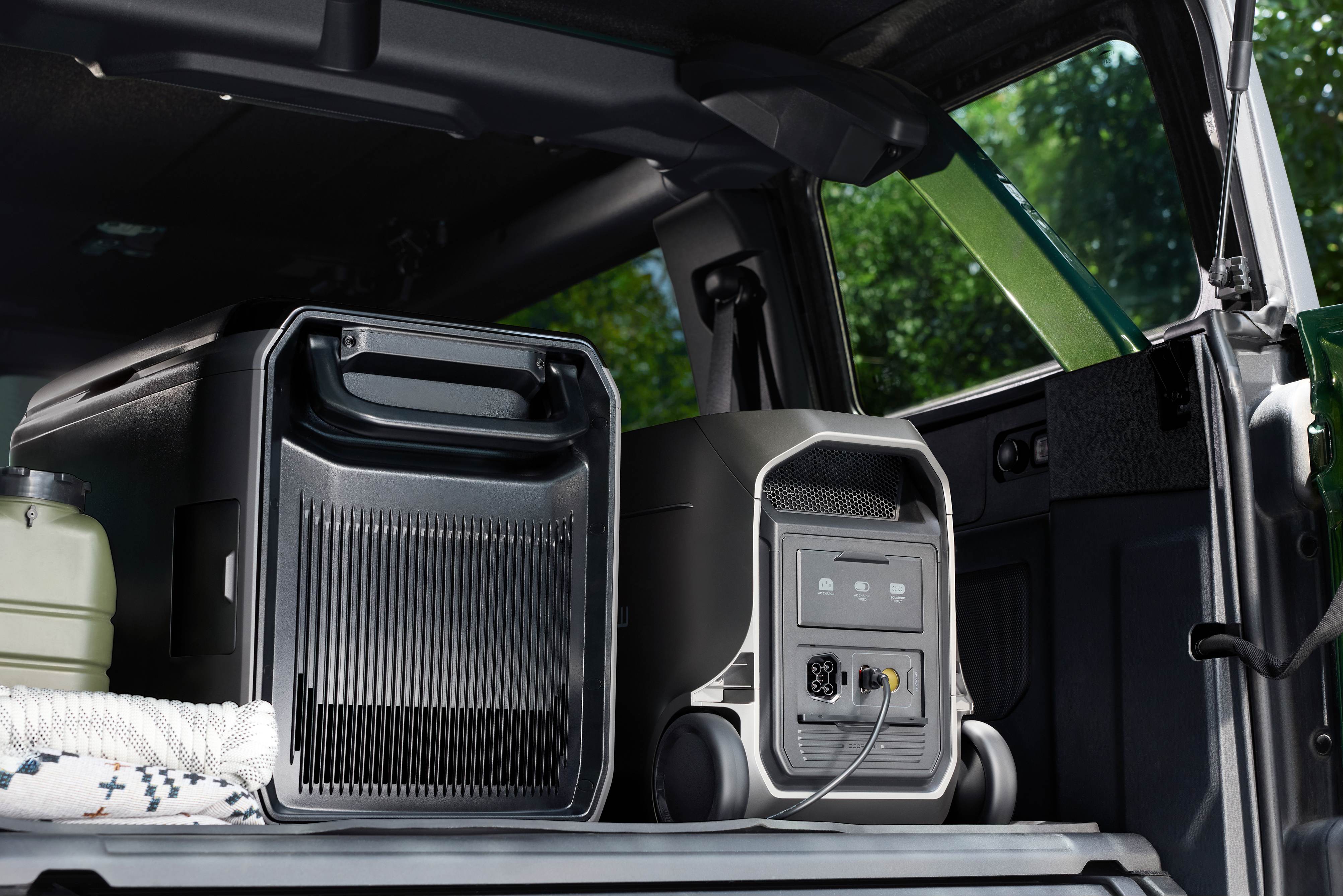
Why Solar Power Fits RV Life
Solar power works best when it matches real travel habits, not fantasy camping plans. For a recreational vehicle (RV), that usually means balancing comfort, mobility, and fewer energy hassles.
More Freedom At Camp
Campground electricity, often called shore power, is convenient, but it is not always available. Many RV owners want the freedom to stop wherever they want without worrying about finding a hookup. A solar generator, which is basically a portable power station paired with solar panels, stores energy you can use later through regular outlets.
That changes how a trip feels. You can charge your devices, keep the lights on, and run small appliances without planning every stop around a power source. For a lot of travelers, that freedom alone makes solar power worth it.
A Cleaner Daily Routine
Solar also simplifies the rhythm of RV living. You are not dealing with fuel runs for everyday use, and battery-based power can feel easier to manage for short stops and morning routines. That matters whether you travel a few weekends a year or spend long stretches on the road.
What Solar Generators for RV Can Power
A lot of confusion comes from the word “everything.” In real life, solar generators for rv use are best judged by what they can handle comfortably and consistently. Higher draw appliances simply call for a more capable setup, especially for longer use.
Daily Essentials Usually Fit Best
For many travelers, solar covers the core items that shape comfort every day. A solar powered generator for rv use is often a strong fit for:
LED lights
Phones and tablets
Laptops and cameras
Wi Fi gear
Fans
Small TVs
Portable fridges or efficient RV refrigerators
These are the loads that make an RV feel functional without placing constant stress on the system.
Bigger Appliances Need A Stronger Match
Microwaves, air conditioners, hair dryers, and other heat-making appliances are different. They draw more power and can drain stored energy much faster. An inverter, which turns battery power into the kind of electricity used by household style outlets, becomes especially important here because larger appliances need both solid output and stable delivery.
That does not mean those appliances are off the table. It means the best solar generator for rv living depends on how often you expect to use heavy loads, not just whether you want the option once in a while.
How To Choose The Best Solar Generator For RV Travel
Good buying decisions usually come from travel style first. Specs matter, but they only matter after you know what kind of trip you are trying to support.
Start With Your Travel Style
Typically, weekend campers only require enough electricity to run a fan, charge phones, and keep a modest light on at night. More outlets, more capacity, and a system that can withstand cloudy days are all necessary for full-time travelers. You should also have a reliable backup strategy in case the sun doesn't cooperate if you spend a lot of time off the grid.
Your way of living is also important. A family powering numerous electronics, a refrigerator, and kitchen appliances requires a completely different system than a lone traveler using a laptop and a fan. Consider what you really utilize on a daily basis rather than just what you might occasionally want. It's not always the case that the largest solar generator is the best for RV use. It is the one that corresponds with your current mode of transportation.
Focus On Features That Actually Matter
A useful shopping list is shorter than many buyers expect. Look closely at:
Battery capacity for longer runtime
Output strength for larger appliances
Solar charging support for life away from hookups
Portability and storage inside the RV
Expandability if your needs may grow later
These are often the features that matter most in everyday RV use. They shape daily use, setup effort, and how well a system can grow with you.
Think Beyond One Kind Of Use
Some buyers are not only planning for travel. They also want the same system to help during home outages. That crossover matters more now because power interruptions and weather related outages have made backup planning more common across the U.S.
Why RV Solar Matters Beyond The Campsite
The strongest reason to look at solar is not only convenience on the road. It is versatility. A system that serves an RV well can also play a role in emergency planning and broader energy storage goals.
Solar Plus Storage Has A Wider Role
Solar energy becomes far more useful when paired with storage, because the power collected during the day can still support essential needs later. That matters in an RV, but it also matters at home when reliable stored electricity becomes part of a practical backup plan.
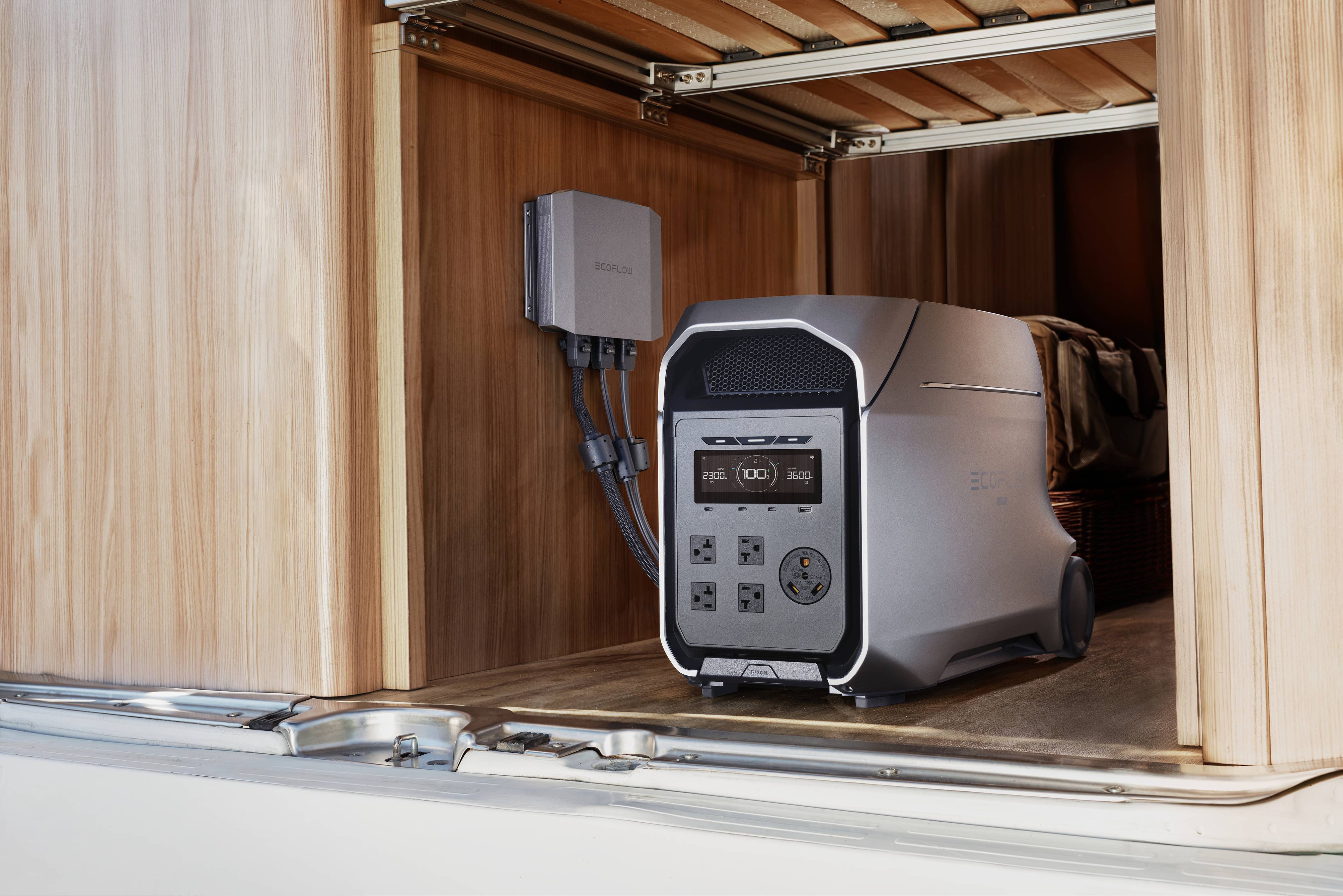
For RV users who want one system that can support both travel and home backup needs, the EcoFlow DELTA 3 Ultra Plus Solar Generator with 3072Wh of capacity, paired with a 500W solar panel, is a stronger fit for a higher-capacity setup. Its 3600W rated output gives users more room for everyday RV essentials as well as more demanding power needs, while the expandable design allows capacity to scale from 3kWh to 11kWh as needs change. The 500W solar panel also adds more charging support for longer off-grid stays, which makes the setup feel even more useful beyond the campsite.
One System, More Than One Job
One purchase may go much farther with that kind of flexibility. During a blackout at home, the same system that supports comfort and convenience in your RV may also power lights, devices, and other essentials. People underestimate how important that crossover is. Many RV owners don't consider home backup until they really need it, so having a system that can do both saves a lot of hassle. It begins to feel more like a daily necessity than camping gear.
Choose A Solar Setup That Works Harder
Using solar power in an RV is mostly about taking care of the things that make every trip more pleasant. Everything changes when your lights, fridge, and other devices keep working without having to look for hookups. It will be much more useful if you adapt your method to how you actually travel, not how you think you should travel. The best solar generators for RVs can also be used as backup power for your home, so what you buy can do a lot of good. Look through your choices and pick the one that works best for your trip.
FAQs
Q1. Can You Charge a Solar Generator While Driving Your RV?
Yes, and that is one of the more practical benefits of using a solar generator for rv travel. There are a lot of portable power stations that can be charged while the RV is moving through a 12V outlet or a DC socket. Some systems can also get power from the sun at the same time, which helps keep the batteries charged during long trips.
Q2. How Long Does It Take To Recharge a Solar Generator Using Solar Panels?
Recharge time depends on two things: the size of the battery and the wattage of the panels. More powerful panels speed up the filling process, but larger batteries take longer. In good sunlight, a 400W solar panel can provide steady recharging, though exact results depend on weather and charging conditions. Many RV owners also carry shore power or their vehicle's alternator as a backup because cloudy skies slow that down.
Q3. Is It Safe To Run a Solar Generator Inside an RV?
When used inside, solar generators are much better than gas-powered generators because they don't give off exhaust fumes or carbon monoxide. Even so, you should still keep your unit somewhere with good air flow, away from direct heat sources, and not in a small area where heat could build up while it's charging. Always store and use the unit according to the manufacturer's instructions to keep it safe over time.
Q4. How Do You Know When It Is Time To Replace Your Solar Generator's Battery?
Although the majority of contemporary solar generator batteries are designed to last for a long period, performance may gradually alter with time. The battery may be aging if the device begins to run out of power more quickly or holds less power than it formerly did while doing the same daily tasks. By displaying the battery status on a screen or via an app, some models make this more noticeable.
For press requests or interview opportunities, reach out to our media team
media.na@ecoflow.com