Snow Squall: Definition, Safety, And Preparedness
Winter weather presents many dangers for us. One specific phenomenon remains known for sudden violence. A snow squall arrives quickly. It creates chaos on roadways through whiteout conditions.
What Is A Snow Squall?
Many people envision winter storms as slow events that develop over days. Clouds thicken gradually. Snow begins as light flurries before intensifying. Schools close in advance. Grocery stores run out of bread and milk. These synoptic-scale storms cover entire states. A snow squall behaves differently.
Meteorologists define the event as an intense burst of moderate to heavy snow accompanied by strong winds. The primary characteristic involves the short duration and the rapid reduction in visibility. It is a wintertime convective event. Think of summer thunderstorms. In the summer, the sun heats the ground. Warm air rises rapidly. Clouds tower into the sky. Rain falls in a deluge. Wind gusts knock down trees. Then the sun comes out again. A snow squall operates on the same principle but happens when temperatures are near freezing.
How Cold Air Turns Into A Storm
The atmosphere constantly seeks balance. When cold air sits over warm air, the atmosphere becomes unstable. Warm air is less dense than cold air. It wants to rise. As the warmer air rises, the parcel cools. Water vapor condenses into ice crystals. Because the upward motion is violent and fast, the clouds grow vertically. The heavy precipitation drags cold air from high aloft down to the surface. The result is a sudden gust of wind coupled with heavy snow.
The wind plays a crucial role. Snow falling straight down is manageable. Snow driven by forty-mile-per-hour winds creates a wall of white. Objects a hundred feet away disappear. The horizon vanishes. The sky and the ground merge into a single brightness that confuses the eye.
Where The Name Comes From
The word squall comes from nautical history. Sailors used the word to describe a sudden, violent gust of wind. It often brought rain or hail. The term implies brevity and violence. In 2018, the National Weather Service formalized the definition. They realized that such events were killing people on highways. The general winter weather advisories were not enough. People needed a warning that screamed danger. The snow squall warning was born from the need to save lives on the interstates.
How Long Do Snow Squalls Last?
The duration of the event sets the phenomenon apart from other winter hazards. Speed defines the experience. Most weather events have a beginning, a middle, and an end that play out over hours. A squall compresses the timeline.
Why It Only Lasts A Short Time
Most snow squalls last less than an hour at any single location. The vast majority last between thirty and sixty minutes. Some are even shorter. A burst might last only fifteen minutes.
Consider a person looking out of a kitchen window. At noon, the sun shines. At 12:15, the wind picks up. At 12:20, snow falls so hard that the house next door disappears. At 12:45, the snow stops. At 1:00, the sun shines again.
The brevity creates a false sense of security. A driver checks the weather app. It shows a low chance of snow for the day because the event is so small and fast. They leave for a short trip. They think they have plenty of time. The squall hits while they are in transit.
Is A Snow Squall The Same As A Blizzard?
No. They differ in fundamental ways.
What Defines A Real Blizzard
A blizzard is defined by strict criteria. The National Weather Service requires three specific conditions to occur for at least three hours.
First, there must be sustained winds or frequent gusts of thirty five miles per hour or greater.
Second, there must be falling or blowing snow that reduces visibility to less than one quarter of a mile.
Third, the conditions must persist for three hours or longer.
Note that temperature and snow accumulation are not part of the definition. A blizzard can happen with no new snow falling. If old snow is on the ground and the wind blows the powder hard enough to blind drivers for three hours, it is a ground blizzard.
How Time Separates The Two
The primary distinction is duration. A squall is short. A blizzard is long. If a storm hits with hurricane-force winds and zero visibility but only lasts two hours, meteorologists do not call the event a blizzard. It is a severe winter storm.
The time difference impacts society differently. A blizzard is a siege. People know the storm is coming. They buy supplies. They stay home. Schools close the day before. A squall is an ambush. It happens on a Tuesday afternoon while people are at work.
What Is The Biggest Risk From Snow Squalls?
The danger comes from two specific mechanisms working together. The Flash Freeze and the Whiteout.
How The Road Freezes Instantly
Roads are often clear before a squall. The sun might be shining. The pavement absorbs solar radiation. The road surface temperature rises above freezing. Cars drive at full highway speeds. The drivers feel safe. The road is dry or just wet.
Then the squall arrives. Heavy snow falls on the warm road. Initially, the flakes melt. The road becomes wet.
Then the cold front crosses. The air temperature plummets. It can drop twenty degrees in twenty minutes. The wind howls. It evaporates some moisture, cooling the surface further. The sun disappears behind the thick clouds. The source of heat vanishes.
The water on the road freezes. It happens instantly. It forms a thin layer of transparent ice. Black ice. The road looks wet. But the surface is a skating rink. Meteorologists call the phenomenon a Flash Freeze. It is the silent killer.
When You Cannot See the Road
At the same time, the road turns to ice, the air turns to milk. The wind whips the falling snow. It also picks up snow from the ground if there is any. Visibility drops to zero.
A driver enters the squall. Suddenly, the hood of the car is gone. The lines on the road are gone. The taillights of the car ahead are gone. The brain panics. The instinct is to brake. But remember the ice.
The lead driver slams on the brakes because they cannot see. They lose control on the ice. They spin. They stop sideways in the middle of the highway. The driver behind them enters the whiteout a few seconds later. They cannot see the stopped car until they are fifty feet away. They have less than one second to react. The result is a chain reaction pileup.
How To Stay Safe During A Snow Squall?
Survival depends on preparation and reaction. Because the event is short, the window for action is small. You must know what to do before the snow flies.
Why You Must Check Your Phone
The National Weather Service uses technology to save lives. Your cell phone is your best defense.
When a dangerous squall is detected, the NWS issues a warning. The alert goes to cell towers in the path of the storm. Your phone will buzz. It will make a loud noise. A message will appear. Snow Squall Warning. Do not ignore the text. It is not spam. It is a lifeline.
If you get the alert, the action is simple. Get off the road. Take the next exit. Do not think you can beat the storm. Wait twenty minutes. The squall will pass.
What To Do If You Are Driving
If you are already on the highway and the squall hits, you must act correctly.
Avoid panic. Slow down gradually. Take your foot off the gas. Do not stomp the brake. Sudden braking causes skids.
Turn on your headlights. Low beams are best. High beams reflect off the snow, causing the view to be worse. Turn on your hazard lights. You want the person behind you to see you.
Increase your following distance. The normal rule is two or three seconds. In a squall, extend the gap to ten seconds. You need room to react.
Do not stop in the travel lane. The rule is critical. If you stop in the lane, you will be hit. If you cannot see, you must pull off the road. Pull as far right as possible. Get onto the shoulder. Get into the grass if you can.
What To Do If You Crash
If the worst happens and you are involved in a pileup, stay in your vehicle. Do not get out to inspect the damage. Other cars are coming. They cannot see you. Pedestrians on the highway during a squall are often killed. Stay buckled up. Wait for the storm to end.
How To Keep Power At Home
Squalls bring wind. Wind knocks down trees. Trees knock down power lines. You might lose electricity at home. The temperature drops rapidly after the squall.
You need a backup plan. Candles are dangerous. Flashlights are safer. Have a way to charge your phone. You need the device to get weather updates.
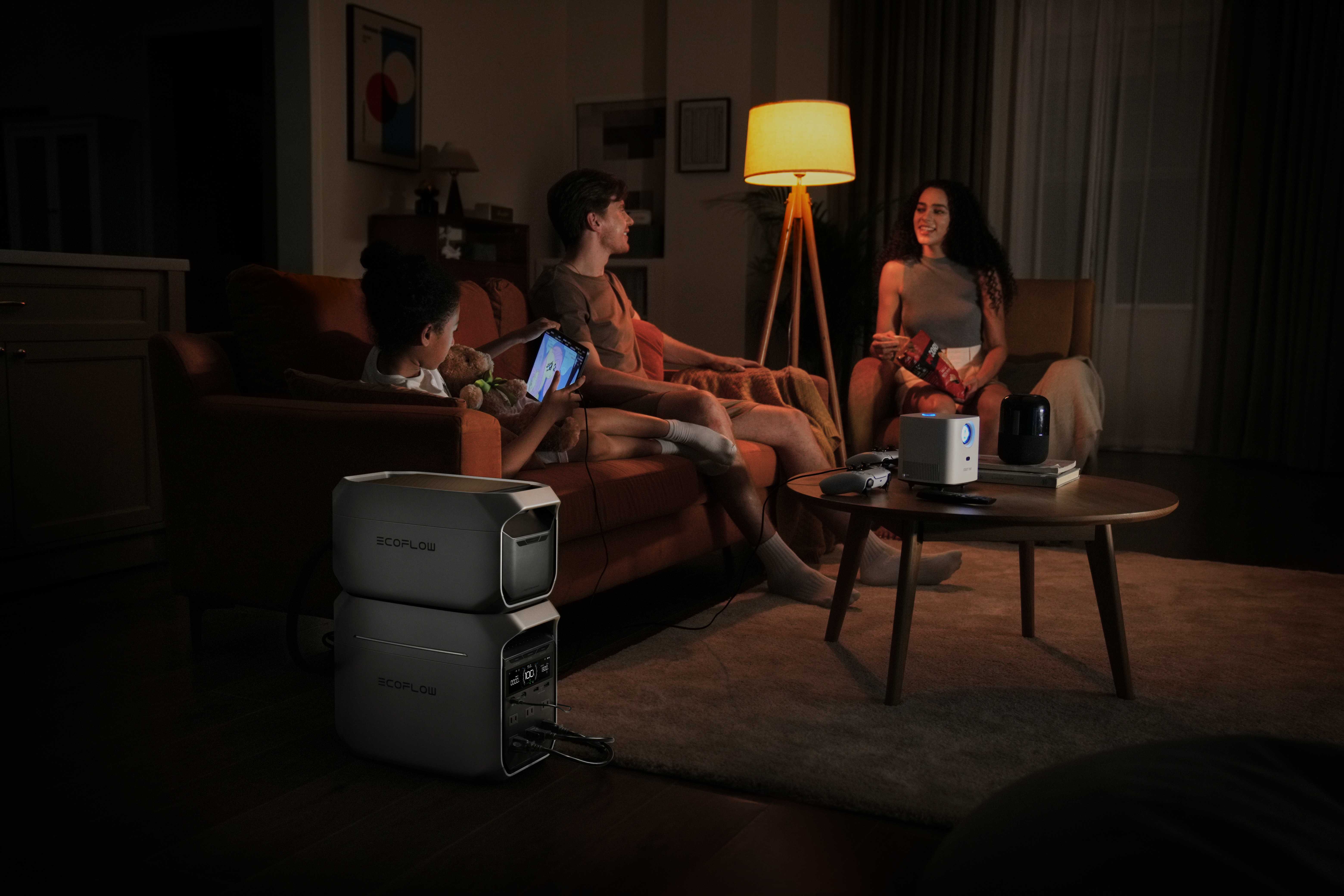
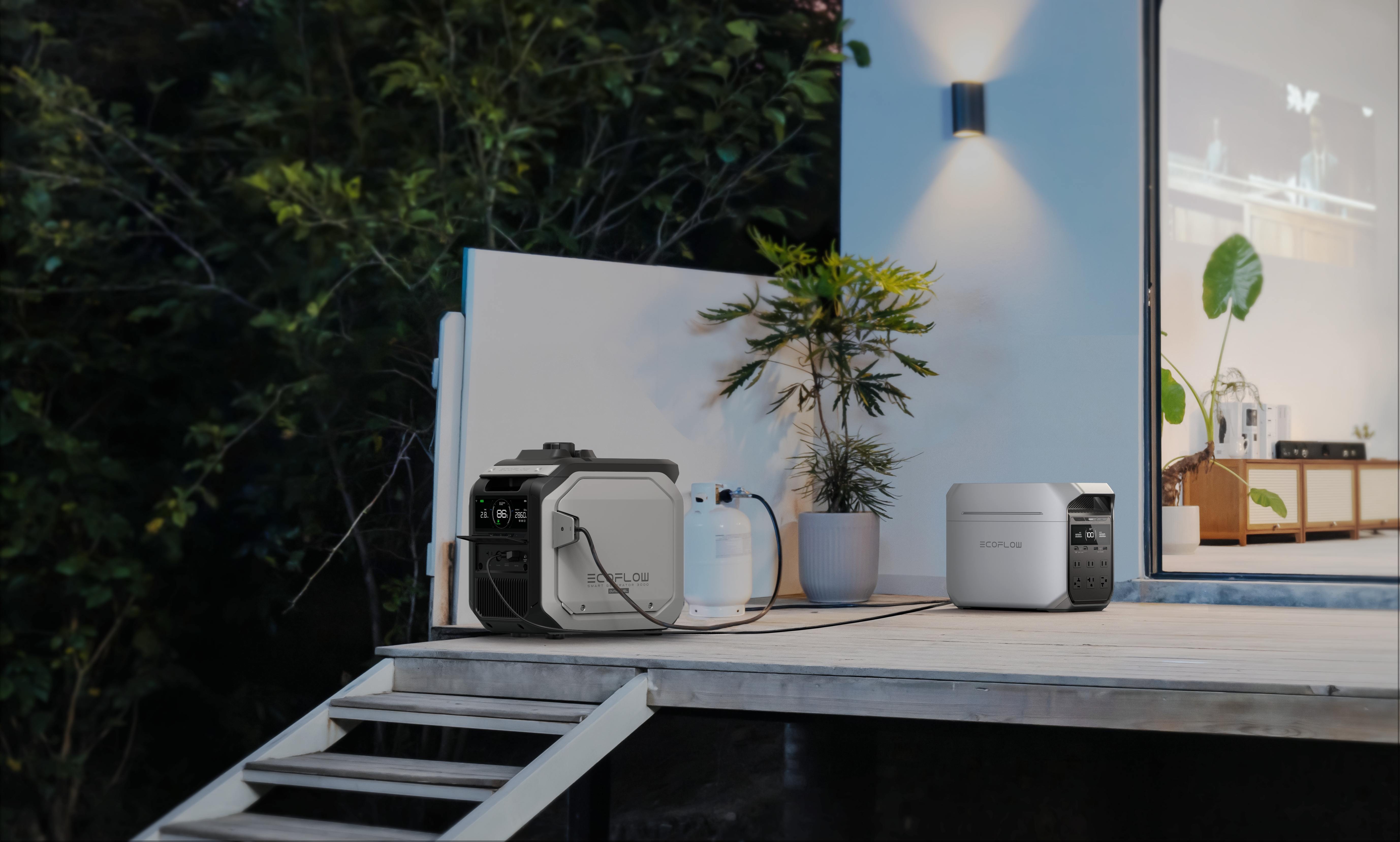
A reliable backup battery becomes especially valuable in these situations. A portable unit like the EcoFlow DELTA 3 Plus provides 1024Wh of capacity, enough to keep phones, a Wi-Fi router, and essential lights running through a short winter outage. Its 1800W continuous output means it can handle more than just charging cables, while ultra-fast AC charging allows it to reach 100 percent in about 56 minutes if you see bad weather in the forecast. For sudden outages, the built-in UPS function switches power in under 10 milliseconds, helping critical devices stay online without interruption. Quiet operation at around 30 dB under light loads also makes it suitable for indoor use when temperatures drop, and power stability matters most.
Prepare for Snow Squalls
Snow squalls are winter's hidden traps. They combine the violence of a storm with the element of surprise. Understanding the short duration and intense nature helps drivers make better choices. Heeding the snow squall warning, slowing down, and carrying emergency supplies prevents tragedy. Respect the whiteout. Wait it out.
For press requests or interview opportunities, reach out to our media team
media.na@ecoflow.com