Winter Garden Planning: Seed Starting with EcoFlow RIVER 3
Brussels sprouts, carrots, and kale are hallmark winter crops. But did you know that winter garden planning should start as early as July? Winter gardening success hinges on everything from timing and seed starts to retaining warmth. Learn the basics of winter gardening, tips for planning your timeline, hacks for powering up your garden in even the coldest winters, and how the EcoFlow RIVER 3 can help.
Winter Garden Planning Basics
Winter gardening planning comes down to getting ahead of the cold. Follow these basics to work with your environment in the winter:
Know your grow zone: Gardening in New Hampshire is very different from gardening in Texas. For example, northern growers face colder soil temperatures, shorter growing windows, and slower spring warm-ups. Check the USDA Plant Hardiness Zone Map to see which area you’re in.
Starting indoors is pretty much mandatory: If you’ve ever tried to grow winter squash in a short-season climate, it just won’t work. In many regions, it’s simply too cold (or too hot at the wrong time) to get a full harvest. Start seeds indoors and ensure they have enough space to thrive before transplanting.
Consider sunlight: Organize your garden so it receives at least 10 hours of sunlight per day in winter.
Choose cold-tolerant crops: Winter is not the time for tomatoes or green beans. Instead, grow root vegetables, leafy greens, and cruciferous vegetables. Carrots, chard, broccoli, and radishes are some cold-weather-loving options.
Get seeds for your climate: Not all seeds are created equal. Look for varieties specifically bred for your growing zone or labeled as cold-hardy.
Prepare your soil: Before planting seeds, amend your soil with compost and fertilize it based on what you’re planting. Soil testing kits can identify nutrient deficiencies and eliminate the guesswork.
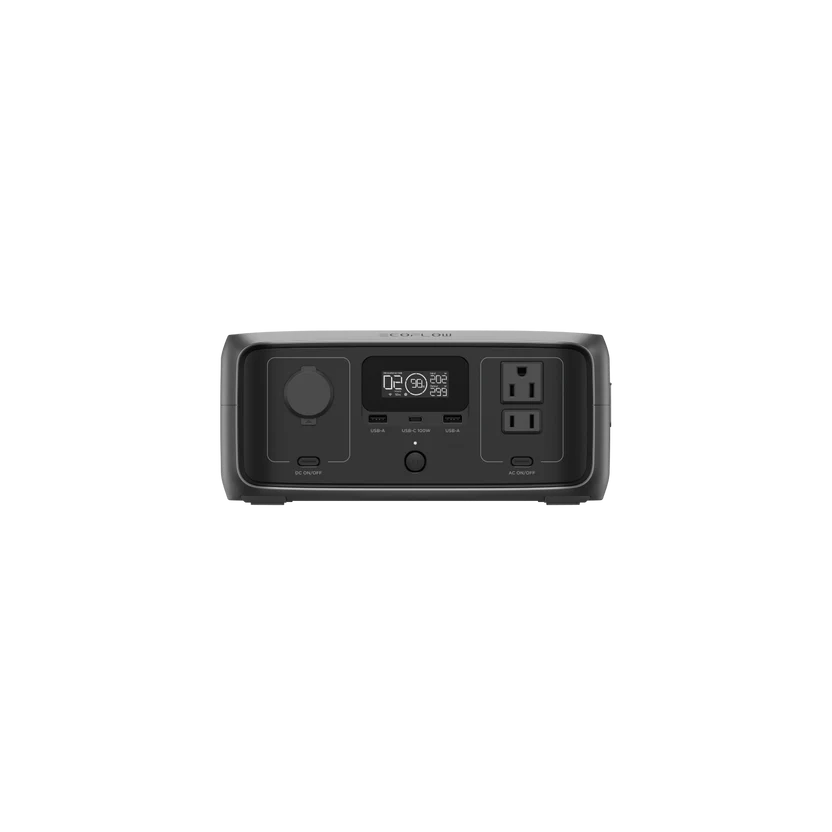
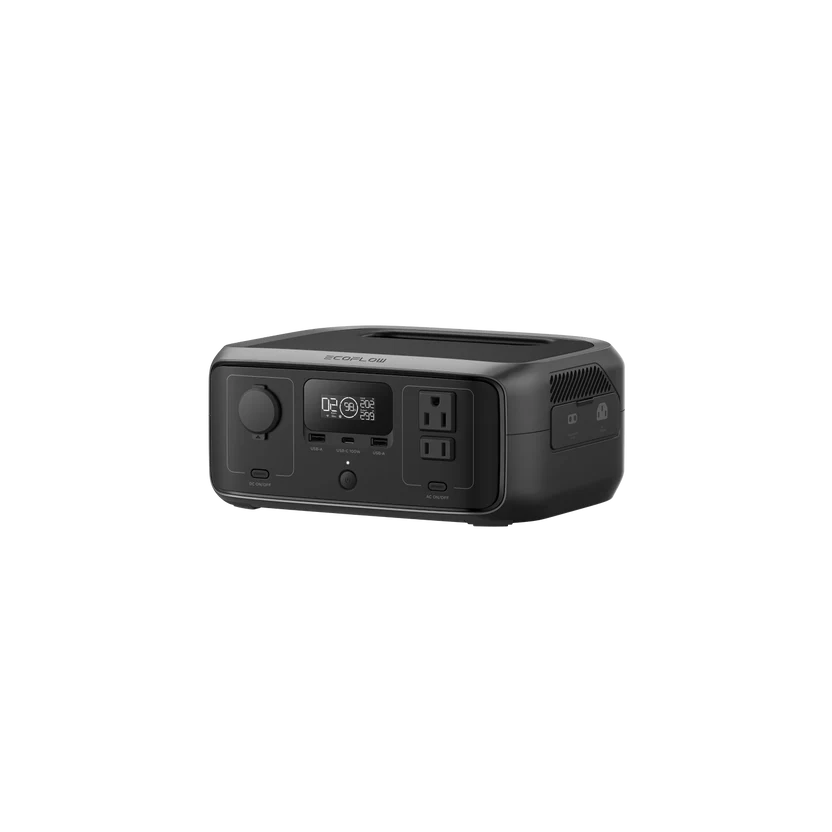
Create backups: If you’re starting seeds indoors, don’t let winter storms derail your progress. Consider whole-home energy backups or a portable power station like the EcoFlow RIVER 3 to power grow lights, aquaponics systems, and other indoor gardening essentials.
Seed Starting and Early Growth: Indoor to Outdoor
Winter gardening is less about braving the cold and more about working with it. The best thing you can do is start seeds indoors and move the plants outside at the right time.
You need to plant winter crops surprisingly early. In most climates, you’ll want to start seeds 6–8 weeks before your first frost date. You can determine your exact timeline by:
Googling your area's average first frost date.
Counting backwards six to eight weeks.
Starting seeds on that designated date.
Indoor Temperature Range for Seedlings
On your planting date, sow seeds in a quality seed-starting kit with a sterile, lightweight potting mix. Keep seedlings:
In front of a sunny south-facing window
Under grow lights positioned a few inches above the plants
Lit for 12–16 hours per day
Most cool-weather crops germinate best between 65–75°F (18-24°C). After sprouting, they can tolerate slightly cooler temps (around 60–70°F, or 15-21°C).
If you plan on creating an indoor herb garden for the winter, you can keep the plants inside. But if you want to continue growing them outside, you need to prepare them for the weather.
Hardening Off and Acclimation
You need to acclimate seedlings to outdoor conditions before planting. They’re used to cozy indoor temperatures and need exposure to the cold to harden off.
That means gradually exposing them to outdoor conditions over 7–10 days. For the first two days, place them outside in the shade for an hour. From there, gradually increase their sun exposure and time outdoors. They’re still fragile, though, so protect your seedlings from strong winds and freezing temperatures.
Timing Windows
Successful winter gardens usually include crops that mature in 90 days or less. Fast-maturing varieties give you a realistic shot at harvest before hard freezes hit.
However, you can extend the season with greenhouses, hoop houses, and cold frames. Reliable power can help maintain airflow, regulate temperature, or run a small irrigation pump in your winter-proof setup. EcoFlow’s portable solar generators keep garden equipment running, no matter what Mother Nature throws at you. Flexible solar solutions allow you to maintain the right conditions without running long extension cords or relying entirely on grid access.
Planning Timeline and Microclimate Design
If you’re planting your winter garden in November, you’re behind the curve. Follow these tips to plan the perfect winter garden.
July as the Planning Start
If you’re gardening in Zones 3–7, July is when winter garden planning truly kicks off. Since many cool-season vegetables grow more slowly as daylight decreases, getting them established early is critical.
By mid-to-late July, you should:
Identify fall and winter crop varieties
Order cold-hardy seeds
Test and amend soil
Map out planting dates (working backward from your average first frost date)
Plan protective structures like hoop houses or cold frames
Waiting until September is often too late in northern climates. Growth slows dramatically once daylight dips below 10 hours.
Layering: Increasing Growing Zone
Instead of planting your seeds in potting soil, create layers to trap heat. For example:
Mulch traps soil warmth.
Row covers create a few degrees of protection.
Cold frames amplify the sun's heat during the day.
Hoop houses or greenhouses add significant thermal buffering.
Combined, these layers can effectively bump your growing conditions up one or even two USDA zones.
Microclimate Assembly: South-Facing Exposures
Microclimates are areas on your property that are naturally warmer, like areas next to fences or to the south of your home. If you notice the areas where snow melts first, these are likely your home’s microclimates.
Because these sunny areas naturally generate solar potential, they’re ideal for pairing with renewable power setups. Consider installing a solar generator for your garden to run everything from small water pumps to nighttime lights.
Powering Your Winter Garden: Tips and Tools
Winter gardening is part biology, part logistics. The right crops matter, but so do the tools and systems that keep them alive when conditions aren’t ideal. Try these tips and tools to improve your winter setup:
Install reliable, portable power: If you’re running heat mats, fans for airflow, or supplemental lighting in a greenhouse or shed, having dependable backup power can protect your crops from temperature dips. The compact EcoFlow RIVER 3 makes it easier to maintain consistent microclimates, even if you’re off-grid.
Create a space plan: Crowded plants are a recipe for reduced production and more pest problems. Create a space plan that not only accounts for the space plants need to grow but also for add-ons such as lighting, pumps, or power tools.
Water your plants: Winter soil can dry out fast, especially if you’re using a covered structure. Small drip systems or compact pumps help maintain consistent moisture levels, and portable generators ensure these systems continue to run during power outages.
Frequently Asked Questions
What Month Do You Plant a Winter Garden?
It depends on where you live. If you’re in USDA Plant Hardiness Zones 3–7, you’ll likely need to plant seeds and start them indoors in July. The rule of thumb is to start seeds 6–8 weeks before your first frost date. Once you know that, count backwards 6–8 weeks for a rough planting timeline.
What Is the 70/30 Rule in Gardening?
The 70/30 rule means you should grow 70% reliable crops and 30% experimental crops. This way, you can grow crops you know perform well, but still have the freedom to be creative and try something new. That might mean trying a new heirloom variety or a crop you haven’t grown before.
What Are the Best Seeds To Plant in Winter?
Winter-friendly seeds are typically cold-tolerant and mature in 90 days or less. The best options are root vegetables (carrots, parsnips, and radishes), leafy greens (spinach, chard, and some lettuces), and cruciferous vegetables (broccoli, cabbage, and cauliflower).
Start Winter Gardening with EcoFlow RIVER 3
The difference between a struggling winter garden and a thriving one often comes down to planning and infrastructure. Seedlings need warmth. Greenhouses need ventilation. Irrigation systems need dependable power. When those systems run smoothly, your crops will thrive in frigid temperatures.
Flexible, portable power makes it much easier to manage a winter garden. The EcoFlow RIVER 3 Series powers small fans, heat mats, water pumps, and greenhouse lighting, giving you greater control over your microclimate. Check out the EcoFlow RIVER 3 Series now to make winter your most productive gardening season.
For press requests or interview opportunities, reach out to our media team
media.na@ecoflow.com