Why "Black Ice" Is Nearly Invisible
Driving in the winter can be hard because of things like deep snow and fog. But invisible dangers are worse than visible ones - a thin layer of ice on the road is more dangerous than the snowbank you can see. Because it comes out of nowhere, black ice causes thousands of crashes every year. The first thing you need to do to stay safe this season is figure out why it hides so well.
What is Black Ice?
The term "black ice" is misleading. It's not really black; it's a very thin layer of ice that looks like glass. You can see right through it to the black concrete road below because it is so clear.
It usually forms when the temperature of the road is below freezing, often after rain or melting snow, even if the air temperature is slightly warmer. Light rain or melted snow can drop on the cold road and freeze right away, or fog can settle and freeze. It's not like snow or slush that builds up; black ice covers the road in a single, smooth sheet.
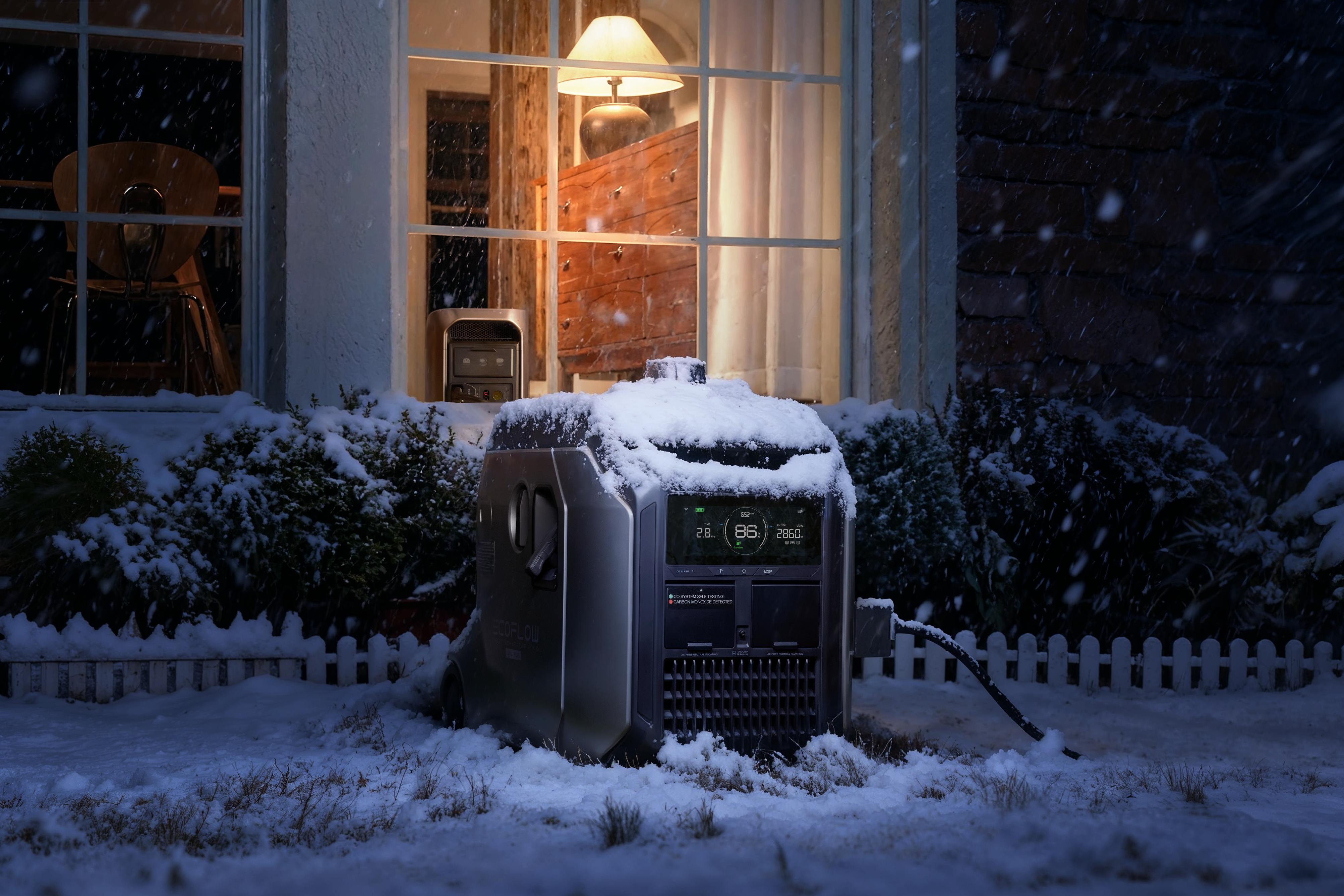
Why is Black Ice So Hard to See?
It's Thin and Clear
Ordinary ice is cloudy or white because as it freezes, it traps tiny air bubbles and dirt. The ice is easy to see because these bubbles scatter light. There's something different about black ice. Because it forms from liquid water coating the road in a single, smooth sheet, it lacks the trapped air bubbles found in packed snow. This makes a layer that is perfect and see-through, like a windowpane. You're really seeing through the ice to the road below, since it doesn't have any color of its own.
It Blends in With the Dark Pavement
Visibility depends on contrast. Most roads use dark asphalt. With the naked eye, you can't tell the difference between a clear sheet of ice and black asphalt because the ice reveals the dark color underneath. If this ice formed on a white concrete path, you might be able to tell because of the contrast. But when the road is dark, it almost disappears.
It Looks Like Water
This is the hardest visual illusion for drivers to understand. Black ice is very smooth, so it reflects light just like a drop of water does. When the sun is low in the sky, the smooth surface looks like a mirror. When you see the shine, your brain thinks it's just water, not solid ice.
At night, your headlights might shine right through the clear ice, or reflect off it just like a wet road. In either case, the glare looks like water, so you won't notice the danger until you lose control.
Regular Ice vs. Black Ice
The type of ice you see can help you figure out how slippery the road is.
Ice Type | Regular Ice/Packed Snow | Black Ice |
How it looks | White, gray, or cloudy | Transparent to the road |
Texture | Rough, bumpy, or crunchy | Perfectly smooth and clear as glass |
Air Bubbles | A lot of air bubbles are stuck inside | Very few air bubbles are inside |
Visibility | Easy to see against the road | Not easy to see; it mixes in |
Traction | Low grip, but tires might find some grip | Almost no grip; no control at all |
The biggest difference is how clear it is. When you see a piece of white, hard ice coming, you should slow down. But black ice doesn't show you anything. If you don't see it and keep going, you'll lose control as soon as you hit it.
How Dangerous Black Ice Is
Many people think that black ice is even more dangerous than snowstorms when it comes to winter driving. The surprise is what makes it dangerous.
Danger to Drivers
You can feel and hear the crunch of your wheels when you drive on snow, so you know to be careful. You could be going 70 miles per hour on what looks like a dry road when there is black ice. Once you hit the ice, it's too late to avoid losing control.
If you press the brakes or turn the wheel on black ice, your car will continue sliding in its original direction. Because drivers are going full speed when they lose control, cars crash into each other and slide off the road.
Danger to Pedestrians
Pedestrians are also at significant risk. People can fall right away when they get out of their cars in a parking lot or when they walk down a path. You can't see the danger, so you walk normally, and the ice causes you to fall hard and get hurt badly.
How to Tell If It's Black Ice
Visual checks don't always work, so use these natural signs instead:
Lack of Tire Spray: Pay attention to the car in front of you. There is frozen water on the road if it looks wet but their tires aren't spraying water.
Sudden Quiet: Roll down your window slightly. The sound of tires moving on wet roads is very loud. Black ice is very quiet. It's likely that you are on ice if the road noise stops right away.
"Floating" Steering: Your tires have lost their grip on the road if the steering feels loose, light, or too easy to turn.
Check the Thermometer Regularly: Be very careful if the temperature gauge on your dashboard reads 37°F (3°C) or less. Most of the time, the road is colder than the air, so any spot that seems "wet" is probably ice.
Time of Day: Be extra careful early in the morning and late at night. These are the times when black ice is most likely to surprise drivers - when the road stays cold longer.
How to Keep Yourself Safe on Ice
What you do when you hit a patch of black ice is very important.
If You're a Driver:
Don't Slam the Brakes: When you brake, your wheels lock up, which makes you slide even more.
Lift Off the Gas: Take your foot off the gas pedal right away to let the car slow down on its own.
Keep the Wheel Steady: If you think the car is moving side to side, try to keep the wheel straight. If the back of the car moves to the left, turn the wheel slowly to the left into the slide. If you turn too sharply, you'll spin out of control.
No Cruise Control: In the winter, never use cruise control. If your car loses its grip, the system might think its speed is going down and try to speed up, which can make it spin.
If You Are Going to Walk:
Walk Like a Penguin: Put your weight on your front leg. Move in short, flat steps. Don't put your hands in your pockets so you can help keep your balance.
Test the Ground: Before taking any step, tap the ground with your toe before you put your full weight down.
Black Ice Survival Kit
If you're not careful, black ice can make your car skid off the road. When the weather is bad, it could take hours for help to get there. While you wait, you need a kit to keep you safe.
What Should Be in Your Kit?
Traction Materials: A bag of sand or kitty litter to put under tires for grip.
Warmth: Wool blankets, heavy gloves, and hand warmers.
Lights: Road flares or a warning light that runs on batteries.
Backup Power: If your phone dies, you can't use GPS or call for help.
Staying Safe While You Wait
When you are stuck in freezing cold, your car engine might not restart, and cold weather kills phone batteries fast. You need a power source that works every time.
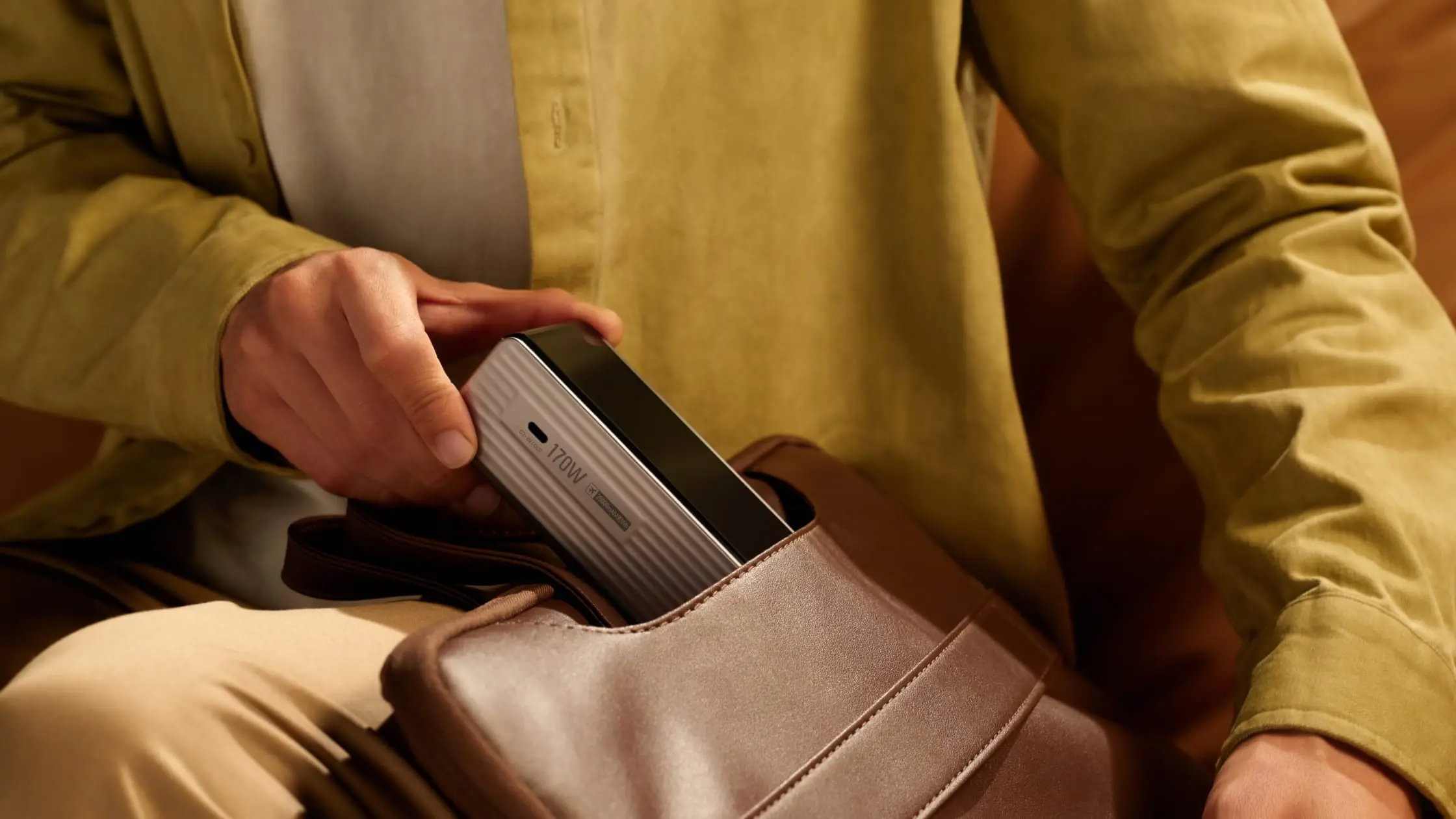
The EcoFlow RAPID Power Bank is a perfect addition to your winter kit. In a stressful emergency, you don't want to be digging through a dark glove box searching for a tangled charging cable. This power bank solves that problem with built-in retractable USB-C cables. It's as easy as pulling out the cable and plugging it into your phone.
It has a huge 25,000mAh capacity, which is enough to recharge a standard smartphone 4 to 5 times. This keeps you connected to family and rescue services for days if you have to wait. You don't have to guess how much power is left because the smart screen tells you. It's small enough to fit in a cup holder but strong enough to keep you safe and connected when it matters most.
Stay Safe on Black Ice
Black ice is a serious winter hazard because it uses the road's own appearance to hide in plain sight. You can see the danger before you hit the brakes if you know why it's invisible and what the signs are. Don't forget to keep an emergency kit with basic supplies and power sources that you can count on, like EcoFlow devices. Drive slow, stay alert, and respect the ice you can't see.
FAQ
Q1: Does Power Usually Go Out During Black Ice and Ice Storms?
They do cause a lot of blackouts in the winter. On the ground, black ice is dangerous, but rain that freezes builds up on tree branches and power wires. This heavy ice buildup can damage power lines or knock down trees that fall on power lines. The roads are usually so bad after these storms that utility crews can't get to the damaged areas fast. You could be stuck at home for days without heat or power.
Q2: When It's Cold, Why Do Phone Batteries Die So Quickly?
Chemical reactions in lithium-ion batteries generate power. When it's very cold outside, these reactions slow down, and the internal resistance goes up. The power drops, which makes your phone think the battery is dead and turn off to protect itself. For safety reasons, keep your phone in a pocket inside your shirt, close to your body heat, and plug it into a power bank that is also kept warm.
Q3: What Kinds of Power Essentials Do You Need for a Winter Survival Kit?
Keep your smartphone charged so you can call 911. You should also focus on getting things that keep you warm and let you see. Rechargeable LED road lights are safer and last longer. If you can't start your car, hand warmers that are charged by USB or a heated vest can keep you from getting too cold. A big power bank with lots of ports is the "heart" of this kit. While you wait for help, it keeps all of these life-saving tools running.
Q4: Can I Charge My Electronics as Soon as I Bring Them Inside from the Cold?
Wait before charging. It is dangerous to charge a lithium-ion battery when it is frozen because the cells could break permanently. Short circuits can also happen. Cold items can develop condensation when they come into a room that is warm. Allow your phone, tablet, or power bank to slowly warm up to room temperature for at least 30 minutes before plugging it in.
Q5: What Should I Do to Get My House Ready for a Winter Blackout?
Make sure to keep the heat in and have a backup power source. Make a warm zone in a small room inside your house and seal air leaks. Stock up on non-perishable food. The most important thing is to have a power source that doesn't depend on anything else. CPAP machines, emergency lights, and communication systems can all be powered by a good portable power station. Make sure your backup power units are fully charged and ready to go before the storm. Do not wait until the power goes out.
For press requests or interview opportunities, reach out to our media team
media.na@ecoflow.com