Living in a Motorhome Full Time: Complete Guide to RV Life, Costs, and Mobile Living
Americans are increasingly trading traditional brick-and-mortar homes for a flexible travel lifestyle. This comprehensive guide explores full-time motorhome living across the United States. We will show why this lifestyle is booming and evaluate the pros and cons. We also identify the real monthly expenses and hidden costs, plus help you choose the ideal rig. You will also get some practical operational tips such as how to maintain reliable off-grid power for year-round climate control to enjoy an easy transition to a mobile life.
Why More Americans Are Choosing Mobile Living
Rising housing costs, greater workplace flexibility, and a growing interest in travel have made full-time motorhome living more appealing than ever. Mobile RV living was once associated mainly with retirees, but now is attracting remote workers, families, and digital nomads looking for a more flexible lifestyle.
Freedom to Travel and Explore
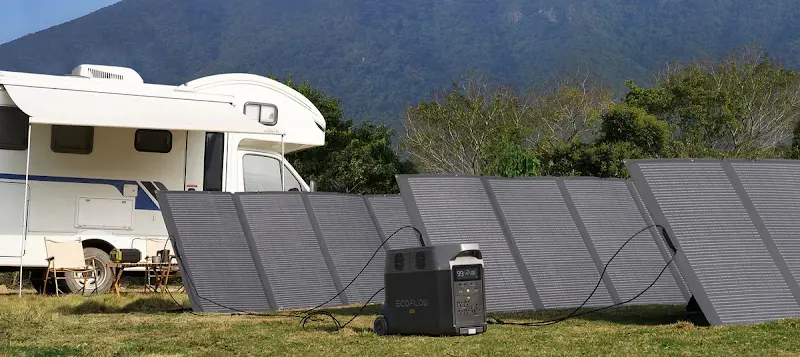
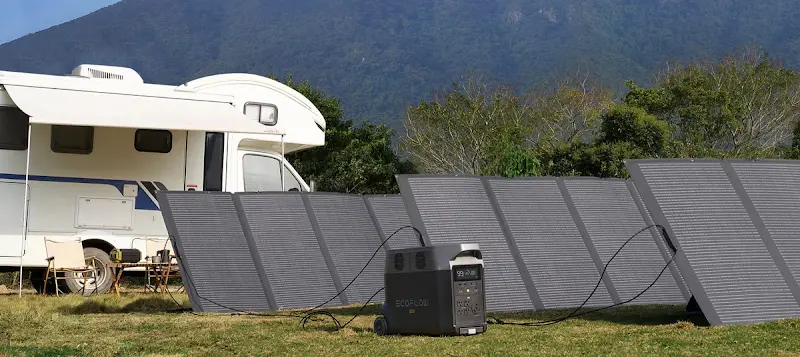
Living in a motorhome allows you to travel on your own schedule without always having to book hotels or flights. Whether you prefer national parks, coastal highways, or small towns, you can explore new places while bringing many of the comforts of home with you. For longer stays away from hookups, a quiet solar generator can help provide extra power for everyday essentials.
Lower Housing Costs and Greater Flexibility
When comparing RV living costs vs. owning a house, full-time RV living can significantly reduce your overall expenses. You won’t have to pay property taxes or home maintenance, and some utility costs are lower. Travel expenses do vary, but many people appreciate the flexibility to adjust their budget and prioritize experiences over long-term housing commitments.
Remote Work Makes RV Living Easier
Remote work opportunities are more common now, so many professionals are able to work from the road. Today’s reliable mobile internet has also made it possible for full-time RVers to stay connected while enjoying the freedom to travel between destinations.
Is Living in a Motorhome Right for You?
Living full time in a motorhome offers flexibility and adventure, but it’s not the right fit for everyone. In order to consider it, you need to understand both the benefits and the everyday challenges. This will help you decide whether this lifestyle matches your needs and expectations.
Benefits of Full-Time Motorhome Living
The primary benefit of full-time RV living is the control it gives you over your daily schedule and geographic location. You can live a simpler, more intentional life with less clutter. You’ll probably spend significantly more time outdoors and you’ll find the RV community is known for being welcoming. Everywhere there are networks of fellow travelers who gather at campgrounds, share helpful road tips, and form lasting bonds over campfires.
Challenges of Living in a Motorhome Full Time
On the flip side, unlimited hot water supply, a massive kitchen, and routine trash pickup are not available. You will be making new routines like regularly emptying the black and gray water tanks, maneuvering into tight parking spaces, and dealing with unexpected mechanical maintenance. Living in a smaller “home” can also feel restrictive during long periods of rainy weather or when sharing the rig with a partner for long periods.
Who Is Best Suited for Motorhome Living?
This lifestyle is well suited for adaptable, resourceful people who can deal with problem-solving, and value experiences over material possessions. If you appreciate flexibility, enjoy outdoor recreation, and can manage with a few surprises when plans change, this lifestyle may be a good match. If this feels right for you, you can enjoy a fulfilling life on the road.
How Much Does It Cost to Live in a Motorhome Full Time?
The cost of living in a motorhome varies widely. Travel frequency, campground fees, fuel costs, and everyday spending all affect your monthly budget. Depending on your lifestyle, your actual expenses may be higher or lower than average.
Average Monthly Costs of Full-Time RV Living
On average, the cost of full-time RV living ranges from $2,000 to $5,000 per month. However, actual expenses can vary significantly depending on travel style, location, and how often you move. Your primary ongoing expenses will include fuel, campground registration or membership fees and food. Plus, you’ll need specialized RV insurance, and routine RV maintenance. Fast-paced travelers who move across states every week will naturally face much higher fuel bills, but this is controllable.
RV Living vs. Renting or Owning a Home
Compared to a traditional stationary lifestyle, RV living eliminates some traditional housing expenses, such as property taxes and large household utility bills, but replaces them with costs like campground fees, RV insurance, fuel, and maintenance. However, instead of building equity in a purchased home, a motorhome depreciates over time. The primary financial benefit for RVs is the immediate reduction in monthly fixed overhead. This allows you to reallocate funds directly into savings or investment accounts.
Hidden Costs New RV Owners Should Expect
People new to RVs are often caught off guard by the secondary expenses that come with mobile living. Emergency roadside assistance memberships, unexpected tire replacements, registration renewals, and mailbox forwarding services all add up. Additionally, if you don’t plan your electrical power supply correctly, you may end up paying more for commercial RV parks with hookups. For travelers who frequently stay off-grid, a portable power station can help reduce reliance on paid campground electricity and provide more flexibility when choosing where to stay.
How to Choose the Best Motorhome for Full-Time Living
To select the right RV for your situation is a balance between physical size, drivability, and interior layout. The market offers several distinct categories, each designed for different travel styles and comfort preferences.
Different Types of Motorhomes for Full-Time RV Life
Choosing the right motorhome is one of the biggest decisions you’ll make as a full-time RVer. Each RV class offers different advantages in terms of living space, driving experience, and travel style. Here’s a quick comparison to help you find the best fit.
| Motorhome Type | Best For | Advantages | Things to Consider |
|---|---|---|---|
| Class A | Couples, retirees, and long-term travelers | Spacious interior, residential-style amenities, large storage capacity, ideal for extended stays | Higher purchase price, lower fuel efficiency, and size restrictions in some campgrounds and national parks |
| Class B (Camper Van) | Solo travelers and digital nomads | Easy to drive and park, generally better fuel efficiency than larger motorhomes, ideal for city travel and short off-grid trips | Limited living space, smaller tanks and storage, less suitable for families |
| Class C | Small families and first-time RV owners | Good balance of space and maneuverability, separate sleeping areas, easier to drive than Class A | Less living space than Class A and lower storage capacity |
After deciding which RV class best matches your travel style, the next step is choosing the features that will make full-time living comfortable and practical.
New vs. Used Motorhomes: Which One Should You Choose?
Buying a brand-new motorhome gives you the peace of mind of a manufacturer’s warranty and clean, untouched finishes, but this all comes at a higher cost. It’s similar to buying a new or used car. Opting for a well-maintained, 2-to-5-year-old used RV allows the previous owner to absorb that initial financial hit. However, you must do a thorough pre-purchase inspection to make sure no hidden water damage or mechanical flaws.
How to Successfully Live in a Motorhome Full Time
A comfortable RV lifestyle starts with having the right setup for you. You need to plan ahead for power, internet, storage, and other daily essentials to make life on the road easier and more enjoyable.
Preparing Your Motorhome for Everyday Living
Before hitting the road, you need to carefully select your essential belongings and secure every loose item. Heavy-duty storage bins are great to use with non-slip cabinet liners. It’s a good idea to set up a routine for securing your interior space before moving on. Items can easily shift on counters or shelves during transit if not fixed in place.
Managing Power, Internet, and Utilities on the Road
Managing electricity is one of the biggest challenges of full-time RV living, especially when camping away from traditional hookups. A reliable power system allows you to keep appliances running, charge devices, and work remotely wherever you travel.
For RVers who frequently stay off-grid, the EcoFlow DELTA Pro Portable Power Station offers a flexible power solution. It has expandable battery capacity, high AC output, and solar charging compatibility. This makes it suitable for powering everyday essentials like refrigerators and laptops to small kitchen appliances. These systems can help reduce reliance on fuel-powered generators for many everyday power needs.
Staying Connected on the Road
Maintaining a reliable internet connection is mandatory these days for living on the road. Most full-time travelers build a redundant system combining satellite internet (like Starlink) with a multi-carrier cellular hotspot setup (using Verizon, AT&T, or T-Mobile). This layered approach maintains internet access whether you are parked deep in a desert canyon or near a metropolitan area. This setup means you can always stream video calls and do your work online.
Finding Places to Stay While Living in a Motorhome
Across America there is an incredible variety of overnight accommodations. You can use apps like Campendium and iOverlander to find free camping on public land, or reserve classic spaces via the National Park Service. There are also many memberships available like Harvest Hosts that offer unique stays at vineyards and farms. For long-term stays, commercial RV resorts offer full utility hookups, laundry facilities, and swimming pools.
Maintaining Comfort Throughout the Year
Living in a motorhome means you still deal with changing weather throughout the year. Depending on where you travel, you may have hot summers in the Southwest or freezing winters in northern states. Built-in RV air conditioners work well at campgrounds, but they usually need shore power so they aren’t always the best option for off-grid travel.
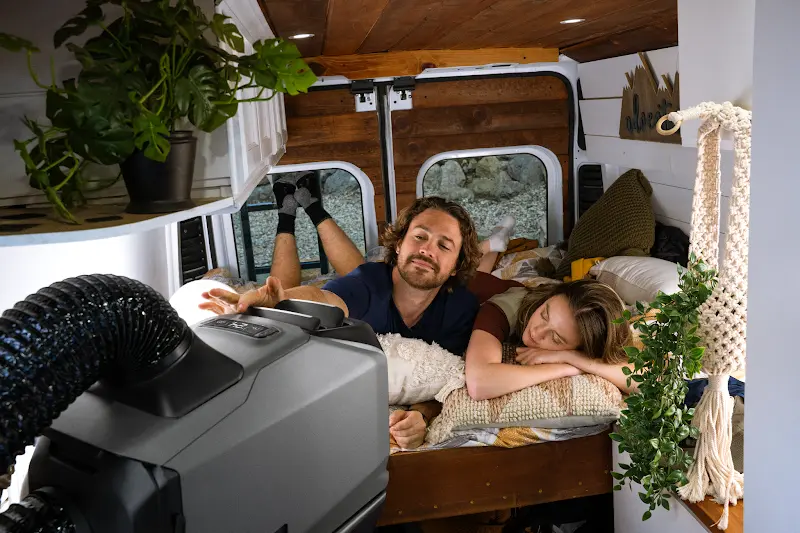
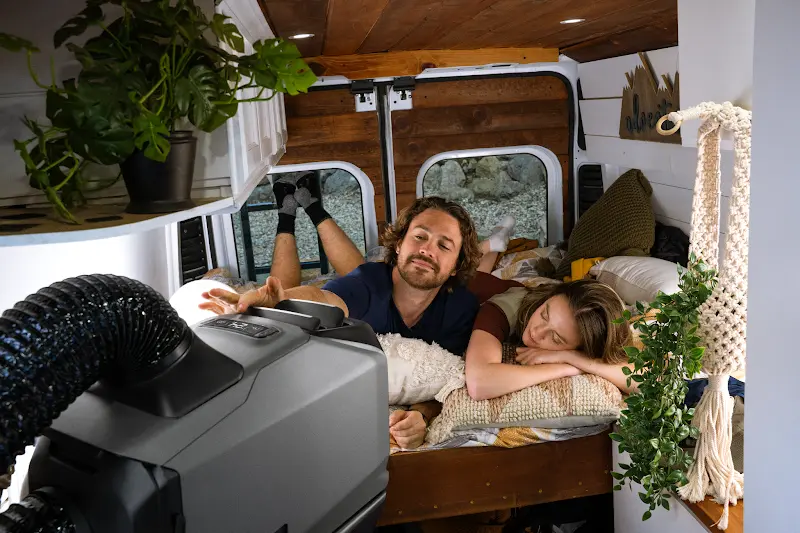
The EcoFlow WAVE 3 Portable Air Conditioner with Heater offers a practical way to stay comfortable wherever you camp. Its compact, portable design makes it easy to cool or heat different areas of your RV without a permanent installation. When it’s combined with a portable power station, it can also give you reliable climate control when off-grid. This gives RV travelers more flexibility when additional cooling or heating is needed, especially during off-grid stays or overnight camping.
Conclusion
Living in a motorhome full time can be a unique lifestyle opportunity centered around adventure, minimalism, and true personal freedom. It requires some adjustment to traditional home life, and there will inevitably be some unexpected turns along the road. But the rewards of a self-determined journey are unmatched. When your RV is equipped with smart, modern off-grid gear, the entire country can truly become your home.
FAQ
Can You Permanently Live in a Motorhome?
Yes, you can live full-time in a motorhome across the United States, but the practical requirements depend on where you stay and how long you remain in one location. Many full-time RVers establish a legal domicile in RV-friendly states such as South Dakota, Texas, or Florida, often using mail-forwarding services to manage important documents, vehicle registration, and residency requirements while traveling.
Is Living in an RV Cheaper Than Owning a Home?
Generally, living in an RV is generally cheaper than owning a traditional home, though your final expenses depend entirely on your personal lifestyle choices. While you completely eliminate traditional costs like expensive property taxes and heavy home mortgages, your overall savings will be determined by how quickly you travel, your fuel consumption, and whether you prefer free off-grid boondocking over premium commercial luxury RV resorts.
How Much Money Do You Need to Live in a Motorhome Full Time?
Most full-time RVers need between $2,000 and $5,000 per month to live comfortably on the road. This estimated monthly budget easily covers routine operational costs such as fuel, campsite registration fees, groceries, health insurance, rig maintenance, and specialized comprehensive RV insurance coverage.
What Is the Best Motorhome for Full-Time Living?
The ideal motorhome for full-time living depends on your specific travel style, space needs, and daily budget. Class A motorhomes are highly popular for large families and stationary travelers who prioritize maximum interior space and luxury, while nimble Class B camper vans excel for solo digital nomads who value absolute mobility, and Class C rigs offer a fantastic middle ground for flexible all-around travel.
Can You Live in a Motorhome During Winter?
Yes, you can comfortably live in a motorhome during the winter months if your rig is properly prepared for freezing weather. To protect your setup and stay warm, you should look for a motorhome with a dedicated four-season insulation package, utilize heated water hoses to prevent freezing, and deploy efficient portable heating solutions like the EcoFlow WAVE 3 to keep your interior living spaces warm and cozy without burning through your propane tanks.
How do full-time RVers get internet?
Full-time RVers primarily get reliable internet by combining satellite services with mobile cellular hotspots. Utilizing a high-performance satellite system like Starlink Roam ensures great coverage in remote wilderness areas, while backing it up with a multi-carrier cellular hotspot (such as Verizon and AT&T) guarantees a fast, seamless connection for remote work when traveling through major metropolitan corridors.
For press requests or interview opportunities, reach out to our media team
media.na@ecoflow.com