Route 66 Vs. Pacific Coast Highway Which Road Trip Fits Your Travel Style
- Why These Two Famous Drives Feel So Different
- Route 66 Fits Travelers Who Want Distance and Character
- Pacific Coast Highway Fits Travelers Who Want Scenery and Ease
- Quick Match Table for Different Travel Styles
- What Daily Travel Feels Like on Each Route
- Practical Differences That Can Change Your Decision
- How to Plan the Right Itinerary Without Overdoing It
- Best Route Based on the Time You Actually Have
- Which Route Leaves the Better Memory
- Pick the Route That Fits Your Real Travel Habits
- FAQs
A route 66 road trip usually suits travelers who want history, roadside character, and a true cross-country feel. A pacific coast highway road trip often fits people who want ocean views, shorter scenic stretches, and a calmer pace. Both are memorable in different ways, so the better choice usually depends on your time, habits, and the kind of trip you actually enjoy most.
Why These Two Famous Drives Feel So Different
These routes are often grouped together because both are classic American drives. Still, the travel experience is not very similar.
Route 66 feels broad, old, and story-rich. The road calls up vintage signs, older towns, long desert stretches, and the feeling of moving across a large part of the country. Many travelers choose it because they want that classic American road trip route 66 mood, where the road itself feels like the main event.
The Pacific Coast Highway feels more visual from the start. The ocean is often the star. Cliffs, beaches, winding roads, and coastal towns shape the day. A pacific coast highway road trip often feels more polished and easier to fit into a shorter vacation.
That difference matters. One route leans toward history and distance. The other leans toward scenery and atmosphere.
Route 66 Fits Travelers Who Want Distance and Character
Once that basic contrast is clear, Route 66 becomes easier to place. It tends to work best for people who enjoy the feeling of covering ground while picking up local detail along the way.
Best for History and Roadside Culture
Route 66 carries a sense of travel history that is hard to copy. Old diners, classic motel signs, small museums, and roadside stops give the route its identity.
Some parts feel worn, and that is part of the appeal. The road often rewards people who like places with texture rather than a neat, polished travel surface. A lot of route 66 road trips are remembered because of small, odd, local stops that were never part of the original plan.
Best for a Long Multi-State Trip
A route 66 road trip often suits travelers who enjoy long travel days and changing landscapes. The route can move from city scenes to open plains, then into dry Southwest terrain. That shift creates a stronger sense of distance than many other U.S. drives.
People who want a true cross-country road trip often find Route 66 more satisfying. It feels larger in scale. It also gives you more time to settle into road life.
Best for Flexible Travelers
Route 66 usually works better when your schedule has room to breathe.
A tightly packed plan can make the trip feel rushed, because many of the highlights are small stops rather than major destinations. You may end up staying longer at a retro diner, a trading post, a mural stop, or a quiet old town that was not even on your list that morning.
Pacific Coast Highway Fits Travelers Who Want Scenery and Ease
If Route 66 feels open and historic, the coast feels immediate and cinematic. That shapes the whole trip.
Best for Ocean Views
A pacific coast highway road trip gives visual payoff almost right away. You do not always need to wait hours for a memorable moment. The road, the water, and the cliffs often do the work for you.
That is one reason this route is popular with first-time road trippers. It is easier to feel rewarded every day, even on a shorter plan.
Best for a Shorter Vacation
The Pacific Coast Highway is often easier to fit into real life. You do not need to drive the full coastline to enjoy it. Many travelers choose one section and still come away happy.
That makes a pacific coast highway road trip itinerary more flexible for a three-day, five-day, or one-week vacation. You can focus on one coastal region instead of trying to cover everything.
Best for a Slower Daily Rhythm
The coastal route often creates shorter driving segments with more scenic pauses. You may stop for beach walks, overlooks, small towns, seafood lunches, or sunset views.
That rhythm feels easier for many people. It can also work well for couples, families, or travelers who do not want every day to revolve around long hours in the car.
Quick Match Table for Different Travel Styles
Before you choose, this quick comparison can make the decision easier. It is simple, but it helps show which route lines up with your travel style.
| If You Want | Route 66 | Pacific Coast Highway |
| Classic roadside culture | Best fit | Less central |
| Ocean views most days | Limited | Best fit |
| A long cross-country feeling | Best fit | Less suitable |
| A shorter scenic trip | Possible | Best fit |
| Quirky local stops | Best fit | Somewhat |
| Easy photo stops | Moderate | Best fit |
| Flexible exploration | Best fit | Good fit |
| Simple planning | Moderate | Easier |
This table will not decide everything for you, but it shows the core tradeoff clearly. Route 66 usually wins on character and distance. The coast usually wins on scenery and convenience.
What Daily Travel Feels Like on Each Route
After the broad comparison, it helps to think about daily life on the road. This is often where the real choice becomes clear.
A Day on Route 66
A day on Route 66 may involve longer drives, older towns, and stretches where the mood matters as much as the scenery.
You might spend the morning passing through quiet inland landscapes, then stop at a vintage sign, an old gas station, or a family-run diner. The road can feel less dramatic in an instant-photo way, but more layered over time. The reward often builds slowly.
That is why route 66 road trips tend to appeal to travelers who enjoy the process of traveling, not only the headline stops.
A Day on the Pacific Coast Highway
A day on the coast often feels easier to picture. You drive, stop at a viewpoint, walk near the water, eat in a coastal town, and keep moving at a slower pace.
The route often gives more frequent visual highlights. That does not always mean it is less tiring, because winding roads and traffic can still wear you out, but the rhythm often feels more relaxed.
For many people, that makes the Pacific Coast Highway the easier choice to enjoy without much adjustment.
Practical Differences That Can Change Your Decision
Travel style matters, but practical details matter too. Sometimes they matter more.
| Factor | Route 66 | Pacific Coast Highway |
| Ideal trip length | 10 to 14 days or more | 3 to 7 days, sometimes longer |
| Main draw | History and roadside culture | Scenery and coastline |
| Driving rhythm | Longer stretches | More scenic stop-and-go |
| Easier for short vacations | Less ideal | Better fit |
| Best for iconic photos | Good | Excellent |
| Best for classic Americana | Excellent | Moderate |
This kind of snapshot is useful because it brings the choice back to time, comfort, and priorities. A route can sound romantic, but still be wrong for your schedule.
How to Plan the Right Itinerary Without Overdoing It
Once you know the overall feel of each road, itinerary planning becomes much easier.
Route 66 Needs Room for Detours
A route 66 road trip usually feels better when the plan stays a little loose.
You can choose key overnight stops, but it helps to leave space for random attractions and local breaks. Some of the best memories come from the kind of places you would never build an entire trip around. If you plan every hour too tightly, the route may lose part of its charm.
The Coast Benefits From a Tighter Structure
A pacific coast highway road trip itinerary often works best when you choose a region and build carefully around it.
This does not mean the trip should feel rigid. It simply means that timing matters more. Parking, traffic, weather, and viewpoint stops can affect the day. A cleaner plan often helps you enjoy the route with less stress.
How to Stay Powered on the Road
Small logistics can make a road trip much smoother. Power is one of them, especially if you rely on phones, cameras, drones, tablets, or a small cooler during long days out.
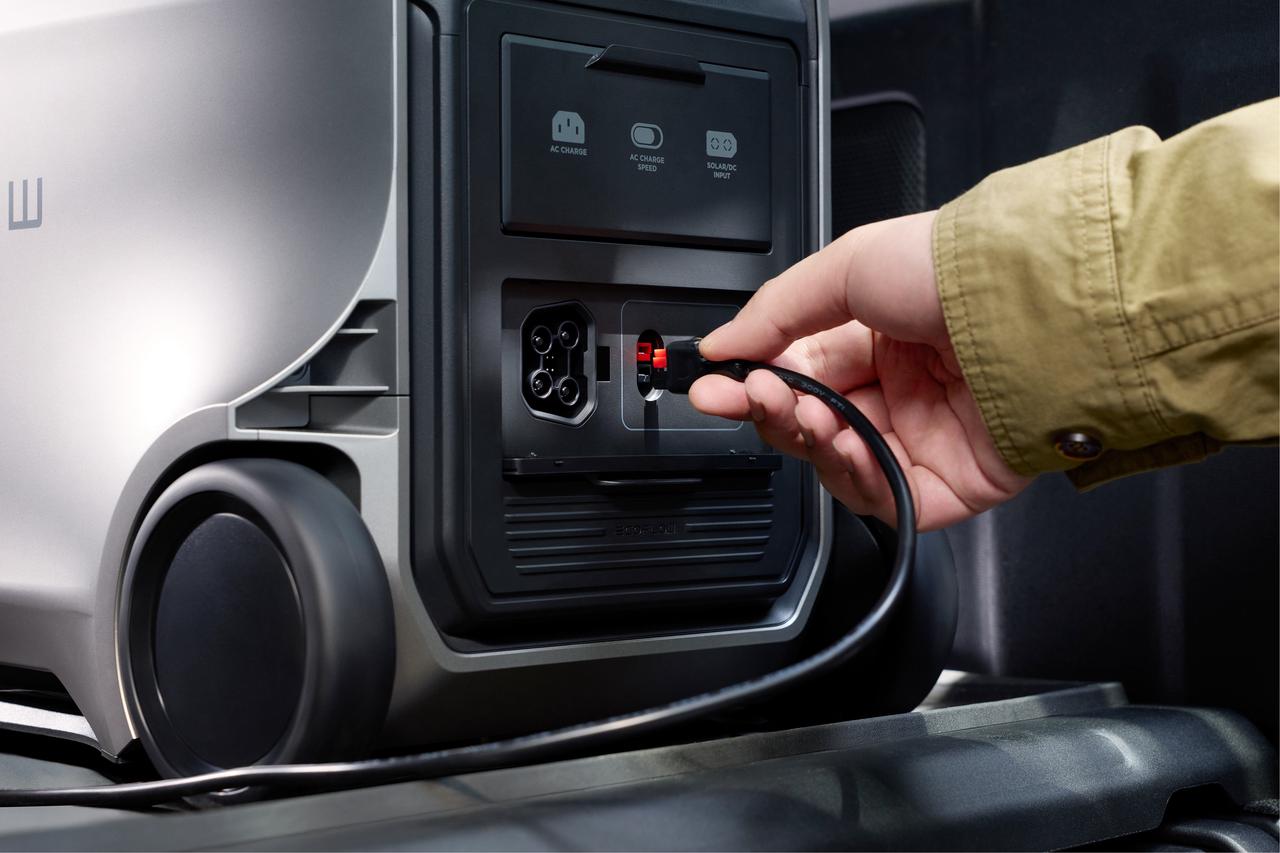
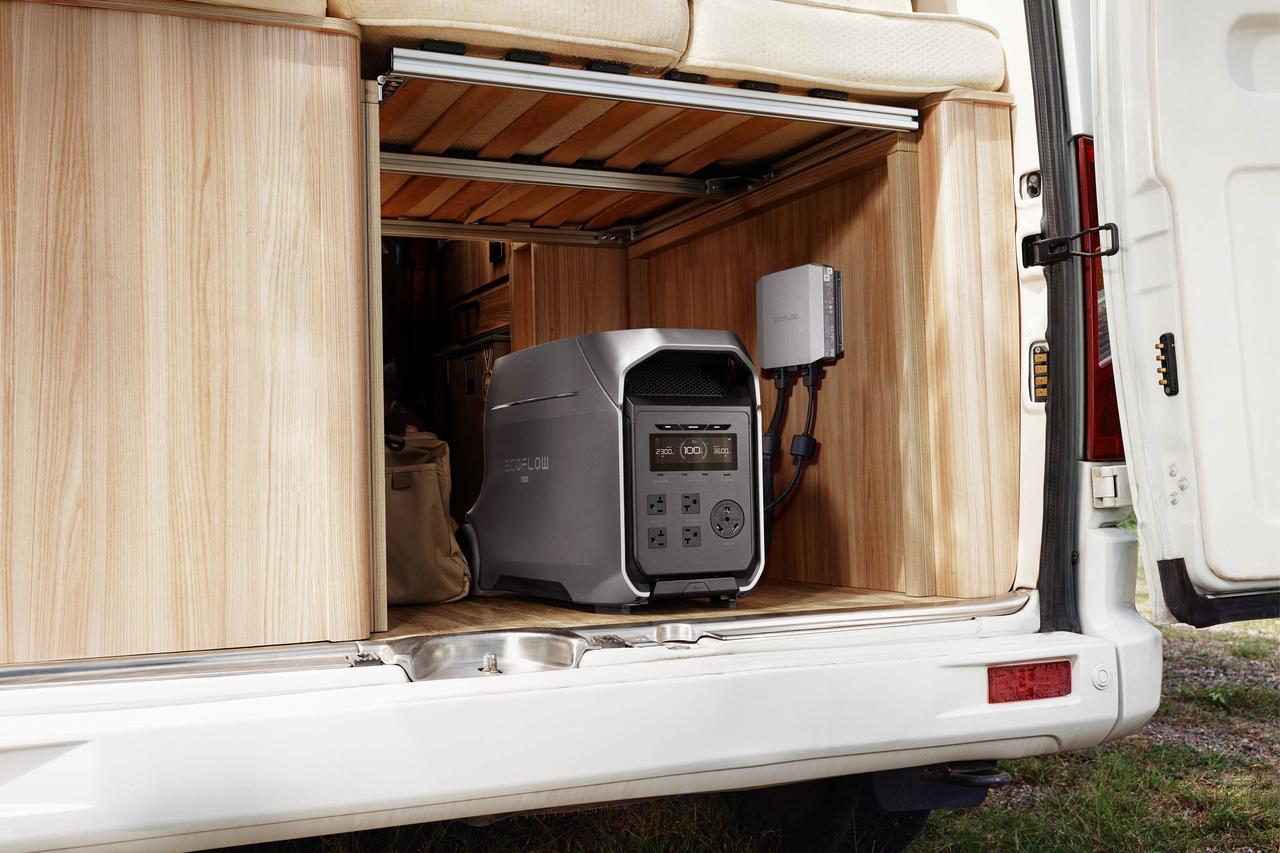
On Route 66, some stops can feel more spread out, which makes backup power useful. On the coast, you may spend more time outdoors at scenic pull-offs and beaches, where charging options are limited. In that context, the Delta 3 Ultra Plus + 500W can fit naturally into a road trip setup by helping keep everyday travel gear charged without changing your schedule too much.
Best Route Based on the Time You Actually Have
Time often decides more than preference. A beautiful plan can still feel tiring if it does not match your schedule.
| Time Available | Better Choice | Reason |
| 3 days | Pacific Coast Highway | Easier to enjoy one scenic section |
| 5 days | Pacific Coast Highway | Better balance and less rushing |
| 7 days | Either one | Depends on which region you focus on |
| 10 days | Route 66 or longer coast trip | Both become more flexible |
| 2 weeks or more | Route 66 | Full long-distance feel becomes possible |
This is one of the most useful filters because it removes fantasy from the decision. A full American road trip route 66 dream can be amazing, but not if you only have four days and want a relaxed pace.
Which Route Leaves the Better Memory
By this point, the better route often comes down to what kind of memory you want.
Route 66 tends to leave story memories. People remember old signs, local conversations, odd attractions, and the feeling of crossing a huge stretch of the country. The route can feel rougher around the edges, but often more personal.
The Pacific Coast Highway tends to leave visual memories. People remember the color of the water, the curves of the road, the cliffside views, and the pace of the day. It may feel less historic, but it often feels more instantly beautiful.
Neither is automatically better. One usually suits travelers who like character and long-form travel. The other usually suits travelers who want scenery, comfort, and easier planning.
Pick the Route That Fits Your Real Travel Habits
Choose Route 66 if you want history, roadside charm, and a trip that feels wide and classic. Choose the Pacific Coast Highway if you want ocean scenery, shorter stretches, and a smoother pace. The best road trip is rarely the most famous one. It is usually the one that matches your time, comfort level, and the way you actually like to travel.
FAQs
Q1: Which Road Trip Is Better for First-Time Visitors to the United States?
The Pacific Coast Highway is usually easier for first-time visitors, while Route 66 is often richer for travelers who want a classic American road story.
The coastal route is often simpler because the appeal is clear from the start. You get strong scenery, shorter route options, and a travel pace that is easier to manage in a limited vacation window. Route 66 can still be a great first trip, but it often works best for travelers who enjoy history, small-town texture, and longer drives. If someone wants a more direct and scenic first impression, the coast usually fits better.
Q2: Which Route Is Better for a One-Week Vacation?
The Pacific Coast Highway is usually the better fit for one week. A week gives you enough time to enjoy one or two coastal sections without feeling like every day is rushed. It is easier to build a satisfying pacific coast highway road trip itinerary around that kind of schedule. Route 66 can still work in one week, but it is often better as a regional trip rather than a full-route dream. If your goal is a complete-feeling trip in seven days, the coast often makes more sense.
Q3: Is Route 66 Better for Travelers Who Like History and Quirky Stops?
Yes, Route 66 is usually the stronger choice for history and roadside character. This route stands out because its charm often comes from old diners, classic motels, neon signs, local museums, and unusual roadside attractions. Those pieces create a travel mood that feels distinctly tied to older American highway culture. Many route 66 road trips are memorable because the small stops feel just as important as the bigger destinations. If that kind of travel excites you, Route 66 often delivers more.
Q4: What Makes the Pacific Coast Highway Easier to Plan?
Shorter, more focused route sections make it easier to build a simple trip. You do not need to cover the entire coast to enjoy the route. Many travelers can choose one scenic stretch and shape a complete vacation around it. That keeps planning more manageable. A pacific coast highway road trip often feels easier because the main highlights are naturally linked by scenery, viewpoints, and coastal towns. That structure can reduce the amount of guesswork.
Q5: Which Route Is Better for Photos and Scenic Stops?
The Pacific Coast Highway is usually better for scenic photos, while Route 66 is often better for character shots. If your goal is dramatic ocean views, cliffside pull-offs, beach scenes, and sunset stops, the coast usually wins. If your goal is vintage signs, retro storefronts, old-town detail, and unique roadside scenes, Route 66 often has more personality. This means the answer depends a little on your style of photography, but for broad landscape appeal, the Pacific Coast Highway is usually the stronger option.
For press requests or interview opportunities, reach out to our media team
media.na@ecoflow.com