What to Pack for a Day Hike (2026 Checklist + Expert Tips)
- Why Most Packing Lists for Day Hiking Fail in Real Conditions
- Modern Day Hiking Framework (Not Just a Checklist)
- What to Pack (Based on Real Scenarios)
- Packing for Real Trail Environments
- Smart Add-Ons That Actually Improve Safety & Performance
- Common Packing Mistakes (Real Incidents, Real Patterns)
- How to Pack Efficiently Without Overpacking
- Conclusion
- FAQs
Planning a perfect day hike needs to find the right balance—bringing what you need “just in case” without ending up with a 40-pound brick on your back.
This guide goes beyond the usual checklists you’ve seen a million times. We’ll walk you through a simple, modern approach to hiking, break down the gear you’ll need for different types of landscapes across America, and show you how to use tech and backup power so you never get stranded.
Why Most Packing Lists for Day Hiking Fail in Real Conditions
We’ve all seen those bare-bones checklists recommending “a water bottle and a snack.” Fine for a paved park loop—useless the moment you step into real backcountry.
The "One-Size-Fits-All" Trap
Hiking the humid Great Smoky Mountains demands entirely different gear than trekking the arid Grand Canyon. Most lists ignore regional humidity, sun exposure, and terrain difficulty. The result? Hikers end up either hauling unnecessary weight or missing critical essentials.
How Conditions Actually Drive Your Pack
Treat your pack like it breathes—adjust it to the forecast. A 60°F day in the Pacific Northwest drops to feeling like 40°F once the mist settles in. Meanwhile, that breezy 80°F in Utah? You’ll dehydrate fast without even noticing you’re sweating.
Modern Day Hiking Framework (Not Just a Checklist)
Before you throw items into your bag, you need a logic for why they are there. Professional guides use a framework to ensure nothing critical is missed while keeping the weight manageable.
3-Layer Packing Logic Every Hiker Should Use
Treat your pack like it breathes—adjust it to the forecast. A 60°F day in the Pacific Northwest drops to feeling like 40°F once the mist settles in. Meanwhile, that breezy 80°F in Utah? You’ll dehydrate fast without even noticing you’re sweating. To better prepare for these shifting conditions, you might find some specialized gear inspiration in our list of 19 essentials for hikers and outdoor enthusiasts, which includes Hydration Backpacks and other emergency tools.
Beyond the 10 Essentials: Redundancy vs. Weight
The “10 Essentials” are the foundation, but the modern hiker prioritizes redundancy for high-failure items. For example, having a physical map to back up your GPS is a literal lifesaver.
What to Pack (Based on Real Scenarios)
Whether you’re hitting a local state park or a rugged National Park, your core kit remains the same, but your strategy for using it should shift.
Survival Essentials (Non-Negotiable in Any Conditions)
Never leave the trailhead without a multi-tool, a compact first-aid kit (focused on blisters and scrapes), a headlamp with fresh batteries, and a way to start a fire. Even on a “short” hike, an accidental wrong turn can turn a day trip into an unplanned overnight stay. Choosing a high-quality portable power station for your basecamp can also ensure your emergency devices are fully charged before you head out.
Hydration Strategy (Not Just Water Amount)
Don’t just carry water; carry a way to get more water. In 2026, a lightweight filter (like a Sawyer Squeeze) is a standard backup. Aim for about half a liter per hour of moderate hiking, but scale up for elevation or heat.
Nutrition Strategy for Sustained Energy
Avoid the “sugar crash.” Pack a mix of complex carbs, fats, and proteins. Think trail mix, nut butter packets, and jerky. For those grueling climbs in places like the White Mountains, electrolytes are mandatory to prevent cramping.
Clothing System (Layering That Actually Works)
The “Cotton is Rotten” rule still stands. Use a moisture-wicking base layer, a mid-layer for warmth (fleece or light down), and a breathable shell. This system allows you to micro-adjust your body temperature as you move.
Packing for Real Trail Environments
America’s trails are wildly different from one another. Your pack needs to match the actual environment you’re walking into, not some generic checklist.
Desert Hiking: Beat the Heat and Stay Hydrated
Wide-brimmed hats and loose, long-sleeved UPF shirts do way more than high-SPF sunscreen alone. They actually keep you cooler and cut down on water loss before you even start sweating buckets. For sustainable power on these sunny routes, carrying foldable solar panels can keep your emergency devices charged indefinitely.
Mountain Hiking: Be ready for Rapid Weather Changes
In the Rockies especially, a bright sunny morning can turn into hail and wind by mid-afternoon. Always throw in an extra insulating layer—no matter what the forecast says.
Coastal Hiking: Handle Wind, Fog, and Salt Spray
Even without a drop of rain, heavy fog and salt spray can soak your stuff fast. A good waterproof pack cover isn’t optional here—it’s one of the smartest things you can bring. Keeping your electronics dry is crucial, and following travel tips for packing 3C gadgets that truly work for you will ensure your gear survives the damp air.
Smart Add-Ons That Actually Improve Safety & Performance
Sometimes, the “standard” gear isn’t enough to handle the unique stresses of the American wilderness.
When Extra Gear Becomes Necessary
In high-exposure environments like the Grand Canyon, Death Valley, or California’s summer coastal trails, hikers face more than just dehydration—they face rapid device drainage. Intense heat can kill a phone or GPS battery faster than you can say “where am I?” If your navigation dies, your ability to make safe decisions plummets.
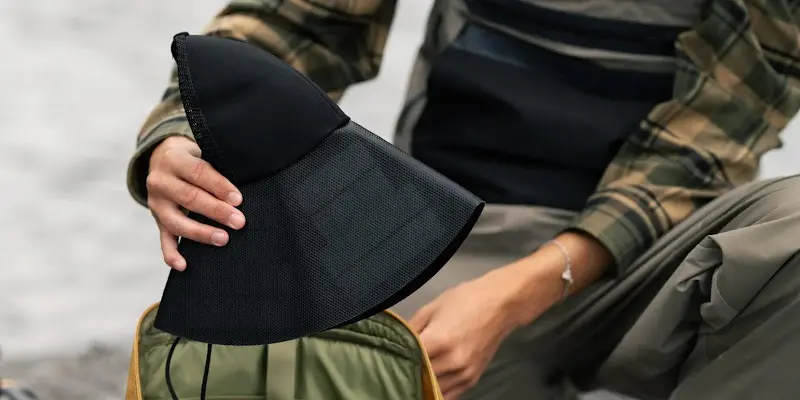
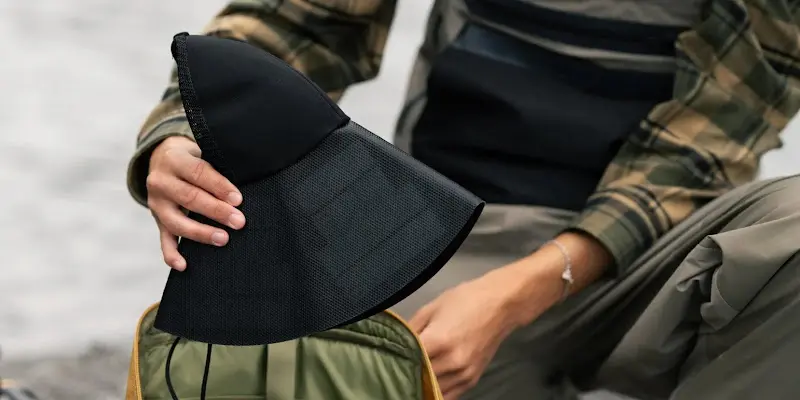
To combat this “Heat + High Drain” challenge, savvy hikers are turning to solar-integrated protective gear. For instance, the EcoFlow Power Hat features integrated solar panels that charge your devices while you walk. It’s a brilliant way to keep your phone topped off in sun-drenched environments where a wall outlet is miles away, significantly lowering the risk of a “total comms blackout.”
Tech & Power Strategy for Modern Hiking
In 2026, your phone and GPS aren’t just conveniences—they’re core safety tools. But they are only as good as their battery life.
In places like Yosemite or the Tetons, extreme heat or cold can drain batteries faster than you expect. That’s why seasoned hikers now build in power redundancy.
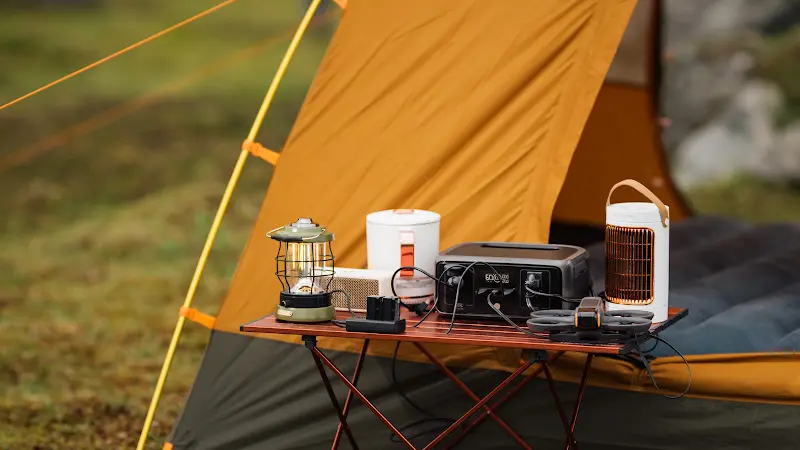
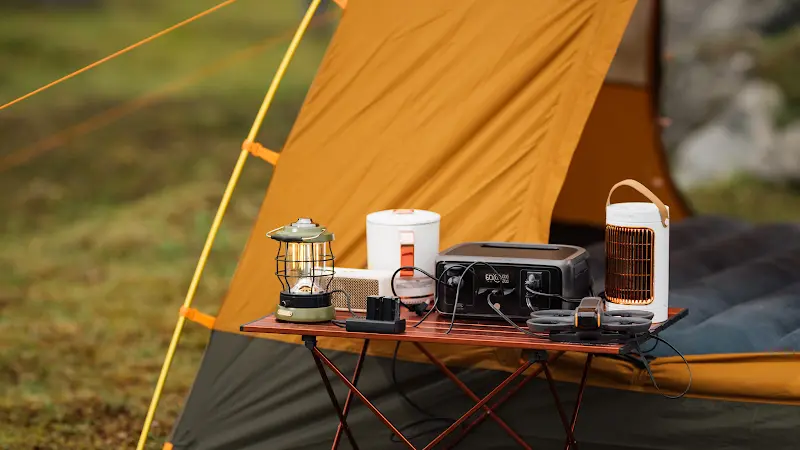
A compact, tough power station like the EcoFlow RIVER 3 Portable Power Station (a game-changer) can save the day on long hikes or basecamp setups when you’re juggling a camera, GPS, and satellite messenger all at once.
Treating your power supply as the “11th Essential” means your lifeline to the outside world stays alive, even in the most remote spots.
Common Packing Mistakes (Real Incidents, Real Patterns)
The worst assumption? That trailhead weather sticks with you to the summit. In the backcountry, weather conditions shift fast and are highly localized.
The Lapse Rate Reality
Temps drop about 3.5°F per 1,000 feet. That 75°F morning at the parking lot? Easily 55°F and biting at the summit. Your sweat-soaked shirt becomes a refrigerator against your skin.
Orographic Lift
Peaks force air upward, creating “micro-storms” invisible to city forecasts. Clear at 9 AM, hammered by hail by 2 PM. No hardshell? One cloudburst away from a survival situation.
Wind Chill on Ridgelines
Ridgelines act as funnels. Exposed summits get hammered. A calm woodland stroll turns into 30-mph gusts that strip heat faster than your body can replace it.
The Fix: Anticipate Before You Need To
Practice “Anticipatory Layering.” Add your wind layer before reaching an exposed ridge, and delayer before a heavy climb to prevent sweating. Always pack that extra layer—even when your car’s under bluebird skies.
How to Pack Efficiently Without Overpacking
The trick? Gear that pulls double duty. A buff works as a headband, bandage, or pre-filter for sketchy water. Keep heavy stuff—like your water bladder—centered and tight to your back. You’ll stay balanced on technical switchbacks.
Conclusion
Preparing for a day hike in 2026 is about balancing traditional woodcraft with modern reliability. By focusing on layered packing logic and ensuring you have the power redundancy to keep your tech alive, you can hit the trail with total confidence. So double-check that hydration bladder, grab your pack, and go find some fresh air.
FAQs
1. How much water for a 5-mile day hike?
Start with 2 liters. Steep grades or 80°F+ temps? Carry more water then.
2. Use a phone or a dedicated GPS for trail navigation?
Both. A GPS or a high-end satellite messenger is more rugged and lasts longer. Your phone? Perfect for quick checks with offline maps like AllTrails.
3. How do hikers prevent blisters?
Wear moisture-wicking wool socks (like Merino), ensure your boots are broken in before the hike, and apply “moleskin” or leukotape to “hot spots” the moment you feel friction.
4. How do you keep your electronics safe in extreme heat/cold?
Keep your devices in insulated sleeves or tucked inside your clothing near your body heat in the cold. Use solar-charging gear or portable banks to counteract heat-induced drain.
5. What should I do if I encounter a bear or mountain lion on the trail?
Stand your ground, and make yourself look as large as possible. Speak in a calm, firm voice while slowly backing away. Never run, as this can trigger their predatory chase instinct.
For press requests or interview opportunities, reach out to our media team
media.na@ecoflow.com