Rogue Wave vs. Tsunami vs. Sneaker Wave: What’s the Difference?
- What Is a Rogue Wave?
- Rogue Wave vs Tsunami: How Are They Different?
- Rogue Wave vs Sneaker Wave: What Should Beach Travelers Know?
- Rogue Wave vs Tsunami vs Sneaker Wave: A Simple Comparison
- When Should Coastal Travelers Worry About Each Type of Wave?
- How Should You Respond to a Tsunami Warning?
- How Can Road Trippers Stay Safe From Sneaker Waves?
- What Should Go in a Travel and Coastal Emergency Prep Kit?
- Check the Wave Type Before You Choose the Safety Action
- FAQs
Three ocean dangers often get mixed together, but they are not the same. A rogue wave can rise suddenly in open water. A tsunami can flood coastlines after a major water displacement. A sneaker wave can rush up a beach when the sand looks calm. Knowing the difference helps boaters, coastal families, and road trip travelers choose the right safety action before the water changes.
What Is a Rogue Wave?
A rogue wave is an unusually large ocean wave that rises suddenly and is much bigger than the waves around it. It usually happens in open water, where it can threaten ships, fishing boats, offshore platforms, and other marine operations.
A rogue wave is not just a normal storm wave. It is known for its sudden size, steep shape, and surprise impact. Complex wind, current, storm, and wave patterns can all play a role.
For coastal travelers, the key point is simple: a rogue wave is mainly an offshore hazard. It is different from a tsunami, which can flood coastlines, and different from a sneaker wave, which rushes up the beach.
Rogue Wave vs Tsunami: How Are They Different?
The phrase rogue wave vs tsunami creates confusion because both sound like dangerous ocean waves. Their causes, scale, and safety responses are very different.
A tsunami is a series of long ocean waves caused by a large and sudden displacement of water. Displacement means water is pushed out of place. Tsunamis are often triggered by undersea earthquakes, but they can also result from landslides, volcanic activity, or other major disturbances.
A rogue wave is usually local and short-lived. It may strike a vessel in rough seas, then disappear back into the surrounding wave field. A tsunami can travel across wide ocean areas and become dangerous when it reaches shallow coastal water.
A tsunami may not look like a normal breaking surf wave. It can appear as fast-rising water, strong currents, repeated surges, or sudden ocean withdrawal. That is why official alerts matter. A person standing on the beach may not be able to judge tsunami danger by sight alone.
In short, rogue wave vs tsunami is not just a size comparison. A rogue wave is mainly a sudden open ocean wave. A tsunami is a large-scale coastal hazard created by major water movement.
Rogue Wave vs Sneaker Wave: What Should Beach Travelers Know?
The rogue wave vs sneaker wave difference matters because most beach travelers are more likely to face sneaker wave risk than rogue wave risk. A rogue wave is mainly an open-ocean hazard, while a sneaker wave is a shoreline hazard that can rush up the beach without much warning.
Where It Happens: A rogue wave usually forms in open water and affects ships, boats, and offshore activity. A sneaker wave happens at the beach, often on sand, rocks, jetties, or near drift logs.
Who It Affects: A rogue wave is a bigger concern for marine crews and boaters. A sneaker wave is more relevant to beach walkers, photographers, children, pets, and coastal road trip travelers.
How It Looks: A rogue wave may rise suddenly above surrounding ocean waves. A sneaker wave may follow several smaller waves, then surge much farther up the beach than expected.
Why It Is Dangerous: A sneaker wave can knock people down, soak gear, move heavy driftwood, or pull someone toward the surf zone. This makes it especially risky during quick beach stops when travelers feel relaxed.
What Beach Travelers Should Do: Stay back from wet sand, avoid climbing on logs or wet rocks, keep children and pets close, and never turn your back on the ocean.
For West Coast road trips, sneaker wave awareness is usually more practical than rogue wave awareness. The safest beach stop starts with distance, patience, and a clear route away from the water.
Rogue Wave vs Tsunami vs Sneaker Wave: A Simple Comparison
These three hazards are often confused because all involve dangerous ocean water. The safest response depends on where the hazard happens, what causes it, and who is most exposed.
Wave Type | Where It Happens | Main Cause | Who Is Most at Risk | Safety Focus |
|---|---|---|---|---|
Rogue wave | Open ocean | Complex wave, wind, storm, and current interactions | Ships, boats, offshore workers | Marine forecasting, vessel safety, avoiding severe sea conditions |
Tsunami | Ocean and coastlines | Large sudden water displacement, often from undersea earthquakes | Coastal residents, harbors, beach visitors | Official alerts, evacuation routes, moving inland or to high ground |
Sneaker wave | Beaches and shorelines | Larger wave surges within surf conditions | Beach walkers, children, pets, photographers | Staying back, watching the ocean, avoiding rocks and logs |
This comparison shows why one safety message cannot cover every wave risk. A rogue wave calls for marine caution, a tsunami calls for evacuation awareness, and a sneaker wave calls for smart beach distance.
When Should Coastal Travelers Worry About Each Type of Wave?
Different ocean hazards matter in different travel situations. A cruise passenger, a coastal homeowner, and a road trip traveler may all hear the word “wave,” but their main risks are not the same.
For boat trips, fishing trips, offshore work, and open water travel, rogue wave awareness matters most. Check marine weather before leaving shore. Marine weather means weather and sea condition information for boats and ocean operations.
For coastal homes, hotels, harbors, and low lying towns, tsunami alerts matter most. A tsunami warning means dangerous coastal flooding and powerful currents may be expected or already occurring. If officials issue evacuation instructions, follow them right away.
For West Coast beach stops, sneaker wave awareness is the most practical concern. This applies to Oregon coast drives, California beach pullouts, tide pool visits, and shoreline photography. Children and pets need extra attention because they may move closer to the water faster than adults expect.
A smart traveler connects the warning to the setting. Offshore water, coastal evacuation zones, and beach surf zones each need a different response.
How Should You Respond to a Tsunami Warning?
A tsunami warning is not a suggestion to watch the waves. It means action may be needed because dangerous coastal flooding or powerful currents are possible.
Move to high ground or inland if local officials tell you to evacuate. High ground means land above the expected flood area. Inland means away from the coast, bays, rivers, and low coastal areas where water may surge.
Natural warning signs can also matter. These may include a strong or long earthquake, a sudden ocean rise or fall, or a loud roar from the ocean. If you are near the coast and notice these signs, do not wait on the beach for confirmation.
During a tsunami warning:
Leave beaches, harbors, marinas, and low coastal roads.
Follow posted evacuation route signs.
Use official alerts, not social media rumors, for decisions.
Do not return until officials say the area is safe.
Remember that more than one wave may arrive.
Tsunamis can continue for hours. The first surge may not be the largest, so patience is part of safety.
How Can Road Trippers Stay Safe From Sneaker Waves?
Sneaker waves matter most when travelers make quick beach stops. These stops often feel casual, which can make people ignore signs, tide changes, or wave patterns.
Before walking close to the water, pause and watch the ocean. If waves are reaching wet sand, drift logs, rocks, or narrow beach areas, stay farther back. Wet sand often shows where water has already reached.
Use these habits during coastal road trips:
Stay farther back than the last wave line.
Never turn your back on the ocean.
Keep children and pets close to adults.
Avoid drift logs, jetties, and wet rocks.
Check beach hazard statements before stopping.
Choose viewpoints when surf looks rough.
Leave narrow beaches before the tide rises.
A beach hazard statement is an official notice about dangerous beach conditions. It may mention sneaker waves, high surf, strong currents, or other coastal risks.
The best ocean view is not always at the waterline. A safer overlook can give you the same beauty with less risk.
What Should Go in a Travel and Coastal Emergency Prep Kit?
A coastal emergency kit should support communication, visibility, warmth, and basic comfort. It is useful for road trips, beach stops, and coastal homes that may face storms, outages, or evacuation needs.
Pack items that help you respond calmly:
Phone with local alerts enabled
Downloaded maps
Flashlight or headlamp
First aid kit
Warm layers and waterproof shell
Drinking water and snacks
Pet leash and child safety items
Portable power for phones, lights, and road trip devices
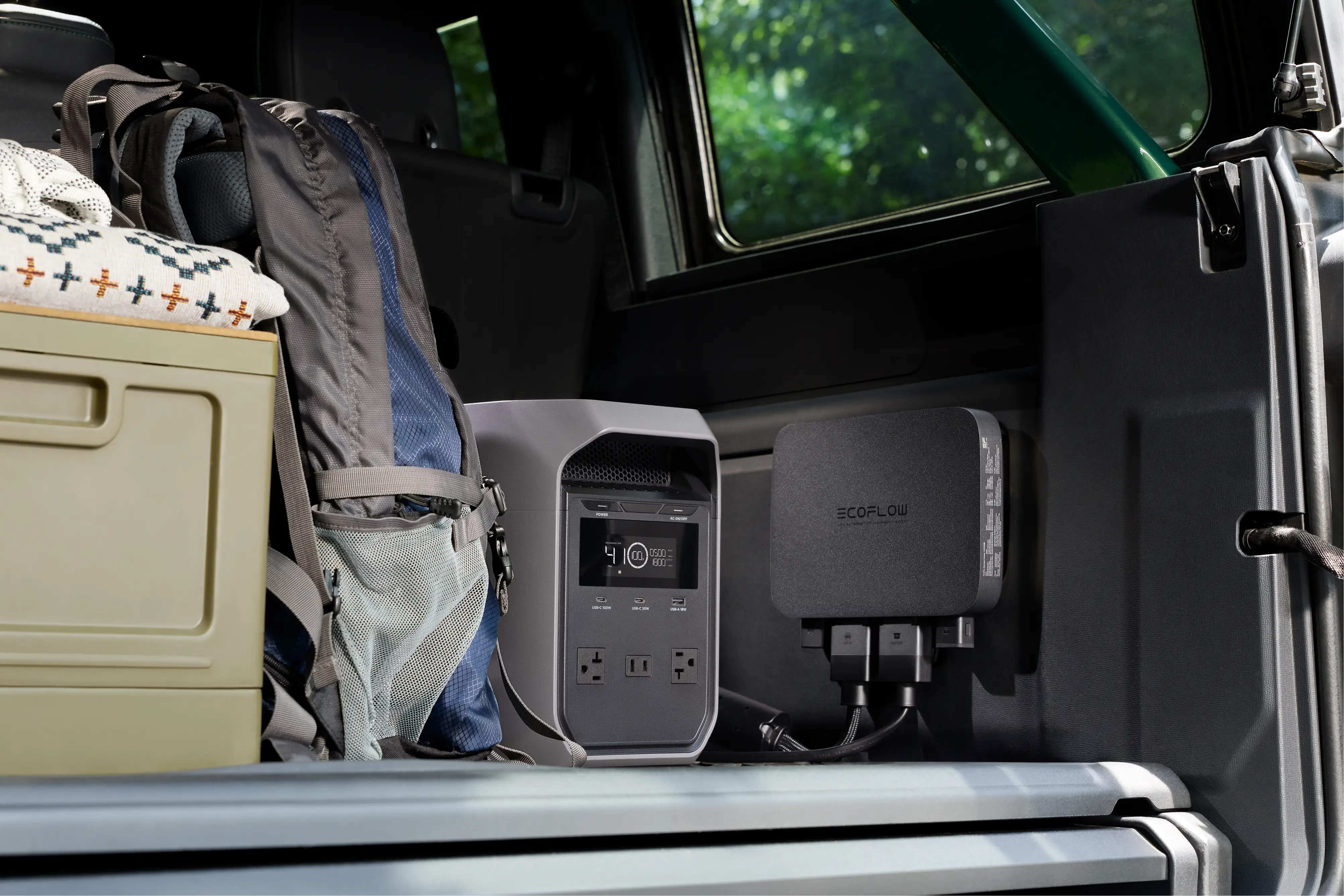
A portable power station is a rechargeable unit that stores electricity for later use. For coastal road trips or home preparedness near the shore, the EcoFlow DELTA 3 Classic Portable Power Station can be a practical backup power option. Its 1024Wh capacity, which means stored energy measured in watt hours, and 1800W output, which means the power it can deliver at one time, can support phones, emergency lights, camera batteries, and small road trip devices during travel stops or short power interruptions.
This kind of preparation does not replace official alerts or safe choices near the water. It helps keep key devices working while you follow weather updates, check maps, contact others, or wait for conditions to improve.
Check the Wave Type Before You Choose the Safety Action
A rogue wave, tsunami, and sneaker wave are not the same danger. Rogue waves mainly threaten open water travel. Tsunamis require official alert awareness and fast movement away from low coastal areas. Sneaker waves demand caution at the beach, especially during road trips and photo stops. Before your next coastal trip, check official alerts, know your route, stay back from unsafe surf, and pack the power, lighting, and communication tools that help you respond with confidence.
FAQs
Q1. What Is a Rogue Wave in Simple Terms?
A rogue wave is a sudden ocean wave that is much larger than the waves around it. It usually matters most in open water, where boats, ships, and offshore platforms face the greatest risk. It is not the same as a normal surf wave near the beach. For most coastal visitors, rogue wave knowledge is useful for understanding ocean hazards, while sneaker wave and tsunami safety may be more practical near shore.
Q2. Is a Rogue Wave the Same as a Tsunami?
No, a rogue wave is not the same as a tsunami. A rogue wave is usually local and sudden, while a tsunami is a series of long waves caused by major water displacement. A tsunami can affect wide coastal areas and may arrive as rising water, strong currents, or repeated surges. That is why tsunami alerts require official instructions, evacuation awareness, and extra caution near low coastal areas.
Q3. What Is the Main Difference in Rogue Wave vs Sneaker Wave?
The main difference is location. A rogue wave usually happens offshore, while a sneaker wave rushes up the beach. Sneaker waves are more relevant for beach walks, tide pools, coastal photos, and road trip stops. If you are standing on sand, rocks, jetties, or near drift logs, sneaker wave safety matters more than offshore rogue wave risk.
Q4. Can a Rogue Wave Reach the Coast Like a Tsunami?
A rogue wave is not usually described as a coast flooding event like a tsunami. It is mainly an open ocean hazard and does not require the same evacuation response as a tsunami warning. Coastal visitors should pay closer attention to tsunami alerts, high surf warnings, and sneaker wave risks near the shore. If official alerts are posted, follow local instructions rather than judging the danger by wave appearance alone.
Disclaimer: This article is for informational purposes only and does not constitute professional marine weather, ocean-safety, emergency management, travel, or coastal hazard advice. Rogue waves, tsunamis, sneaker waves, high surf, and coastal conditions can change quickly by location, weather system, tide, and official alert status. Always follow official local alerts, evacuation instructions, beach warnings, marine forecasts, park rules, and emergency guidance during coastal travel or coastal emergencies. For official safety information and article references, please refer to NOAA What Is a Rogue Wave?, NOAA JetStream Waves, National Weather Service Tsunami Safety, Tsunami.gov, National Weather Service Sneaker Waves Safety, National Weather Service Beach Hazards Safety.
For press requests or interview opportunities, reach out to our media team
media.na@ecoflow.com