Heat Illness: Symptoms, Risk Factors, and Prevention Tips for Hot Days
- What Is Heat Illness and Why Does It Happen in Hot Weather?
- What Are Heat-Related Illnesses: Heat Cramps, Heat Exhaustion, and Heat Stroke?
- What Heat Illness Symptoms Should You Watch for First?
- Who Is Most at Risk for Heat Illness During Summer?
- How Can You Practice Heat Illness Prevention on Hot Days?
- What Should You Do When You See Signs of Heat Illness?
- Stay Prepared for Heat Illness Prevention Before the Next Hot Day
- FAQs
Hot days can feel manageable until the body begins to lose control of its cooling system. A backyard project, a youth sports game, a long drive, a campsite setup, or a short power outage can quickly raise risk. Heat illness prevention starts before anyone feels sick. Knowing the symptoms, planning cooling breaks, and keeping basic power and communication ready can help families handle summer heat with more confidence.
What Is Heat Illness and Why Does It Happen in Hot Weather?
Heat affects the body through a simple chain reaction. The body tries to cool itself by sweating and moving warm blood toward the skin. When heat, humidity, physical effort, dehydration, tight clothing, or poor airflow get in the way, body temperature can rise.
Heat illness refers to health problems caused by too much heat exposure. It can happen outside in direct sun, inside a hot home, in a tent, in a parked vehicle, in an RV, or during an outage when cooling equipment stops working. Humid weather adds extra strain because sweat does not evaporate well. Without evaporation, the body has less ability to cool itself.
Heat illness can range from mild muscle cramps to a life-threatening emergency when the body gains heat faster than it can cool down. Early symptoms deserve attention because they can progress when the person keeps working, walking, playing, or sitting in a hot space.
What Are Heat-Related Illnesses: Heat Cramps, Heat Exhaustion, and Heat Stroke?
Heat cramps are often an early warning. They feel like painful muscle spasms, often in the legs, arms, or abdomen. They usually happen after sweating during exercise, outdoor labor, hiking, or sports. The person should stop activity, move to a cooler place, and sip water if they are fully alert and not nauseated.
Heat exhaustion is a stronger warning that the body is struggling. Common heat illness symptoms include headache, dizziness, weakness, heavy sweating, nausea, thirst, irritability, fast heartbeat, and reduced urination. Skin may feel cool and moist, even when the person feels overheated. Heat exhaustion can become dangerous if cooling and rest do not happen quickly.
Heat stroke is the most serious form. Warning signs may include confusion, slurred speech, fainting, seizures, loss of consciousness, very high body temperature, or hot skin. Some people still sweat during heat stroke, so sweating does not mean the person is safe. Suspected heat stroke needs emergency help immediately.
Heat rash and heat fainting can also occur during hot weather. They may seem less alarming, yet they still show that heat, sweat, or circulation is affecting the body.
What Heat Illness Symptoms Should You Watch for First?
Early symptoms can be easy to dismiss during the summer. Many people blame tiredness, headache, or nausea on a busy day, then keep going. A safer approach is to treat new symptoms in hot conditions as a reason to pause and cool down.
Symptom | What It May Signal | First Step |
|---|---|---|
Heavy sweating | The body is working hard to cool itself | Move to shade or air conditioning |
Muscle cramps | Fluid and salt loss may be building | Stop activity and rest |
Headache | Heat strain or dehydration may be rising | Cool down and drink slowly |
Dizziness | Circulation or hydration may be affected | Sit or lie down in a cool place |
Nausea | The body may not tolerate activity | Stop moving and monitor closely |
Weakness | Heat stress may be progressing | Rest and avoid returning to activity |
The signs of heat illness can look different by age and situation. A child may become unusually sleepy, fussy, or quiet. An older adult may seem confused or unsteady. A runner may slow down suddenly. A camper may stop answering questions clearly. A pet may pant heavily, drool, stumble, or avoid walking.
Certain symptoms should change the response immediately. Confusion, fainting, seizure, repeated vomiting, loss of consciousness, or worsening symptoms after cooling are emergency warning signs. Do not wait to see if they pass. Move the person to a cooler place, begin cooling, and call for emergency help.
Who Is Most at Risk for Heat Illness During Summer?
Heat does not affect everyone equally. Some people overheat faster because of age, health conditions, medications, activity level, clothing, housing, or limited access to cooling.
Higher-risk groups include:
Older adults, especially those living alone
Infants and young children
Pregnant people
Outdoor workers and delivery drivers
Athletes and people exercising in the heat
Campers, hikers, and festival visitors
People with heart, kidney, lung, circulation, or blood pressure concerns
People without reliable air conditioning
Pets left in cars, yards, tents, garages, or hot travel spaces
Some medicines can affect sweating, hydration, blood pressure, or temperature control. People with chronic conditions should follow personal medical advice during heat waves and check medication storage instructions when indoor temperatures rise.
Children and pets need special attention because they cannot always communicate early discomfort. A parked car can become dangerous quickly, even during a short stop. Hot pavement can also harm pets, and heavy panting can turn serious.
Risk also rises when the body has not adjusted to summer heat. The first heat wave of the season, the first long hike, or the first outdoor workday after months indoors can be harder than expected.
How Can You Practice Heat Illness Prevention on Hot Days?
A strong hot-weather plan covers the full day. Water, timing, clothing, cooling spaces, local alerts, and backup essentials all work together.
Stay Hydrated Before You Feel Thirsty
Drink water regularly during hot weather. Thirst helps, but it can arrive late during long sweating periods. People doing yard work, sports, hiking, construction, or campsite setup may need fluid breaks before they feel dry or dizzy.
During long outdoor activities, electrolytes or salty foods can help replace losses from sweat. Alcohol can increase dehydration risk, and heavy caffeine intake may make some people feel worse in heat.
A simple check is urine color and frequency. Pale yellow often suggests better hydration. Dark urine, low output, dry mouth, headache, dizziness, or unusual fatigue can signal a need for fluids and rest. Anyone on fluid limits should follow their own care instructions.
Avoid Outdoor Activity During Peak Heat Hours
Morning and evening are safer choices for exercise, dog walks, yard work, and campsite setup. Midday and afternoon heat can place the body under greater strain, especially when humidity is high.
If outdoor work must happen during hotter hours, lower the pace. Build in rest breaks before symptoms begin. Heavy tasks such as mowing, lifting, digging, moving furniture, or setting up tents should be divided into shorter sessions.
The body also needs time to adjust to summer. Gradual exposure over several days can help. Sudden hard activity during the first major heat event can raise the chance of heat-related illnesses.

Wear Lightweight and Breathable Clothing
Clothing affects how well sweat can cool the body. Loose, lightweight, light-colored clothing helps air move around the skin. A wide-brimmed hat can reduce direct sun exposure. Sunscreen protects skin, but it does not cool the body.
Work gear, uniforms, hiking packs, dark clothing, and tight fabrics can trap heat. People wearing heavy gear should rest sooner, drink regularly, and watch for heat illness symptoms.
Plan Shade, Cooling Breaks, and Air-Conditioned Rest
Cooling breaks need a real place, not only a good intention. At home, use air-conditioned rooms, closed blinds, cool showers, damp towels, and shaded areas. During outdoor events, identify shaded seating, cooling rooms, restrooms, visitor centers, or nearby public buildings with air conditioning.
Fans can help with air movement when indoor temperatures are still below about 90°F. In hotter indoor conditions, a fan alone may add heat stress and cannot replace air conditioning or another real cooling option. Wetting the skin, using cool cloths, and moving to an air-conditioned location can make a bigger difference.
Check local heat alerts before outdoor plans. During heat advisories, call older relatives, neighbors, or anyone with limited mobility. Make sure they have water, cooling access, and a way to contact help.
Prepare Backup Power for Cooling, Communication, and Food Storage
Summer outages can create problems quickly. Phones lose charge, routers stop working, lights go out, fans turn off, and refrigerated food or drinks may warm up. During a heat wave, those small problems can affect comfort, communication, and basic safety.
Prioritize devices that help people stay informed and manage the heat:
Phones for alerts, family contact, and emergency calls
A router if the internet service remains available
Emergency lights for safe movement at night
A fan for air movement when the indoor temperature is still safe for fan use
A compatible portable refrigerator for drinks, food, or temperature-sensitive supplies when storage instructions allow it
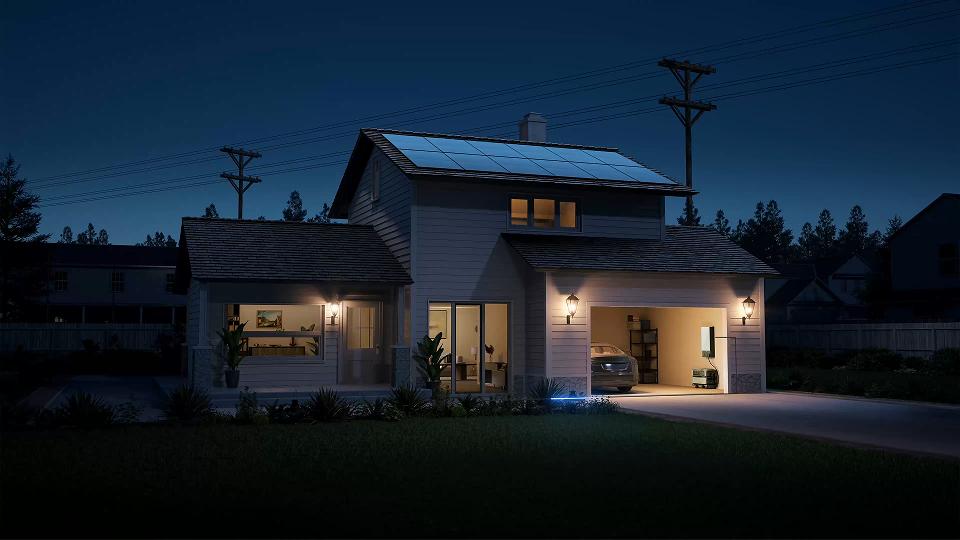
For home heat-wave preparation, EcoFlow DELTA Pro Ultra is a stronger fit for families who want backup power during summer outages. With an expandable 6–90kWh capacity and 7.2–21.6kW output, it can support essential home devices when the grid is down, depending on the setup, connected loads, and usage time. During hot weather, this may include phones, routers, lighting, refrigeration, and compatible cooling equipment.
Backup power can support cooling access, communication, and food storage during outages, but it does not treat heat illness. Severe symptoms still require active cooling and emergency medical help.
What Should You Do When You See Signs of Heat Illness?
Heat illness can worsen quickly, so the first step is to stop heat exposure and begin cooling.
Stop activity and move to a cooler place. Use air conditioning first when available. If not, move to shade or a cooler indoor area.
Remove extra layers and cool the body. Loosen tight clothing, take off unnecessary gear, and use cool wet cloths, misting, a cool shower, or wrapped ice packs near the neck, armpits, and groin.
Give water only when it is safe. Offer small sips if the person is alert, able to swallow, and not vomiting. Do not force fluids if the person is confused, unconscious, very drowsy, or unable to swallow safely.
Call emergency services for severe signs of heat illness. Get urgent help for confusion, slurred speech, fainting, seizures, loss of consciousness, repeated vomiting, or symptoms that keep getting worse.
Keep cooling and avoid returning to activity. Continue cooling while help is coming. After mild symptoms improve, rest for the day and avoid sports, yard work, hiking, or heavy chores.
Stay Prepared for Heat Illness Prevention Before the Next Hot Day
Heat illness prevention works best when the plan is ready before temperatures climb. Know the symptoms, check local alerts, schedule cooler activity times, protect children and older adults, and prepare water, shade, cooling access, and backup power. With practical habits and reliable summer essentials, families can handle hot days, outages, and outdoor plans with less risk and better control.
FAQs
Q1. Can Heat Illness Happen Indoors?
Yes. Heat illness can happen indoors when rooms become hot, humid, and poorly ventilated. Apartments, garages, mobile homes, upper floors, and homes without reliable cooling can trap heat for hours. Indoor risk is higher during outages, overnight heat, or long heat waves when the body has little time to recover.
Q2. How Long Should You Rest After Mild Heat Illness?
Most people should rest for the rest of the day after mild heat illness symptoms improve. Returning too soon can trigger another episode, especially during sports, hiking, yard work, or outdoor labor. If symptoms lasted a long time, returned later, or included fainting, medical guidance is the safer choice.
Q3. Does Heat Index Matter More Than Temperature?
Yes, heat index can matter more than air temperature because it combines heat and humidity. A humid 90°F day may feel much harder on the body than a drier day at the same temperature. When sweat cannot evaporate well, the body loses cooling efficiency, and the risk of heat-related illness rises faster.
Q4. Can Home Energy Storage Help During Heat-Related Outages?
Yes. Home energy storage can help during heat-related outages by keeping key devices available, such as phones, routers, lighting, refrigeration, and compatible cooling equipment. It does not replace medical care or true cooling access during severe heat illness. Its main value is preparation, communication, and maintaining essential household functions.
Q5. Should You Check Air Quality During Extreme Heat?
Yes. Air quality can affect heat safety, especially for children, older adults, pregnant people, outdoor workers, and people with asthma or heart conditions. Hot days may also coincide with ozone pollution or wildfire smoke. Poor air quality can make outdoor activity harder, so checking both heat alerts and air quality helps plan safer timing.
Disclaimer: This article is for informational purposes only and does not constitute professional medical, emergency, or public health advice. Heat illness can become serious quickly, and symptoms may vary by age, health condition, medication use, activity level, and environment. Always seek emergency help for confusion, fainting, seizures, loss of consciousness, repeated vomiting, or suspected heat stroke. For official safety information, please refer to CDC Heat-Related Illnesses, CDC About Heat and Your Health, CDC Protect Yourself From the Dangers of Extreme Heat, OSHA Heat: Water. Rest. Shade., and National Weather Service Heat Illness Safety.
For press requests or interview opportunities, reach out to our media team
media.na@ecoflow.com