Is Renewable Energy Cheaper Than Fossil Fuels in 2026? A Cost Comparison
- What “Cheaper” Really Means When Comparing Energy in 2026
- 2026 Price Trends: Why Renewables Often Win on New-Build Costs
- Reliability Without the Premium: How High-Renewable Grids Keep Costs Stable
- What It Means for Your Home: Bills, Outages, and Payback
- Choosing a Practical Path to Cleaner Power at Home
- Frequently Asked Questions
- Cleaner Power, More Predictable Costs, Better Backup When You Need It
Renewable energy has moved from an alternative power source to a leading contender on cost. As solar, wind, and energy storage technologies continue to improve, many homeowners and utilities are finding that clean energy can compete with, or even outperform, fossil fuels on price.
Understanding where the savings come from requires looking past just electricity rates and considering long-term energy costs, reliability, and resilience.
What “Cheaper” Really Means When Comparing Energy in 2026
When people ask whether renewable energy is cheaper than fossil fuels, the answer depends on what costs are being measured. Comparing only the price of generating electricity tells part of the story, but long-term energy costs also include fuel expenses, maintenance, infrastructure, and upgrades.
Fossil fuel power plants require a continuous supply of coal, oil, or natural gas. As fuel prices rise or fluctuate, electricity costs can increase as well. Renewable energy sources such as solar and wind operate differently. Once equipment is installed, the energy source itself is free, which reduces ongoing operating expenses.
A complete comparison should also account for reliability investments, environmental impacts, and the costs consumers face during grid disruptions. Looking at the full picture helps explain why discussions about renewable energy vs non-renewable energy increasingly focus on long-term value rather than upfront costs alone.
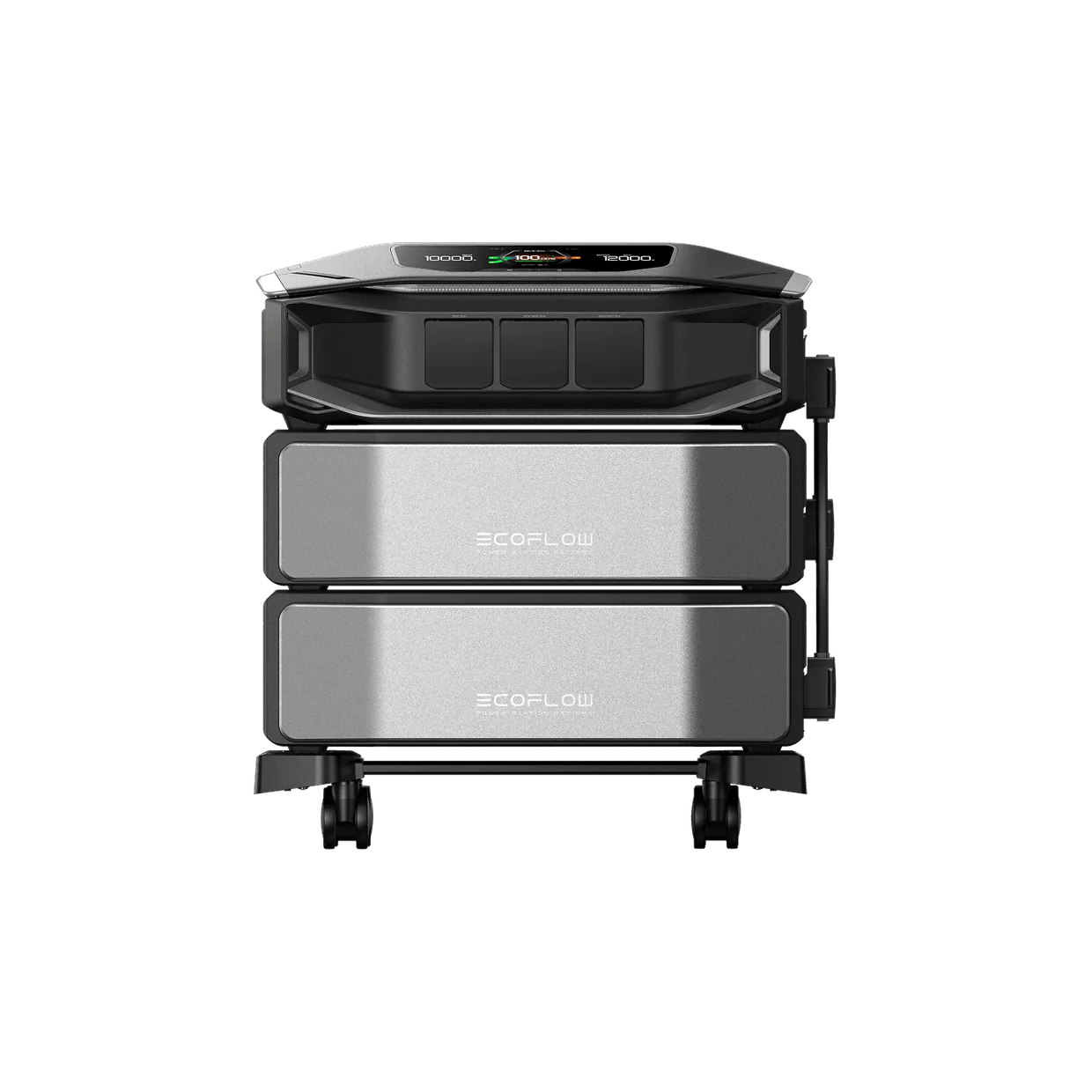
For households looking to reduce dependence on the grid while protecting against outages, the EcoFlow DELTA Pro Ultra X offers a practical starting point. It can power essential home loads during disruptions and charge directly from solar panels, letting you put your renewable energy investment to work when the grid goes down.
2026 Price Trends: Why Renewables Often Win on New-Build Costs
In 2026, renewable energy is frequently the lowest-cost option for new electricity generation projects. Years of technological improvements, manufacturing scale, and deployment experience have dramatically reduced the cost of solar panels and wind turbines.
Solar power has benefited from higher-efficiency photovoltaic cells, lower production costs, and improved installation practices. Wind energy has followed a similar path, with larger and more efficient turbines generating more electricity from the same resources.
One major advantage renewables have over fossil fuels is the absence of fuel costs. A natural gas plant may have a relatively low construction cost, but operators must continually purchase fuel throughout the facility’s lifespan. Solar and wind systems avoid that ongoing expense.
Government incentives and energy policies continue to influence project economics as well. At the same time, market participants are closely evaluating the impacts of the One Big Beautiful Bill and other policy changes that could affect future tax credits, energy investment decisions, and grid modernization efforts.
Reliability Without the Premium: How High-Renewable Grids Keep Costs Stable
One of the most common concerns about renewable energy is reliability. Because solar and wind generation vary with weather conditions, critics have historically questioned whether renewables can provide dependable power.
Modern energy systems address this challenge through a combination of battery storage, diversified generation sources, improved forecasting, and smarter grid management technologies. These advancements allow utilities to balance supply and demand more effectively while maintaining grid stability.
Battery storage systems have become especially important. You can store excess solar energy from sunny periods and draw on it when demand rises.
It’s important to recognize that while some advocates claim that renewable energy is the only solution to the world's energy crisis, most energy experts view future energy systems as a mix of technologies working together to improve resilience and affordability.
What It Means for Your Home: Bills, Outages, and Payback
Solar energy can reduce monthly electricity bills, provide greater predictability, and protect households from future energy price increases.
The payback period for residential solar systems has improved significantly as equipment costs have fallen. Depending on local electricity rates, incentives, and system size, you can recover your investment within several years while continuing to benefit from decades of energy production.
Renewable energy can also improve energy security. Pairing solar panels with battery storage allows you to maintain essential power during outages.
For longer-duration outages, some homeowners still choose a whole home generator to supplement their energy strategy. Others combine renewable generation with storage to reduce dependence on fuel-based backup systems.
Choosing a Practical Path to Cleaner Power at Home
Many homeowners begin with energy-efficiency improvements before adding solar panels. Others install rooftop solar first and expand later with battery storage as costs continue to decline.
When evaluating options, consider:
Current electricity consumption
Local utility rates
Available incentives and rebates
Roof suitability and solar exposure
Desired backup power capabilities
Long-term ownership plans
For households seeking both sustainability and resilience, a whole home backup power solution that integrates solar generation and energy storage can provide a practical balance between cost savings and reliability.

Frequently Asked Questions
Is Renewable Energy Cheaper Than Natural Gas for Electricity in 2026?
For many new power projects, yes. Solar and wind often deliver lower long-term electricity costs because they don't require ongoing fuel purchases. However, you'll still need to factor in upfront costs. In the US, solar and onshore wind now frequently undercut new natural gas plants on a levelized cost basis, even without subsidies.
What Is LCOE and Why Is It Used to Compare Renewables and Fossil Fuels?
LCOE (Levelized Cost of Energy) estimates the total lifetime cost of producing electricity from a system divided by the energy it generates. It provides a consistent way to compare different technologies, accounting for varying lifespans and fuel costs. That makes it more useful than comparing electricity prices alone.
Do Fossil Fuels Seem Cheaper Because Some Costs Aren’t Included in the Price?
In some cases, yes. Fuel prices may not fully reflect environmental impacts, health-related costs, or long-term infrastructure expenses associated with fossil fuel use. These hidden costs, sometimes called externalities, mean the true cost of fossil fuels is often higher than what appears on an electricity bill.
Can Solar Plus Storage Realistically Cover a Typical Household’s Needs?
For many households, solar combined with battery storage can cover a significant portion of daily electricity needs and provide backup power during outages, though requirements vary by location and usage patterns. System sizing, local solar resources, and the capacity of your battery bank all affect how much of your energy use solar can realistically offset.
Cleaner Power, More Predictable Costs, Better Backup When You Need It
Renewable energy has become increasingly cost-competitive in 2026, especially for new electricity generation. Falling equipment costs, improved efficiency, and advances in battery storage have strengthened the financial case for solar and wind power.
If you're exploring ways to reduce energy expenses while improving home energy security, browse the EcoFlow solar generators, battery storage systems, and whole home backup power solutions to find the right setup for your needs.
For press requests or interview opportunities, reach out to our media team
media.na@ecoflow.com