Power Station vs Leisure Battery: How To Choose For Camping & Caravans
Choosing between a portable power station and a leisure battery is one of those decisions that feels complicated until you understand how each one actually works. For camping trips or trips in a caravan, they are very different from each other in terms of how they store power. How you move, what you want to power, and how much setup you want to do will determine which one is best for you.
The Differences Between a Power Station and a Leisure Battery
The two options are often compared as if they do the same job. They can both store electricity, but they are not the same kind of solution.
A Power Station Is an All-in-One Unit
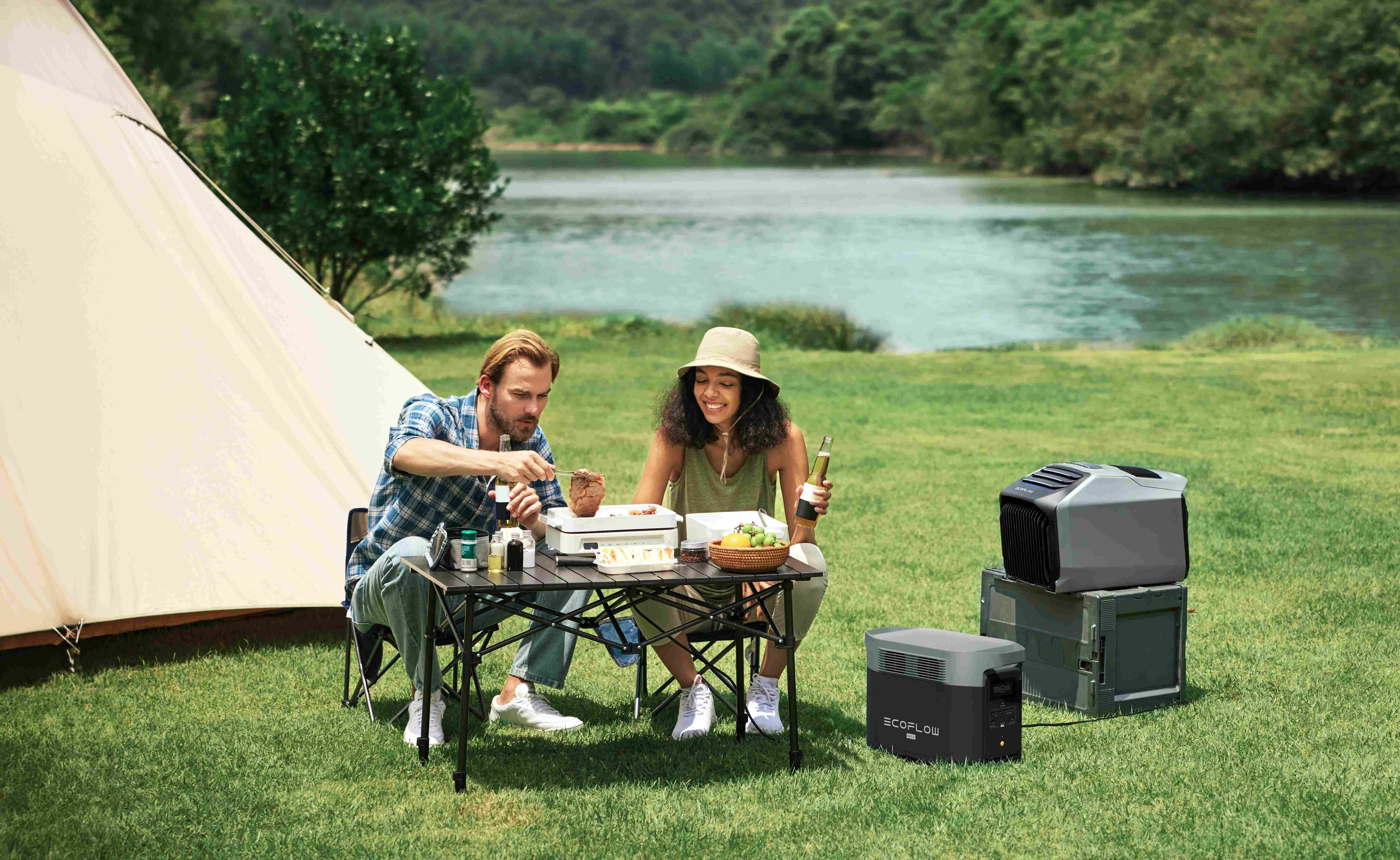
A power station is a portable battery system that usually includes built-in outlets, charging controls, and an inverter, which is the part that turns battery power into the kind of electricity many household-style devices use. In simple terms, it is designed to work as a complete grab-and-go power source.
That all-in-one design is why many campers like it. You do not need to build around it as much. In many cases, you can charge it, carry it, plug in your essentials, and go.
A Leisure Battery Is Part of a Larger Setup
A leisure battery is a battery made for steady, repeated use in caravans, campers, and boats. Unlike a starter battery in a car, it is meant to support onboard power over time rather than just start an engine.
It is important to note that a leisure battery is usually only one part of a wider system. It often works with separate wiring, chargers, fuses, and outlets. That can be a good fit for people with a fixed caravan setup, but it usually takes more planning and installation.
Why the Difference Matters
This is the real dividing line. A leisure battery is often part of a built-in system. A battery power station is usually a complete portable solution.
That difference affects setup time, ease of use, charging options, and how easily the system can move from a campsite to a vehicle or even into your home.
Which Option Fits Camping and Caravan Travel Better
The better choice depends less on theory and more on how you actually camp. Travel style changes everything.
Portable Power Stations Fit Flexible Travel
A portable power station is typically the simpler option for short caravan vacations, tent camping, and weekend excursions. Nothing needs to be installed, and your car doesn't need any modifications. All you have to do is pack it, charge it, and get going.
Additionally, it works well if you want electricity that you can easily pick up and move, camp in different locations during the year, or transfer between different vehicles. A portable arrangement makes a lot of sense for anyone who wants flexibility without the additional planning.
Leisure Batteries Fit Fixed Caravan Setups
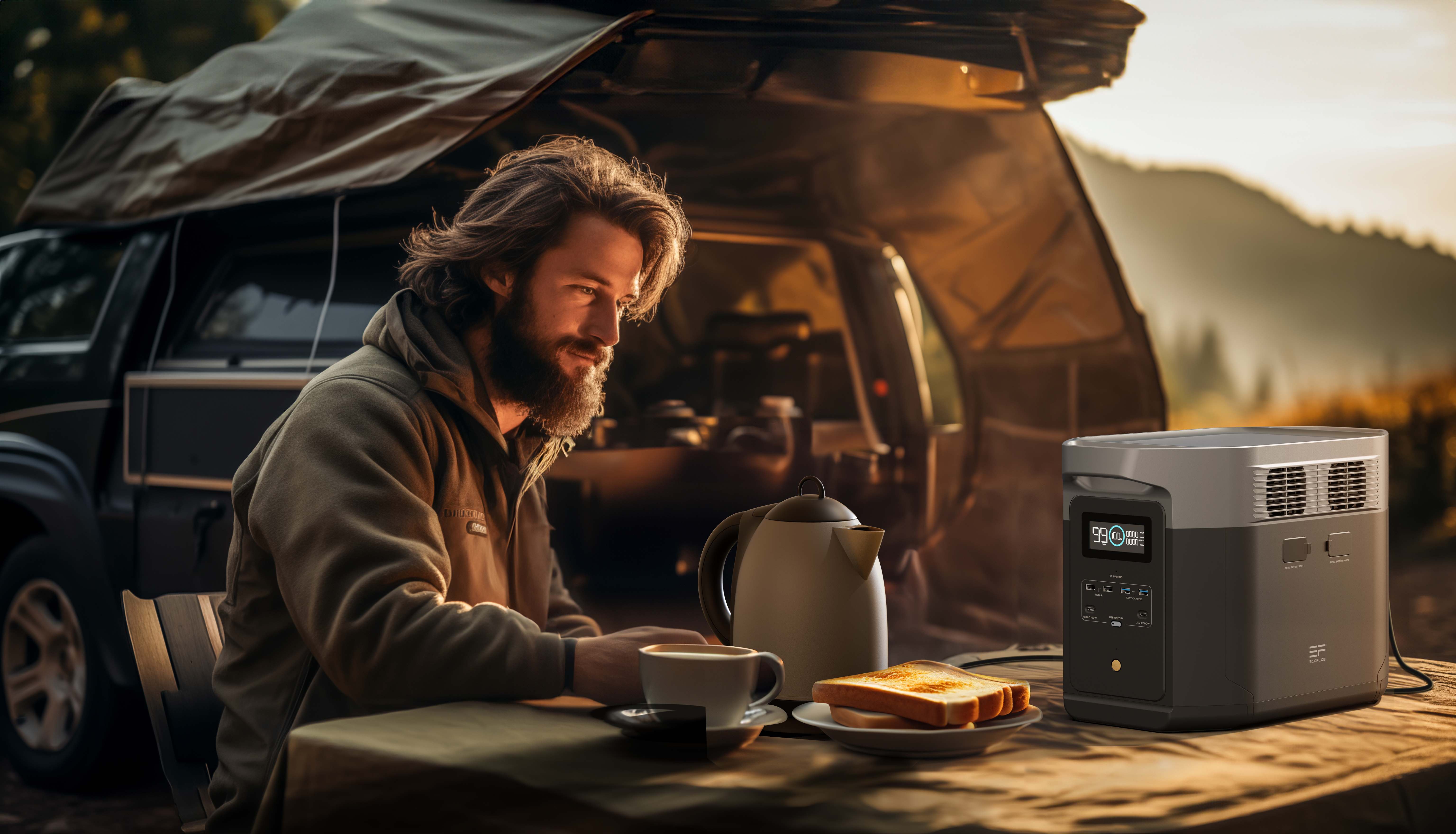
A leisure battery can work in a caravan with a more permanent electrical layout, especially when there is already space for battery components and a system designed around them. Even so, it is usually only one part of a wider setup and may still require separate wiring, chargers, fuses, and outlets. For many campers, a portable power station remains the easier option because it needs less setup, is simpler to move, and can be used across different trips and vehicles.
That said, this option tends to work best for owners who are already comfortable with electrical planning or have a system in place. If you are starting from scratch, the setup process takes more time and know-how than most casual campers want to deal with.
Ease of Use Often Makes the Decision
For many people, convenience decides the issue. A portable unit is easier to move, easier to charge in different ways, and easier to use for devices that need standard wall-style outlets.
That does not make a leisure battery outdated. It simply means a portable power station for camping often suits people who want less setup and more flexibility.
How To Choose the Right Battery Power Station for Your Travel Style
Buying the right setup becomes easier when you focus on real habits. Start with your daily use, not your most ambitious camping scenario.
Think About What You Actually Power
Most campers do not need to run everything. They usually want reliable electricity for the items that shape comfort and convenience.
A practical list often includes:
Phones and tablets
Lights
Fans
Laptops or cameras
Small kitchen devices
Medical devices such as a CPAP, which is a machine that supports breathing during sleep
If that list looks familiar, a battery power station may feel more natural than building out a fixed battery system from several separate parts.
Think About How You Recharge
Charging options matter just as much as storage. Some travelers mostly recharge at home before a trip. Others rely on campground hookups, solar panels, or charging from the vehicle while driving.
The term shore power means electricity from an outside source, such as a campground outlet. If you camp with shore power often, many systems can work well. If you camp off-grid, which means away from utility hookups, flexible recharging becomes more important.
Think About How Often You Move
A system that works well in a parked caravan may feel less convenient on a trip with frequent stops. If you move often, portability becomes part of everyday comfort.
That is where portable power stations often pull ahead. They are easier to lift out, use elsewhere, and store when the trip is over. For campers who want fewer complications, that makes a real difference.
Why Portable Power Stations Matter Beyond the Campsite
Camping is often the first reason people look at stored power. It is not always the last.
Support Backup Planning at Home
Camping is often the first reason people look at portable power. Later, many realize the same setup can also be useful during outages at home. Energy storage is now widely associated with backup use because stored electricity can help keep lights, communication devices, and other everyday essentials running when grid power is interrupted. Smaller portable units are also part of that broader storage picture, not just large home systems.
That crossover matters for another reason. Emergency preparedness resources continue to stress the safety limits of fuel generators, especially around exhaust and carbon monoxide risks, which is one reason battery-based backup power has become more appealing for many households. For campers and caravan users, that makes a power station feel less like a single-purpose travel item and more like a practical part of everyday backup planning.
A Natural Fit for Campers Who Want More Flexibility
For many campers, the real value of portable power is not just getting electricity at the campsite. It has one system that can move easily between travel, everyday convenience, and backup use at home. That kind of flexibility matters even more when your routine changes from one trip to the next.
The EcoFlow DELTA 2 Max Portable Power Station fits well for users who want more than a basic weekend setup. It offers 2048Wh capacity, 2400W output, expandable capacity up to 6kWh, and support for up to 1000W solar input. Those features make it a strong match for campers who want more day-to-day flexibility and a setup that can stay useful beyond the campsite. It also uses LFP battery chemistry and supports X-Boost up to 3400W, which gives it more flexibility for camping, caravans, and backup use.
Compare Your Options and Choose What Fits
For camping and caravan travel, the better option depends on how you plan to use power. A leisure battery can suit caravans with a more established onboard electrical system, while a portable power station can be a practical choice for travelers who want a simpler, more portable setup. By looking at what you need to power, how you recharge, and how often you move, it becomes easier to choose the option that fits your travel style.
FAQs
Q1: Can You Run a CPAP Machine on a Portable Power Station While Camping?
Yes, and this is one of the most practical uses for a battery-powered station at the campsite. Many portable power stations can support a CPAP machine overnight, but actual runtime depends on the machine’s power draw and your battery capacity. Just verify the wattage of your machine and compare it to the output specifications of the power station before purchasing, if you usually camp and depend on a CPAP. Additionally, a larger unit will provide you with more nights between charges, which is crucial for longer travels.
Q2: How Do You Know What Size Power Station You Actually Need?
Start by calculating the total wattage of the devices you want to use, then consider how many hours you spend using each one each day. A portable refrigerator that runs all night requires a lot more power than a fan and a phone charger. Generally speaking, having greater capacity increases your flexibility, particularly on longer travels or cloudy days when solar recharging takes longer. Generally speaking, having a little more is preferable to running out in the middle of the journey.
Q3: Can a Power Station Charge Multiple Devices at the Same Time?
Indeed, the majority of portable power stations have multiple output connectors, such as USB ports, AC outlets, and occasionally a 12V car-style port. This implies that you can simultaneously power a lamp, run a fan, and charge your phone. Just keep in mind that running multiple devices at once uses more stored power, which can shorten the runtime before the next recharge.
Q4: Is It Safe To Leave a Power Station Charging Overnight?
Yes, for the majority of contemporary portable power stations. A battery management system, also known as a BMS, is a feature of high-quality units that keeps an eye on charging and guards against problems like overcharging or overheating. Because of this, charging overnight is far safer than it might seem. Charge it in a well-ventilated space away from combustible objects to be extra cautious, and don't leave it on a soft surface that could retain heat, like a bed or couch.
For press requests or interview opportunities, reach out to our media team
media.na@ecoflow.com