4 Best Off-Grid Power Solutions for Rural Homes & Remote Land
When your rural home or remote land parcel sits outside a reliable grid reach, you need off-grid power.
The right off-grid power system can handle your daily energy needs beyond just short outages. But choosing the correct option depends on your property size, load profile, and how much sun your area gets. There's no one solution for every situation.
Here's a breakdown of the four best EcoFlow options, from a capable starter setup to a high-output whole-home system.

EcoFlow’s Top Off-Grid Power Solutions for Rural Homes & Remote Land
Best for Getting Started: EcoFlow DELTA Pro 3 + 400W Solar Panel
Best for Whole-Home Backup on Rural Property: EcoFlow DELTA Pro Ultra + Smart Home Panel 2
Best for High-Demand Off-Grid Living: EcoFlow DELTA Pro Ultra X + Smart Home Panel 3
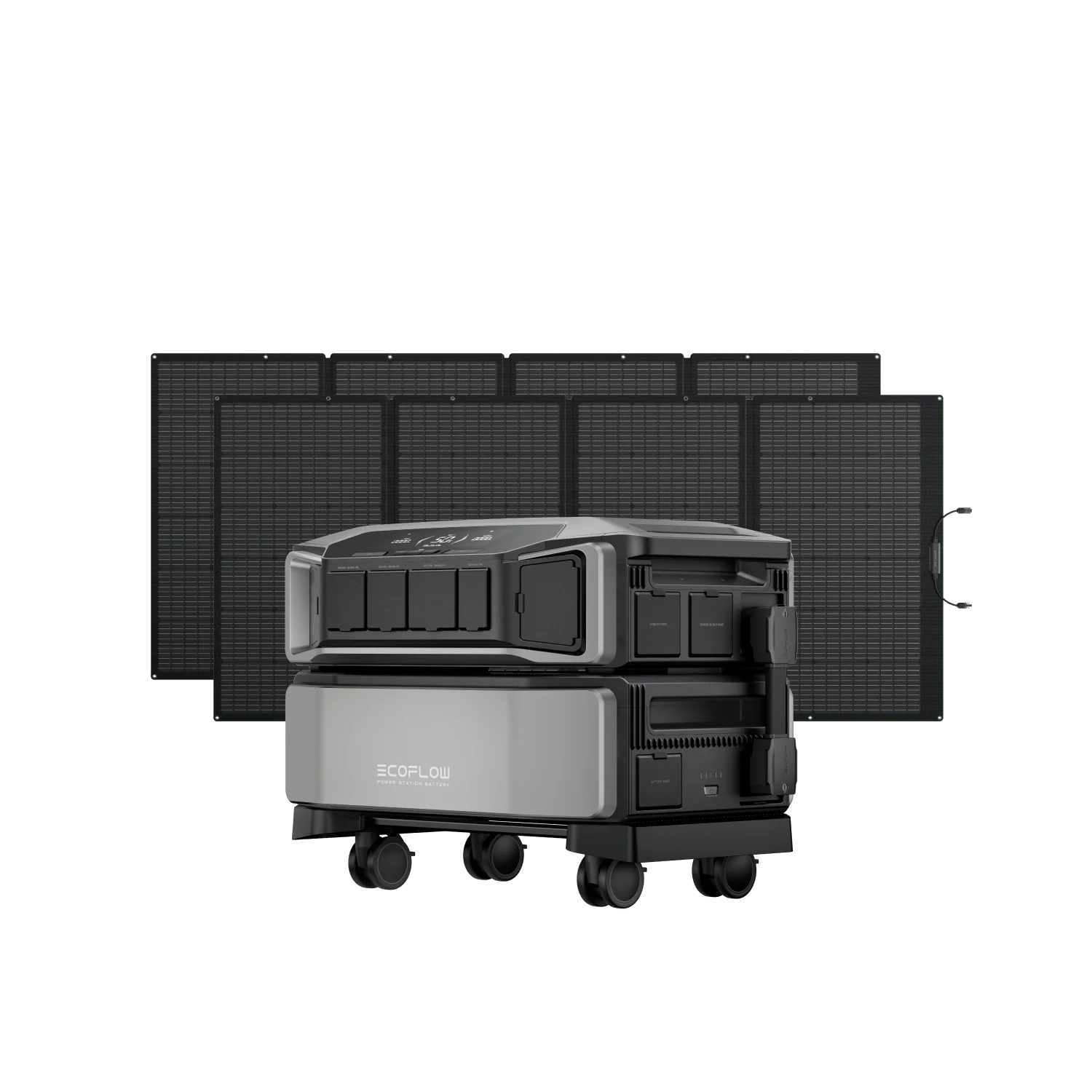
Best for Maximizing Solar Self-Sufficiency: EcoFlow DELTA Pro Ultra Solar Generator + 2×400W Solar Panels
Best for Getting Started: EcoFlow DELTA Pro 3 + 400W Solar Panel
If you're new to off-grid power, start with the EcoFlow DELTA Pro 3 + 400W Solar Panel. Its 4000W AC output can easily handle critical loads such as refrigeration, lighting, well pump starts, and basic appliances for your cabin or outbuilding.
Use its dual PV ports to connect up to 2600W of solar input. The included EcoFlow 400W Solar Panel will get you started, and you can add additional panels as needs grow.
You can also expand the battery’s capacity up to 12 kWh by adding extra batteries.
This is a good entry point if you want solar capability without having to commit to a full panel installation or home integration.
Best for Whole-Home Backup on Rural Property: EcoFlow DELTA Pro Ultra + Smart Home Panel 2
When you need something more robust for whole-home backup, the single inverter of the EcoFlow DELTA Pro Ultra + Smart Home Panel 2 delivers 7.2 kW output, which is enough to run a 3-ton central AC alongside all of your other central loads.
When paired with the Smart Home Panel 2, it integrates with your home's existing circuits and can manage 12 circuits with 20ms automatic switchover.
If your energy needs grow, it can scale to 90 kWh capacity and 21.6 kW output across three inverters. Starting here and expanding over time can be a realistic and affordable path.
The system is also compatible with rooftop solar arrays. It can become a practical foundation for your rural property as you move toward full energy independence.
Best for High-Demand Off-Grid Living: EcoFlow DELTA Pro Ultra X + Smart Home Panel 3
When an on-grid system isn’t an option because there's no grid signal to be found, you need an off-grid power system, like the EcoFlow DELTA Pro Ultra X plus Smart Home Panel 3.
This option is built for properties running full HVAC, plus workshop equipment, EV charging, and more, along with regular household loads. Its 12kW base output is expandable to 36kW with extra batteries.
It also accepts up to 10kW solar input, which is enough to recharge 12kWh to 80% in roughly an hour on a clear day.
The Smart Home Panel 3 can manage 32 circuits using AI-based load prioritization, extending your runtime by up to 42% by throttling non-essential loads during periods of low solar production.
Best for Maximizing Solar Self-Sufficiency: EcoFlow DELTA Pro Ultra + 2×400W Solar Panels
If you want a system configured specifically around solar as the primary fuel source, the EcoFlow DELTA Pro Ultra + 2x400W Solar Panels is the most suitable bundle.
It includes 800W of included panel capacity, feeding a system that can accept up to 5.6 kW of PV input per inverter, so there's room to expand your solar array up to 16.8kW as you better understand your property's solar potential.
If you have grid access, but want to maximize your energy independence and cost savings, use the time-of-use in self-powered modes within the EcoFlow app to shift your energy consumption away from costly peak periods.
What to Consider When Choosing an Off-Grid Power Solution
Total Load Requirements: Whole-home off-grid demand includes high-draw appliances like well pumps, HVAC, and chest freezers. Size your system using peak simultaneous load, not your average daily consumption.
Solar Input Capacity: A higher PV input ceiling shortens the system's recovery time after cloudy stretches, which is critical for properties without grid backup.
Expandability: Your off-grid energy may grow over time, so look for systems that support additional battery stacks or inverters to protect your investment.
Battery Chemistry and Weather Performance: LFP chemistry can handle extreme temperatures better than NMC or lithium-ion, and is a safer choice for unattended installations.
Circuit-Level Control: Having the ability to prioritize certain loads by circuit can extend your power solution’s runtime during low solar periods by placing non-essential draws offline until your reserves recover.
Frequently Asked Questions
What Is the Best Power System for Off-Grid?
There's no one single answer. It depends on your load size, available sunlight, and whether your property needs full home integration or standalone coverage for essential appliances. Start by identifying your peak simultaneous wattage, daily kWh consumption, and minimum battery reserve needed to cover a low sun stretch.
How Big of a Power System Do You Need To Be Off-Grid?
A typical rural home may need 30–60 kWh daily capacity. Your solar array size should match or exceed your daily consumption during average sun hours for your area. Your battery capacity should cover the overnight drop plus a cloudy day reserve.
Final Thoughts
Implementing off-grid power in your rural home or remote land is a long-term infrastructure decision. Choose the right system today, and you'll leave room for your energy load to grow in the future.
Explore the EcoFlow DIY bundle collection to build a customized off-grid power system tailored to your property and energy needs.
For press requests or interview opportunities, reach out to our media team
media.na@ecoflow.com