Plug-In Solar in Utah: HB 340 Is Law - How to Set Up a Legal Balcony Solar System Right Now
- What Is Utah HB 340, and What Did It Change?
- What Counts as a Legal Plug-In Solar System Under HB 340?
- What Are the Safety and Certification Requirements?
- What Equipment Do You Need to Set Up a Balcony Solar System in Utah?
- How Do You Install a Plug-In Solar System Step by Step?
- How Much Can a Plug-In Solar System Save on Your Utah Electricity Bill?
- Frequently Asked Questions
- Save Money, Gain Resilience, and Stay Compliant with Balcony Plug-In Solar
Until recently, setting up residential solar in Utah meant permits, utility agreements, and professional installation costs. HB 340 removes all of that for systems under 1200W. Now you can legally set up a plug-and-play balcony system, without professional installation or utility connection agreements.
This guide explains what the requirements are to ensure your balcony solar is safe and compliant, so you can start saving money on your monthly bills.
What Is Utah HB 340, and What Did It Change?
For a long time, installing residential solar panels (also called photovoltaics) in Utah meant navigating a maze of paperwork for municipal permits, utility interconnect agreements, and professional installations, which significantly increased the cost and complexity of home solar system.
However, in May 2025, Utah adopted House Bill 340 (HB 340), which establishes clear, legal parameters for consumer-installed (DIY) systems. At the time of writing, this law allows plug-in solar panels to be connected directly into your home’s electrical system without interconnection agreements or professional installation, drastically cutting installation costs and eliminating red tape.
What Counts as a Legal Plug-In Solar System Under HB 340?
HB 340 explicitly allows plug-in systems with up to 1200W of backfeed allowed through a standard 120V AC plug. As long as the system isn’t over 1200W, the new law exempts them from the more complex approvals required for larger photovoltaic systems.
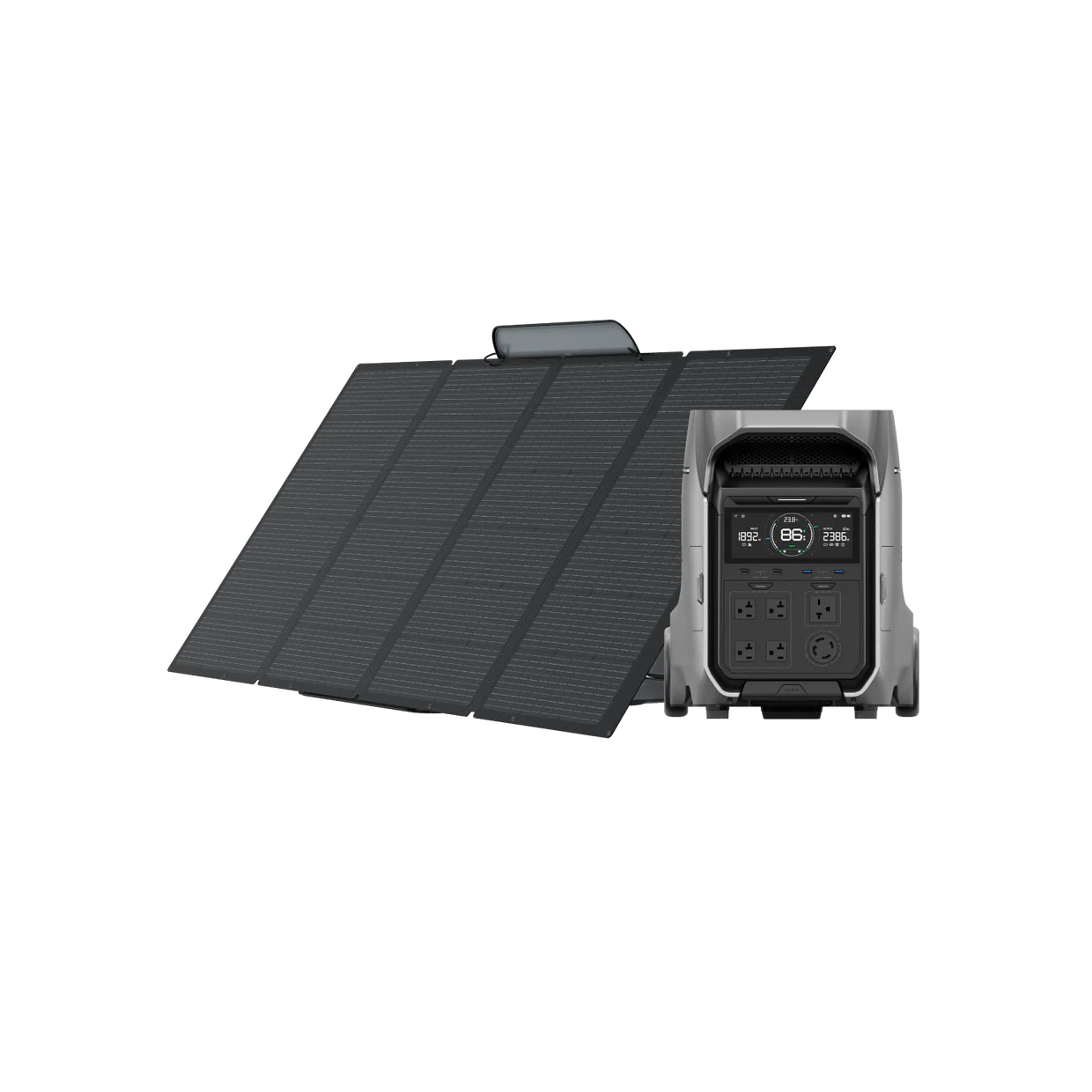
This opens up a range of possibilities around plug-and-play solar for renters who want to lower their power bills but simply cannot invest in a permanent array where they live. It also allows homeowners to set up a plug-in system like the EcoFlow DELTA Pro 3 Solar Generator + 400W Solar Panel and stay compliant while enjoying the added protection of a backup battery to keep their lights and essential appliances running when the grid goes down.
What Are the Safety and Certification Requirements?
HB 340 removes most regulatory hurdles for systems up to 1200W and still enforces safety standards to protect consumers, the grid, and those working on the home or grid.
Under the new law, any plug-in system must meet the safety standards of the most recent version of the National Electrical Code.
The components must also be certified by Underwriters Laboratories (UL) or an equivalent nationally recognized testing lab. One key standard to look for is UL 1741, which outlines safety and performance requirements for microinverters and inverters, including those already integrated into home battery systems.
What Equipment Do You Need to Set Up a Balcony Solar System in Utah?
Solar panels: Choose high-efficiency photovoltaics (>23%) that are designed to fit into compact spaces.
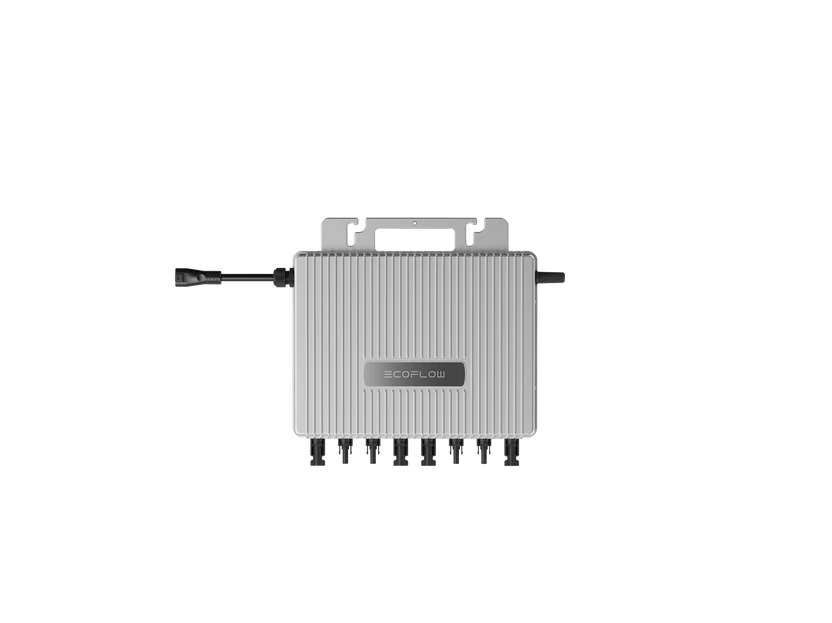
Microinverter: The EcoFlow STREAM Microinverter, UL 1741 compliant and currently permitted for use in both Utah and Maryland, is needed to convert the DC power generated by your photovoltaics into the 120V AC power that your home needs.
Connection cable: A dedicated AC cord connects the microinverter safely to a standard 120V outdoor wall plug, enabling solar energy to enter your home’s electrical system.
Mounting hardware: These include brackets or weighted mounts that keep your panels optimally angled toward the sun to maximize output while resisting high winds.
Battery storage: This optional component allows you to store solar energy. While plug-and-play systems can’t replace a whole home backup power solution, they will still provide clean energy for use at night or during power outages.
If you own your home and want to go beyond what a plug-in system can offer, the EcoFlow DELTA Pro Ultra X Whole-Home Backup Power is worth considering alongside your balcony solar setup. While HB 340 opens the door for renters and homeowners to start small, the DELTA Pro Ultra X is designed to back up your entire home, keeping critical appliances, HVAC, and lighting running through extended outages without any compromises.
How Do You Install a Plug-In Solar System Step by Step?
Whether you're renting and want a no-reno apartment energy hack or you own a suburban home and want balcony solar to reduce your monthly bills, DIY plug-in photovoltaics are a manageable process:
Evaluate your space, choosing an area and angle with maximum direct sunlight without shading by trees or buildings.
Select compliant equipment, ensuring your total panel wattage is 1200W or less and that your microinverter complies with UL 1741 standards.
Securely mount the photovoltaics to your balcony railing or place them on sturdy ballasted ground mounts following the manufacturer's instructions.
Connect the microinverter to the solar panels using provided DC cables, keeping the cable elevated and shielded from water.
Plug the AC cable from the microinverter directly into a dedicated 120V outdoor-rated wall outlet to supply your home with solar.
How Much Can a Plug-In Solar System Save on Your Utah Electricity Bill?
Utah is an excellent state for photovoltaics, with abundant sunshine year-round.
With Utah averaging 5–7 peak sun hours per day and the average utility rate sitting at 13.17 cents per kWh in March 2026, a 1200W system set up with plenty of direct sunlight could save you hundreds of dollars annually.
Frequently Asked Questions
Do You Need Utility Approval for a Balcony Solar System in Utah?
No, with the passing of HB 340 in May 2025, you currently do not need utility approval since the new law exempts “plug-in solar” from the lengthy approvals that larger, more permanent systems require.
What Is the Maximum Wattage Allowed Under HB 340?
Under HB 340, the maximum wattage that’s currently allowed for a plug-and-play solar system in Utah is 1200W. Anything over 1200W is not exempt under the new law and still requires the standard permits, licensed electricians, and utility approvals.
Save Money, Gain Resilience, and Stay Compliant with Balcony Plug-In Solar
Thanks to Utah’s new House Bill 340, homeowners and renters alike can enjoy the cost savings of plug-and-play photovoltaics. As long as your system is under 1200W, you can install it without a certified electrician and skip the permits and utility agreements.
And when you choose a complete system like the EcoFlow DELTA Pro 3 Solar Generator + 400W Solar Panel connected to a 120V outdoor wall plug via a UL 1741-certified EcoFlow STREAM Microinverter, you stay compliant and gain the energy resilience to keep your home running when the grid goes dark.
For press requests or interview opportunities, reach out to our media team
media.na@ecoflow.com