Can Renters Install Solar Panels? What Your Lease and Landlord Need to Know in 2026
- What “Installing Solar” Means When You Rent
- Lease, Landlord, and HOA Rules You Need to Check First
- Safety, Codes, and Liability in 2026
- Renter-Friendly Solar Options That Don’t Require Permanent Changes
- Choosing a System That Fits Your Space, Budget, and Move-Out Timeline
- Frequently Asked Questions
- Go Solar without Giving Up Flexibility in Your Rental
Clean solar power used to be restricted to homeowners who could afford permanent installations. But legislation and technology are catching up, and in 2026, many tenants can now take advantage of solar power too. With plug-and-play balcony setups or portable solar generators, you can offset your electricity bills even if you’re renting.
What “Installing Solar” Means When You Rent
Installing solar as a renter does not mean hiring a team of contractors and installing a permanent setup on your roof. It means using temporary or portable setups to generate power without altering the building’s structure. You can realistically deploy solar in several ways:
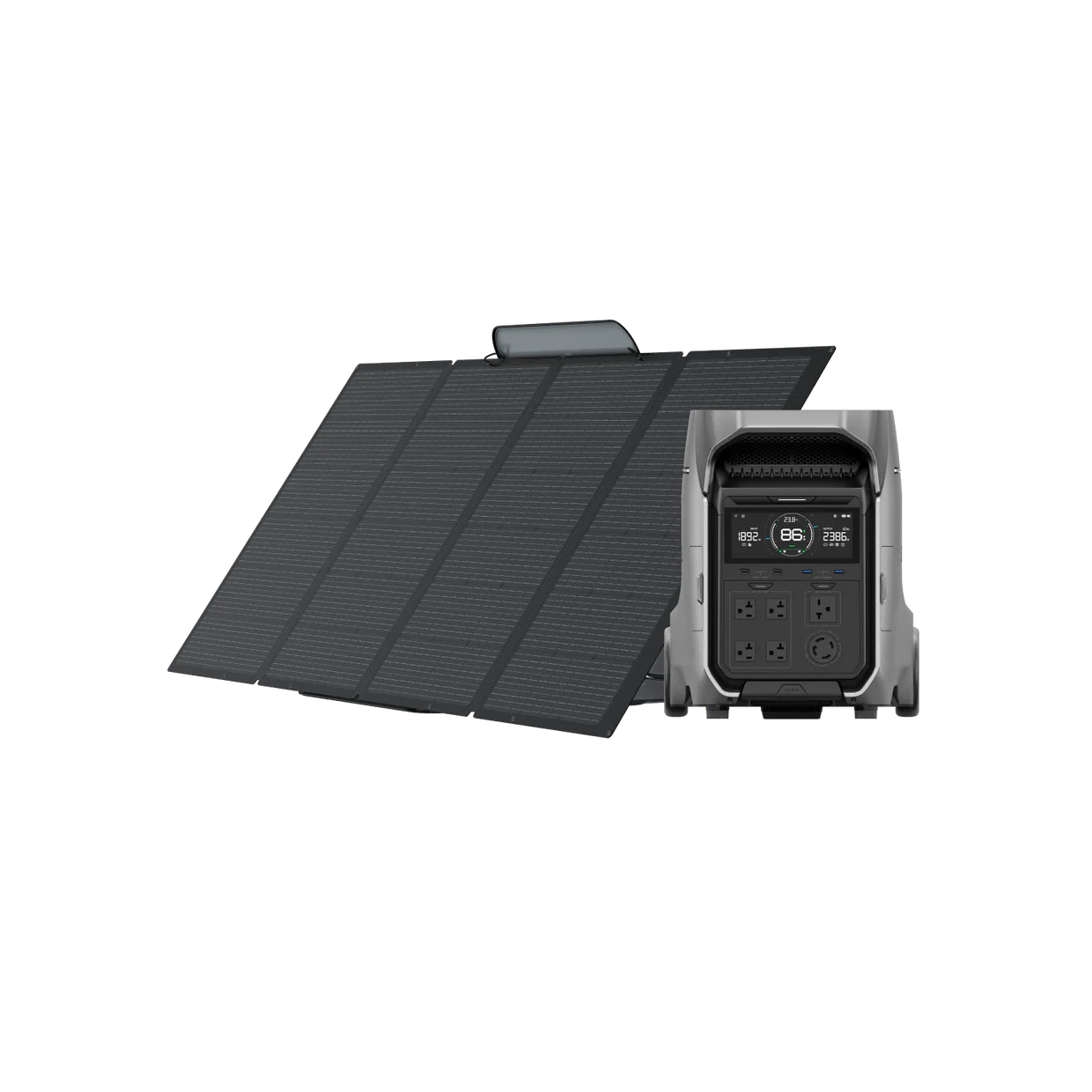
Portable Solar Generators: Devices like the EcoFlow DELTA Pro 3 Solar Generator are self-contained plug-and-play systems that pair a portable power station with folding solar panels. You can charge them up and take them anywhere, even on vacation.
Rooftops & Yards: Standalone single-family homes can use ground-mounted or weight racking systems that require no excavation.
Balconies & Patios: Mini-solar setups are growing in popularity in apartments. So-called “balcony solar” uses lightweight panels mounted to the railings with temporary clamps to generate power.
Windows & Exterior Walls: Ultra-thin solar panels can be hung inside south-facing windows or attached to patio walls using adhesives or suction cups.
Lease, Landlord, and HOA Rules You Need to Check First
Before you invest in any solar equipment, check through the lease agreement. Standard residential leases include a "modifications clause," which prohibits tenants from making structural changes, drilling holes into exterior walls, or altering the electrical wiring without getting written consent from the landlord.
Violate this clause, and you risk losing your security deposit or even facing eviction.
Also, check the local Homeowners’ Association (HOA) bylaws or the condo board. Your landlord may give you permission, but the HOA usually governs the exterior aesthetics and may have bans on things like balcony equipment, hanging wires, and items you attach to the railings.
You’ll also need to be clear about removal and restoration requirements when the lease ends. You may be legally required to return the property in its original condition, and that includes removing solar installations and leaving behind no damage or structural wear.
Safety, Codes, and Liability in 2026
In 2026, state-level legislation has reshaped the legal and regulatory landscape across the United States.
Utah, Virginia, Maine, Colorado, and Maryland have either advanced or passed new laws on “Plug-and-Play Solar” under 1,200 watts. However, tenant rights vary, and your landlord can still determine how or if panels are mounted to the exterior structure of the building.
On January 8, 2026, the launch of the UL 3700 safety standard established the dedicated American safety certification for plug-in photovoltaic equipment. This addresses the safety risks of backfeeding power into home outlets. It requires built-in ground-fault protection and automatic anti-islanding mechanisms that shut the system down if the main grid fails.
However, renters still need to confirm liability. If you’re using a non-certified solar kit that causes an overload or short circuit, or causes a fire, renters’ insurance may deny coverage, leaving you liable for property damage. Always verify that the equipment you use meets UL safety benchmarks.
Renter-Friendly Solar Options That Don’t Require Permanent Changes
If you want green energy without the need for structural approvals, a system with a backup battery and portable solar panels is a practical, permission-free option.
With one of these, you can bypass the need for a landlord’s permission because they are categorized as personal property and household appliances, and there’s no need for permanent modifications to the building.
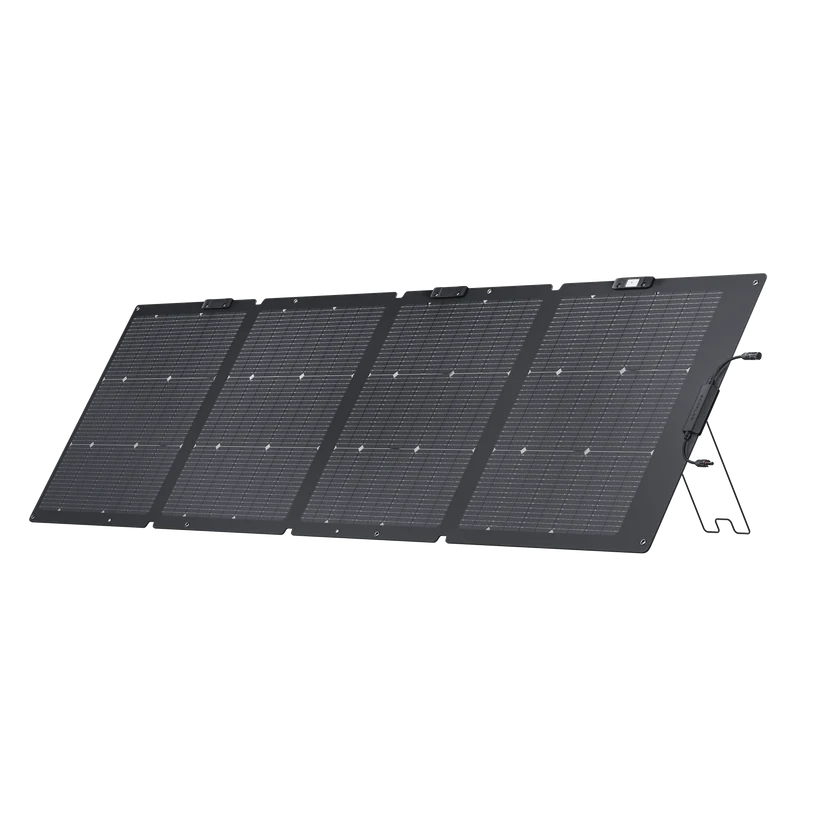
While homeowners may use a setup like the EcoFlow DELTA Pro Ultra X for whole-home power, smaller portable power stations can be paired with solar panels such as EcoFlow NextGen 220W Bifacial Portable Solar Panel that you can unfold on a balcony or patio to charge up the battery. Then you can use the device to run appliances entirely off-grid.
Choosing a System That Fits Your Space, Budget, and Move-Out Timeline
While a system like a whole home generator may not be suitable for tenants, smaller systems are ideal. You can use a portable power station with solar panels anywhere, and you can even take it camping because it’s so flexible.
Start by evaluating your space and the amount of sunlight your home receives on the balcony and patio. Then define your budget. Devices range from a few hundred to a few thousand dollars, so calculate how much you are willing to invest.
You should also consider how long you will stay in your current home. If you’re moving out soon, an ultra-lightweight and portable setup is best. However, if you’re staying for many years, a larger system might be a better option.
Frequently Asked Questions
Can I Install Solar Panels without Landlord Permission?
Only self-contained, portable generators are allowed, and not systems that attach to the building’s structure or plug into the wall to backfeed the grid. You will need written permission from your landlord to mount rigid panels on the balcony or drill holes for cables, but anything that is portable and can be attached temporarily should be fine.
What Are the Best Non-Permanent Solar Options for Renters?
Portable solar generators that combine folding solar panels with a power station are ideal. These are standalone appliances that use flexible solar panels, so you can use solar power to charge up the power station without any installation or drilling.
Do Renters Need Permits for Portable or Balcony Solar Panels?
No permits are needed for portable solar generators that are off-grid, but you may need a permit for plug-in systems that plug into outlets to backfeed power. It depends on your state. Utah has eliminated utility permitting for certified devices under 1,200 watts, but this remains a gray area in other states, so always check local municipal codes.
Will a Solar Generator Affect Renters’ Insurance or Apartment Safety?
No, a certified solar generator using high-grade batteries that’s safe for indoor use is unlike a traditional generator. These produce zero emissions and are safe to use, so your renter’s insurance should remain intact. However, always check your policy details to be sure.
Go Solar without Giving Up Flexibility in Your Rental
You can enjoy the benefits of solar power even if you’re renting by choosing the right system for your home. With plug-and-play technology, you can use solar power to lower your bills, reduce your carbon footprint, and enjoy a reliable emergency backup system that you can take to your next home and even on vacation.
Explore EcoFlow's high-quality portable power stations to find a solution for your home. You can choose from a range of power outputs to suit your specific needs.
For press requests or interview opportunities, reach out to our media team
media.na@ecoflow.com