Plug-In Solar in Maine: New Law Takes Effect July 2026 — What You Need to Know
- What Maine’s LD 1730 Changes Starting in July 2026
- Who Can Use Plug-In Solar and What the Two Tiers Allow
- Safety, Installation, and Utility Steps You’ll Need to Follow
- Where Plug-In Solar Works Best in Maine and What It Can Realistically Power
- Costs, Savings, and How Plug-In Solar Fits Into a Bigger Home Energy Plan
- Frequently Asked Questions
- Accessible, Safer Solar Savings for Maine Homes Without Rooftop Changes
Maine's LD 1730 takes effect July 15, 2026, and it changes how homeowners and renters can access solar power. For the first time, you can connect a small solar system directly to your home's electrical circuit without professional installation or permits, and for the smallest systems, without utility notification either.
This guide covers how the law works, what each tier allows, and what you need to get started.
What Maine’s LD 1730 Changes Starting in July 2026
Beginning in July 2026, Maine is set to become one of the first states in the US to create a framework for plug-in solar systems. This new law, LD 1730, establishes rules allowing small solar systems to connect directly to household electrical circuits.
What difference does that make?
Usually, residential solar installations require professional installation, permits, dedicated electrical connections, and coordination with utility companies. Plug-in solar offers a simpler alternative for homeowners and renters who want to generate some of their own electricity without major modifications to their property.
The new law is designed to preserve safety while making solar power more accessible. It creates a regulated path for approved plug-in solar equipment that meets certification, utility notification, and operational requirements.
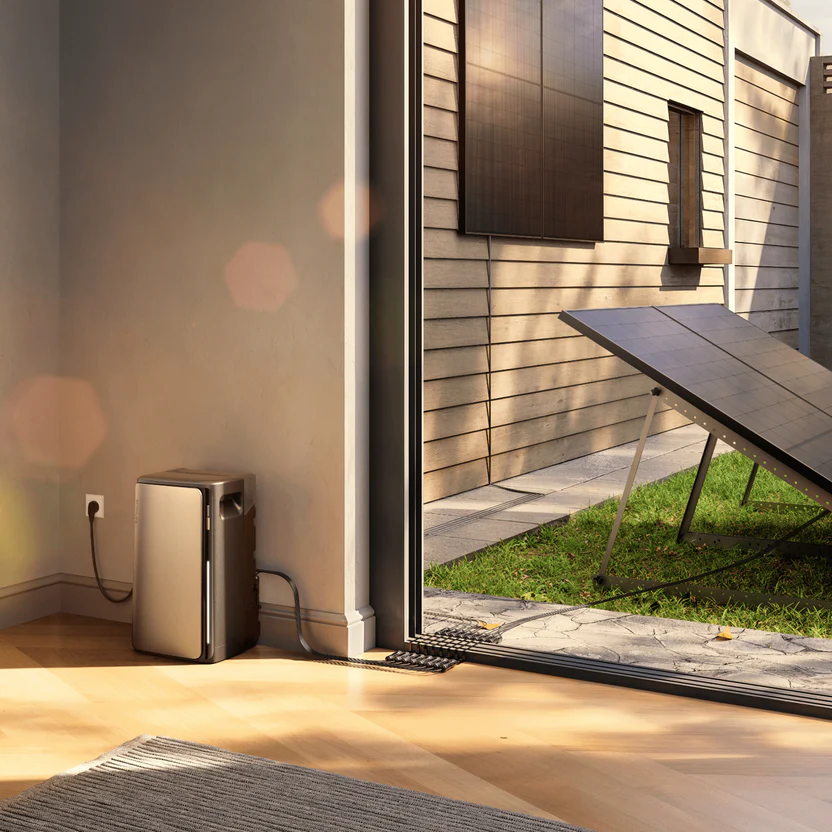
Plug-in solar panels offer one of the easiest ways to start generating your own electricity. Paired with a battery-equipped system like the EcoFlow STREAM Ultra + Microinverter, you can also store what you generate and draw on it during evenings or outages, making plug-in solar more than just a daytime offset.
As of June 2026, EcoFlow STREAM is available in Maryland and Utah, with EcoFlow expanding to more states as local regulations allow.
Who Can Use Plug-In Solar and What the Two Tiers Allow
LD 1730 establishes two different system categories based on size and output.
Tier 1 (Up to 420W Output)
Smaller plug-in solar systems fit into Tier 1. They face fewer requirements and are intended to offset a portion of household electricity consumption.
These smaller systems are suitable for apartments, condominiums, rental properties, and small homes. They’re designed to reduce daytime electricity consumption rather than power an entire home.
Tier 2 (420–1,200W Output)
Larger plug-in solar systems fall into this category.
The systems generate more electricity, which means more energy savings. But they require additional compliance, including a 30-day utility notification window after installation, plus other safety and operational standards covered below.
The law is particularly interesting for renters and residents who may not have been able to install traditional rooftop solar, which often requires professional installation. Plug-and-play solar kits for renters allow anyone to cut down their electricity bills, and LD 1730 is designed to make that easier.
Being able to use solar panels without making permanent structural changes to your property opens renewable energy technology up to a whole new group of people.
Safety, Installation, and Utility Steps You’ll Need to Follow
The whole point of plug-in solar is that it's simpler than a conventional installation. Still, there are specific rules depending on your system size.
Approved Equipment
All plug-in solar equipment must meet applicable safety standards. LD 1730 references UL 3700 certification as the benchmark but also allows devices configured in accordance with the National Electrical Code. Manufacturers who wish to sell balcony solar in Maine will need to conform to the safety standards.
Utility Notification
Tier 1 systems (up to 420W) require no utility notification and no interconnection agreement. However, for larger Tier 2 systems (420W–1,200W), you must notify your utility within 30 days of installation.
Electrician Requirement for Tier 2
Tier 2 systems up to 1200W output must be installed by a certified electrician. Tier 1 systems 420W and below can be self-installed (though a qualified electrician is recommended if you're not confident working with your home's electrical system).
Where Plug-In Solar Works Best in Maine and What It Can Realistically Power
Plug-in solar can meaningfully reduce your energy bills, but it's important to keep your expectations realistic.
These miniature solar systems are generally most effective when installed in locations that receive strong sunlight throughout the day. That includes:
South-facing yards, decks, and patios.
Garages.
Open outdoor spaces.
Certain balconies.
Maine isn't Texas or Florida, and doesn't get the abundant sunlight of southern locations. Still, solar can provide meaningful savings, especially during spring and summer.
A balcony or backyard plug-in solar system can help power:
Internet equipment.
Refrigerators.
Home-office devices.
Small appliances.
Lighting.
These systems generally fall in the 800–1200W range, so they don't have the power for electric heating systems, air conditioning, electric water heaters, or other high-draw appliances. How much you actually offset depends on which portable solar panels you choose and how well-positioned they are.
Covering those higher-draw needs, especially during an extended outage, falls to a different category of product.
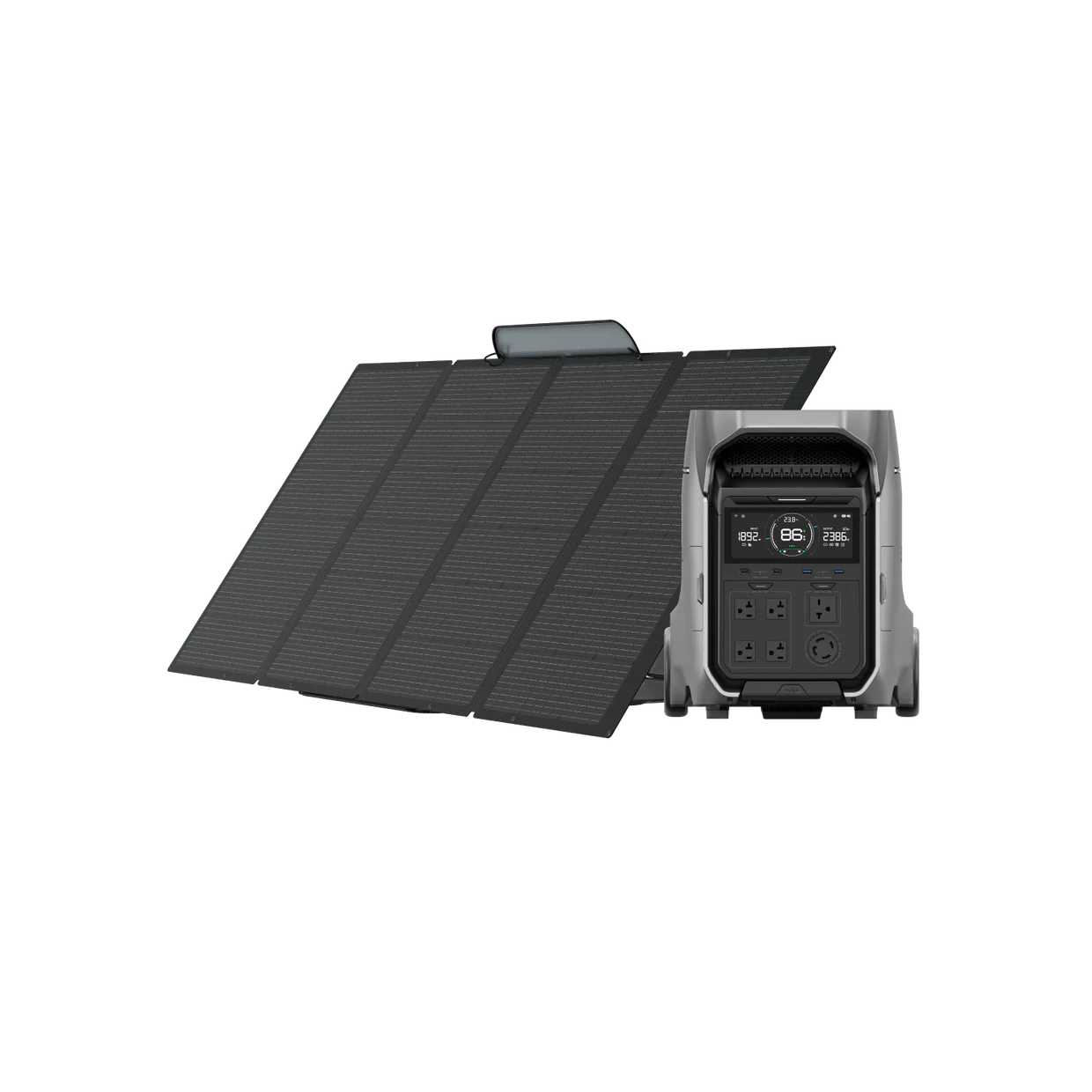
A stand-alone battery like the EcoFlow DELTA Pro 3 Solar Generator can handle more of a home's everyday load, while a larger system like the EcoFlow DELTA Pro Ultra X is built for whole-home backup. Neither is a substitute for plug-in solar's day-to-day bill savings, but they solve a different problem: staying powered when the grid goes down.
Costs, Savings, and How Plug-In Solar Fits Into a Bigger Home Energy Plan
The affordability of plug-in solar is hard to beat. Without the labor and installation costs of traditional solar systems, plug-in solar systems are more accessible to more people.
Benefits include:
Low upfront costs.
Easy installation.
Greater accessibility for renters.
Reduced household electricity consumption.
Expandable energy strategies.
Lots of people begin with a small plug-in solar setup like the EcoFlow STREAM Microinverter and later add battery storage with the EcoFlow STREAM Ultra, which keeps surplus power on hand for evenings and short outages rather than letting it go to waste.
If your energy needs grow beyond a single plug-in system, EcoFlow's home solar systems range from compact plug-and-play kits to larger battery setups, so you can scale up gradually rather than jumping straight to a whole-home system.
As electricity prices continue to rise, combining generation, storage, and backup capabilities allows you to build energy independence and move away from reliance on the energy grid.
Frequently Asked Questions
Can I Install a Plug-In Solar Setup in Maine Without Notifying My Utility?
LD 1730 is intended to reduce notification requirements. However, certain systems will still require utility notification. Small systems will be exempt, while larger systems will need notification.
Does Plug-In Solar Qualify for Net Energy Billing in Maine?
Eligibility for net energy billing depends on your specific system type, utility rules, and the applicable regulations where you are. To be on the safe side, you should verify the requirements with your utility provider before you install any solar system with the intention of qualifying for net energy billing.
Can Plug-In Solar Power My Home During an Outage?
Grid-connected plug-in solar systems stop producing power during outages for worker safety. People working on the grid need to know that no power is feeding into it. However, some plug-in solar systems can be paired with compatible energy storage so that you can use stored power during an outage.
When Will UL 3700-Certified Plug-in Solar Equipment Be Available in Maine?
Availability depends on manufacturers completing the certification processes and releasing approved products. Options are expected to become available as the July 2026 implementation date for LD 1730 comes closer.
Accessible, Safer Solar Savings for Maine Homes Without Rooftop Changes
Maine's new LD 1730 creates a clear, accessible pathway for homeowners and renters to participate in solar energy without the cost or complexity of a traditional rooftop installation.
Plug-in solar is a practical starting point. When you're ready to go further, pairing your system with the EcoFlow STREAM Ultra + Microinverter lets you store what you generate and stay powered through evenings or short outages.
And if your goals grow from there, EcoFlow's home solar systems cover everything from plug-in kits to whole-home backup, so there's room to scale at your own pace.
Note: This article reflects the status of plug-in solar regulations as of the time of writing. Effective dates, implementation details, and product availability may change as the law develops and additional guidance is published. Readers should confirm current requirements before installing a system.
For press requests or interview opportunities, reach out to our media team
media.na@ecoflow.com