Illinois Solar Incentives 2026: Rebates, SREC Payments, and Tax Credits
- Illinois Solar Incentives in 2026: What Homeowners Can Still Claim
- Illinois Shines and SREC Payments: How You Get Paid for Solar Production
- Federal Solar Tax Credit and Illinois Tax Exemptions: What Qualifies and How to File
- Net Metering After 2025: What Changed in Illinois and How It Affects Savings
- Storage and Battery Rebates in Illinois: When a Home Battery Pays Off
- Frequently Asked Questions
- Use Illinois Incentives to Lower Your Solar Costs and Add Backup Power
Illinois homeowners continue to have access to some of the most valuable solar programs in the Midwest. Between state-administered incentive programs, federal tax benefits, and ongoing renewable energy initiatives, installing solar can still significantly reduce the cost of home energy in 2026.
For residents researching state incentives for switching to solar, understanding how these programs work together is important. This article reflects Illinois and the federal policies available at the time of writing. Incentive programs, utility regulations, and tax rules may change in the future.
Illinois Solar Incentives in 2026: What Homeowners Can Still Claim
Illinois residents can still access several valuable solar programs in 2026. The most significant opportunities include Illinois Shines SREC incentives and state tax exemptions that can reduce the overall cost of installation.
Homeowners who installed solar between 2022 and the end of 2025 may also be able to claim the federal Residential Clean Energy Credit (worth 30% of qualified installation costs) if they haven't done so already.
Many homeowners begin their research by searching for solar power incentives and tax credit opportunities available in their area. In Illinois, the ability to combine multiple incentives often produces substantial savings compared to relying on a single rebate program.
Some consumers also wonder whether they can get free solar panels from government programs. While most Illinois homeowners will not receive completely free solar equipment, qualifying low-income households may be eligible for assistance through Illinois Solar for All.
Illinois Shines and SREC Payments: How You Get Paid for Solar Production
Illinois Shines remains one of the state's most important renewable energy programs. Through this initiative, homeowners can receive compensation for the renewable energy their solar systems are expected to generate.
Solar Renewable Energy Credits, commonly called SRECs, represent the environmental value of solar electricity production. Once a system is approved through an Illinois Shines vendor, homeowners can sell those credits through the program, creating an additional source of financial return beyond electricity bill savings.
For many homeowners evaluating state incentives for switching to solar, SREC payments are often the feature that makes Illinois stand out from neighboring states. The exact payment amount depends on factors such as system size, utility territory, and current program pricing.
Federal Solar Tax Credit and Illinois Tax Exemptions: What Qualifies and How to File
The federal Residential Clean Energy Credit continues to be one of the most valuable forms of solar power incentives and tax credit support available to homeowners. Eligible systems installed on a primary or secondary residence can generally claim a tax credit equal to 30% of qualified project costs.
Qualified expenses typically include solar panels, inverters, mounting equipment, wiring, permitting costs, labor, and eligible battery storage systems. Homeowners generally claim the credit by filing IRS Form 5695 with their federal income tax return.
Illinois also offers additional tax advantages. Solar equipment is generally exempt from Illinois sales tax, and qualifying renewable energy systems may receive favorable treatment under state property tax assessment rules.
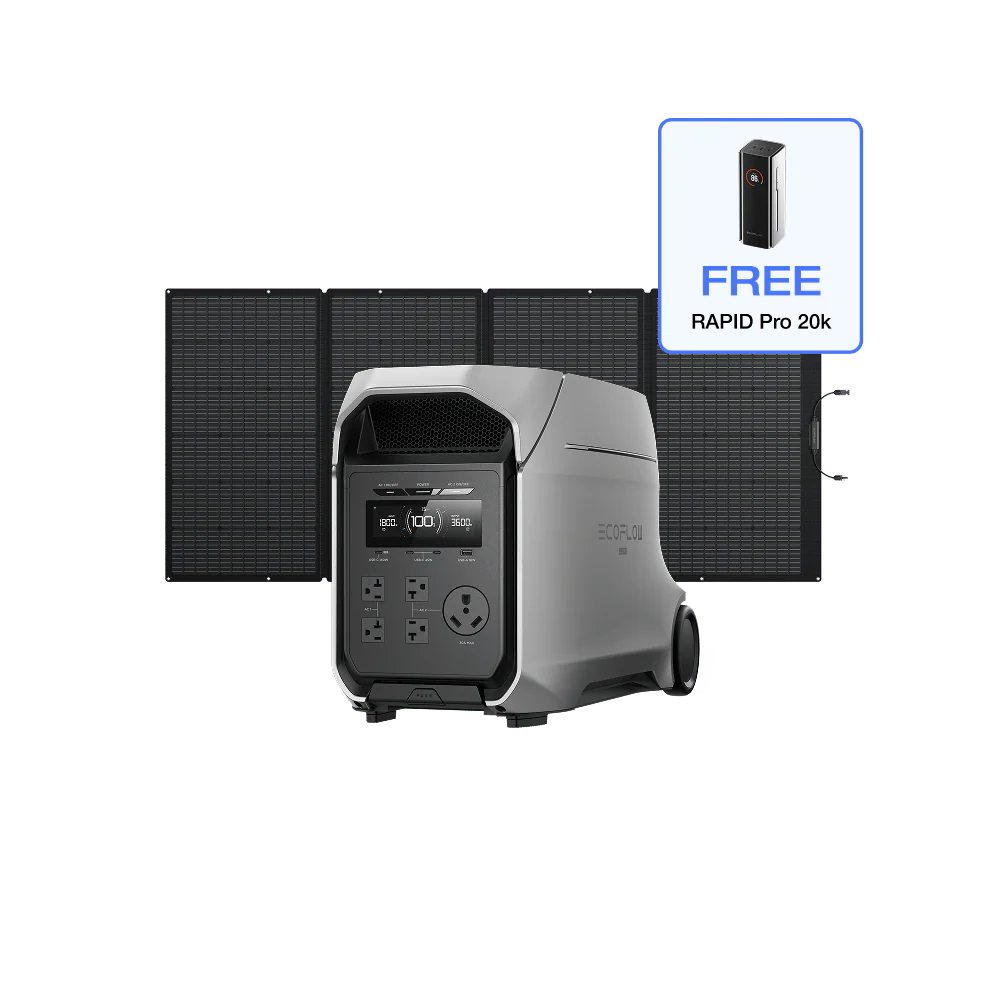
The EcoFlow DELTA 3 Ultra Plus Solar Generator can help you reduce energy costs by generating and storing solar energy, which can be used to power most household appliances.
Net Metering After 2025: What Changed in Illinois and How It Affects Savings
Illinois net metering policies have evolved as utilities transitioned beyond earlier compensation structures. Although solar customers can still receive value for excess electricity sent to the grid, the financial calculation may differ from what homeowners experienced in previous years.
As export compensation changes, maximizing onsite consumption becomes increasingly important. Rather than sending excess electricity back to the utility, many homeowners now seek ways to store or use more of their solar production directly within the home.
This shift has increased interest in battery storage systems and advanced energy management technologies. It has also generated interest in smaller plug-in solar options. For example, the EcoFlow STREAM Microinverter is designed to help households reduce electricity consumption from the grid. However, at the time of writing, this product is only available in Utah and Maryland.
Homeowners should also understand that plug-in solar systems are intended as supplemental energy solutions. They can help lower utility bills but cannot replace a whole home generator.
Storage and Battery Rebates in Illinois: When a Home Battery Pays Off
A battery allows excess daytime solar production to be stored and used later. This capability can improve overall solar economics, particularly when export compensation is lower than the retail cost of electricity.
Battery systems may also offer advantages beyond energy savings. Unlike traditional generators that depend on fuel supplies, battery systems can recharge from solar production and provide quiet backup power during outages.
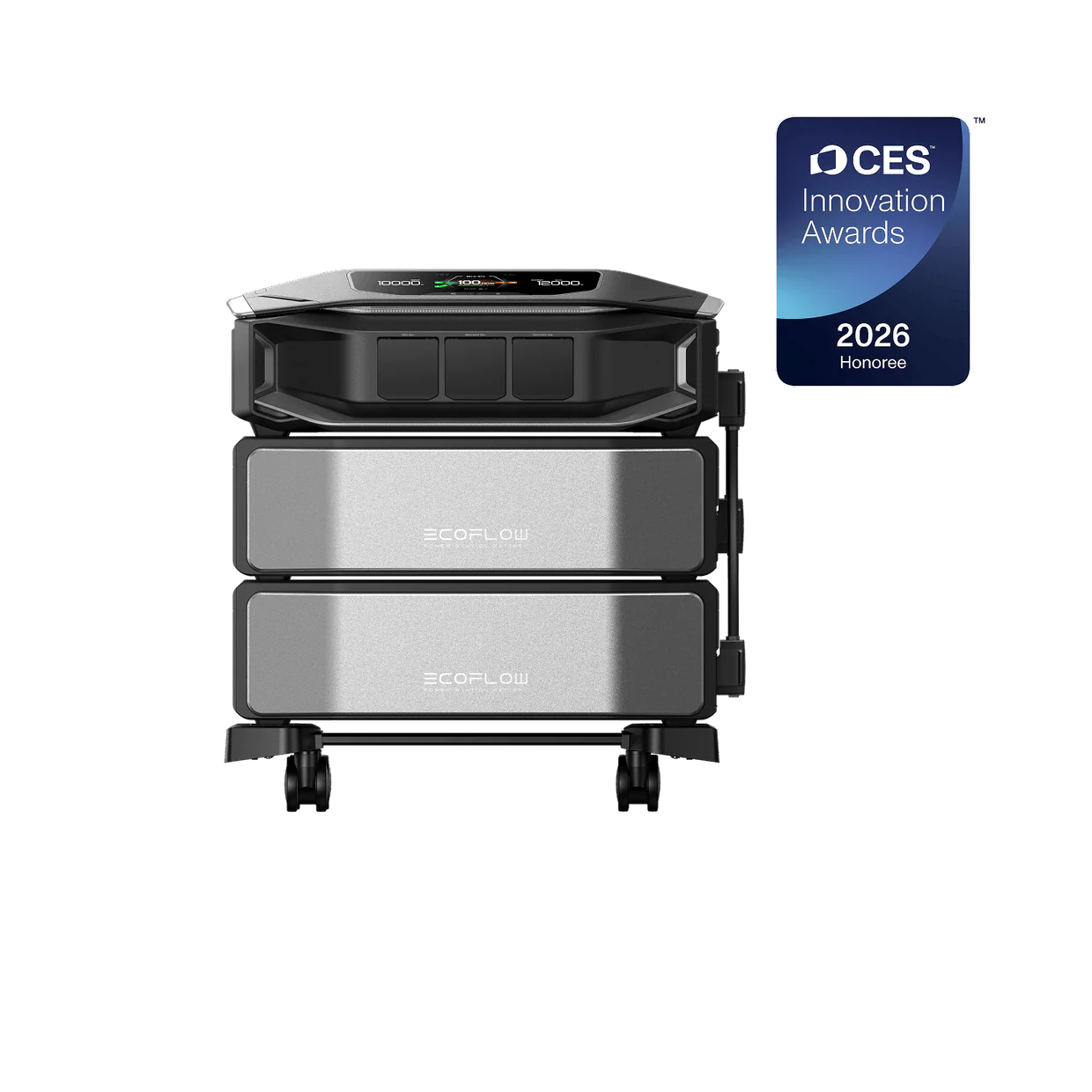
For homeowners evaluating storage alongside solar, the EcoFlow DELTA Pro Ultra X supports whole-home backup and integrates with solar generation, making it relevant as utility economics continue to shift in Illinois.
The financial value of battery storage depends on electricity rates, outage frequency, energy usage patterns, and available incentives. However, changing utility economics are making storage more financially compelling throughout Illinois.
Frequently Asked Questions
Can You Still Get SREC Payments in Illinois in 2026?
Yes. Eligible solar systems can still participate in Illinois Shines and receive SREC-related compensation, subject to current program rules and available funding. For many homeowners researching state incentives for switching to solar, SREC payments remain one of the most important financial benefits available.
Do Batteries Qualify for the Federal Solar Tax Credit in Illinois?
Yes. Under current federal rules, qualifying residential battery systems generally qualify for the Residential Clean Energy Credit. This allows homeowners to claim the same solar power incentives and tax credit benefits on eligible battery installations that apply to qualifying solar projects.
Is the Illinois Solar for All Program Available If I Have Little or No Upfront Budget?
Potentially. Illinois Solar for All was created to help income-eligible households access solar energy with reduced financial barriers. For homeowners searching online to get free solar panels from government programs, Illinois Solar for All is often the closest available option, although eligibility requirements and program availability apply.
Use Illinois Incentives to Lower Your Solar Costs and Add Backup Power
Illinois homeowners still have access to meaningful incentives in 2026, including Illinois Shines SREC payments, federal tax credits, and state tax exemptions. These programs can substantially reduce the cost of going solar while improving long-term energy savings.
As net metering rules continue to evolve, many households are also evaluating storage systems alongside solar installations. If you're interested in combining solar production with advanced backup capabilities, consider exploring the EcoFlow DELTA Pro Ultra X and related energy storage solutions.
For press requests or interview opportunities, reach out to our media team
media.na@ecoflow.com