Plug-and-Play Solar Systems: A Beginner's Guide to DIY Home Energy with EcoFlow
- What Is a Plug-and-Play Solar System?
- How Do Plug-and-Play Solar Systems Work?
- Why Plug-and-Play Solar Systems Are Popular for Beginners
- What Components Are Included in a DIY Solar Setup?
- How Much Power Can Plug-and-Play Solar Systems Generate?
- Frequently Asked Questions
- Plug-and-Play Solar Makes Home Energy More Accessible and Flexible
Having solar energy is a great way to reduce your electricity bills, improve your energy independence, and minimize your carbon footprint. Unfortunately, installing a solar system may have high upfront costs to buy and install. Thankfully, though, plug-and-play solar systems offer people a portable, inexpensive, and DIY-friendly way to enjoy solar power at home.
This guide goes over what these systems are, how they work, why they’re popular, and more.
What Is a Plug-and-Play Solar System?
A plug-and-play solar system is a compact, portable, and affordable solar power setup that plugs directly into a standard outlet.
This type of home solar system is often DIY-friendly, straightforward to set up, and doesn’t require very much space. Because of this, it’s popular with both homeowners looking for a simple system and also for renters and people living in an apartment.
How Do Plug-and-Play Solar Systems Work?
Using solar panels, which are often attached to balcony railings or placed in a yard or back patio, the systems capture sunlight and use it to generate electricity.
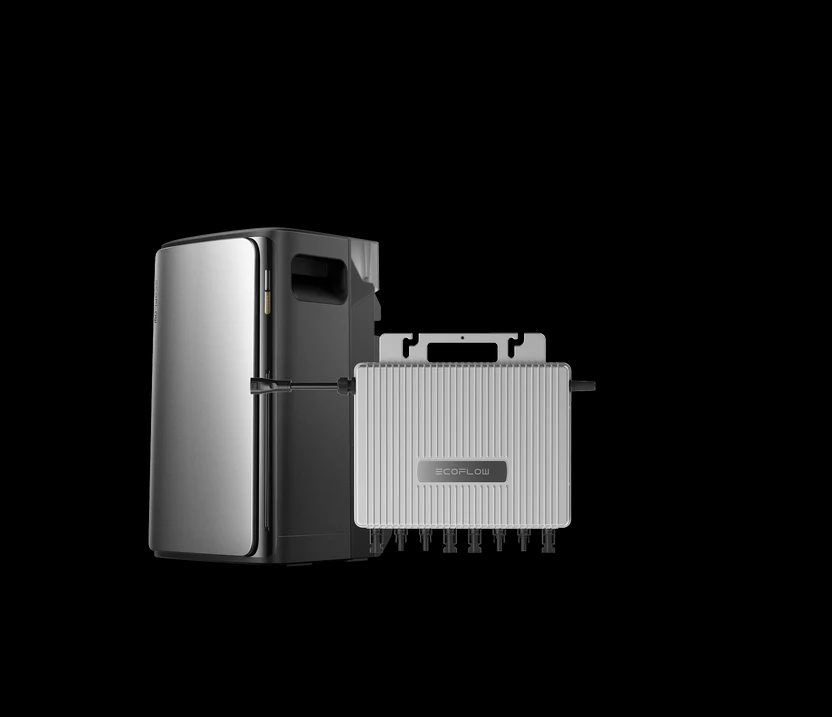
From there, they convert the Direct Current (DC) power that the panels generate into Alternating Current (AC) power that’s usable in your home, via a microinverter. These microinverters may be built into the plug-and-play system or easily connected to it, as is the case with the EcoFlow STREAM Microinverter.
This AC power then flows through the cables and into a standard outlet. The power flows through this outlet into your home’s circuit to power your electronics and appliances, without having to rely solely on power from the grid.
These systems also often feature anti-islanding technology, which detects when the main power grid goes down and shuts the system down. It prevents the system from powering dead utility lines, which could lead to workers getting injured as they aim to repair the damage or issue that caused the outage.
Why Plug-and-Play Solar Systems Are Popular for Beginners
Plug-and-play systems are often more affordable than larger whole-home generator systems. In addition to having a lower upfront cost, they also don’t generally require any installation cost, as you may be able to do it yourself. They’re quick and easy to set up, and they don’t require any complex electrical wiring or tools.
Essentially, they offer a nearly effortless way for you to reduce your carbon footprint without having to adjust many of your habits or daily routines.
Plug-and-play solar systems also take up less space, as all they require is an outlet and a bit of space to set up the solar panels.
They’re very portable, too. You can easily unplug and move them to a new space or take them to your new home if you move out.
What Components Are Included in a DIY Solar Setup?
There are several key components included in a DIY solar setup. This includes:
DIY solar panels are responsible for capturing the sunlight needed to make your setup actually function properly. You may also need mounting hardware if you want to attach the panels to railings.
A microinverter, which is how you convert the DC power generated from sunlight, into the AC power that you can use to power your home. Of course, you’ll also need the proper cables and plugs to connect the system to your home’s circuit, but these may come with the system when you buy it.
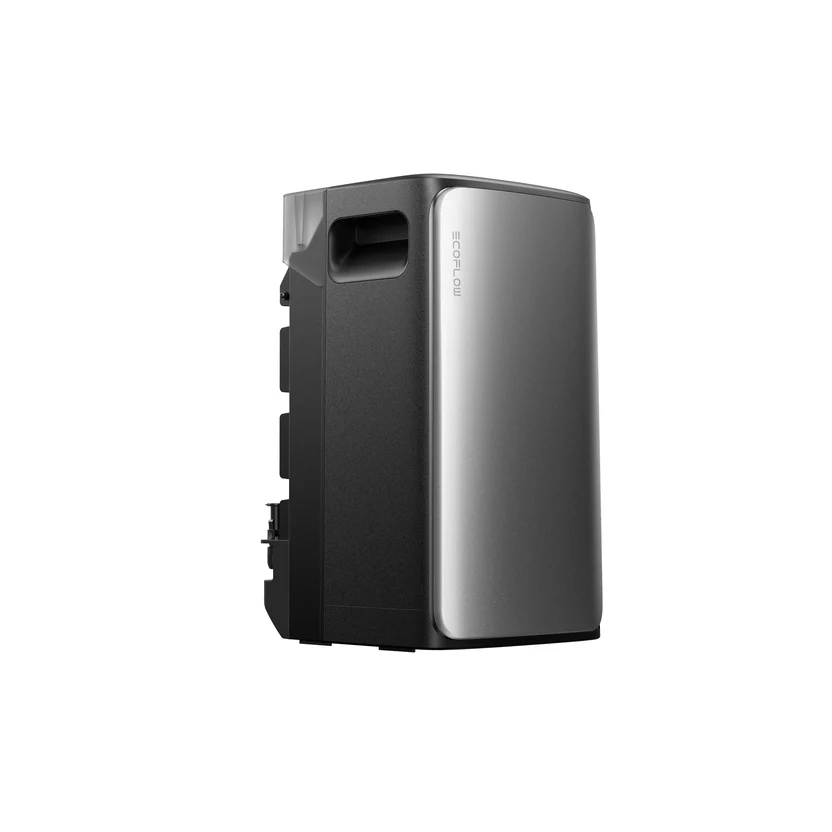
While off-grid solar power systems may need charge controllers to regulate and manage energy flow, and a battery bank for storing electricity, many basic systems don’t require batteries. However, many newer models, such as the EcoFlow STREAM Ultra, contain integrated storage for added flexibility and backup capability.
How Much Power Can Plug-and-Play Solar Systems Generate?
Depending on system size and local sunlight conditions, plug-and-play systems can generate anywhere from a few hundred to around 2,000–3,000 kWh annually.
Frequently Asked Questions
Are Plug-and-Play Solar Systems Legal Everywhere?
No, there are many places where plug-and-play solar systems aren’t legal. Regulations vary by state, so make sure to check your local regulations and utility requirements before installation.
Can You Install Plug-and-Play Solar Yourself?
Yes, you can install a plug-and-play system yourself, as they’re designed to connect directly to a regular wall outlet without any complicated wiring.
Do Plug-and-Play Solar Systems Work During Power Outages?
It depends. While standard grid-tied plug-and-play systems often shut down during outages due to anti-islanding requirements, some systems with integrated battery storage can power selected devices through dedicated backup outputs.
Plug-and-Play Solar Makes Home Energy More Accessible and Flexible
A simple plug-and-play system is a practical, low-barrier entry point into home solar. It’s easy to DIY your solar system setup with a plug-and-play solution, as they contain only a few components and are easy to set up.
It's also a solid first step toward reducing your home's reliance on the grid. Just make sure to check the regulations in your state first, since plug-and-play systems aren't legal everywhere yet.
When you're ready to go further, whether that means backup power, off-grid capability, or a system that scales with your energy needs, EcoFlow solar generators are worth exploring.
For press requests or interview opportunities, reach out to our media team
media.na@ecoflow.com