Do I Need a Permit for Plug-In Solar? The Rules Vary — Here's What to Check in 2026
- What “Plug-In Solar” Means in 2026 and Why It’s Treated Differently
- When Plug-In Solar Does and Doesn’t Need a Permit
- Utility Rules to Check Before You Plug In
- How to Confirm Local Requirements Fast without Guessing
- How to Stay Safer and More Code-Aligned Regardless of Permits
- Frequently Asked Questions
- Choose a Setup That’s Easy to Live with Now and Ready to Expand Later
Unlike permanent rooftop installations, plug-in solar kits can be set up in an afternoon with no electrician or hardwiring required. Whether you need a permit depends on your state, your system's size, and who has jurisdiction, and the answer isn't always what you'd expect.
Here's what to check before you plug in.
What “Plug-In Solar” Means in 2026 and Why It’s Treated Differently
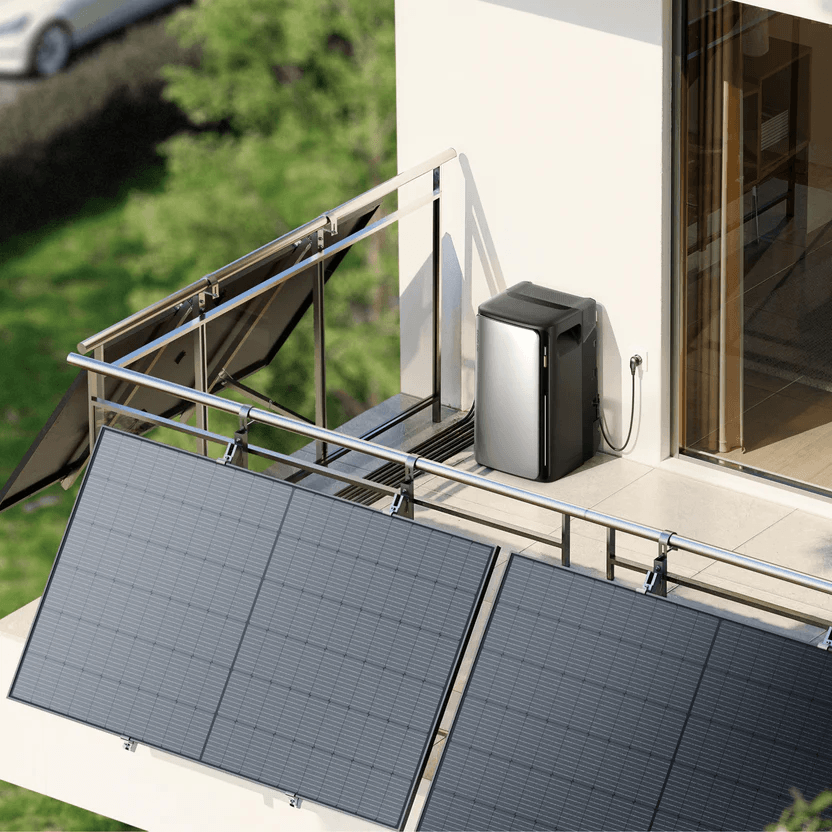
Also commonly known as 'balcony solar,' plug-in solar refers to solar panels that you can simply plug into an electrical outlet, with no home alterations or complex hardwiring required.
Most kits include one or two compact panels, a microinverter that converts DC electricity to AC, and mounting hardware for a balcony railing. The EcoFlow STREAM Ultra + Microinverter* follows this same plug-and-play approach, pairing battery storage with a grid-tied microinverter so any surplus solar energy is stored rather than lost.
Unlike most appliances, plug-in solar feeds electricity into your home rather than drawing it from the grid. That's why utilities and governments treat it differently, and why the rules vary so much by state.
Balcony solar kits typically come in sizes ranging from 400W to 1,200W. Many are scalable, so you can start small and gradually add panels or battery storage over time.
Rooftop solar fapanels work differently from plug-in systems; they connect to your home's electrical panel, can export power to the grid, and require a licensed electrician, building permits, and utility inspections.
*Currently available for plug-and-play installation in Utah and Maryland, with EcoFlow expanding to more states as local regulations allow.
When Plug-In Solar Does and Doesn’t Need a Permit
Many states have amended their laws to allow plug-in solar without permits, provided the system is UL 1741-certified and doesn't export power to the grid.
Plug-in solar laws vary by state, but most set the maximum wattage at 1,200W. Systems above this threshold may require an inspection.
You'll still need permits for any system that requires changes to your home's wiring, which only a qualified electrician should carry out. Similarly, if mounting requires drilling or structural modifications, check whether a building permit applies.
Utility Rules to Check Before You Plug In
Even without a permit, a few utility rules apply. Most revolve around interconnection standards and anti-islanding protections, i.e., technologies that prevent your system from backfeeding electricity to the grid during an outage, which poses significant risks to line workers.
Most plug-in kits include UL 1741-certified inverters that handle both requirements automatically. Check that yours does before purchasing.
How to Confirm Local Requirements Fast without Guessing
Before investing in a plug-in solar solution, confirm what applies to your address:
State Updates: Each state has different laws on balcony solar, and they're changing quickly. Also check whether you can claim a solar tax credit in your state.
Authorities Having Jurisdiction (AHJs): Your local building or electrical authority enforces electrical codes and may have requirements beyond state law.
Homeowners Associations: Some HOAs restrict visible panels or prohibit placement facing the street.
Rental Rules: If you're a tenant, your landlord may have the final say, particularly if mounting requires drilling or your lease defines solar panels as a property modification.
How to Stay Safer and More Code-Aligned Regardless of Permits
Even where permits aren't required, a few practices keep your setup safe and compliant.
Choose a UL 1741-certified kit. This confirms it meets interconnection and fire safety standards. Avoid sharing outlets or extension cords with high-draw appliances; a dedicated outlet reduces the risk of overloading your circuit. Position panels for maximum sun exposure, mount them securely, and keep cables clear of walkways.
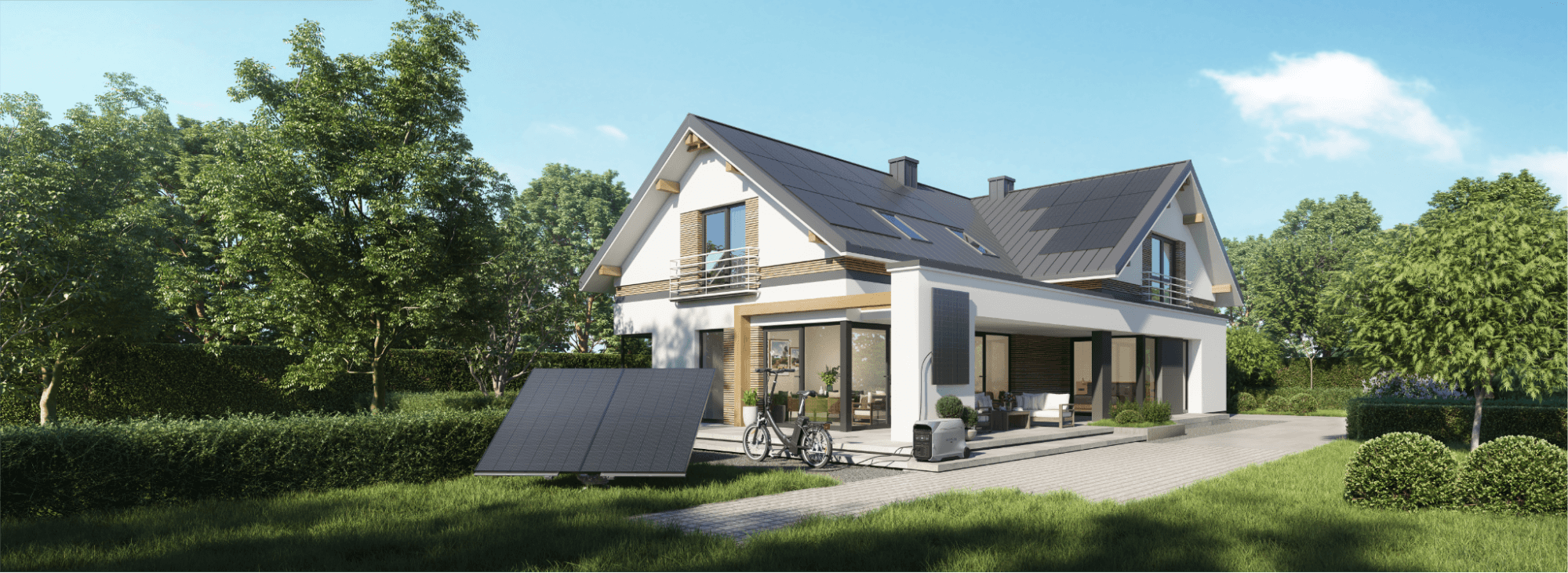
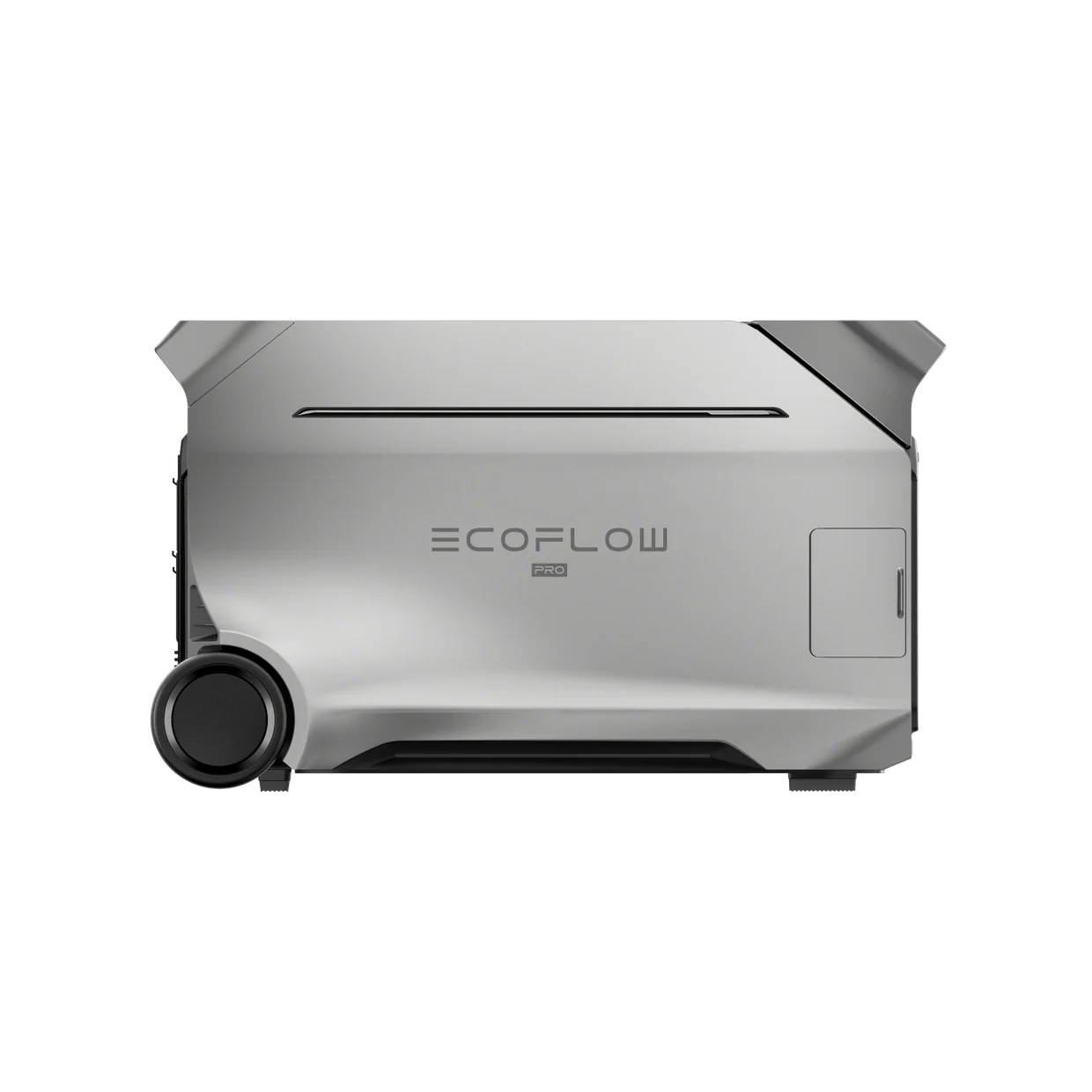
Pairing your plug-in panels with a dedicated battery unit like the EcoFlow DELTA Pro 3 Solar Generator takes this further. It stores the energy your panels generate, so you're drawing from your own reserve during a blackout instead of relying on grid power that may not be there.
If you eventually want that reserve to cover more than a few essentials, the EcoFlow DELTA Pro Ultra X scales up to 184kWh of battery storage and supports up to 10kW of solar input, putting it closer to a whole-home backup power system than a single-battery setup.
Frequently Asked Questions
Is Plug-in Solar Legal in Every State in 2026?
As of June 2026, compliant plug-in solar kits are legal in eight states: Maine, New Hampshire, Vermont, Connecticut, Virginia, Maryland, Utah, and Colorado. Another 30 states are actively discussing bills, with others advancing them to legislative stages (New York, Massachusetts, and California).
Do Renters Need Permission to Use Plug-in Solar on a Balcony or Patio?
If you’re a renter, you may need permission from your landlord to use a plug-in solar panel, particularly if mounting requires any drilling or home alterations. Some rental agreements may prohibit renters from having visible panels, or there may be restrictions on their positioning.
If My System Doesn’t Export Power, Can I Skip Permits and Utility Paperwork?
Depending on your state, you might not need to obtain permits or fill out any paperwork to use a ‘plug and play’ balcony solar system that does not feed energy back into the grid. Most states that allow permit-free systems cap them at 1,200W.
Can I Still Use Solar During a Blackout with a Plug-in Setup?
Most plug-in solar panels are designed to turn off automatically in the event of a blackout to eliminate the risk of feeding energy back into the grid and posing safety risks to line workers. However, many solar kits integrate with backup batteries that they can automatically draw energy from in the event of a power outage.
Choose a Setup That’s Easy to Live with Now and Ready to Expand Later
Starting with plug-in solar is a low-commitment way to cut energy costs, but if you want a setup that grows with you, a battery backup system that integrates with solar panels gives you more flexibility.
The EcoFlow DELTA Pro 3 Solar Generator offers a base capacity of 4.1kWh (expandable to 48kWh) and accepts up to 2.6kW of solar input. It's well-suited for powering essential appliances during a blackout and offsetting peak-rate energy costs. It charges via solar, wall outlet, generator, or vehicle, so you're not locked into one charging method as your setup grows.
If you're ready to scale beyond a single plug-in kit, explore EcoFlow's range of home solar systems to find the right fit.
For press requests or interview opportunities, reach out to our media team
media.na@ecoflow.com