Can I DIY Plug-In Solar? What You Can Do Yourself and When to Call an Electrician
- What “Plug-In Solar” Really Means in the US
- DIY Tasks Most Homeowners Can Do Safely
- How DIY Solar Stays Safe, Code-Compliant, and Insurable
- When to Call a Licensed Electrician
- Safer, Scalable Alternatives to True Plug-In Solar
- Frequently Asked Questions
- Safer DIY Solar Starts with Clear Limits and the Right Backup Plan
The promise of plug-in solar is enticing: unbox a panel, plug it into a wall outlet, and instantly lower your electric bill. However, US electrical codes and utility regulations make true "plug-and-play" grid integration complicated.
While homeowners can safely handle physical installation, specific milestones require professional electrical work. This guide clarifies what you can safely DIY and when a licensed electrician must step in.
What “Plug-In Solar” Really Means in the US
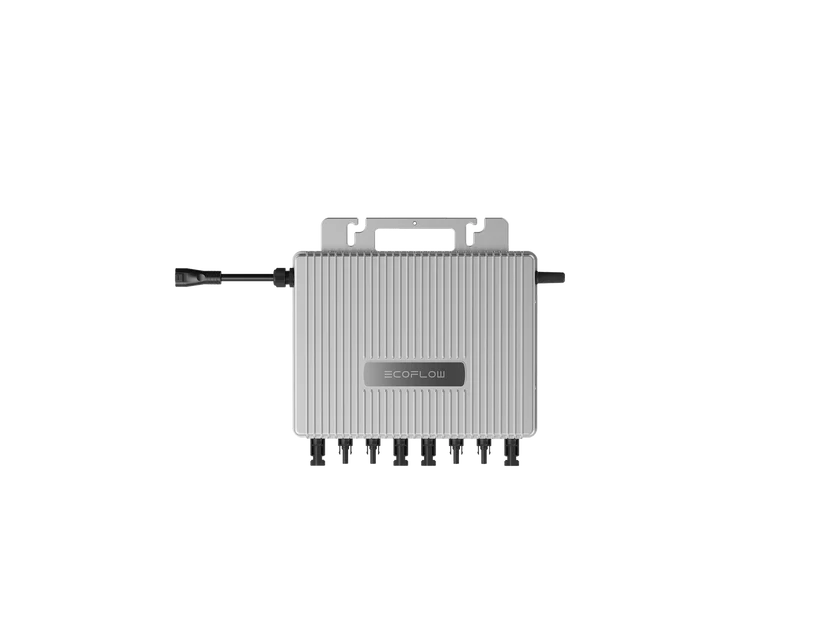
In many European markets, "balcony solar" kits allow users to feed power directly into a standard wall outlet via a specialized microinverter, like the EcoFlow STREAM Microinverter. In the United States, the regulatory and technical landscape is vastly different. This particular product is currently only available in Maryland and Utah, at the time of publishing.
Understanding the distinction between grid-tied and off-grid setups is essential before purchasing any equipment, and it starts with knowing how a home solar system actually works.
Grid-Tied Systems
These systems physically connect to your home's electrical wiring and operate in parallel with the utility grid. Any power your panels generate supplements your utility power. If a grid-tied system feeds power back through a standard wall outlet, it poses an immediate safety hazard known as "islanding" or backfeeding. If the grid goes down for maintenance, your system could send electricity back down the lines, endangering utility lineworkers.
Off-Grid Systems
These setups are physically isolated from the utility grid. Panels charge a dedicated battery bank, which then powers specific appliances. Because there is no physical connection to the utility lines, off-grid systems bypass the strict interconnection rules governed by local power companies.
DIY Tasks Most Homeowners Can Do Safely
While you should not modify your home’s electrical infrastructure, there is still a significant amount of hands-on work you can complete yourself to save on installation costs.
System Planning and Sizing
You can audit your home’s energy usage by analyzing your monthly kilowatt-hour (kWh) consumption. This is a a foundational step in learning how to DIY solar panels for your home without overcomplicating the process. Mapping out where panels will receive optimal, unshaded sunlight throughout the day is a critical first step that requires no technical licensing.
Mounting and Mechanical Installation
Securing solar panels to a ground mount, a backyard shed, or a patio structure is entirely a mechanical task. If you are comfortable using a drill, leveling brackets, and sealing penetrations to prevent water leaks, you can manage the physical staging of your array, though having the right tools for DIY solar installation on hand before you start makes a real difference.
DC Cable Routing
Running the heavy-duty, weatherized DC (direct current) cables from your solar panels to your indoor equipment is safe to do yourself, provided the cables are not yet plugged into a live power source. You can drill external entry holes, route conduits through crawlspaces, and pull the wires right up to your central power station.
Portable Power Integration
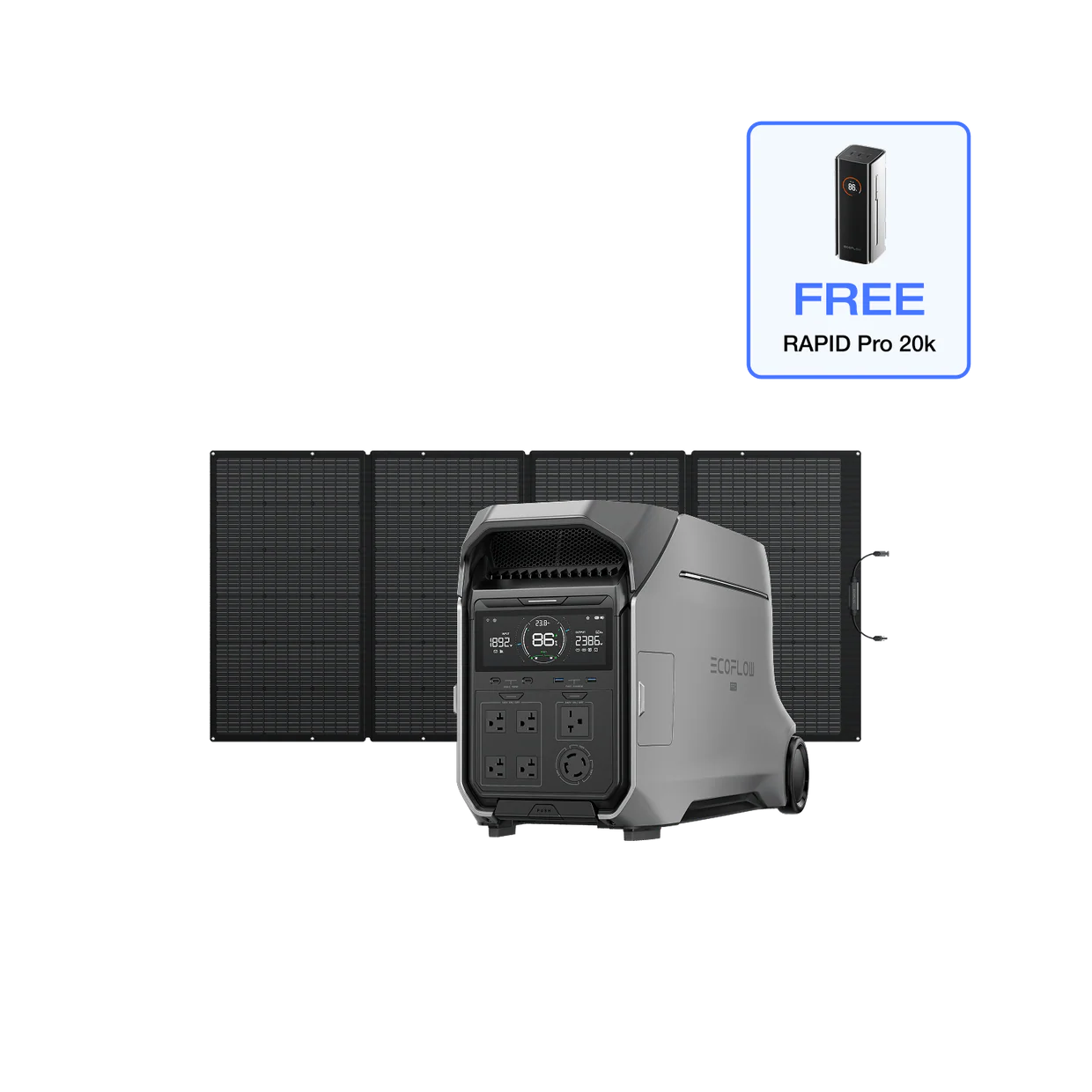
The safest way to enjoy DIY solar without touching your home's main electrical panel is by utilizing an enclosed, intelligent system. For instance, pairing your panels with the EcoFlow DELTA Pro 3 Solar Generator allows you to plug your solar array directly into a dedicated, safe battery architecture.
How DIY Solar Stays Safe, Code-Compliant, and Insurable
To protect your property value and ensure your homeowner's insurance policy remains valid, your solar project must adhere to local regulatory frameworks.
Permits and Inspections
Even standalone, high-capacity DIY solar setups often require local building permits, especially if panels are mounted to a roof structure. An authority having jurisdiction (AHJ) must inspect the mechanical attachments to ensure they can withstand local wind and snow loads.
Utility Interconnection Rules
If your system interacts with the grid in any capacity, you must sign an interconnection agreement with your utility provider. Unauthorized grid injection can result in fines, service disconnection, or hardware damage.
UL Listings and NEC Requirements
Every component in your system, from the solar panels to the inverters and batteries, must be tested and certified by an accredited laboratory, such as Underwriters Laboratories (UL).
Furthermore, the installation must follow the National Electrical Code (NEC), which dictates rapid shutdown capabilities, grounding mechanisms, and proper overcurrent protection devices (fuses and breakers).
When to Call a Licensed Electrician
Electrical work carries inherent risks of severe shock, arc flashes, and structural fires. Knowing where your DIY limits end and professional expertise begins is crucial for your safety and code compliance.
The DIY Safe Zone
You can safely manage the structural and low-voltage DC components of your installation without professional oversight. These tasks include:
Assembling and securing ground mounts or racking systems.
Positioning, mounting, and cleaning solar panels.
Routing unpowered, dead DC photovoltaic (PV) cables through conduit.
Plugging solar arrays directly into enclosed portable power stations.
Tasks Requiring a Licensed Professional
Any work that interfaces with your home’s high-voltage alternating current (AC) infrastructure requires a licensed, insured electrician. You must call a professional for:
Main Service Panel Modifications: Removing the dead-front cover of your main electrical panel to install or swap a circuit breaker.
Dedicated Circuit Installation: Wiring new input or output circuits, which requires precise wire-gauge calculations and conduit bending to meet strict NEC codes.
Grid Interconnection and Transfer Switches: Installing a manual or automatic transfer switch to safely isolate your home from the utility grid and prevent deadly backfeeding.
System Troubleshooting: Investigating unexplained circuit breaker trips, excessive heat coming from wires, or faint buzzing and arcing sounds.
Safer, Scalable Alternatives to True Plug-In Solar
If you want the cost-saving benefits of large-scale residential solar without the regulatory headaches and extreme dangers of DIY grid-tied wiring, look toward modular, modern alternatives.
Instead of forcing a dangerous plug-in grid configuration, you can deploy an enterprise-grade off-grid architecture. Systems like the EcoFlow DELTA Pro Ultra X offer a massive, scalable backup ecosystem. A licensed electrician can connect this system directly to your home via a Smart Home Panel or a traditional transfer switch.
Once installed, you can independently scale your solar input and battery capacity over time without ever having to modify your home's physical electrical panels again.
Frequently Asked Questions
Can I Plug a Solar Panel Directly into an Outlet?
No. Standard solar panels produce DC power, while your home's outlets use AC power. Even if a panel utilizes a microinverter to output AC power, plugging it directly into a standard wall outlet violates the National Electrical Code (NEC), poses a severe fire hazard, and risks illegal, dangerous backfeeding into the utility grid.
Do I Need Permits for a DIY Solar or Plug-In Solar Kit?
Yes. If the solar equipment is mounted permanently to your home’s structure or ties into your electrical system, local building departments and your utility provider require permits and safety inspections.
What Parts of a Solar Installation Are Safe for Beginners?
Beginners can safely handle unboxing, mapping solar paths, building ground mounts, securing panels to structural brackets, and running unpowered DC cables. Managing the settings and plug connections on portable power stations is also safe for beginners.
How Much Money Can I Save By Doing DIY Solar?
Labor typically accounts for 10% to 25% of a traditional solar installation's total cost. By handling the planning, structural mounting, and cable management yourself, you can save thousands of dollars while maintaining total peace of mind.
Safer DIY Solar Starts with Clear Limits and the Right Backup Plan
DIY plug-in solar in the US isn't as simple as unboxing a panel and connecting it to a wall outlet, but that doesn't mean you're locked out of the process. You can handle the planning, mounting, and cable routing yourself.
The parts that interact with your home's electrical panel are where a licensed electrician earns their place. Knowing that line keeps your home safe, your permits clean, and your investment protected.
When you're ready to scale up, explore EcoFlow's whole home backup power solutions to find a setup that fits what you've already built.
For press requests or interview opportunities, reach out to our media team
media.na@ecoflow.com