Off-Grid Toilets Explained: Choosing the Right System
- What Is an Off-Grid Toilet?
- What Types of Off-Grid Toilet Systems Are Available?
- What Factors Should Influence Your Choice?
- How Much Do Off-Grid Toilet Systems Cost to Install and Maintain?
- How Do You Power an Off-Grid Toilet System?
- How Do You Keep an Off-Grid Toilet Odor-Free?
- Frequently Asked Questions
- Reliable Off-Grid Power Keeps Your Sanitation System Running Smoothly
Living without a municipal sewer connection doesn't mean you have to give up a functional bathroom. Whether you're building a remote cabin, converting a van, or preparing your property for grid outages, the right off-grid toilet keeps your household sanitary and comfortable without a septic hookup.
Here's how to compare your options.
What Is an Off-Grid Toilet?
An off-grid toilet treats or contains human waste without a municipal sewer line or, often, a conventional septic tank.
Instead of flushing gallons of water, these systems use composting, incineration, or sealed containment to break down or store waste onsite.
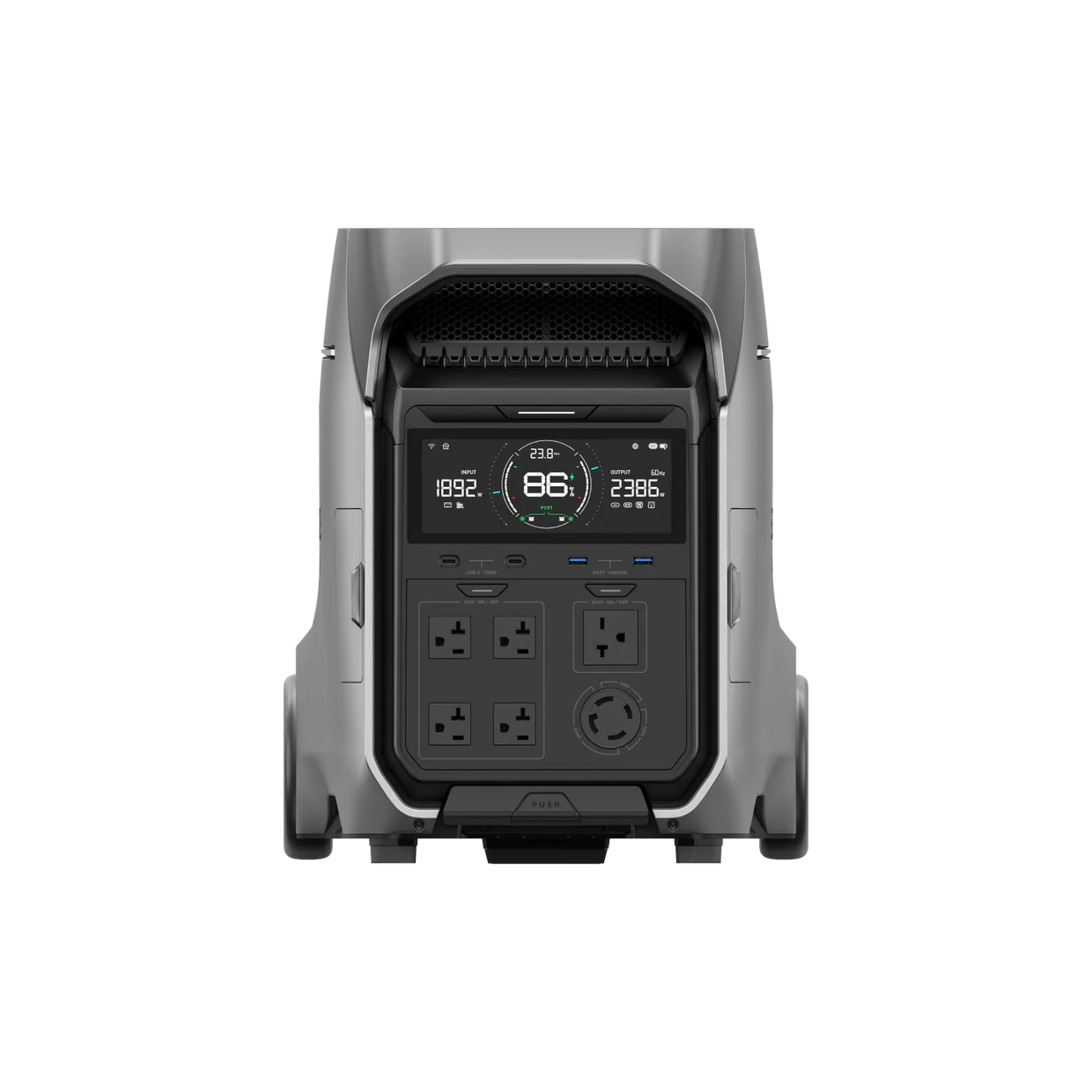
Most rely on ventilation or a heating element to manage odor and speed processing, so reliable power matters. The EcoFlow DELTA Pro 3 Portable Power Station can run a composting toilet's exhaust fan or an incinerating toilet's heating cycle for days without a generator, one of several loads it can cover alongside your fridge, well pump, and lighting, making it a practical fit for cabins, tiny homes, and off-grid homesteads.
What Types of Off-Grid Toilet Systems Are Available?
The right system depends on how many people use it, how often you're onsite, and how much maintenance you'll take on:
Composting Toilets
Composting toilets separate liquid and solid waste, then use aerobic bacteria to break solids down into a soil-like end product. According to the EPA, the technology has been in commercial use for over 30 years and works well in unsewered rural areas. They need little to no water and need emptying every few weeks to a few months.
Incinerating Toilets
Incinerating toilets burn waste down to sterile ash using an electric or gas-powered heating element. They skip composting entirely, suiting smaller spaces or short-term use, though the heating cycle draws more power and takes 30 minutes to a few hours per use.
Bucket and Portable Toilets
Bucket and portable camping toilets are the simplest, cheapest option: a sealed container, often lined with a bag and bulking material like sawdust or peat moss, that you empty manually. They suit temporary setups and outage backup, but demand the most hands-on maintenance here.
Low-Flush and Septic-Based Systems
If your property has an existing septic tank, or you're willing to install one, a low-flush or vacuum-flush toilet can use as little as a pint of water per flush while connecting to conventional treatment. These feel closest to a standard bathroom but need more upfront infrastructure than composting or incinerating alternatives.
What Factors Should Influence Your Choice?
Weigh how many people rely on the toilet daily, how much space you have for the unit and its ventilation, and how often someone can manage waste and refill supplies. A weekend cabin has different needs than a year-round home.
Climate matters too: composting relies on consistent temperature and airflow and slows down in poorly insulated, cold spaces, while incinerating toilets sidestep that, since heat drives the process regardless of temperature.
How Much Do Off-Grid Toilet Systems Cost to Install and Maintain?
Self-contained units typically cost $600 to $3,000, while large-scale centralized systems can cost up to $5,000 installed. Annual maintenance, including bulking material and seals, adds $60 to $180 a year.
Incinerating toilets sit in a similar range upfront, with costs shifting toward fuel or electricity per use.
Bucket toilets are the cheapest, often under $100, while septic-based low-flush systems carry the highest installation cost once you factor in excavation and a leach field.
How Do You Power an Off-Grid Toilet System?
Composting and incinerating toilets run on small amounts of electricity, usually for a fan, heating element, or compost agitator. That load is modest next to refrigerators or water pumps, but it still needs a dependable source off the grid.
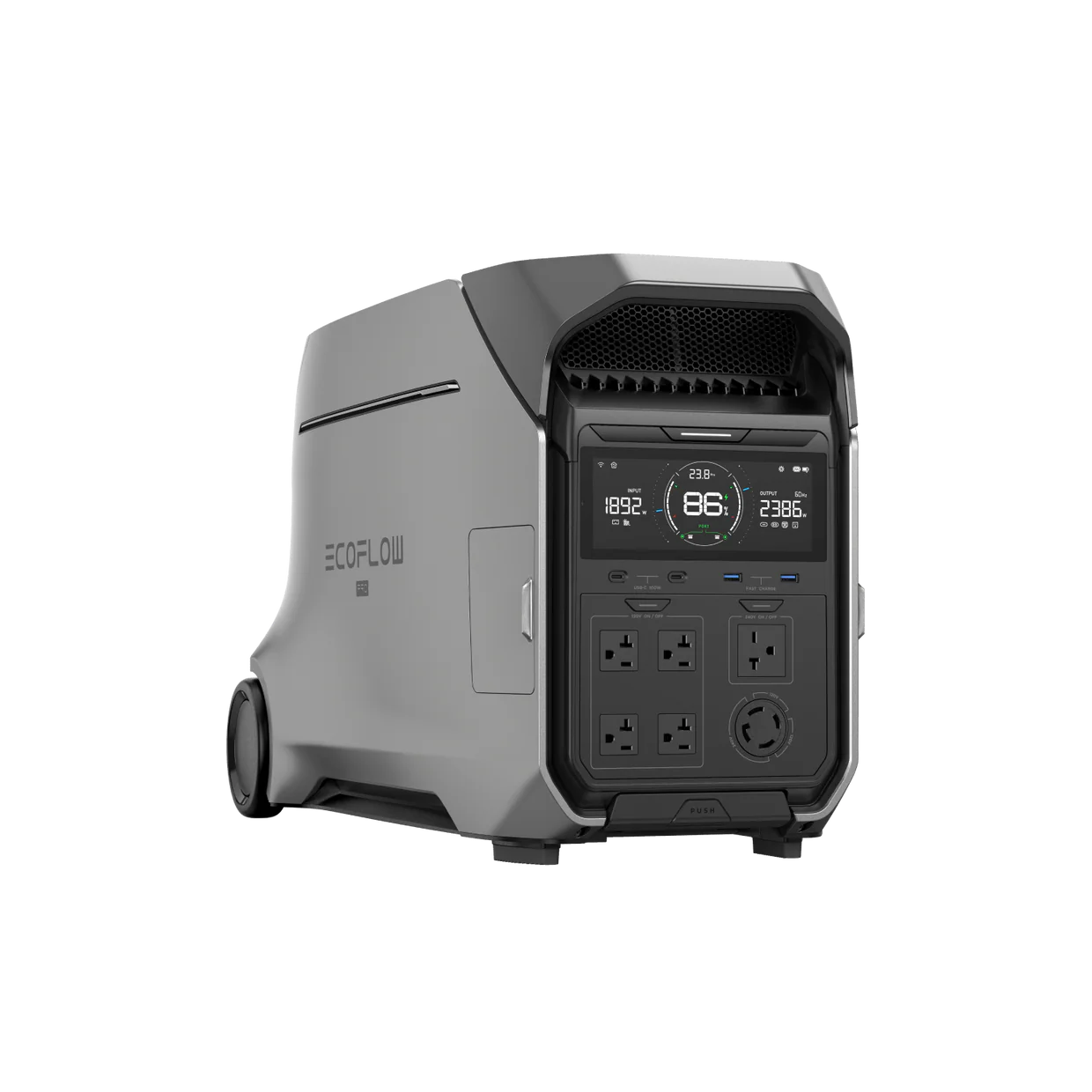
A portable power station, like the EcoFlow DELTA Pro 3, paired with solar panels, covers this without the noise or fumes of a fuel generator.
Sizing that power system around your appliances, sanitation included, is essential if you plan to live off-grid.
If you're covering more than just the bathroom, whole-home backup power can keep your well pump, refrigerator, and bathroom fan running together during longer outages.
How Do You Keep an Off-Grid Toilet Odor-Free?
Odor control comes down to airflow, moisture balance, and the right bulking material.
Composting units need a vent fan running continuously to pull air away from the living space, and adding coconut coir or peat moss after each use absorbs excess moisture that would otherwise slow composting and cause smells.
Keeping the solids and liquids compartments separate is one of the most effective odor-prevention steps, since urine mixing with solid waste is a common cause of complaints, especially if you live in an off-grid community.
For incinerating and bucket systems, sealing the unit tightly between uses and emptying on a consistent schedule does the same job.
Frequently Asked Questions
Do Off-Grid Toilets Smell?
A properly installed and maintained off-grid toilet shouldn't smell noticeably worse than a standard bathroom. Odor issues usually trace back to inadequate ventilation, an overfilled compost chamber, or skipping bulking material after use. Consistent maintenance, including regular fan operation and timely emptying, keeps most systems odor-free.
Are Composting Toilets Legal in the US?
No state bans composting toilets outright, but many restrict them, often requiring NSF/ANSI Standard 41 certification, a conventional toilet as backup, or a septic or sewer connection for gray water. Homes that already have a flush toilet usually face fewer hurdles than new construction relying on composting alone. Rules vary by county, so confirm requirements with your local building authority before installing.
Can You Power an Off-Grid Toilet with Solar?
Yes. Composting toilet fans and incinerating toilet heating elements run on standard household voltage, which a solar-charged portable power station can supply. Pairing solar panels with a power station large enough for your toilet and other essentials gives you a self-sufficient setup independent of fuel deliveries or grid access.
Reliable Off-Grid Power Keeps Your Sanitation System Running Smoothly
Choosing between a composting, incinerating, bucket, or low-flush system comes down to how you use your property and how much maintenance you want to take on. Whatever you choose, the fan, heating element, or agitator inside it still needs power.
Sanitation is just one part of a self-sufficient off-grid cabin build, and the EcoFlow DELTA Pro 3 offers enough capacity to keep your toilet, well pump, and refrigerator running alongside the rest of your setup.
For press requests or interview opportunities, reach out to our media team
media.na@ecoflow.com