Home Battery Storage Tax Credit 2026: What Happened to the Federal Incentive and What Remains
- What Was the Federal Home Battery Storage Tax Credit?
- What Did the One Big Beautiful Bill Act Change in 2025?
- Is the Battery Storage ITC Still Available to Homeowners in 2026?
- Does the Battery Storage Tax Credit Apply without Solar?
- Should You Still Invest in Home Battery Storage in 2026?
- Frequently Asked Questions
- Save Money, Increase Resilience, And Regain Energy Control
The federal home battery storage tax credit was a significant financial incentive that allowed homeowners to recoup 30% of the cost of home battery installation [1]. However, with the passage of the One Big Beautiful Bill Act, federal priorities shifted to favor broader business tax credits over residential clean energy.
But plenty of options still exist at the local level, and rising energy costs and increasing grid instability are still making home battery storage more appealing than ever.
What Was the Federal Home Battery Storage Tax Credit?
The federal government offered a 30% tax credit for home battery storage through the IRA residential clean energy tax credit. The incentive allowed homeowners to claim 30% of the cost of installing a solar system and home battery storage.
That credit was then applied against any federal tax debt owed. If the credit was more than what the taxpayer owed, any remaining was carried forward to future years.
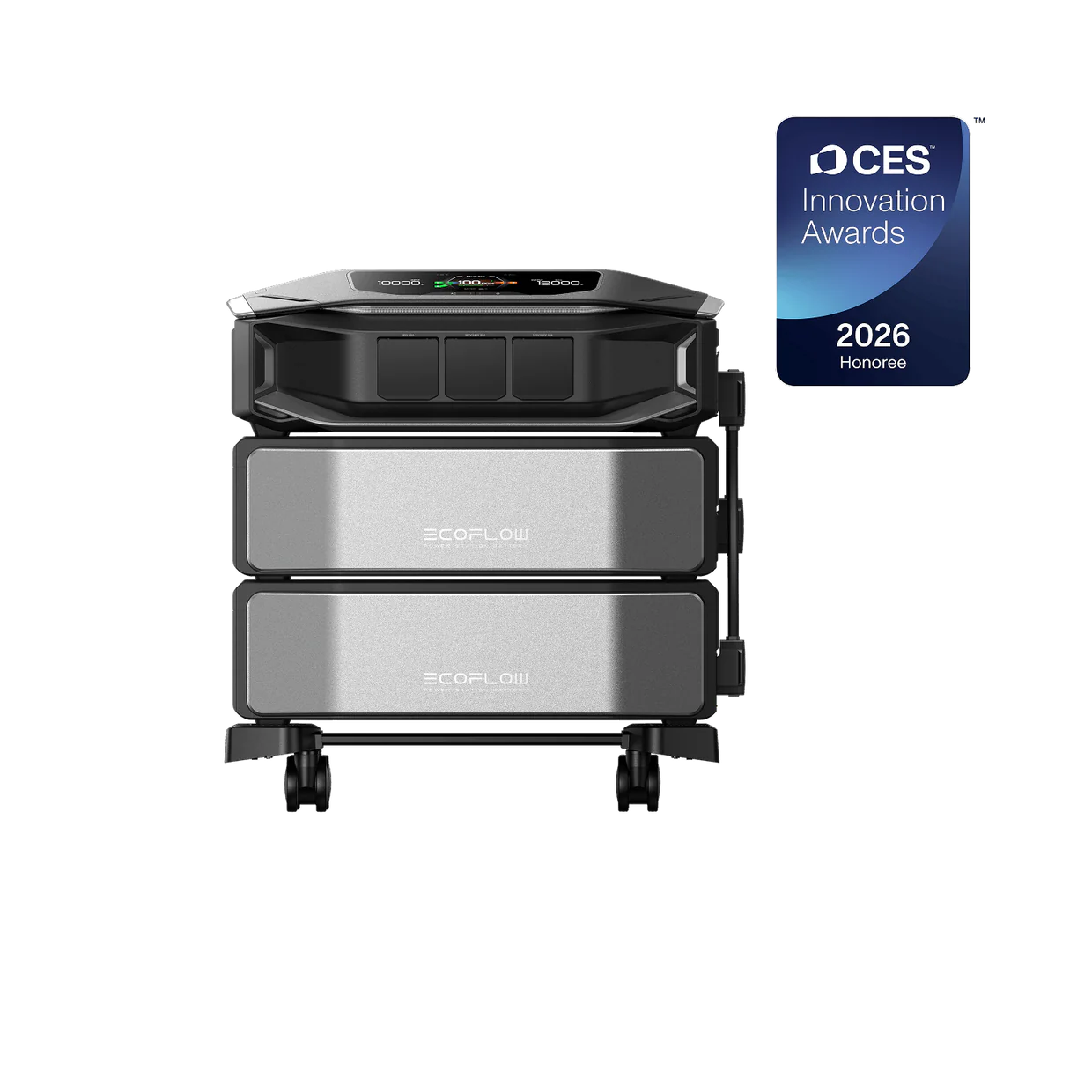
For instance, a homeowner purchasing the EcoFlow DELTA Pro Ultra X Whole-Home Backup Power prior to the end of 2025 could save thousands of dollars on their federal taxes.
What Did the One Big Beautiful Bill Act Change in 2025?
Under the One Big Beautiful Bill, the residential clean energy credit faced an accelerated demise. The bill favored an entirely different fiscal agenda, focusing on broader business tax credits at the expense of residential clean energy incentives.
Congress phased it out 6 years early, with many consumers rushing purchases and installations to secure eligibility and take advantage of expiring clean energy tax credits.
Is the Battery Storage ITC Still Available to Homeowners in 2026?
No, the Investment Tax Credit (ITC), which later became the Inflation Reduction Act (IRA), was largely eliminated for all new residential projects that did not meet the December 31, 2025, deadline for being placed in service (installed and online).
While the federal credit was rolled back, there are still plenty of state-level incentives which vary by state but may include rebates, low- and no-interest loans, and sales and property tax exemptions. Many utilities also offer rebates and Virtual Power Plant (VPP) options, as well as net metering or net billing for solar generation.
So, even though you cannot get the federal credit in 2026, you can still stack state and utility-level incentives to significantly reduce the cost of a battery-backed whole home generator.
Does the Battery Storage Tax Credit Apply without Solar?
While most incentive programs are traditionally designed around solar generation, the IRA offered a stand-alone battery storage incentive for systems over 3 kilowatt-hours (kWh). This was a significant benefit for homeowners living in highly shaded areas or who first needed battery backup to protect their homes and families from an increasingly unreliable power grid.
This allowed high-capacity standalone systems, like a whole home backup power solution, to qualify if integrated into the home’s main electrical panel.
While the federal landscape has changed, many states, local governments, and utility providers are still honoring this “standalone” battery concept, recognizing the importance of residential battery storage to improve the resilience of the entire electrical grid.
Many utilities even offer payouts to be able to draw from your storage battery’s reserves to help relieve strain on the grid during extreme demand. Since you can often set a reserve percentage that you want to keep, if the grid goes down, you’ll still have backup for essential systems.
Should You Still Invest in Home Battery Storage in 2026?
While federal incentives have largely ended in 2026 for homeowners, numerous incentives exist at the state and utility level, which may significantly reduce your upfront cost.
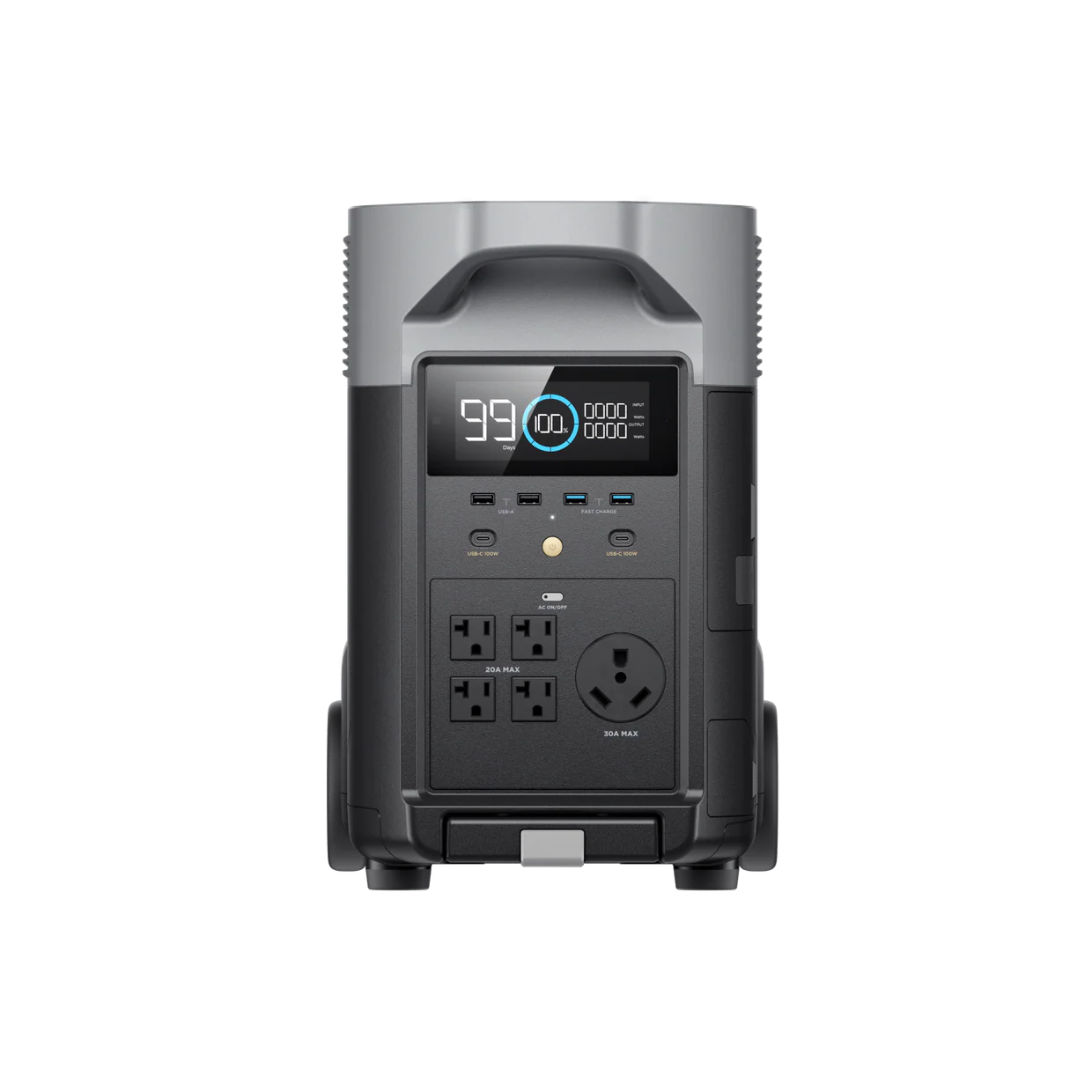
And even without incentives, the current dramatic rise in energy bills might be enough incentive. If you get on a time-of-use (TOU) rate plan that charges more during peak demand (usually in the evening around dinnertime) but then offers discounts late at night when demand is low, you can save money by charging your EcoFlow DELTA Pro Portable Power Station at night and drawing from it to run high-demand appliances during peak rates.
Then there are the blackouts. In 2024, US customers had a record-breaking average of 11 hours of electricity interruptions, nearly twice as many as the annual average in the decade before.
While that year was high due to hurricanes, the numbers have been steadily increasing over the last decade due to increasing severe weather events across the United States. Add to that the aging grid infrastructure and growing demand for electricity, and this trend is showing no signs of slowing down.
This makes home backup more important than ever so you can keep the lights on and your refrigerated foods safe, run essential medical equipment, and stay connected.
Frequently Asked Questions
Is the Federal Battery Storage Tax Credit Still Available in 2026?
The federal battery storage credit is not available for most systems placed in service in 2026 due to the passing of the One Big Beautiful Bill. However, if you purchased and placed your system in service before December 31, 2025, you can still claim it on your taxes.
What Are the FEOC Restrictions and Do They Affect Homeowners?
The Foreign Entity of Concern (FEOC) restrictions prevent federal clean energy subsidies from applying to supply chains tied to foreign adversaries or “entities of concern.” While these restrictions had a greater impact on commercial credits, they rarely affected homeowners. When buying a home battery system, check that your manufacturer confirms FEOC compliance to ensure any applicable credits aren't disqualified.
Save Money, Increase Resilience, And Regain Energy Control
While federal incentives have largely ended at the residential level, homeowners still have plenty of options to save money on home battery storage. Check out state-level incentives and tax exemptions that might be available in your area, and see if your local utility provider offers rebates, net metering, or other incentives.
However, even without incentives, you can still save money by using the EcoFlow DELTA Pro Portable Power Station to avoid peak electricity rates. Or, you can go further with a whole-home solution like the EcoFlow DELTA Pro Ultra X Whole-Home Backup Power for full energy independence.
References:
[1] https://www.irs.gov/credits-deductions/residential-clean-energy-credit
For press requests or interview opportunities, reach out to our media team
media.na@ecoflow.com