Memorial Day Camping 2026: Portable Power for Your Long Weekend
Portable power is essential for a successful Memorial Day camping trip. Battery packs, solar chargers, and compact generators keep phones, lights, and small appliances running throughout the long weekend.
Choosing the right capacity and type of power source ensures devices stay charged, critical gear stays operational, and your campsite remains functional without access to the grid. When you prepare well for the camping trip, you can focus on enjoying it fully. Let’s take a look at how the EcoFlow RIVER 3 Plus and other smart solutions can keep you juiced up on your adventures.
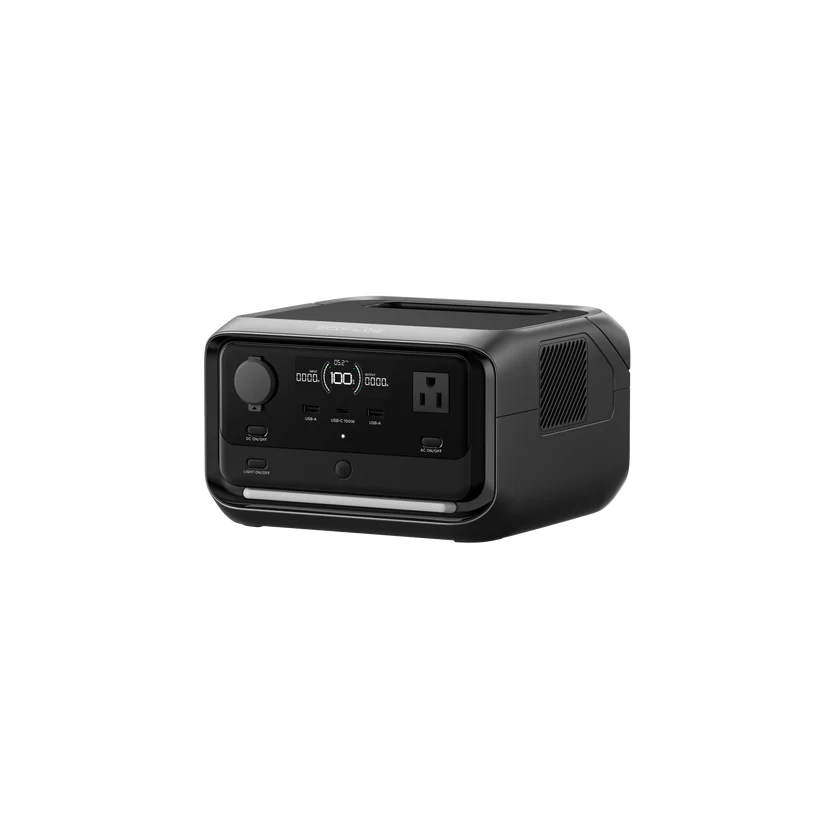
How Portable Power Works in Practice
Portable power enables campers to convert stored or generated energy into usable electricity, and it keeps devices and small appliances operational even far from the grid. Energy flows from charging sources like solar panels, wall outlets, or vehicle ports into storage devices, then out to connected loads.
Systems actively manage this energy, and regulate voltage and current, prioritizing devices and maintaining efficiency throughout a camping trip.
Core Components and Capabilities
A portable power system relies on several key components:
Batteries: Store energy for use when a charging source isn’t available.
Inverters: Convert DC battery power to AC for devices that require standard household electricity.
Chargers and ports: Include AC outlets, USB-A, USB-C, and 12V outputs for flexible device connectivity.
Management systems: Monitor battery health, voltage, and current to prevent overcharging, overheating, or overload.
Knowing when to use a portable power station vs power bank is critical. Power stations like the EcoFlow RIVER 3 Plus can handle higher loads and multiple devices, while power banks are compact and ideal for low-wattage electronics.
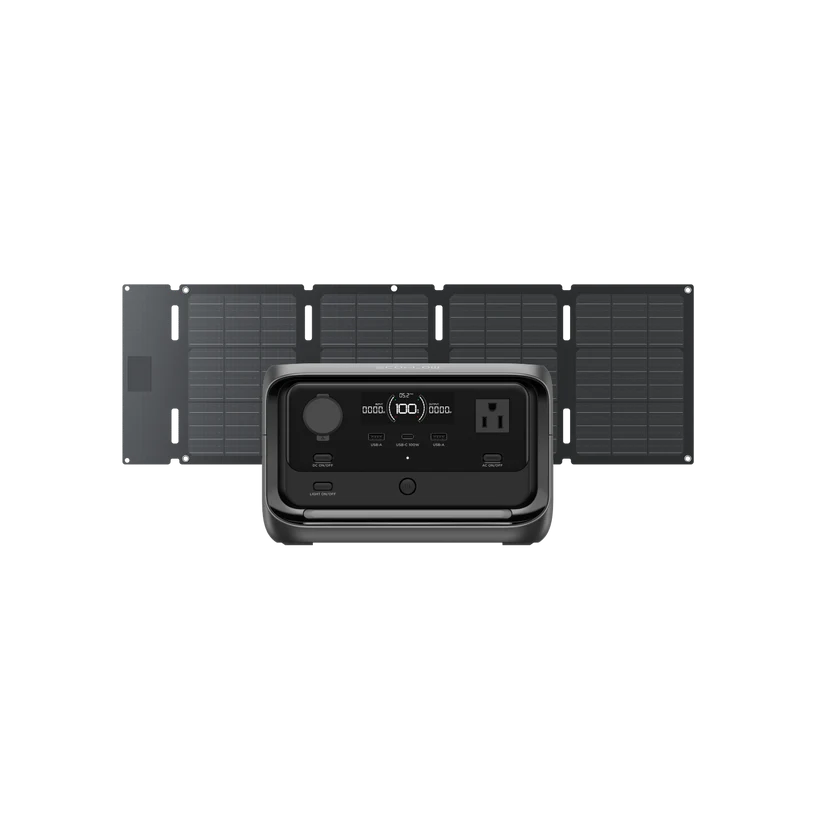
Performance, Safety, and Reliability
Modern portable power systems are designed for safe and long-term use in outdoor conditions:
Thermal management: Fans, heat sinks, and smart circuitry prevent overheating during heavy use or high-output charging.
Battery longevity: Lithium chemistries can last 5–10 years, depending on cycle count, depth of discharge, and maintenance. LiFePO batteries typically offer longer lifespans than standard lithium-ion.
Protections: Built-in safeguards prevent overcharge, short circuit, overcurrent, and overvoltage events.
Reliability: High-quality units maintain consistent output under varying loads. This ensures devices remain powered throughout extended trips.
Charging Options: Solar, Grid, and Vehicle
Energy enters portable power systems through multiple sources, and it provides flexibility for off-grid adventures:
Solar charging: Panels can supply energy directly to the system, with practical setups reaching up to 2.4 kW input in ideal conditions. Solar allows continuous recharge during multi-day camping trips without access to the grid.
Grid charging: Standard AC wall outlets provide fast and predictable charging before departure or at campsites with power hookups.
Vehicle charging: Using a car’s 12V outlet or higher-capacity DC input, campers can recharge en route or maintain battery levels while traveling between destinations.
Why Modern Portable Power Matters for Camping
Modern portable power boosts outdoor resilience by providing quiet, fume-free electricity for campsites and emergencies. Systems can scale energy access for multi-day trips, and support devices and appliances without relying on noisy gas generators.
Real-World Use Cases
Portable power keeps mini-fridges running, powers lights and fans, charges phones and GPS devices, and supports essential or emergency gear. Using portable solar generators for camping extends off-grid stays, while avoiding camping power station mistakes ensures safe and reliable operation.
Economic and Reliability Considerations
High-quality lithium batteries last 5–10 years and thousands of cycles. Solar integration reduces grid dependence, and built-in protection plus warranties improve long-term value, which makes modern portable power a cost-effective and dependable choice for camping and emergencies.
The Smarter Solution: Modern Portable Energy Systems
Modern portable energy systems offer a smarter approach to outdoor and backup power. These systems let users expand capacity by adding battery modules or solar inputs as needs grow. Intelligent management and automation optimize energy flow, protect devices, and ensure consistent performance during extended trips or outages. This is a flexible and resilient approach that meets evolving needs for camping and whole-home backup power solutions, and bridges recreational and emergency energy requirements.
Reliability and Support
High-quality components and advanced battery chemistries deliver long-term performance, and often last 5–10 years with proper care. Comprehensive warranties and continued manufacturer support provide peace of mind, while software updates and management system enhancements maintain safety, efficiency, and reliability over the system’s lifetime.
Frequently Asked Questions
Is Solar Charging Reliable for Camping Trips?
Solar charging can be highly reliable for camping, especially with a properly sized setup. Portable solar panels can recharge batteries during the day and keep devices and appliances powered even off-grid. Reliability depends on panel wattage, sunlight availability, and energy storage capacity. For multi-day trips or cloudy conditions, pairing solar panels with a fully charged portable power station ensures consistent power throughout your stay.
Are Portable Power Stations Better Than Gas Generators for Camping?
For most campers, yes. Portable power stations offer quiet, fume-free operation, require minimal maintenance, and provide instant power to sensitive electronics. Unlike gas generators, they won’t disturb the campsite or create environmental concerns. While gas generators can produce more continuous power, modern portable systems often meet the needs of lights, refrigeration, and device charging.
What Devices Can You Run With Portable Power While Camping?
Portable power can run a wide range of devices, depending on the system size. Common uses include charging phones, tablets, and cameras; powering LED lights, fans, or small heaters; and running mini-fridges or electric coolers. Larger portable power stations can even support small kitchen appliances.
Portable Power Stations Keep Camping Gear Running Off the Grid
Portable power is the game-changer for your Memorial Day camping trip. It offers quiet, reliable, and scalable solutions for devices, appliances, and off-grid adventures. Understanding the differences between portable power stations and power banks, managing energy flow from solar, grid, or vehicle charging, and selecting the right capacity ensures a smooth and connected experience throughout your Memorial Day trip.
For those seeking a versatile and compact option, the EcoFlow RIVER 3 Plus delivers portable power with smart management and modular expansion. And for larger energy needs at home, modern whole-home generators provide backup while maintaining safety and convenience. Investing in the right system today guarantees energy resilience for both outdoor adventures and emergency preparedness.
For press requests or interview opportunities, reach out to our media team
media.na@ecoflow.com