Can You Live Off-Grid in Florida? Laws and Climate Challenges
- Is Off-Grid Living Legal in Florida?
- What Laws Govern Water and Sewage Off-Grid?
- What Are the Rules for Off-Grid Solar Power?
- What Zoning and Building Codes Apply to Off-Grid Homes?
- What Climate Challenges Affect Off-Grid Living in Florida?
- How Can You Build a Storm-Resilient Off-Grid Power System?
- Frequently Asked Questions
- Reliable Solar Power Helps Florida Off-Grid Homes Withstand Hurricane Season
Off-grid living sounds simple: generate your own power, manage your own water, and skip the utility bill. In Florida, it's more complicated. State and county rules govern septic systems and solar setups, and the climate itself, from hurricanes to flooding, adds another layer of difficulty.
Here's what to know before you unplug.
Is Off-Grid Living Legal in Florida?
Off-grid living is legal in Florida, but it comes with more oversight than in states like Texas or New Mexico. Every permanent residence needs a septic permit from the county health department, and in most areas, fully disconnecting from the electric grid isn't an option for a primary residence.
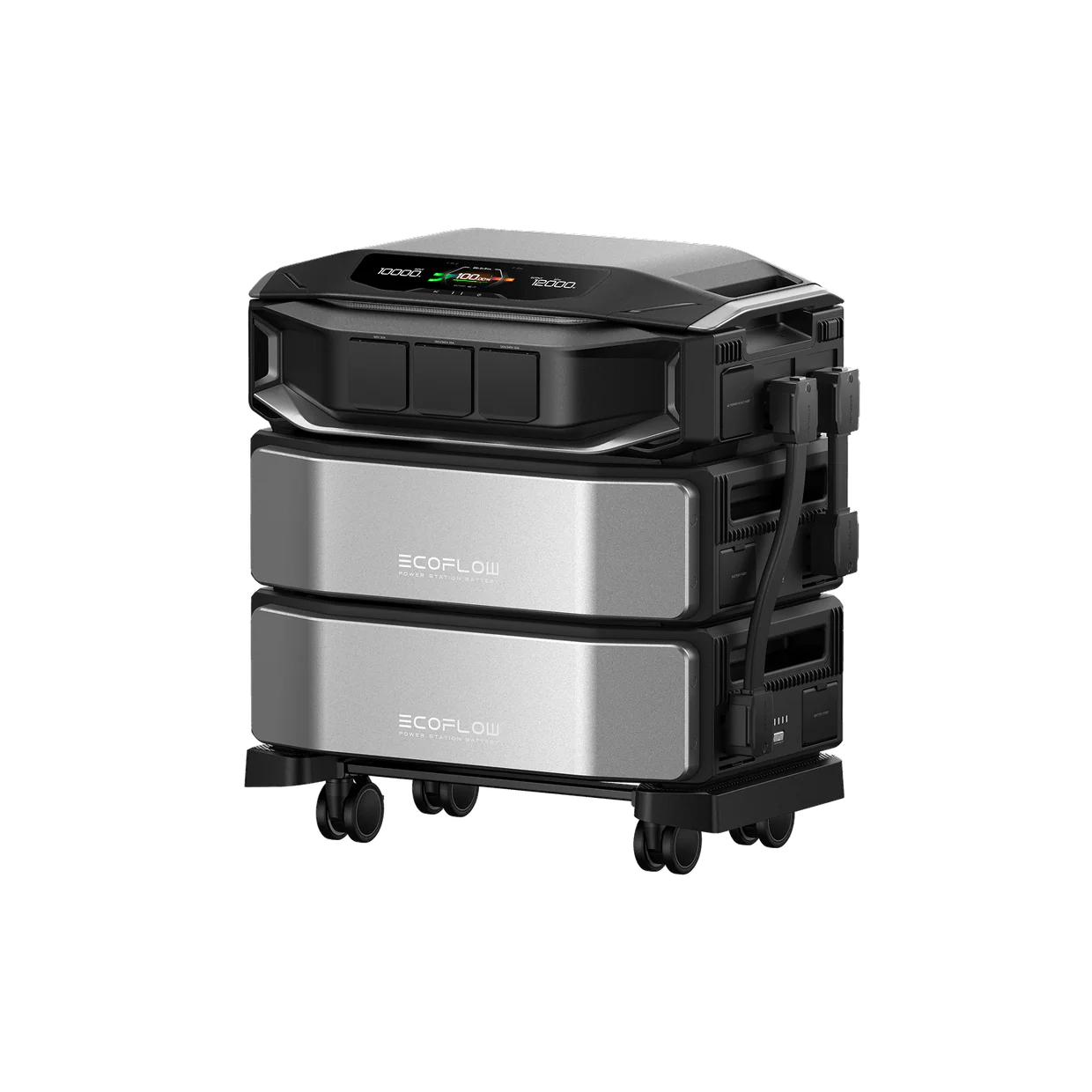
That's where an EcoFlow whole-home backup power solution fits in. Pairing solar panels with a battery system sized for your home's essential circuits lets you cover most of your daily energy use while staying within local grid-connection rules.
A setup like the EcoFlow DELTA Pro Ultra X is built to keep your home running through extended outages, making it a practical starting point for someone easing into off-grid power without disconnecting from the grid entirely.
What Laws Govern Water and Sewage Off-Grid?
Water and waste are where Florida's off-grid rules get the most specific, largely because of the state's porous limestone geology and high water table.
Rainwater Harvesting Rules
Collecting rainwater is legal statewide under Florida Statute 373.62, which supports harvesting for irrigation and other non-potable uses. A basic rain barrel or cistern needs no permit, though some counties add rules on system design and overflow — check with your local water management district first.
Septic and Sewer Connection Requirements
Any home not connected to a public sewer needs an onsite sewage treatment permit under Chapter 381.0065 of the Florida Statutes, issued through the county health department before construction begins. This applies whether you're installing a traditional septic tank or an alternative system.
Composting Toilets and Outhouses
Composting toilets are legal and require NSF/ANSI Standard 41 certification, according to the Florida Department of Environmental Protection. They still don't eliminate the need for a permit, since greywater from showers and sinks has to be handled by an approved disposal system. Outhouses and privies are permitted only for temporary or recreational use, not as a permanent solution for a residence.
What Are the Rules for Off-Grid Solar Power?
Florida's solar rules favor homeowners more than its septic rules do. The Florida Solar Rights Act prohibits HOAs and local governments from blocking solar installations, and Florida Public Service Commission Rule 25-6.065 requires investor-owned utilities to offer full retail-rate net metering. If you're weighing the numbers, understanding Florida's rising electric rates helps put the savings from solar in context.
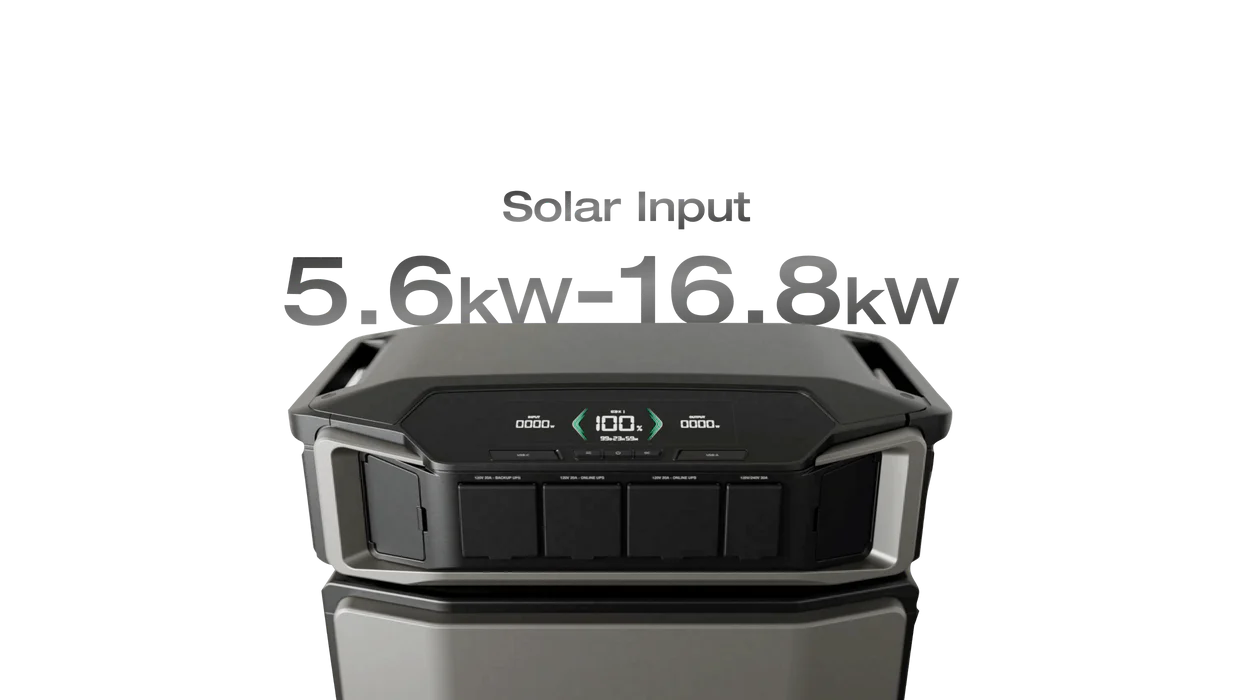
The catch is that generating power solely through solar or wind, with no grid connection at all, generally isn't permitted for a primary residence. An EcoFlow DELTA Pro Ultra whole-home battery backup works around this as well: it stores solar energy for outages or peak-rate hours while your home stays technically connected to the grid.
What Zoning and Building Codes Apply to Off-Grid Homes?
Zoning for off-grid living varies by county. Rural counties in the panhandle and north-central Florida, including Liberty, Franklin, and Dixie, have looser restrictions on alternative building methods and self-sufficient setups than dense residential areas near Miami or Tampa.
Before buying land, check the county's building codes for minimum square footage, foundation, and setback rules. These can rule out cabins or container homes that would otherwise work well off-grid.
What Climate Challenges Affect Off-Grid Living in Florida?
Florida's laws are only half the equation. The climate itself puts real strain on off-grid systems.
Hurricanes and Storm Damage
The Atlantic hurricane season runs June through November, and NOAA's 2026 outlook forecasts 8 to 14 named storms, with up to 6 reaching hurricane strength. Even a below-normal season can bring a storm strong enough to knock out power for days, which is a serious problem if your entire home relies on a single power source.
Humidity, Heat, and Corrosion
Florida's year-round humidity accelerates corrosion in outdoor equipment, including solar mounting hardware and battery enclosures. Components rated for coastal or high-moisture environments hold up far better than standard hardware. Check equipment ratings before installing anything permanently outdoors.
Flooding and High Water Tables
Florida's water table sits close to the surface across much of the state, and the University of Florida's IFAS Extension notes that septic drainfields need adequate separation from groundwater to function properly.
Heavy rain events can temporarily raise the water table high enough to disrupt a drainfield, so site selection and elevation matter as much as the system itself.
How Can You Build a Storm-Resilient Off-Grid Power System?
A resilient off-grid setup in Florida starts with keeping equipment elevated and away from flood-prone areas, then adding enough battery capacity to ride out extended outages rather than brief interruptions.
A system like the EcoFlow DELTA Pro Ultra X, which can pair solar input with substantial battery storage, gives you a buffer during the days it can take crews to restore power after a major storm.
If you're still deciding how much independence from the grid makes sense for your property, this comparison of self-sufficiency versus fully off-grid living breaks down the tradeoffs.
Frequently Asked Questions
Can You Collect Rainwater for Drinking in Florida?
Yes, but it's not recommended without proper filtration and treatment. Florida law permits rainwater collection for non-potable uses like irrigation and toilet flushing without a permit. Using it as drinking water requires treatment systems that meet state health standards, since untreated rainwater can carry bacteria, debris, and other contaminants from roofing and storage containers.
What Is the Best County in Florida for Off-Grid Living?
Rural panhandle and north-central counties tend to work best, including Liberty, Franklin, Gulf, Calhoun, and Dixie. These areas have lower population density, more affordable land, and generally more flexible zoning for alternative housing and self-sufficient setups compared to fast-growing suburban and coastal counties where building codes are stricter.
Reliable Solar Power Helps Florida Off-Grid Homes Withstand Hurricane Season
Living off-grid in Florida means navigating permit requirements for septic and water systems, working within grid-connection rules for solar, and building equipment that can handle heat, humidity, and hurricane season without missing a beat.
Since a single storm can leave utility customers waiting days for restoration, pairing solar panels with a properly sized whole-home backup power solution, like the EcoFlow DELTA Pro Ultra or EcoFlow DELTA Pro Ultra X, gives your off-grid setup the resilience to keep running long after the grid goes down.
For press requests or interview opportunities, reach out to our media team
media.na@ecoflow.com