Kayak Fishing Power: Charging Electronics on the Water
- Why Does Power Management Matter for Kayak Anglers?
- What Power Challenges Do Kayak Anglers Face?
- What Electronics Need Power on a Fishing Kayak?
- How Do Portable Power Stations Help Kayak Anglers?
- How Do You Choose the Right Power Setup for Your Kayak?
- Frequently Asked Questions
- Reliable Portable Power Keeps Kayak Anglers Fishing Longer and Farther From Shore
Modern kayak anglers rely on electronics more than ever. Fish finders, GPS, cameras, lights, and phones are all necessary pieces of gear on a fishing trip, but kayaks offer no easy way to provide power. Running out of power in open water can not only cut a trip short but also pose safety concerns.
Find out how to keep your gear charged and your day on the water uninterrupted.
Why Does Power Management Matter for Kayak Anglers?
You rely on electronic devices for navigation, communication, and emergencies. A dead battery on a fish finder or a phone with no charge is more than an inconvenience; it can mean a subpar day of fishing, losing your way back to the launch, or being unable to call for help.
You’ll often be fishing far from shore for several hours with no way to swap batteries. Planning your charging setup ahead of time is what separates a productive day of fishing from a trip cut short.
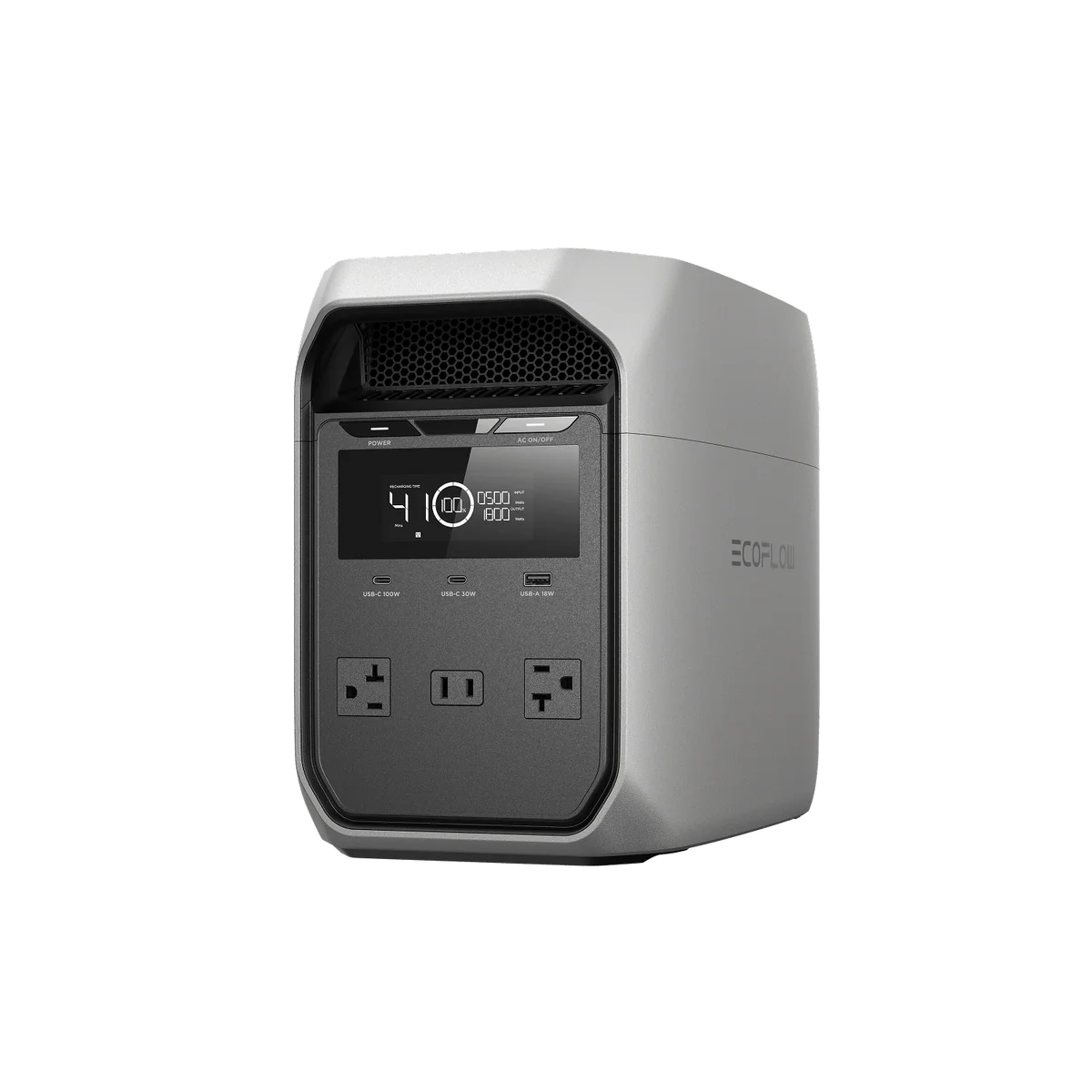
The EcoFlow DELTA 3 Classic keeps your fish finder, phone, and lights charged in a compact unit that fits easily into a kayak's limited storage, so you're never stuck watching a battery icon instead of your line.
What Power Challenges Do Kayak Anglers Face?
Limited Space and Weight Capacity
Kayaks have a fraction of the storage and weight capacity of a boat. Every pound and inch competes with rods, tackle, bait, and other fishing gear, so power equipment has to be compact and light enough to maintain your kayak’s balance and preserve usable storage.
Water and Moisture Exposure
Kayaks sit inches from the water, and spray, rain, and the occasional wave are expected. Electronics and batteries on your kayak face far more moisture exposure than they would on a boat, making water resistance a non-negotiable rather than a luxury.
No Onboard Charging Like a Boat or Truck
Boats and trucks typically have 12V outlets to charge essential devices. Kayaks don’t. Anything that needs a charge must bring a power source along, since there’s no system on board to draw from.
What Electronics Need Power on a Fishing Kayak?
Fish Finders and GPS Units
Fish finders and GPS units are often the most demanding devices on board for power. They run continuously for hours to chart courses and track depth, structure, and fish activity. Most run on 12V and need a dedicated battery.
Smartphones and Handheld Radios
Smartphones often double as GPS, camera, and communication tools, and handheld radios are a safety essential if you’re fishing offshore or in open water. Both can drain quickly with screens on and location services running, so backup power is crucial.
Action Cameras
Action cameras can be used to document catches and are often left recording continuously to ensure every memorable moment is captured. Running these devices continuously for hours drains the battery well before a full fishing day is done.
Navigation and Deck Lights
Early launches and late returns mean you’ll rely on navigation and deck lights for visibility and safety. These lights need a steady, reliable power source to help guide you back to shore.
How Do Portable Power Stations Help Kayak Anglers?
Portable power stations are rechargeable battery banks that can power multiple devices at once. Instead of carrying a crate full of disposable batteries or having to dock every couple of hours to recharge, anglers can charge a fish finder, phone, camera, and lights from a single unit, typically through a mix of USB, 12V, and AC outlets.
Many portable power stations are compact enough to fit in a kayak’s dry storage, and models with water-resistant housings do better to combat sprays and splashes than standard electronics.
Recharging these units is as simple as plugging them into a wall outlet at home, and some units can be paired with a solar generator setup during long sunny days, extending range well beyond a single battery’s capacity.

How Do You Choose the Right Power Setup for Your Kayak?
Choosing the right power station means matching capacity, size, and durability to your fishing setup. Add the wattage of everything you plan to power (fish finder, lights, camera, phone, GPS) and choose a power station with enough watt-hours to cover a full day with some headroom.
Compare that with your kayak’s available storage and weight capacity, as a bigger battery is only useful if it actually fits.
Look for a water-resistant model and check the range of output ports to ensure it can accommodate all of your devices. Consider trip length, access to recharging, and even the season; cold temperatures during winter kayaking can reduce battery performance, so it’s worth packing extra capacity for cold weather trips.
Multi-day trips or fishing far from a vehicle benefit from higher capacity or solar compatibility, while day-trippers can often get by with a more compact setup.
Frequently Asked Questions
Can You Bring a Portable Power Station on a Kayak?
Yes, compact power stations can fit in dry storage compartments on a kayak, and many are built with water-resistant housings to combat the spray and splash of paddling. Look for a lightweight unit with a water-resistant casing, since weight and moisture matter more here than in a car or boat.
How Long Will a Portable Power Station Run a Fish Finder?
Runtime depends on the fish finder’s draw and the power station’s capacity, but a mid-sized unit can typically run a standard fish finder for a full day of fishing, roughly 8 hours or more. Screen brightness and GPS use also affect draw, so a higher-capacity unit gives you more of a buffer on longer trips.
What Size Power Station Do You Need for a Full Day on the Water?
For a single fish finder, plus phone and light charging, a smaller capacity unit of roughly 500Wh is typically enough for a day trip. For multi-day trips, aim for around 1,000Wh or more, with some headroom for extra devices. Factor in additional capacity if you're also running an action camera or handheld radio, since every device you add shortens how long a single charge will last.
Reliable Portable Power Keeps Kayak Anglers Fishing Longer and Farther From Shore
Kayak anglers face a unique set of power challenges from tight storage to constant moisture exposure. With fish finders, phones, cameras, and lights all fighting for battery life, a portable power station offers a simple and reliable solution to keeping every device running for a full day on the water.
Keep your essentials powered all day with EcoFlow. The EcoFlow DELTA 3 Classic charges a fish finder, phone, and lights from a single unit so you can enjoy a full day of uninterrupted paddling.
For press requests or interview opportunities, reach out to our media team
media.na@ecoflow.com