Power Outage Essentials: Everything You Need Ready Before the Lights Go Out
- Build a Power Outage Plan That Covers Your Home, Health, and Comfort
- Stock a Power Outage Emergency Kit That Works for Short and Extended Blackouts
- Protect Food, Medication, and Home Systems When the Power Goes Out
- Use Backup Power Safely: Generator Rules and Carbon Monoxide Prevention
- Make Outage Response Simple With Alerts, Communication, and a Restoration Routine
- Frequently Asked Questions
- Get Ready Now so the Next Outage Feels Manageable, Not Stressful
Power outages are becoming more frequent and lasting longer, driven by severe weather, wildfires, and aging infrastructure. Since blackouts can happen at any time, preparation is the best protection.
This guide covers everything you need to keep your home and family safe: building an emergency kit, protecting essential systems, using backup power correctly, and having a plan ready before the lights go out.
Build a Power Outage Plan That Covers Your Home, Health, and Comfort
According to the latest stats from the Energy Information Administration (EIA), U.S. customers experienced an average of 11 hours without electricity, nearly twice as many hours as a decade ago. Most of the increase over the years is from major weather events like hurricanes, but wildfires, heat waves, and aging infrastructure are also causing more outages.
This is why a backup power plan is essential, whether preparing for summer power outages when you may need air conditioning or winter survival backup power when you need to run electric heaters.
Either way, the best way to protect your family and home from outages is to have your own backup power solution.
Stock a Power Outage Emergency Kit That Works for Short and Extended Blackouts
Keep the following emergency items on hand for any blackout.
3-day supply of non-perishable foods for all family members and pets.
3-day supply of drinking water for family members and pets.
Any necessary medications.
First aid kit.
Emergency radio.
Rechargeable LED flashlights (avoid candles).
Toilet paper, sanitizer, wipes, etc.
Emergency cash.
Books, cards, and games.
Portable power station to run essential appliances like fridges and medical equipment, and to recharge lights and phones.
Solar panels to recharge batteries for extended blackouts.
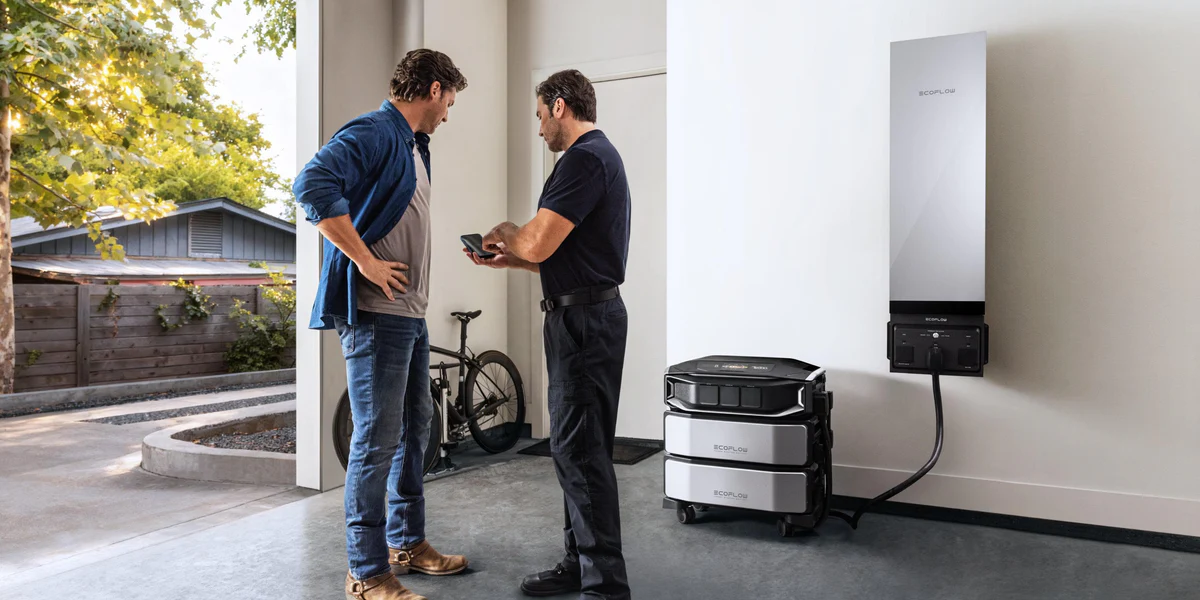
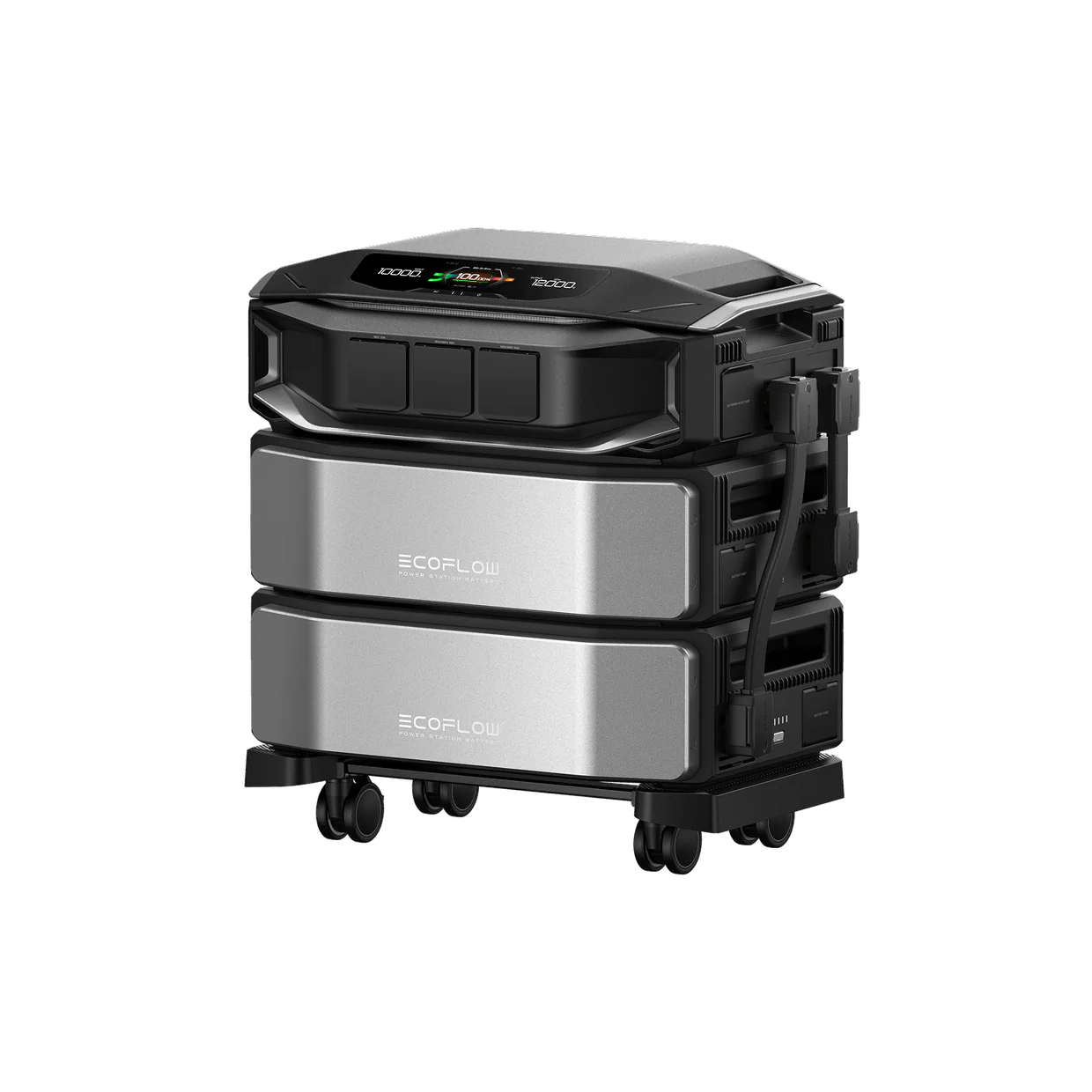
If you want your entire home to stay running without managing individual appliances, a whole-home backup power solution can be set to turn on automatically the moment an outage is detected. The EcoFlow DELTA Pro Ultra X supports 12–180kWh of expandable capacity, so even large homes with high energy demands are covered through extended blackouts.
Protect Food, Medication, and Home Systems When the Power Goes Out
Your essential systems, like refrigerators, freezers, home security and alarms, well pumps, and medical equipment like oxygen concentrators and CPAP machines, cannot go for long without power.
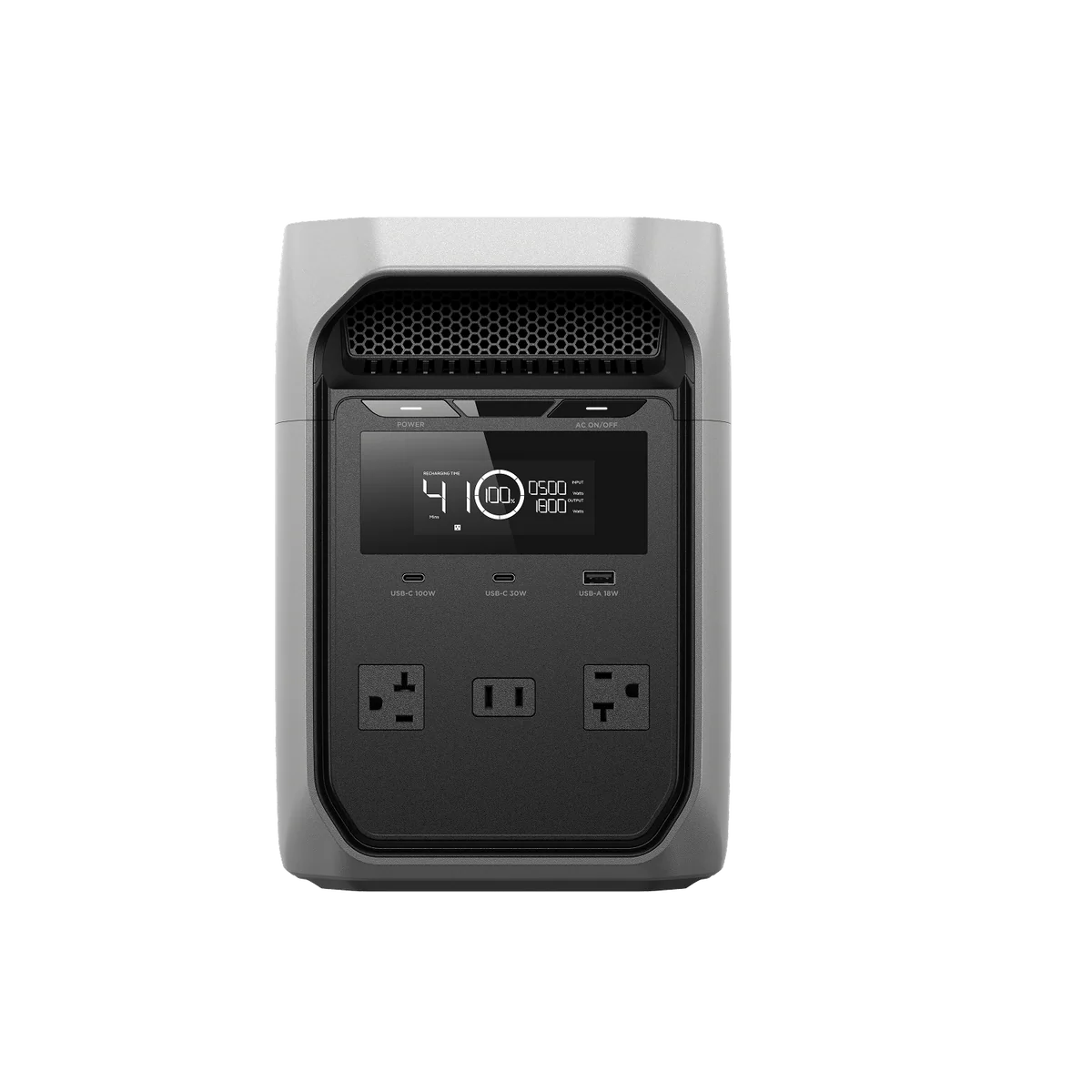
You can easily protect essential appliances with a portable power station like the EcoFlow DELTA 3 Classic, using it as a dedicated power source so you never have to worry about them losing power.
Use Backup Power Safely: Generator Rules and Carbon Monoxide Prevention
All traditional generators, whether gas, diesel, or propane, emit carbon monoxide as a natural byproduct of combustion. Unfortunately, it’s also highly lethal, with unintentional CO poisoning killing over 400 Americans every year. This is why they can never be used indoors, not even in sheds or garages.
They must be run outdoors far from all vents, doors, and windows. Then run a heavy-duty outdoor extension cord inside. You should also install battery-powered carbon monoxide detectors.
Whether preparing for winter storm outages or summer heat wave blackouts, you should consider a battery-operated, emission-free whole home generator instead.
Make Outage Response Simple With Alerts, Communication, and a Restoration Routine
Simple alerts on your phone can help ease the stress of unexpected blackouts. A weather app can alert you of severe weather, and you can usually sign up for alerts from your utility company about planned and unplanned blackouts with ETAs for electricity restoration.
Also, make sure you have a family communication plan in place with emergency contacts. Don’t forget to include plans for a safe (warm or cool) room in the home to deal with extreme weather, and have an alternative meeting place in case you’re separated and your home becomes unsafe.
Finally, a restoration routine should be planned with your family. When the electricity returns, slowly turn on any appliances you may have unplugged and check on any vulnerable neighbors who may need help. Stay home to keep the roads clear for emergency responders, too — if you must leave, though, monitor emergency alerts and avoid downed electrical lines.
Frequently Asked Questions
What Are the Must-Have Power Outage Essentials to Keep at Home?
The most important outage essentials are a battery-operated, indoor-safe portable power station to keep critical appliances running, plus non-perishable foods, water, medications, a first aid kit, blankets, and other emergency supplies suitable to your weather hazards. Tailor your kit to your household; families with infants, elderly members, or anyone with medical needs should stock accordingly.
How Long Will Refrigerated and Frozen Food Stay Safe Without Power?
Refrigerated food typically stays safe for ~4 hours without electricity, while freezers keep food safe for 24–48 hours. However, this varies based on how full the fridge/freezer is (the fuller, the longer they last), the temperature in your home, and whether you open the door.
What’s the Safest Way to Use a Generator During a Power Outage?
The safest is an emissions-free battery-operated generator that can be used indoors. But if you have a fossil fuel generator, it must be used outdoors away from windows, doors, and vents, and you must use a heavy-duty outdoor extension cord to run electricity indoors. Install a battery-powered carbon monoxide detector as an added precaution; it can alert you if fumes reach dangerous levels.
When Should I Choose a Portable Power Station or Whole-Home Backup?
A portable power station is ideal for running essential appliances or when traveling. But if you want to keep your entire home running during blackouts, you need a whole-home backup — you can even connect it to your electrical panel to turn on automatically during a blackout.
Get Ready Now so the Next Outage Feels Manageable, Not Stressful
Electrical outages can be stressful. We worry about food safety, medical safety, and home safety. While you can’t completely eliminate the stress of an unexpected blackout, you can make it a whole lot more manageable with some simple preparation.
Keep your emergency supplies stocked and explore options like a portable power station, such as the EcoFlow DELTA 3 Classic, to run fridges or medical equipment, or systems like the EcoFlow DELTA Pro Ultra X for whole-home reliability.
For press requests or interview opportunities, reach out to our media team
media.na@ecoflow.com