Illinois Solar Net Metering Changes 2026: Why Solar Owners Now Need Battery Storage
- What Was Illinois Full Retail Net Metering?
- How Does Smart Solar Billing Work in Illinois?
- How Much Less Are Illinois Solar Owners Earning on Exports?
- Are Existing Solar Owners Affected?
- What Illinois Incentives Are Still Available for Solar and Battery Storage?
- Frequently Asked Questions
- Save Money, Increase Resilience, and Maximize Solar Value
Illinois used to offer a 1:1 full retail net metering rate, but Smart Solar Billing has now replaced that system. This new system offers reduced export rates, on the basis that grid users should not be credited for distribution and other fees, which are included in the full retail rates.
Still, even with the changes, solar remains a viable option for homeowners, especially when combined with battery storage.
What Was Illinois Full Retail Net Metering?
Historically, Illinois was a highly favorable state for adopting solar energy. Under the legacy 1:1 full retail net metering program, companies like ComEd and Ameren credited that energy against your utility bill at the full retail rate. This means that the utilities paid the homeowner at the exact same rate per kilowatt-hour (kWh) they charge you to draw energy from the grid.
What Changed on January 1, 2025?
Similar to the California NEM 3.0 fight that substantially reduced solar export compensation, the clean energy landscape in Illinois has also changed significantly. On January 1, 2025, the legislative framework of the Illinois Climate and Equitable Jobs Act (CEJA) mandated a shift from traditional full retail net metering to a new system that reflects the raw wholesale value of power.
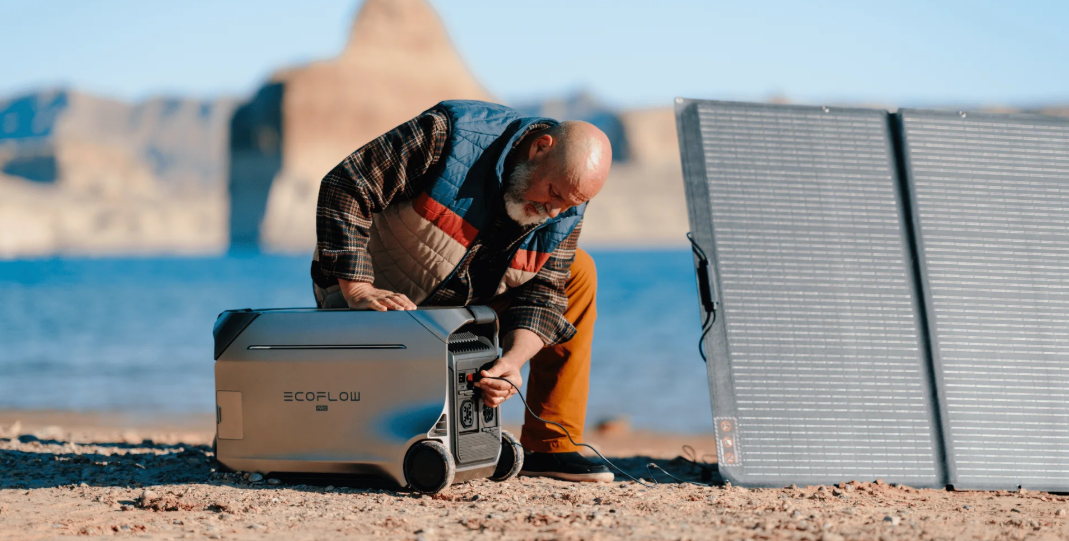
This means solar alone likely can no longer zero out a utility bill through 1:1 exporting. However, installing the EcoFlow DELTA Pro 3 Solar Generator + 400W Solar Panel allows you to generate and store solar energy so you can still use it at night and save more money on your monthly bill.
How Does Smart Solar Billing Work in Illinois?
Smart Solar Billing, which replaced legacy net metering, represents a fundamental change in how Illinois utilities compensate for distributed energy generation.
Instead of full retail rates, which include delivery and other fixed fees, Smart Solar Billing strips away those fees and primarily credits for the energy supply portion of your electricity bill. This means when you use clean energy sources at home and export excess to the grid, you now get paid less than what you pay when you draw energy from the grid.
How Much Less Are Illinois Solar Owners Earning on Exports?
Delivery fees and other fixed charges can make up at least half of the average Illinois electricity bill. By eliminating those charges from the export credit, you lose about half the value of your exported energy.
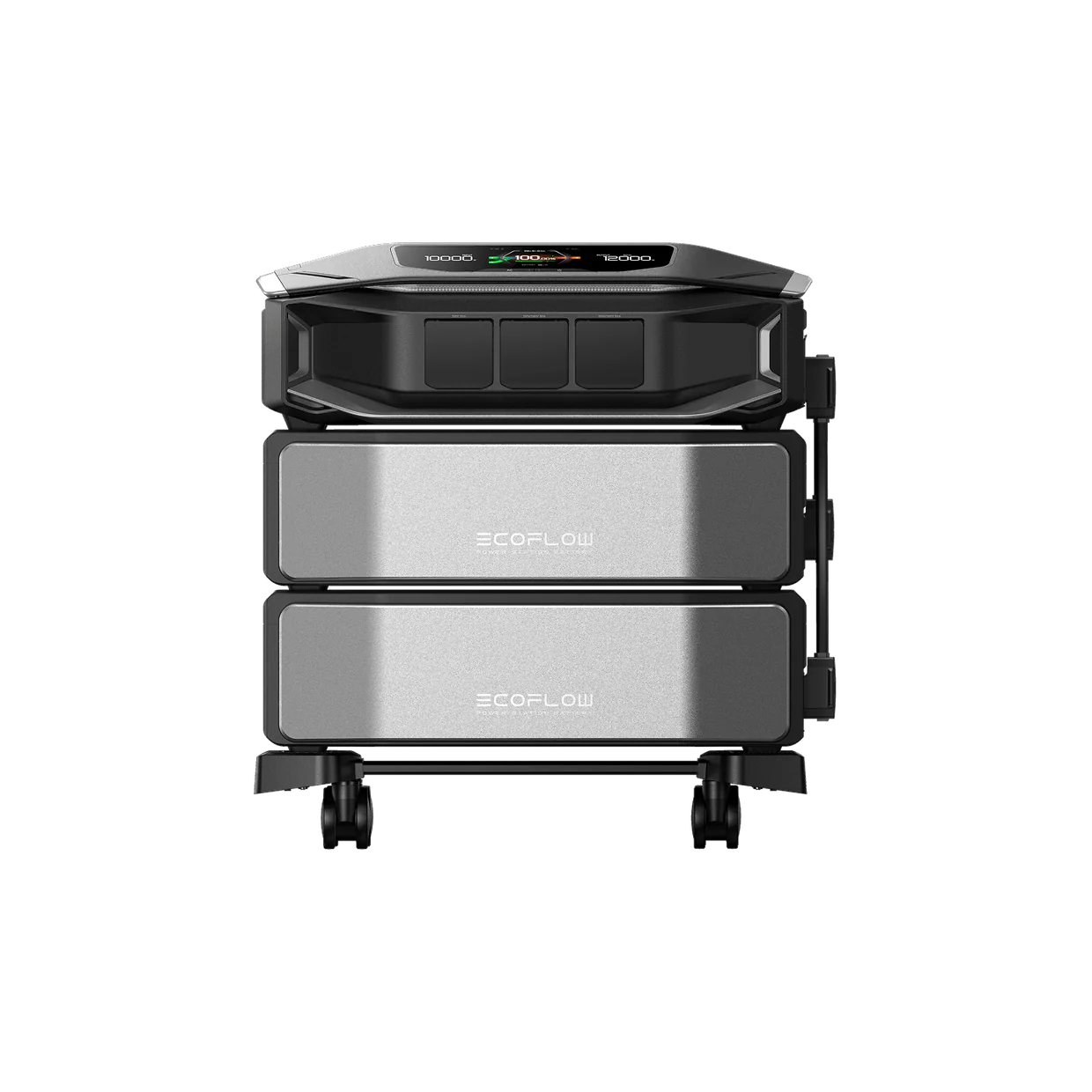
This is why when calculating the value of the new net metering vs. batteries, the math overwhelmingly favors energy storage. Instead of getting about half the retail rate by exporting, you can use your solar to charge a home battery system like the EcoFlow DELTA Pro Ultra X, which stores enough capacity to power a whole home's energy needs, making it one of the most capable options in the whole home generator category.
Then use your stored energy after dark to run your home and avoid paying full retail rates, especially the elevated time-of-use rates around dinnertime when grid demand peaks.
Are Existing Solar Owners Affected?
Existing solar owners are grandfathered into the legacy 1:1 full retail net metering. The key is that your system must have received its permission to operate (PTO) prior to the January 1, 2025, deadline.
The primary catch to legacy net metering eligibility is that it's tied to the system you had approved before that deadline. If you expand your solar array’s capacity, the new capacity may not be eligible for the legacy rate, depending on how much you expand it and who your provider is.
However, you can add a battery-operated whole home backup power solution, and your legacy net metering rates won’t be affected.
What Illinois Incentives Are Still Available for Solar and Battery Storage?
Illinois has several incentives available in 2026:
Under the Illinois Shines program, homeowners can get Renewable Energy Certificates (RECs) for their systems, paid out partially in a lump sum right away, followed by quarterly payments over 6 years.
Distributed Generation Energy Storage Rebates are upfront utility rebates that offer around $300 per kWh of battery storage. It’s designed to encourage homeowners to adopt battery systems like the EcoFlow DELTA Pro Ultra X.
Illinois also offers property tax exemptions so that the increased value your system adds to your home is exempt from additional property taxes.
Frequently Asked Questions
What Is Smart Solar Billing in Illinois?
Smart Solar Billing went into effect January 1, 2025, replacing the legacy 1:1 full retail net metering program in Illinois. It credits solar exports at the lower energy supply rate rather than the full retail delivery rate, effectively halving export rates. Pairing solar with battery storage is now the most effective way to maximize your system's value under the new rules.
Are Illinois Solar Owners Grandfathered Into Full Retail Net Metering?
Yes, your system is grandfathered into the legacy 1:1 full retail net metering program, as long as it was installed and approved for operation before January 1, 2025. However, if you expand your system, the new portion may fall under Smart Solar Billing, depending on your utility provider.
Is Solar Still Worth It in Illinois Without Full Retail Net Metering?
Yes. You still get export credits, albeit at lower rates. But it's most valuable when paired with battery storage, storing solar energy and avoiding peak retail electricity rates. You can also take advantage of battery rebates and VPP credits and enjoy backup power when the grid goes down.
Save Money, Increase Resilience, and Maximize Solar Value
While you may have missed the deadline to be grandfathered into full 1:1 retail net metering rates, you can still save money and increase your energy resilience in Illinois.
The key to maximizing your value is with battery storage. Instead of exporting all your excess solar energy at reduced rates, use some to recharge your EcoFlow DELTA Pro Ultra X Whole-Home Backup Power. Then use your stored energy to run appliances during those peak time-of-use rates in the early evening and save significant money.
Plus, you get the peace of mind: the next time the grid goes down, you have backup to keep your essential systems running.
For press requests or interview opportunities, reach out to our media team
media.na@ecoflow.com