HOA Rules for Balcony Solar Panels: Know Your Rights Before You Buy in 2026
- Balcony Solar Panels and HOA Authority: What Rules Typically Cover
- Know Your Legal Protections in 2026: State Solar Access Laws and Common Standards
- How to Get HOA Approval Faster with a Balcony Solar Plan That Answers Objections
- Safety, Codes, and Liability: What HOAs Care About and How to De-Risk Your Setup
- Choosing a Balcony-Friendly Solar Setup That Fits HOA Constraints and Your Power Goals
- Frequently Asked Questions
- Protect Your Rights, Save Money, Gain Energy Resilience
If you live in an apartment or condo, and you want to use solar panels on your balcony, make sure you’re familiar with the Homeowners Association (HOA) rules. This guide looks at what you need to know about your rights if you want to generate your own solar power.
Balcony Solar Panels and HOA Authority: What Rules Typically Cover
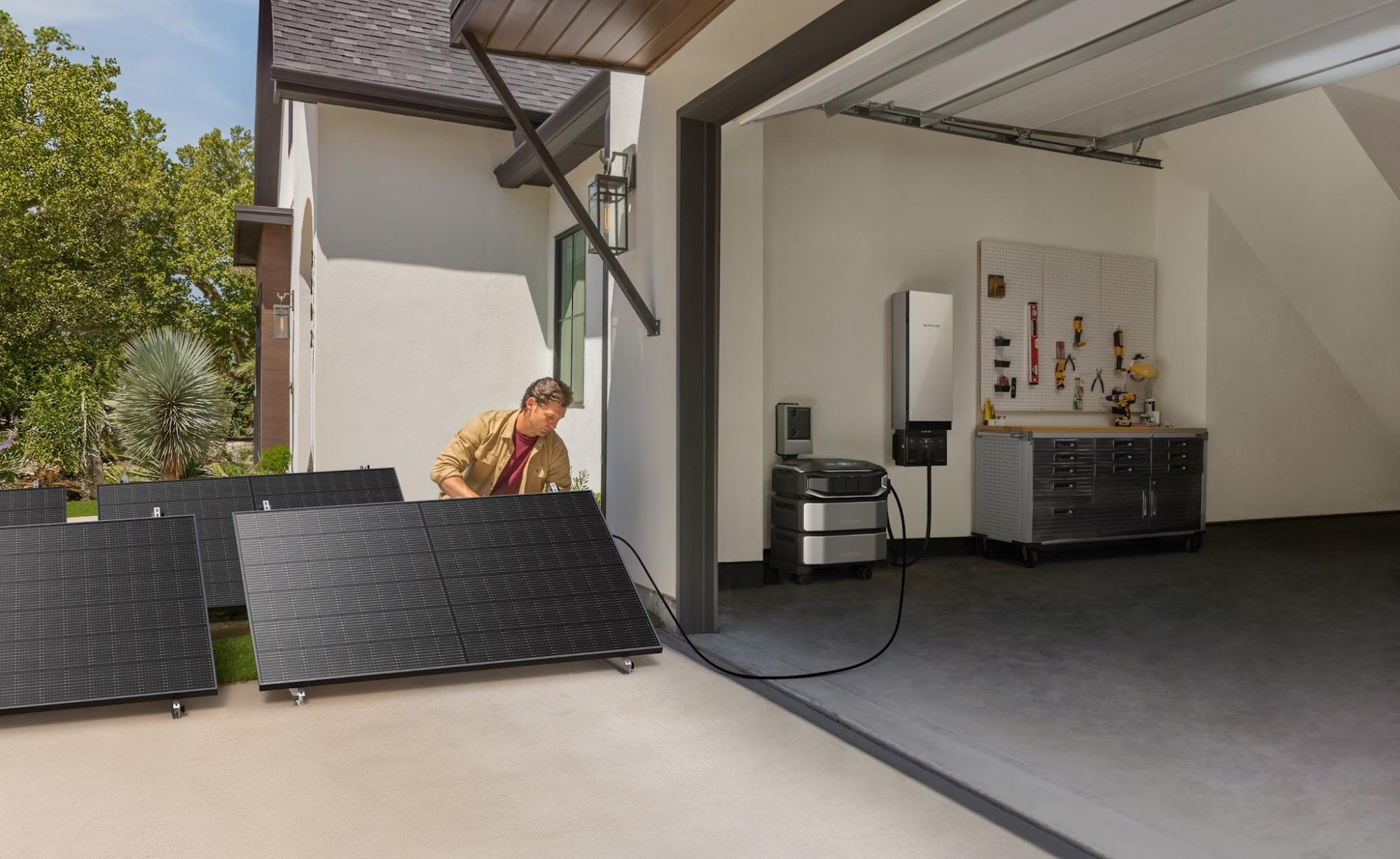
Homeowners can take advantage of solar power in several ways, from home backup solutions like the EcoFlow DELTA Pro Ultra X to smaller portable power stations that you can use to power up devices.
However, when you install solar panels, you may have to meet certain requirements set out by your HOA.
HOAs may have issues with visible modifications on your building that can impact safety, structural integrity, and aesthetics. The governing documents will usually require an architectural review for any addition you make to the exterior of the property.
Appearance is one of the biggest issues. If a panel looks very different from the rest of the building in its profile, color, or mounting style, your HOA could flag this as a problem.
The structural security of the balcony is also key. If setting up your solar panels affects the railing or wall, or you need to drill holes or use heavy setups, this can pose liability risks, which can cause issues for the HOA.
Know Your Legal Protections in 2026: State Solar Access Laws and Common Standards
The legal landscape surrounding the rights of property owners to generate renewable energy, including solar in apartments and small homes, has evolved. Now, many states have solar access laws in place. These are frameworks that protect your right to produce solar energy, and they also prevent HOAs from implementing blanket bans on installations.
Despite this, solar access laws don't grant you a free pass. Associations still retain the authority to enforce "reasonable restrictions" regarding placement, aesthetics, and safety.
That being said, an HOA limitation may still be considered unreasonable. For example, this could be the case if a limitation leads to significant cost increases. It could also be considered unreasonable if a mandate forces a placement change that reduces your system's efficiency by over 10%, or if any decision effectively prohibits your use of solar power.
Also, if you are denied the right to install solar power, the HOA must provide a detailed and objective justification and cannot simply rely on subjective aesthetic preferences.
However, the rules depend on where you live, so check the Database of State Incentives for Renewables & Efficiency (DSIRE) to find out what the rules are where you live.
How to Get HOA Approval Faster with a Balcony Solar Plan That Answers Objections
While home solar systems are gaining in popularity, getting your system approved by your HOA is not always easy.
If you make a vague or incomplete application for your balcony solar, this could lead to a denial from the HOA. However, you can potentially speed up approval by treating the submission like a professional proposal.
Create a balcony solar plan that includes:
Site Photos: Provide high-resolution photos showing the current state of the balcony. Use digital rendering to show where the panels will be mounted and how they will look.
Mounting Method: Document that your system will use a non-destructive mounting method, such as stainless-steel clamps. This addresses concerns about damaging the structure of the building.
Safety: Highlight any safety certifications your system has, like a UL 9540 certification.
Timeline: Be clear with the project schedule and show how long the installation will take. Ideally, it should be no longer than a single day.
Safety, Codes, and Liability: What HOAs Care About and How to De-Risk Your Setup
HOAs care about several areas related to safety and liability when it comes to installing solar panels that could have an impact on your application.
Wind Load: This concerns the risk of your solar panels falling off and causing damage or injury. Ensure you use a mounting kit rated to deal with the wind speeds in your region. High-quality mounts can withstand significant gusts.
Electrical Routing: Messy wiring and exposed wires are a big red flag for HOAs. Ensure you use weather-rated cables and tidy cable management.
Fire Access & Safety: Mention that the system you are installing is a low-wattage system and an appliance-level device, and make sure it will not be positioned in such a way as to block access.
Insurance: It’s a good idea to confirm coverage before you apply, so contact your insurance provider early on. Most policies can add a rider or confirm coverage for portable electronics, and you can then clearly state this in your proposal.
Choosing a Balcony-Friendly Solar Setup That Fits HOA Constraints and Your Power Goals
It’s important to note that balcony solar is a supplementary solution; it reduces what you draw from the grid, but it isn't a replacement for your grid connection or a whole-home backup system.
You want to choose a solar setup that fits HOA constraints and your goals. The simplest path is a device that minimizes the installation friction. A plug-in setup minimises installation friction far more effectively than a complex, hardwired array.
Residents in Maryland and Utah can take this further with the EcoFlow STREAM Ultra + Microinverter, a plug-and-play system that feeds solar power directly into your home through a standard wall outlet. (Note that availability is currently exclusive to Maryland and Utah as of June 2026, but check the EcoFlow website for the latest updates as the rollout expands.)
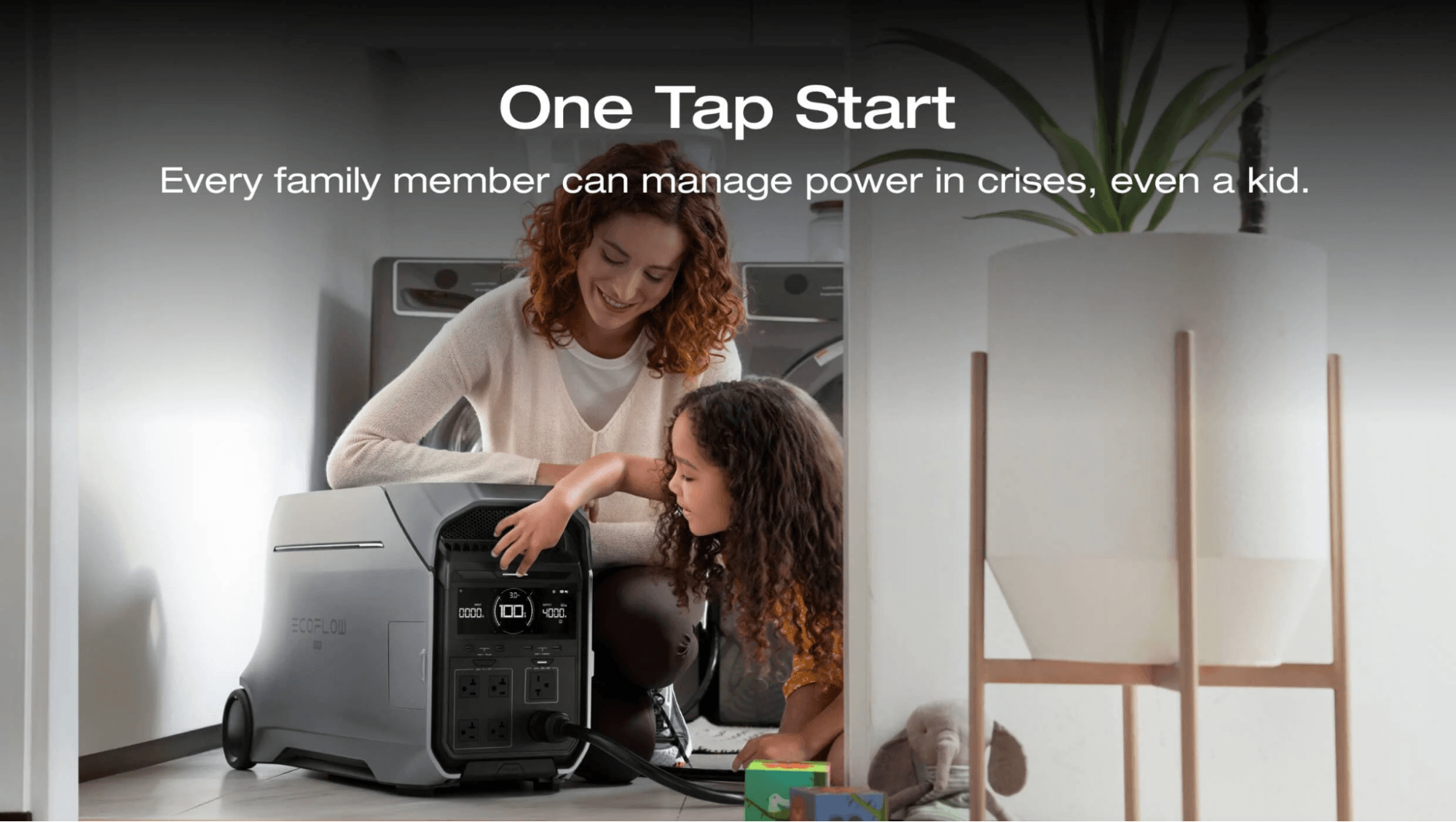
If you want a generator in your apartment, a battery-powered system like the EcoFlow DELTA Pro 3 Solar Generator is designed as a home backup solution to use during a power outage that pairs with solar panels to generate energy.
Frequently Asked Questions
Can an HOA Legally Ban Balcony Solar Panels Where I Live?
An outright ban is usually unenforceable in states with solar access laws. However, they may impose reasonable requirements on how they are installed, as long as these don’t make the project ineffective or too expensive.
Do I Need a Building Permit for a Balcony Solar Panel Setup?
This depends on your local codes and how the solar panels are mounted. Portable setups that clamp to the railing often don’t require a building permit. However, permanent mounts or structurally attached systems usually do, so it’s important to check your local municipal building and electrical codes first.
What Can I Do If My HOA Delays, Denies, or Keeps Adding New Requirements?
You can request a written explanation for every denial and see what reasons are stated. If they are subjective (e.g., they don’t like the appearance), you can cite your state’s solar access laws. If the board is still uncooperative, you may want to seek legal advice from a local HOA attorney.
Will a Balcony Solar Setup Impact My Renters’ Insurance, Condo Insurance, or Resale Value?
Generally, this is not a problem. These systems are portable and viewed as personal property instead of structural changes, so you can often list the equipment on your existing policy.
Protect Your Rights, Save Money, Gain Energy Resilience
State solar access laws have expanded significantly, and in most of the US, your HOA cannot outright block you from going solar, but they can impose conditions. The key is preparation: know your state's protections, submit a thorough proposal, and choose hardware that sidesteps the most common objections.
A portable, plug-in setup keeps installation non-destructive and approval-friendly, while still giving you real backup power when you need it. For more options beyond the balcony, explore EcoFlow's whole-home generator solutions to find the right fit for your home.
For press requests or interview opportunities, reach out to our media team
media.na@ecoflow.com