Illinois Power Outage Guide: Outage Maps, Storm Updates & Essential Safety Tips
- How Do You Track Illinois Storm Updates and Live Outage Maps?
- Why Are Storm-Related Power Outages So Common in Illinois?
- How Long Do Power Outages Usually Last After Illinois Storms?
- How Can You Stay Safe and Powered During an Extended Outage?
- What Are the Best Backup Power Options for Illinois Homes?
- Conclusion
- FAQ
Illinois residents frequently experience sudden blackouts. The Chicago area gets hit throughout the year by severe summer thunderstorms and derechos that can damage power lines and utility infrastructure. These conditions can cause power outages. When you lose power, you’ll want to know how to find outage information and keep your home operating safely. This comprehensive guide covers everything you need to navigate Illinois power outages. The guide tells you how to access real-time utility maps and understand local weather patterns. It also helps you choose the right backup power solutions to keep your family safe and connected.
How Do You Track Illinois Storm Updates and Live Outage Maps?
When a storm hits, knowing storm and outage status is very important. To stay up to date requires knowing where to look before mobile devices lose power. Keeping access to a portable power station can help ensure your phone remains charged during extended outages. Fortunately, Illinois utilities have robust tracking systems, but you need to know how to navigate them during a crisis.
Check Real-Time Storm and Weather Alerts
Local forecasts are available via the National Weather Service (NWS) offices in Chicago, Lincoln, and Quad Cities. Standard weather apps are convenient, but installing a dedicated alert app like FEMA alongside weather platforms such as Weather Underground ensures you get real-time localized data. These tools can provide real-time notifications when severe weather warnings are issued.
View ComEd and Ameren Illinois Outage Maps
If you lose power, your first step should be to check your utility’s live outage map. The ComEd Outage Map provides block-by-block updates and estimated restoration times for northern Illinois and the Chicago metro area. If you live in central or southern Illinois, the live Ameren Illinois Outage Map is a primary resource for tracking grid repairs in your county.
Receive Utility Alerts and Emergency Texts
Don’t wait for the internet to go down to register for alerts and check the grid status. Proactively sign up for text alerts from your utility provider. Text “OUT” to ComEd (26633) or sign up for alerts through the Ameren Illinois online portal. This allows you to receive automatic text notifications regarding the cause of the outage and when your electricity is expected to turn back on.
Why Are Storm-Related Power Outages So Common in Illinois?
Illinois is uniquely positioned geographically to experience a wide range of volatile weather. Because of this, the electrical grid’s reliability is constantly being tested. Accepting there are risks to reliable power, helps homeowners better prepare for the inevitable.
Illinois Sits in a Major Severe Weather Corridor
Illinois is located in a transition zone between cold northern air and warm, humid air from the Gulf of Mexico. This combination frequently creates severe weather conditions, including intense thunderstorms, strong winds, and lightning that can damage power infrastructure and cause outages.
Frequent Summer Thunderstorms Cause Localized Wire Damage
Heavy afternoon thunderstorms during the summer frequently sweep across the prairie and bring downburst winds and lightning. These localized storms can cause tree branches to snap and fall onto neighborhood power lines. When this happens, immediate outages can occur across suburban neighborhoods and rural communities.
High-Impact Tornadoes Can Cause Widespread Grid Damage
While less frequent than standard thunderstorms, Illinois also ranks high nationally for tornado occurrences. Tornadoes pose the greatest risk during the spring and summer months. Having an independent energy backup plan is an essential part of preparation for the Illinois tornado season. When a tornado touches down, it doesn’t just snap residential lines, it can take down major high-voltage transmission towers and sub-stations. Restoration efforts can take several days and, in severe cases, more than a week.
Aging Infrastructure Increases Outage Risk
Much of the electrical grid across many Illinois cities and rural cooperatives relies on decades-old infrastructure. This aging equipment is more susceptible to physical fatigue. As a result, even moderate storms may trigger equipment failures that newer infrastructure could potentially withstand.


How Long Do Power Outages Usually Last After Illinois Storms?
How long it takes to get your lights back on depends entirely on the severity of the storm and how much physical damage is done to the grid. Here are some examples of what to expect in Illinois for different storm scenarios.
Outage Durations During Minor Summer Thunderstorms
For standard summer storms that cause minor wind damage or localized lightning strikes, power is usually restored within 2 to 12 hours. Damage is typically limited to a few broken branches and trees, or blown transformers. Local utility repair crews can isolate and repair the issues relatively quickly.
Expected Timelines After Major Summer Derechos
When a powerful derecho or severe straight-line windstorm moves across Illinois, it can bring down trees, power lines, and utility poles over a wide area. Restoration efforts often take between 24 and 72 hours, though widespread damage may extend outages to several days. Recovery may be delayed by blocked roadways, widespread debris, and the need to repair or replace damaged electrical infrastructure.
Outage Timelines During Severe Tornado Outbreaks
In the aftermath of an EF-2 or stronger tornado, power outages are expected to last from several days to over a week. In some cases, significant portions of the electrical infrastructure, i.e. utility poles, transformers, and substations, must be rebuilt from scratch. To handle all the work, usually utility companies have to bring in out-of-state crews to help with reconstruction.
How Can You Stay Safe and Powered During an Extended Outage?
When a blackout is not just a brief inconvenience, but extends into a multi-day outage, there’s much more to deal with. Providing safety for your household and getting power for your home are critical. To do this, there are steps you can take to make sure your family stays comfortable, safe, and connected to the outside world.
Protect Food, Water, and Essential Supplies
Always keep your refrigerator and freezer doors closed as much as possible. According to the United States Department of Agriculture (USDA), an unopened fridge will keep food safe for about 4 hours, while a full freezer can maintain its temperature for up to 48 hours. During longer outages, some households may use a clean, emissions-free solar generator or similar backup power system to help keep refrigerators running and maintain safe food storage conditions.
Keep Phones and Communication Devices
Mobile phones are often the primary source of emergency updates and communication during outages. Avoid wasting battery on social media or games. To extend battery life, dim your screen brightness, and put your device into low-power mode.
Maintain Internet Access for Emergency Updates and Remote Work
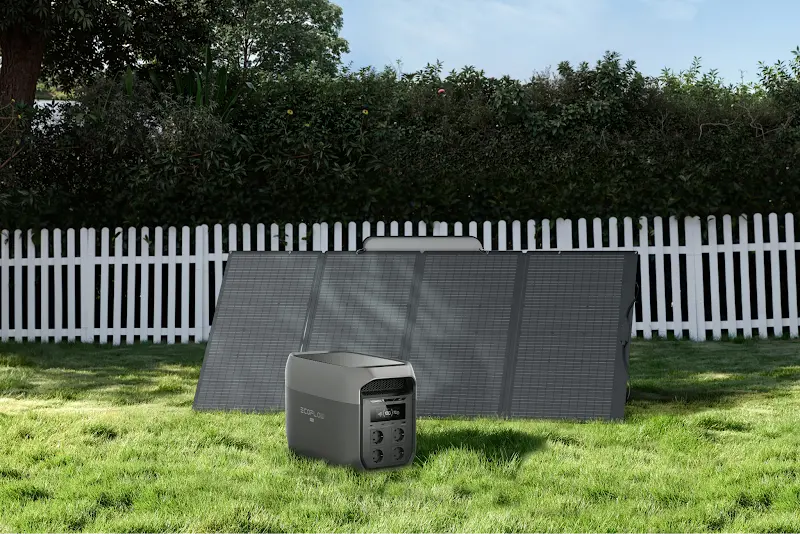
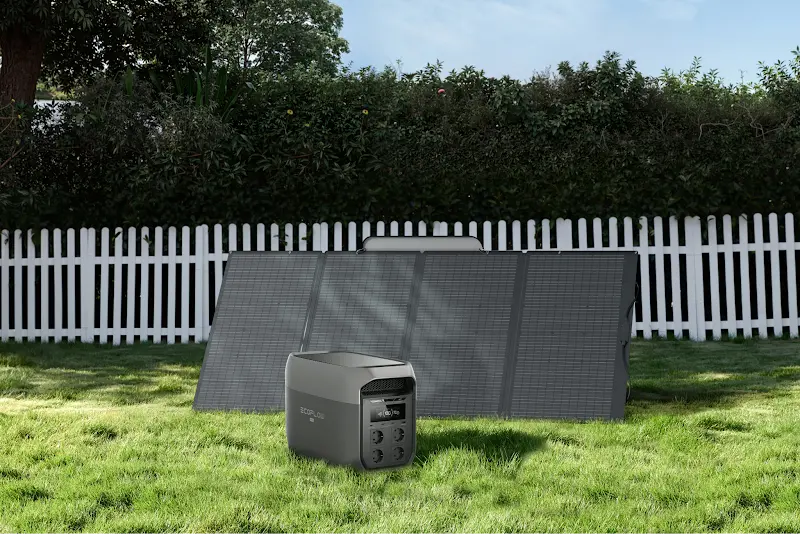
If a severe storm knocks out the power, one of the first critical services lost is your home internet connection, simply because your Wi-Fi router loses electrical power. Without power, it’s hard to access outage updates and weather alerts, and receive school or work notifications. You can use your phone for network connection, but your phone has limited charge without a backup. For remote workers or anyone needing to stay informed, keeping routers and modems powered is absolutely essential. Many households now rely on portable power stations combined with solar panels. This system allows them to recharge during the day using solar panels and keep the network running. For these short-term disruptions, the EcoFlow DELTA 3 Max (2048Wh) + 400W Solar Panel is an ideal setup, delivering stable power to keep your routers, modems, and primary communication devices running seamlessly throughout the outage.
Safely Power Essential Household Appliances
When a power outage stretches from hours into days, keeping essential home systems running will be your priority. This includes air conditioners or fans for indoor comfort during summer heat, and basement sump pumps to help prevent water damage during heavy rainfall. During outages caused by severe summer storms, derechos, or tornadoes, heavy-duty appliances require a robust, and reliable power source to run continuously. To handle these high-demand, long-term emergencies, many Illinois homeowners invest in expandable battery backup systems such as the EcoFlow DELTA Pro Ultra Whole-Home Backup Power. This heavy-duty system effortlessly handles high-surge appliances, maintaining essential household functions and safety until the primary grid is restored.
Avoid Common Generator Safety Risks
If you are using a portable gas-powered generator, it must be used safely. Never run a gas-powered generator indoors, in a garage, or near windows. Carbon monoxide is odorless and lethal and can build up indoors. Always place it outside, at least 20 feet away from your home and protect your extension power cord.
What Are the Best Backup Power Options for Illinois Homes?
Every household has different power requirements, budget constraints, and space limitations when planning to add a backup power system for unexpected blackouts. Choosing the right configuration is the most effective way to stay powered and safe during unexpected summer storms, whether you are preparing for short-duration outages or extended power disruptions.
Portable Battery Stations for Short-Term Outages
Portable battery stations are clean, silent, and safe for indoor use. They are compact and are an excellent choice for apartments and suburban homes. They easily keep your laptops, Wi-Fi routers, phones, and small appliances running for hours. Unlike fuel-powered generators, they operate quietly and do not require fuel storage or routine engine maintenance.
High-Capacity Backup Battery Systems for Multi-Day Outages
For an extended outage to power your whole-home, consider a high-capacity, expandable battery system. These are considered a common option for long-duration backup power in emergency preparedness. These systems can be integrated into your home’s electrical panel to back up heavy-duty appliances like refrigerators, well pumps, and HVAC systems. Power can switch automatically to the backup power when the grid fails.
Traditional Fuel Generators for Emergency Backup
Gasoline or propane generators offer high power output at a lower initial cost. This makes them popular for heavy power demands. However, you need to safely store cans of gas or propane, and must be operated strictly outdoors, protected from rain. Gas generators also require regular mechanical maintenance to ensure they actually start up when an emergency arises.
Conclusion
While severe weather events are common in Illinois, proper preparation can significantly reduce their impact on daily life. When storms are forecasted, understand the weather patterns of the Midwest and stay tuned to real-time utility maps. Implementing a reliable backup power plan ahead of time can protect both your family and your property. Don’t wait for the next severe storm warning to prepare your home. Invest in the right emergency resources and backup power solutions today so you can maintain access to essential electricity during outages.
FAQ
What Is the First Thing You Do When the Power Goes Out?
The very first thing you should do is check if your neighbors are also out of power and then report the outage to your utility provider. This helps companies like ComEd or Ameren map the boundaries of the blackout and dispatch repair crews to the source faster.
What Appliances Should Be Unplugged During a Power Outage?
You should immediately unplug sensitive electronics like computers, televisions, microwaves, and gaming consoles. When power is restored, brief voltage fluctuations or power surges can sometimes occur. Unplugging sensitive electronics during an outage can help reduce the risk of damage when electricity returns.
How Long Is Food Safe in a Refrigerator After the Power Goes Out?
Food can remain safe in a closed refrigerator for up to 4 hours. If the outage lasts longer than that, you should transfer perishable items into a cooler filled with ice to prevent spoilage and bacterial growth.
What to Stockpile in Case of Power Outage?
You should stock up on emergency supplies based on FEMA’s official disaster preparedness standards, including at least a three-day supply of bottled water, non-perishable canned foods, flashlights, extra batteries, a first-aid kit, and a portable power bank. If you live in Illinois, it is also wise to store a battery-powered fan for hot summer blackouts.
Why Fill a Bathtub with Water During a Power Outage?
Filling a bathtub with water gives you a large emergency reserve for manually flushing toilets and washing hands if the city water pumps fail. This is particularly critical for rural Illinois homes that rely on electric well pumps, which stop working immediately during a blackout.
For press requests or interview opportunities, reach out to our media team
media.na@ecoflow.com