How To Reduce Electricity Delivery Charges: Complete 2026 Guide
- What Are Electricity Delivery Charges?
- Why Are Electric Delivery Fees So High?
- How Much Do Electricity Delivery Costs Actually Run?
- How to Lower Your Electric Delivery Fees
- What About Long-Term Solutions?
- Reduce Your Electricity Delivery Costs Step by Step
- Frequently Asked Questions About Electricity Delivery Charges
If you've been staring at your electric bill wondering why it keeps climbing even though you haven't changed your habits, you're not alone. A big chunk of that bill comes from something called electricity delivery charges, and they're quietly eating up a third to half of what you pay each month. The good news? You have more control over these costs than you might think.
In this guide, we'll break down exactly what these charges are, why they're so expensive, and most importantly, eight practical ways you can reduce them starting today.
What Are Electricity Delivery Charges?
Electricity delivery charges are the fees you pay to get electricity from the power plant to your home through power lines, transformers, and other grid infrastructure. Your bill is actually split into two parts: the supply charge covers generating the electricity, and the delivery charge (also called transmission and distribution or TDU charges) covers getting it to your door. That typically means a fixed monthly base fee of $3-5 just for being connected to the grid, plus a variable charge of 4-6.3 cents per kWh based on how much you use. These fees go to utility companies like Oncor, CenterPoint Energy, or AEP Texas depending on your area, and here's the frustrating part: they're regulated pass-through costs, so you can't negotiate them with your electricity provider. But don't worry—there are still plenty of ways to bring them down.
Delivery charges have been going up for years, and there are a few big reasons why:
The grid is old. Most of it was built decades ago, and replacing all that aging equipment costs billions that get passed on to you.
Storms are getting worse. Events like the 2021 Texas freeze cost billions to repair, and that kind of damage is happening more often.
People are using more electricity. Data centers, electric vehicles, and population growth all mean the grid has to work harder and get bigger.
Renewables need new infrastructure. Adding solar and wind to the grid requires expensive upgrades to handle power flowing in both directions.
Rate increases get approved regularly. Utility commissions review delivery rates on a regular basis, and those reviews usually result in higher charges.
How Much Do Electricity Delivery Costs Actually Run?
Let's put some real numbers to this. In 2026, delivery charges vary by region, but here's what a typical household might see:
| Monthly Usage | Delivery Charge (Average) | Total Annual Delivery Cost |
| 500 kWh | $25-32 | $300-384 |
| 1,000 kWh | $45-68 | $540-816 |
| 1,500 kWh | $70-99 | $840-1,188 |
For a typical household using 1,000 kWh per month with a $150 total bill, delivery charges account for roughly $50-65 of that amount. That's almost half your bill just for delivery.
Regional differences matter too. CenterPoint Energy in Houston charges around 6.0 cents per kWh for delivery, while Lubbock Power & Light is at 6.3 cents per kWh. Northeast states often see even higher rates due to older infrastructure.
How to Lower Your Electric Delivery Fees
Now for the part you've been waiting for. Since delivery charges are based largely on how much electricity you use, reducing your consumption is the most direct path to lower fees. But there are several smart strategies you can combine for maximum savings.
1. Cut Your Overall Electricity Use
This may sound obvious, but it is the foundation upon which all other strategies are based. The less electricity you use from the grid, the less your variable supply costs will be. However, this doesn't mean you have to live in the dark. Here are some steps to make a big dent:
Use LED light bulbs instead of traditional incandescent bulbs. They consume 75% less power and last 25 times longer. When it's time to replace appliances, look for those with the "Energy Star" label, which can save 10 to 50% on energy costs, depending on the appliance. Your heating and air conditioning system is likely your biggest electricity consumer. Simply turning your thermostat back 7°-10°F for 8 hours a day — like when you're at work or asleep — can save as much as 10% a year on heating and cooling. A smart thermostat automates this for you. Sealing air leaks around windows and doors can also help prevent your system from working overtime.
2. Switch to a Time-of-Use Electricity Plan
Some providers offer time-of-use plans with lower rates during off-peak hours, such as late night or early morning. Shifting your usage can lower both supply and delivery costs.
Run your dishwasher, washing machine, and clothes dryer between 9 PM and 7 AM. Charge your car when electricity is cheap. Run your pool pump during off-peak hours. Some people even pre-cool or preheat during off-peak hours. By shifting your usage to off-peak hours, you can save 15-20% on your variable delivery costs.
3. Get a Professional Energy Audit
Most utility companies offer free or low-cost home energy audits where a professional comes out and identifies exactly where you're wasting energy. They'll use thermal imaging to find air leaks, check your insulation levels, test your HVAC efficiency, and give you a detailed report with specific recommendations.
The best part? Many of the improvements they recommend qualify for rebates or incentives that can offset your costs.
4. Upgrade Your Insulation
This is one of those home improvement projects that will continue to reward you for many years to come. Without proper insulation, your HVAC system will run nonstop, driving up your electricity and delivery costs. Insulation usually pays for itself within 2 to 5 years, then continues to save you money for decades.
5. Keep Your HVAC System Running Efficiently
Heating and cooling uses more energy than any other system in your home — typically around 43% of your utility bill — so keeping it in top shape matters. A well-maintained system uses 5 to 15% less electricity. Change air filters every 1 to 3 months. Get an annual professional service. Keep clutter away from the outdoor unit. Ensure vents and registers are clear. These simple maintenance steps cost you very little but can significantly reduce the amount of electricity your HVAC system consumes from the grid.
6. Install Smart Home Technology
Smart devices enable you to monitor and control your energy usage in ways you couldn't before. A smart meter displays your usage in real time, allowing you to monitor exactly when and how you use energy. Smart plugs and power strips help you avoid "phantom loads" from appliances that continue to draw energy even when turned off.
The data provided by these devices is extremely valuable for understanding your consumption and identifying potential savings opportunities.
7. Use Portable Power Stations Strategically
A simple way to cut delivery charges is to use a portable power station for peak shaving: charge it during cheap off-peak hours, then run your appliances on battery power when rates are highest. If you're already on a time-of-use plan, this approach makes an even bigger difference. And you'll always have reliable backup power on standby, just in case.
8. Invest in Whole-Home Energy Independence
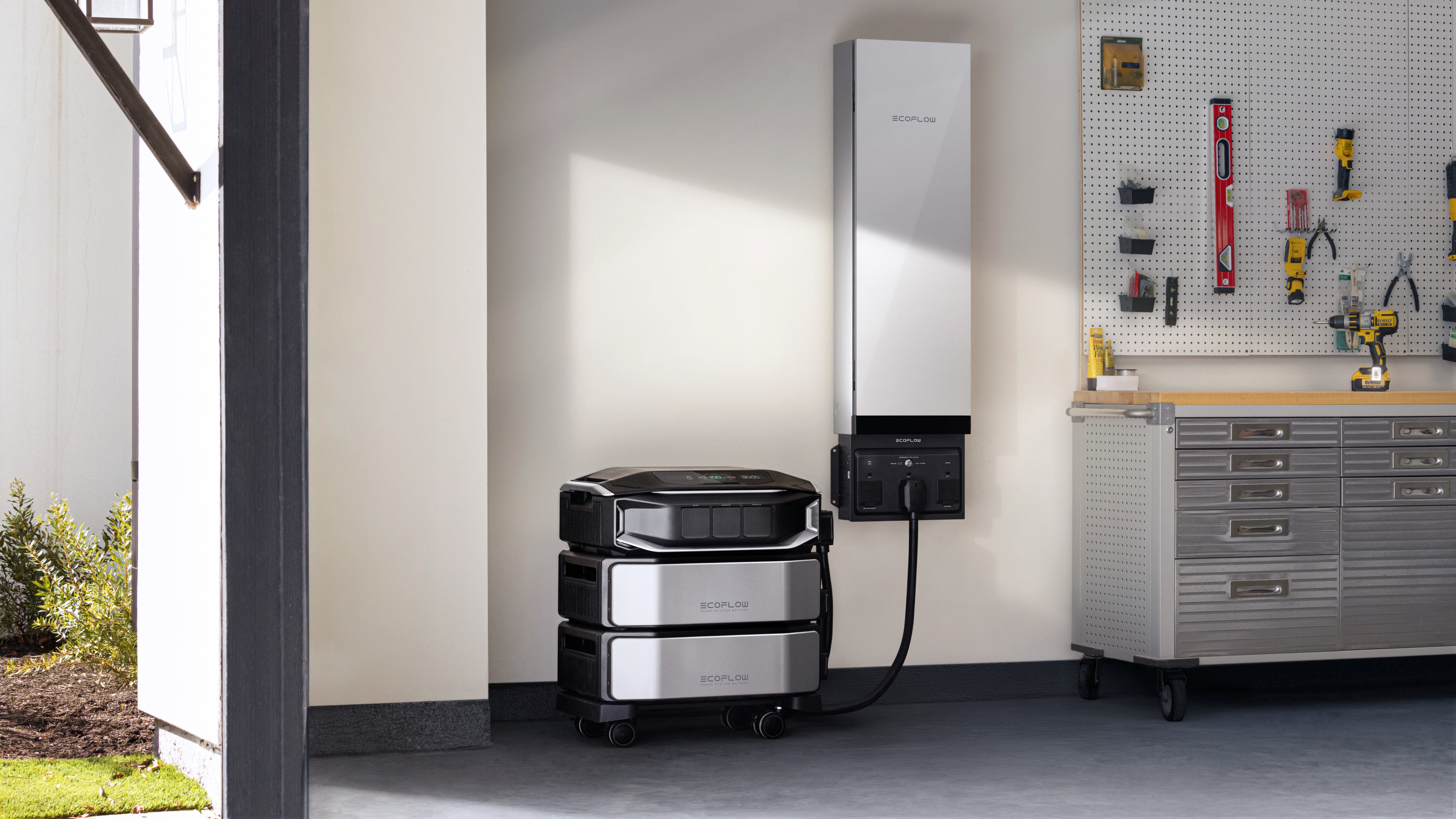
If you want to stop depending on the grid almost entirely, a whole-home battery system is the way to go. EcoFlow DELTA Pro Ultra X lets you power your entire house, pair it with solar panels and you're generating, storing, and using your own energy on your schedule. A built-in smart panel automatically manages your circuits so you're always spending as little as possible.
Up to 36kW output and 180kWh expandable storage to run your whole home, not just a few outlets.
Plug-and-play setup in about a week, saving up to 80% on installation time and cost versus traditional systems.
20ms auto switchover during outages keeps everything running seamlessly.
You'll be protected from future rate hikes, covered during storms, and potentially adding value to your home.
What About Long-Term Solutions?
If you’re thinking past these quick fixes, here are some long-term solutions that will bring dividends for years to come:
Solar Panel Installation: The most obvious solution for home energy savings is installing solar panels. Even a partial installation will save you a significant amount of electricity costs, as your electricity consumption will be reduced by the amount of solar power generated. The amount of electricity delivered to your home will be reduced, thereby saving you on those costs.
Complete Home Energy Efficiency Upgrades: Upgrading your home with new windows and a high-efficiency HVAC system will make your home much more efficient. Although this requires a large upfront investment, it will save you 5-15 years’ worth of electricity costs and protect you from future rate hikes.
The most important thing to keep in mind is to make a start. Every little bit will help.
Reduce Your Electricity Delivery Costs Step by Step
Electricity delivery charges aren't going away, but you're not powerless against them. Start with the easy, low-cost changes like switching to LEDs and adjusting your thermostat. Then consider bigger investments like energy audits, insulation upgrades, or portable power stations based on your budget and commitment level.
Every bit of electricity you don't pull from the grid during expensive periods is money that stays in your pocket. With delivery charges representing up to half your bill, even modest reductions can add up to serious savings over time.

Frequently Asked Questions About Electricity Delivery Charges
Q1: Is it possible to avoid electricity delivery charges?
No, it is not possible to avoid electricity delivery charges as long as you remain connected to the electrical grid. However, it is possible to significantly minimize them by reducing overall electricity consumption, using off-peak hours, and investing in solutions such as portable power stations and solar panels with battery storage. Pairing solar panels with battery storage can dramatically reduce how much electricity you pull from the grid, which directly lowers your delivery charges.
Q2: Why do electricity delivery charges continue to rise every year?
Mostly because the grid is old and expensive to fix. There are a lot of costs piling up at once, and all of them are added to your bill:
Old infrastructure means big upgrades. A lot of the electrical grid was put in place decades ago. Utility companies are spending billions to replace what’s outdated and install smart grid technology.
Extreme weather is expensive to repair. The Texas freeze in 2021 cost billions to repair, and storms, floods, and heatwaves are only getting more expensive to fix.
Electricity demand is growing at an unprecedented rate. Data centers, electric vehicles, and population growth mean we're using more electricity than ever, which means we need to expand the grid to accommodate it.
Regulators approve the increased costs. All of these costs are subject to review by the state’s utility commissions. Once they have been approved, the utilities will be allowed to add them to the consumer’s bill in the form of increased delivery fees.
Q3: What's the difference between electricity delivery charges and supply charges?
The electricity supply charge is the price of the electricity that is actually produced and delivered to the consumer. The delivery charge is the price of the electricity that is delivered to the consumer from the power plant to the consumer’s home. To illustrate the difference between the two charges, consider the purchase of a product on the Internet. The electricity supply charge is the price of the product itself, and the delivery charge is the price of shipping the product. The delivery charge stays the same regardless of which electricity supplier you choose, because it's set by your local utility. In deregulated markets, you can shop around for your electricity supplier, but the delivery company is determined by your service area and cannot be changed.
For press requests or interview opportunities, reach out to our media team
media.na@ecoflow.com