How Much Should Home Generator Maintenance Cost Over 10 Years?
- What Does Generator Maintenance Include?
- Yearly Expenses for Home Generator Maintenance
- Predicting Your 10-Year Generator Maintenance Cost
- Extra Costs Beyond Standard Service Visits
- Total 10-Year Ownership Cost Summary
- Factors Affecting Your Home Generator Maintenance
- Smart Ways to Lower Your Maintenance Spending
- Warning Signs of High Future Costs
- Comparing 10-Year Costs with Other Backups
- Planning for a Stable 10-Year Investment
- FAQs
Having backup power brings great peace of mind, but what is the real long-term cost? While the lights stay on during a storm, the equipment keeping them on requires steady care. Upfront installation is just the start of your investment. To keep your system ready, you need to plan for a decade of upkeep. Most homeowners spend between $2,000 and $6,000 over ten years on maintenance alone to ensure their family never sits in the dark.
What Does Generator Maintenance Include?
A standard generator maintenance service covers several technical areas to keep the machine ready:
- Annual professional service: Technicians change the oil, replace air and oil filters, and check battery health.
- Routine inspections: Pros look at fuel lines, cooling systems, and electrical connections. They also test the transfer switch to ensure it sends power to your home.
- Preventive care: This involves cleaning the unit, tightening loose bolts, and updating system software.
- Emergency repairs: Technicians fix unexpected mechanical failures or broken parts before a storm hits.
Why Regular Home Generator Service Matters
Consistent care protects your investment and ensures the lights stay on during a crisis.
- Longer lifespan: Well-maintained units last 15–25 years. Neglected machines often fail after just 7 years.
- Reliability: Service ensures the engine starts the moment the grid goes down.
- Warranty protection: Most brands require proof of professional service to cover repair costs.
- Efficiency: Clean engines use less fuel and run smoother, preventing expensive emergency calls.
Yearly Expenses for Home Generator Maintenance
Budgeting for backup power depends on the service level you choose. Costs change based on unit size and how often a technician visits.
Professional Service Fees
A single generator maintenance service visit typically costs between $171 and $395, with an average of $273. For full annual care, most homeowners spend $200 to $600. The industry average for comprehensive yearly maintenance sits between $425 and $450.
Maintenance Plan Options
Choosing the right plan helps manage your home generator maintenance budget:
- Pay-Per-Service ($250–$400): This offers flexibility with no upfront commitment. But, you must remember to schedule it, and you do not get priority during a storm.
- Basic Annual Contract ($300–$400): This covers one visit and basic system checks.
- Comprehensive Plan ($600–$1,200): You get two visits per year, priority response, and discounts on parts.
- Premium Plan ($800–$1,500): This includes quarterly checks and 24/7 support for high-need situations.
What is Included in a Service Plan?
Most contracts bundle several important tasks into the price:
- Oil and filter changes.
- Battery and load testing.
- Electrical inspections.
- Automatic reminders and priority scheduling.
- 10–20% discounts on labor and parts.

Seasonal Service Costs
Extreme weather regions often require seasonal checks. A "spring startup" or "fall winterization" costs $150 to $250 each. A mid-season check adds $100 to $200. Using this bi-annual approach brings the total generator maintenance cost to $400–$800 per year.
Predicting Your 10-Year Generator Maintenance Cost
Viewing your backup power as a decade-long investment helps you plan for the true price of reliability. These estimates show what you might spend based on your machine size and service choices.
Conservative Estimate (Minimal Maintenance)
This budget works for small units (10–14 kW) that experience rare power outages. At this level, you might handle oil changes yourself and use a "pay-per-service" model instead of a contract.
Annual Cost: $200–$300
10-Year Total: $2,000–$3,000
Standard Estimate (Recommended Maintenance)
Most homeowners with medium-sized units (15–22 kW) choose this path. It covers a professional annual contract and typical conditions. This level of care ensures the system is ready for moderate use and covers minor repairs.
Annual Cost: $400–$500
10-Year Total: $4,000–$5,000
Comprehensive Estimate (Full-Service Approach)
For larger units (24+ kW) that require higher reliability, this plan includes two professional visits per year. It focuses on priority service and replacing parts before they break to prevent failure during a storm.
Annual Cost: $600–$800
10-Year Total: $6,000–$8,000
Premium Estimate (Heavy Use/Commercial Grade)
High-output systems (30+ kW) or units in very harsh climates need quarterly checks. This budget covers frequent usage, extended warranties, and constant oversight to keep the machine in perfect condition.
Annual Cost: $800–$1,200
10-Year Total: $8,000–$12,000
Extra Costs Beyond Standard Service Visits
Annual tune-ups are only one part of the financial picture. Owning a generator for a decade involves replacing parts, paying for fuel, and managing small shifts in your home expenses.
Common Replacement Parts and Major Repairs
Parts wear out even if the generator rarely runs. Over ten years, you should budget for:
Batteries: These last 3–4 years. Expect to buy 2–3 units, totaling $400–$1,200.
Filters and Plugs: Air filters, oil filters, and spark plugs add $550–$1,700 to your 10-year total.
Major Repairs: Keep a contingency fund of $500–$2,000 for unexpected issues like a failed voltage regulator, carburetor service, or transfer switch repairs.
Monthly Operating and Standby Costs
A generator stays "on" even when the power is working. It uses electricity for the control panel and fuel for a weekly "exercise" cycle.
- Monthly Standby: This usually costs $15–$40.
- 10-Year Total: You will spend $1,800–$4,800 just keeping the machine ready to run.
Insurance and Actual Fuel Usage
Other variables can change your final bill based on where you live and how often the power goes out.
Insurance: Some providers raise premiums by $50–$150 a year, while others offer small discounts. This can impact your budget by -$600 to +$1,500 over the decade.
Fuel During Outages: Running a generator costs $25–$100 per day depending on if you use natural gas, propane, or diesel. Most homeowners spend $500–$3,000 on fuel over ten years.
Total 10-Year Ownership Cost Summary
Combining all these factors gives you a clear picture of the total financial commitment. Most people find that the "Standard Scenario" fits their reality best.
| Category | Budget Scenario | Standard Scenario | Premium Scenario |
| 10-Year Maintenance Total | $2,500 | $4,500 | $7,000 |
| Replacement Parts | $600 | $1,000 | $1,500 |
| Standby Operations | $1,800 | $3,000 | $4,800 |
| Repairs & Fuel | $500 | $2,000 | $4,000 |
| Insurance Impact | $0 | $500 | $1,000 |
| Total 10-Year Cost | $5,400 | $11,000 | $18,300 |
Factors Affecting Your Home Generator Maintenance
Not every home is the same, and neither is every generator. Several local and physical factors will determine if your costs stay low or climb toward the higher end.
Generator Size and Type
- Small portable generators (7-10 kW): Lowest maintenance costs ($100-$200/year)
- Medium whole-house generators (15-22 kW): Moderate costs ($400-$600/year)
- Large standby generators (24-45 kW): Higher costs ($600-$1,000/year)
- Commercial-grade systems: Premium costs ($1,000+/year)
Fuel Type Impact
- Natural gas: Lower maintenance frequency, cleaner burning, fewer fuel system issues
- Propane: Indefinite fuel storage, moderate maintenance needs, reliable long-term
- Diesel: More frequent maintenance, fuel system cleaning, higher repair costs
- Gasoline: Highest maintenance needs, fuel degradation issues, shorter service intervals
Usage Frequency
- Light use (10-20 hours/year): Minimal wear, standard maintenance adequate
- Moderate use (20-50 hours/year): Increased oil change frequency, more frequent inspections
- Heavy use (50+ hours/year): Requires bi-annual or quarterly service, faster component wear
- Continuous standby with minimal actual use: Battery and electrical system focus
Environmental Conditions
Coastal areas: Salt air corrosion requires protective treatments and more frequent inspections
Extreme cold climates: Battery heaters, synthetic oils, cold-weather preparations add costs
Hot/humid regions: Cooling system stress, moisture management, faster degradation
Dusty/rural environments: More frequent filter changes, air intake cleaning
Generator Age
- Years 1-3: Warranty coverage, minimal repairs, basic maintenance only
- Years 4-7: Standard maintenance, occasional part replacements, system still reliable
- Years 8-10: Increased repair frequency, proactive component replacement, higher costs
- Beyond 10 years: Major component failures possible, evaluate repair vs. replacement
Smart Ways to Lower Your Maintenance Spending
You can reduce your 10-year costs by planning ahead and handling small tasks yourself. These strategies prevent expensive emergency repairs.
Timing and Planning for Better Rates
How you schedule your generator maintenance service impacts your wallet.
- Off-Season Discounts: Book visits in spring or fall when technicians are less busy.
- Multi-Year Contracts: Many companies offer 5–10% off for long-term commitments.
- Neighborhood Groups: Ask neighbors about group rates to reduce the cost per home.
Simple Preventive Care
Small habits prevent large bills. Monthly self-checks for leaks or debris keep the engine from overheating. Use fuel stabilizers for gasoline or diesel units to prevent engine clogs. Ensure the machine "exercises" weekly to keep seals lubricated and the battery charged.
Smart Decisions for Long-Term Savings
- Buy the Right Size: Larger generators cost more to maintain. Choose a unit that fits your actual needs.
- Warranty Extensions: Paying $300–$500 early on can cover expensive repairs in years three through seven.
- Fuel Choice: Natural gas units typically have the lowest upkeep costs over a decade.
When to Do It Yourself vs. Hiring a Pro
You can save $1,500–$3,000 over ten years by handling basic oil and filter changes after your warranty expires. However, professional help is required for gas line work, electrical diagnostics, or transfer switch repairs. Using a pro during the warranty period is also necessary to keep your coverage active.
Warning Signs of High Future Costs
Ignoring small problems leads to massive bills. If you notice any of these signs, your 10-year costs are about to spike unless you act immediately.
Symptoms of Neglect
If your generator struggles to start, makes a grinding noise, or produces thick smoke, it needs help. These are signs of deferred maintenance. Skipping just two years of service can lead to $3,000 in "catch-up" repairs. Even worse, if the generator isn't maintained, it might die completely at the 8-year mark. Replacing the whole unit a decade early is the most expensive mistake a homeowner can make.
When to Repair vs. Replace
Once a generator hits 10 to 12 years old, major parts like the stator or the engine itself might fail. If a repair costs more than 50% of the price of a new unit, it is usually time to replace it. A well-maintained machine avoids this crossroads for much longer, saving you the $15,000+ cost of a new installation.
Comparing 10-Year Costs with Other Backups
There are other ways to keep the lights on besides generators. When you compare different technologies, you can see how much it costs to maintain a home generator compared to other power options.
Traditional Standby and Portable Options
- Standby Generator ($16,500–$44,000): These offer the most power but require the highest 10-year investment. Ongoing costs include professional service, mechanical parts, and steady fuel consumption.
- Portable Generator ($2,300–$7,500): This is a budget-friendly choice. Maintenance is simple and cheap, but you must manually set up the unit and manage fresh fuel storage yourself.
Battery and Solar Alternatives
Home Battery System ($10,500–$42,000): These systems have almost no moving parts, so yearly maintenance is very low ($500–$2,000 total). However, you may face a large bill to replace the battery bank after a decade.
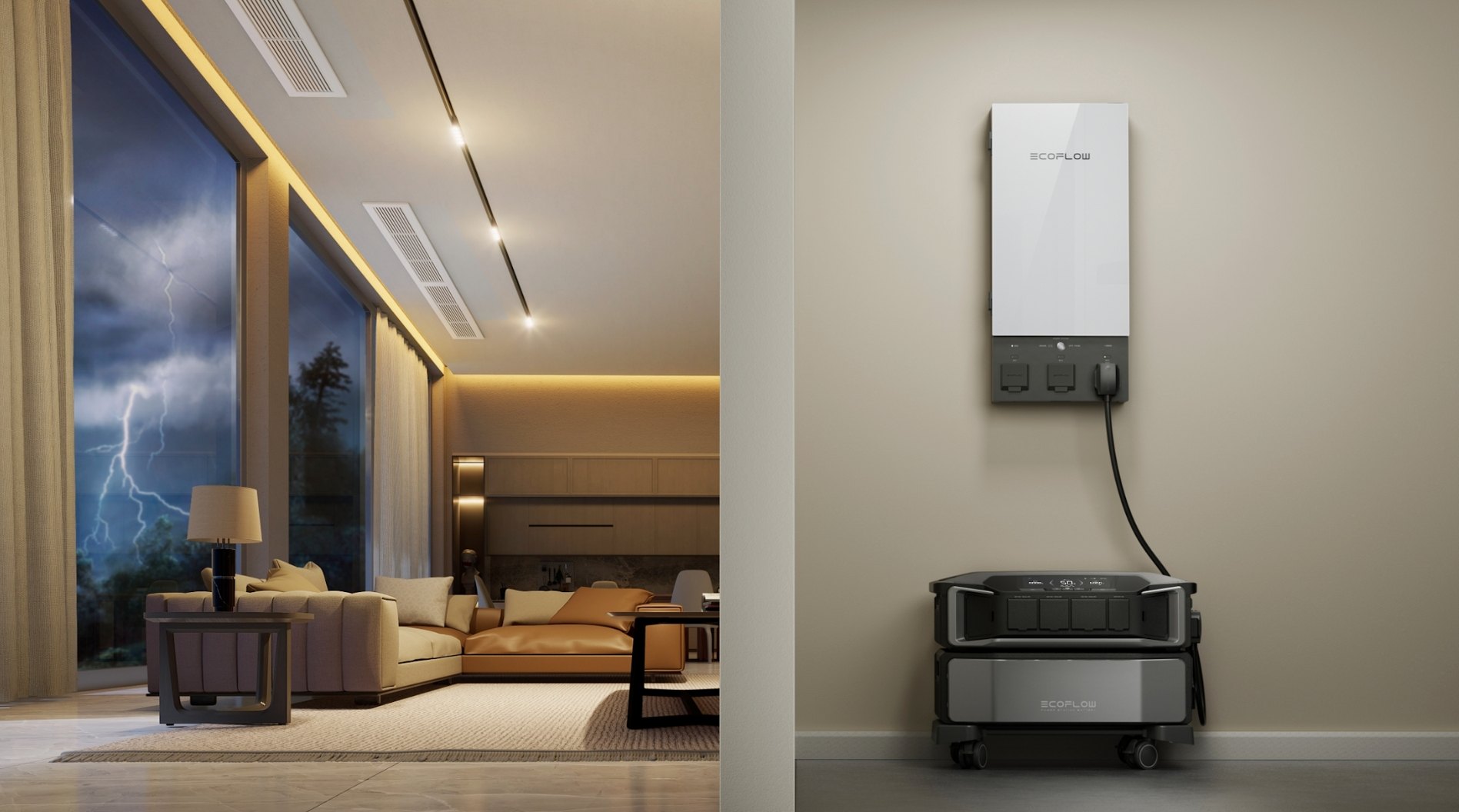
Solar Generator ($2,000–$6,000): An Option like EcoFlow DELTA Pro Ultra has the lowest generator maintenance cost of all. Because they rely on solar panels and internal electronics rather than engines, there are no oil changes, filters, or spark plugs to buy. Aside from keeping the panels clean and checking cable connections, the maintenance expense is nearly zero over ten years.
Your choice depends on how much time and money you want to spend on maintenance versus upfront installation.
Planning for a Stable 10-Year Investment
A well-maintained generator protects your home and ensures your safety. If you commit $100 each month to your generator's upkeep, you can ensure reliable performance. If you do not want to deal with engine maintenance, you may consider a solar generator, which has almost zero maintenance costs. Planning ahead helps prevent expensive failures and ensures your family has power when it matters most.
FAQs
Q1: Is annual generator maintenance really necessary, or can I skip years to save money?
Annual care is a requirement for most manufacturer warranties. Skipping years might save a few hundred dollars now, but it often leads to engine failure or seized parts. Regular maintenance ensures the generator is ready when needed during a power outage. Without consistent care, a unit that should last 20 years may break down after only seven, leading to costly replacement expenses.
Q2: How much should I budget monthly to cover generator maintenance and operating costs?
Setting aside $75 to $100 per month will cover almost all generator long-term maintenance and operating costs. The small monthly investment will help fund the annual professional inspection, new batteries every few years, and fuel usage during regular exercise cycles. For homeowners living in areas frequently hit by storms, the goal of $100 will be an added security cushion in case of repairs or increased fuel usage during the inevitable week-long blackout.
Q3: Are maintenance contracts worth the extra cost compared to pay-per-service maintenance?
Maintenance contracts provide the best value because they include priority scheduling. During major storms, repair companies can be overwhelmed with service calls, causing long wait times. Contract holders are moved to the front of the line and get faster repairs. Additionally, these contracts often offer 10% to 20% discounts on parts and labor. Over time, the combined savings and guaranteed service make contracts a smart financial choice.
For press requests or interview opportunities, reach out to our media team
media.na@ecoflow.com