How to Calculate Electricity Cost: A Step-by-Step Guide for Homeowners
- Why Should Homeowners Know How to Calculate Electricity Costs?
- What is a Kilowatt-Hour, and Why Does It Matter?
- How Do You Calculate the Cost of Running Any Appliance?
- How Do You Read Your Electricity Bill?
- What Appliances Cost the Most to Run?
- How Can You Reduce Your Electricity Costs at Home?
- Frequently Asked Questions
- Save Money, Gain Visibility, Reduce Risk
U.S. electricity rates have climbed steadily, and the average homeowner is paying more than ever before. Understanding where your energy goes, and what it costs, puts you in control. This guide walks you through how to calculate the cost of running any appliance, how to read your electricity bill, and practical steps to reduce what you pay each month.
Why Should Homeowners Know How to Calculate Electricity Costs?
As the average electricity bill in Kansas, California, and virtually every other state continues rising, it’s crucial to understand what you’re paying for because that’s the first step to lowering your usage and bills.
Knowing which appliances consume the most energy, and when, lets you make targeted changes rather than guessing. It also helps you evaluate whether solutions like time-of-use rates or home solar actually make financial sense for your household.
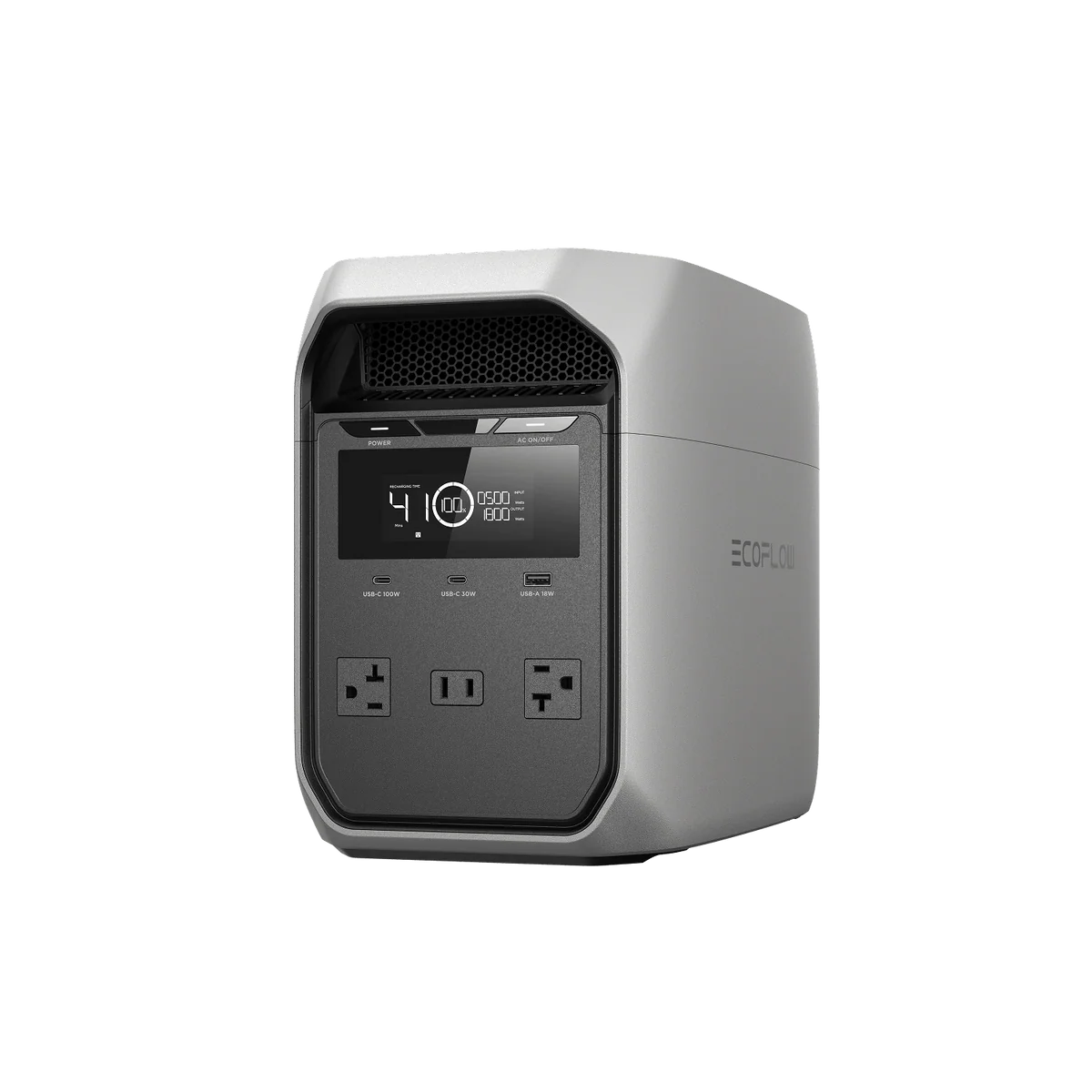
The EcoFlow DELTA 3 Classic is a practical option here, as its 1024Wh capacity can keep a typical fridge running for 4–12 hours, and it handles the surge draw on startup without issue.
What is a Kilowatt-Hour, and Why Does It Matter?
A kilowatt (kW) is 1000 watts (W), where watts measure electrical power, or how much energy a device needs to run at any given moment.
When you multiply kilowatts by hours (h), you get power consumption over time, measured in kilowatt-hours (kWh).
Kilowatt-hours matter because this is how we measure household electrical consumption, and it’s how your electrical company bills you for the power you consume.
How Do You Calculate the Cost of Running Any Appliance?
Look at the appliance’s running watts; check the sticker on the back or bottom, or you can look it up online.
Next, multiply wattage by the number of hours it runs daily to get watt-hours (Wh).
Daily Wh = Wattage x Hours Used/Day
If you use a 1000W microwave for 1 ¼ hours daily, then 1000W x 1.25 = 1250Wh.
Next, convert to kWh: 1250Wh ÷ 1000Wh = 1.25kWh.
Now you can calculate cost. If the average electricity rate in the US (March 2026) is 18.56 cents/kWh, then 1.25kWh x 18.56 cents/kWh = 23.2 cents/day. To find monthly costs, multiply by 30 = $6.96 per month.
Understanding how to calculate appliance energy use also helps you work out how much backup battery capacity you need. If a fridge draws 150W and runs roughly half the time, you can estimate how long a battery will keep it running during an outage.
How Do You Read Your Electricity Bill?
Electrical bills include the supply cost or charge per kWh of power you consume. You might see it as a meter reading with a starting and ending number; subtract the two to find your consumption for that period.
However, supply charges are only part of your bill. Delivery or transmission fees, which help cover the costs of maintaining and upgrading the grid, are also added. To more accurately calculate costs, you need to find both supply and delivery rates per kWh and add them together.
Finally, the bill also includes taxes and other fixed fees imposed by governments and utilities.
What Appliances Cost the Most to Run?
The appliances that cost the most are those that use high wattage and run the longest. A microwave may use 1000W, but it doesn’t run very long.
Your biggest energy user is HVAC systems. Space cooling and heating combined typically account for over 50% of a household’s energy use. After that, water heating is the second most energy-consuming appliance.
How Can You Reduce Your Electricity Costs at Home?
Since heating and cooling use the most energy, start there. Replace old inefficient systems with modern heat pumps. Also, adjust your thermostat, especially while away or sleeping, and seal and insulate your home better to save more on HVAC.
Replacing old fridges and dryers that lack EnergyStar ratings is another effective money saver. Also, unplugging appliances when not in use reduces phantom loads, which are small individually but can add up over time.
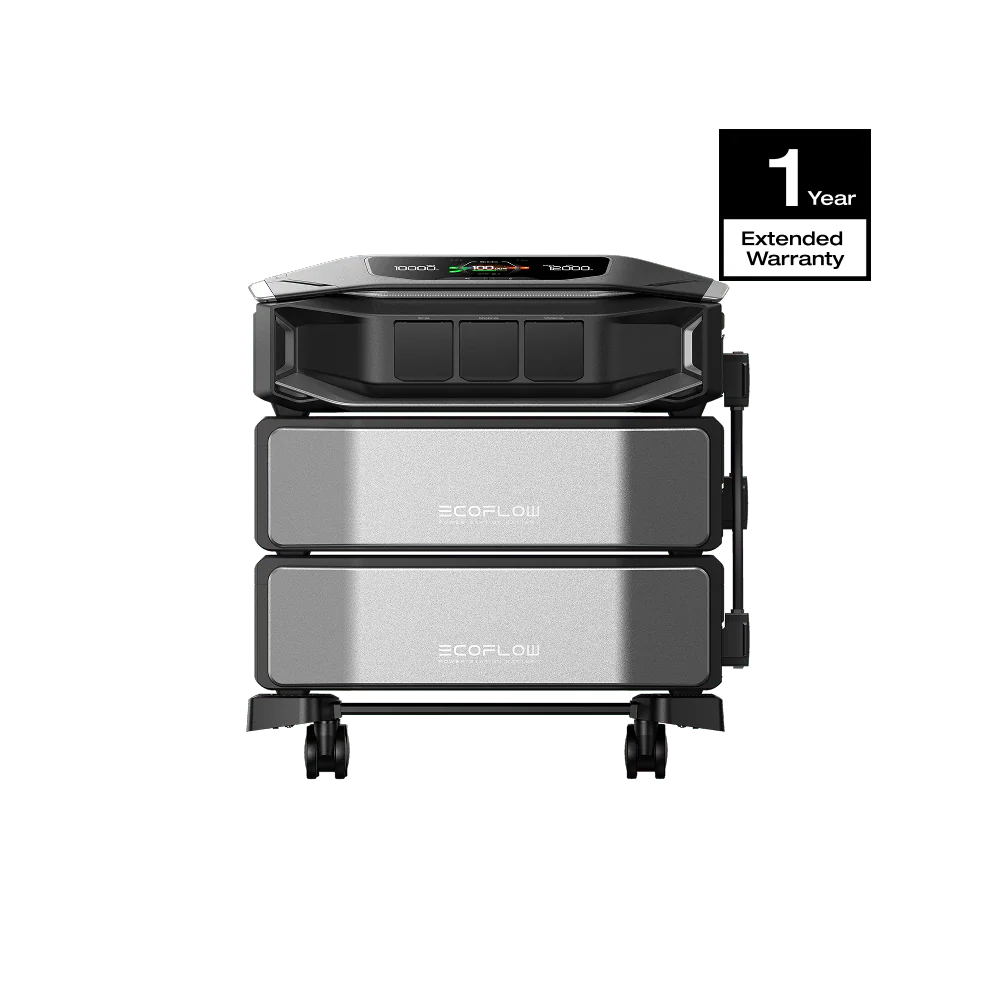
Switching to a time-of-use (TOU) rate lets you run heavy appliances during off-peak hours when electricity is cheaper. A home battery like the EcoFlow DELTA Pro Ultra X is built for exactly this; you can charge it overnight on off-peak rates or with solar, then draw from it during peak hours instead of the grid, reducing what you pull from the utility when rates are highest.
Finally, home solar can significantly cut your long-term electricity costs. If you're considering panels, sizing your grid-tied solar system correctly is key to maximizing savings. Many states and utilities also offer incentives that reduce upfront costs.
Frequently Asked Questions
How Do I Calculate My Monthly Electricity Cost?
List your appliances and their running watts, then multiply each by the number of hours it runs daily to get watt-hours. Divide that by 1000 to get kilowatt-hours (kWh). Then add up all your kWh and multiply that by your electricity rate per kWh to find your monthly costs.
What is the Average Electricity Cost per kWh in the US?
According to the U.S. Energy Information Administration, the average cost of electricity has risen to 18.56 cents per kWh (last updated March 2026), averaged across all US states.
Does Time-of-Use Pricing Affect How You Calculate Electricity Costs?
Yes, if you’re calculating electricity costs, time-of-use pricing varies, so you need to use the rate per kWh at the time that appliance is being used. Comparing peak usage to off-peak rates will quickly show you how to save money by avoiding those peak rates.
Save Money, Gain Visibility, Reduce Risk
Taking charge and understanding your electricity bill and consumption is the first step to reducing costs. Once you know which appliances use the most energy, start looking for replacements or ways to make them work more efficiently.
From there, consider a time-of-use rate or solar panels to further lower your monthly bills, especially when combined with a whole home backup power solution. Not only will you save money, but it also improves your energy independence, keeping your appliances running when the grid goes down.
For press requests or interview opportunities, reach out to our media team
media.na@ecoflow.com