How to Add Electricity to a Detached Garage
The majority of homeowners believe that installing power in a detached garage is an easy weekend task. In actuality, using the incorrect approach can ruin your landscape, blow your budget, or result in a noise complaint from your neighbor. Not every solution is appropriate for every circumstance; prices vary greatly, installation schedules vary, and some solutions cause more issues than they fix. Here, three approaches are objectively compared so you can decide with confidence before paying a dime.
Why Your Detached Garage Needs a Reliable Power Solution
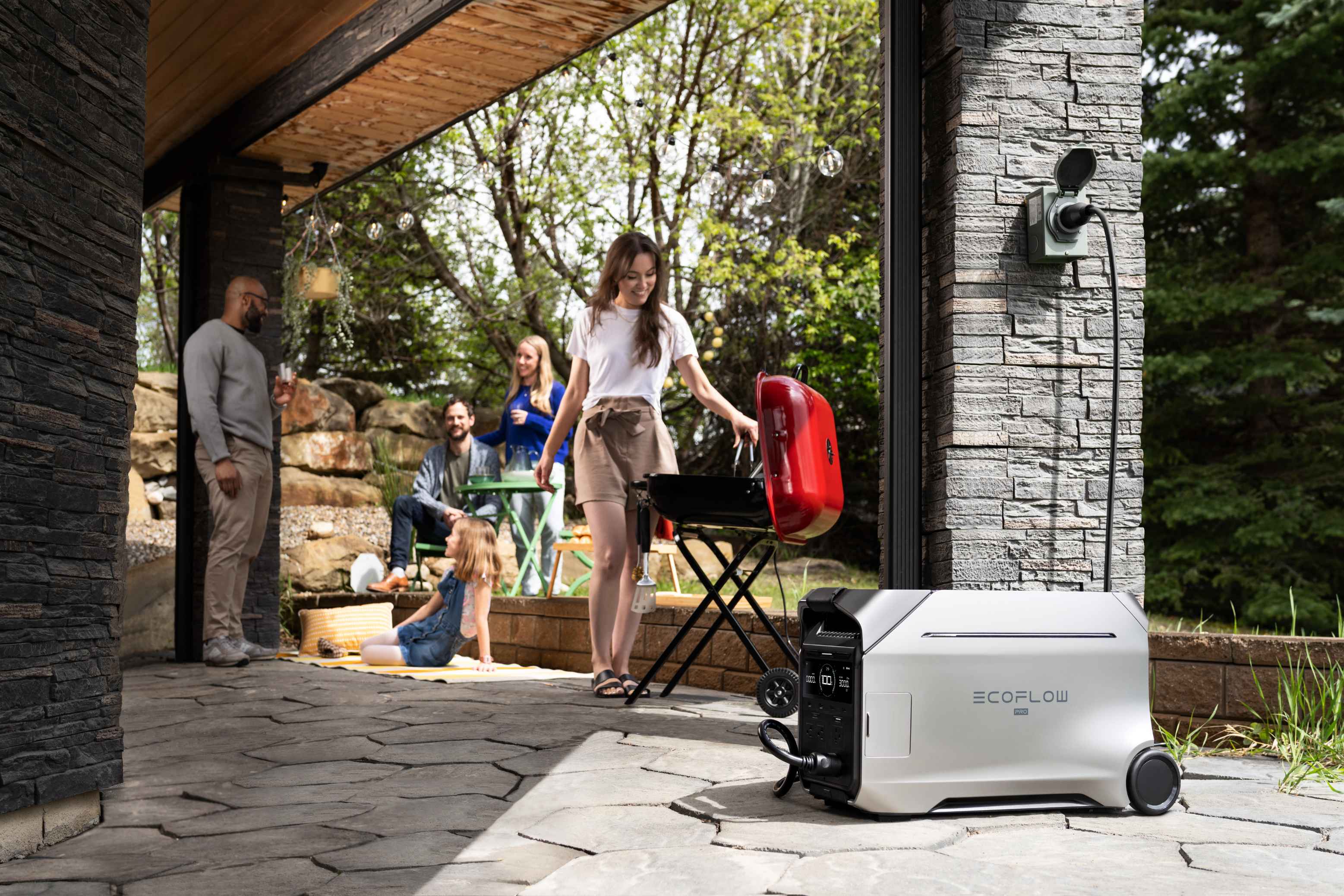
Modern life demands more than just a single light bulb hanging from a ceiling beam. Whether you plan to use your detached garage for woodworking, a home office, or a high-tech gym, stable power is the foundation of the entire renovation. Without a solid energy source, your high-end tools cannot function, and your electronics remain at risk from unstable currents.
Reliable electricity provides several key benefits for your property:
Climate Control: You can run heaters or air-conditioners to stay comfortable in all seasons.
Security: Power allows for the installation of motion-sensor lights and smart cameras to protect your gear.
Versatility: A powered space can pivot from a storage room to a hobby studio in an instant.
Choosing a low-quality or temporary power fix often leads to frustration and safety hazards. A dedicated power solution ensures that your house with a detached garage increases in value while providing a safe environment for your projects. Investing time in the right setup now prevents the need for expensive repairs or rewiring later.
Method 1: Underground Wiring: The Traditional Grid Connection
Connecting a standalone building to the main electrical system of your home is the historical standard. This method creates a permanent link to your local power company, but the physical work required is often much more invasive than homeowners expect.
Landscape Destruction and Physical Trenching
Standard grid-based wiring requires a process known as trenching. Trenching involves digging a long, narrow ditch in the earth to bury electrical lines deep enough to protect them from weather and accidental damage. This excavation frequently cuts through well-maintained lawns, expensive flower beds, or paved walkways, leaving a permanent scar on your property. The heavy-duty machinery required for this work can also compact the soil, which might kill the root systems of nearby trees.
Beyond the dirt and mess, you must purchase a conduit, which is a specialized protective tube that houses electrical wires underground. Because the distance between a house with a detached garage and the main panel can be quite long, you also need thick copper wiring to prevent a voltage drop. A voltage-drop is a decrease in electrical pressure that happens when electricity travels through a very long wire, causing tools or lights to lose performance.
Complex Permits and Licensed Electrician Fees
The procedure of installing electricity in detached garage units is frequently slowed down by legal obstacles. For any new underground electricity work, most local governments need a building permit. In other words, you need to send in specific plans and wait for a city official to okay them. An inspector must visit your property after the work is done to make sure everything meets strict safety standards.
Another important and pricey step is to hire a licensed expert. An electrician needs to make sure that the extra load won't damage your home's main electrical panel. If your panel is already full, you may need to upgrade your electrical service entirely. This requires replacing the whole breaker box, which makes the job for your detached garage take a lot longer.
Method 2: Gas Generators: Cheap Upfront, Costly Long-Term
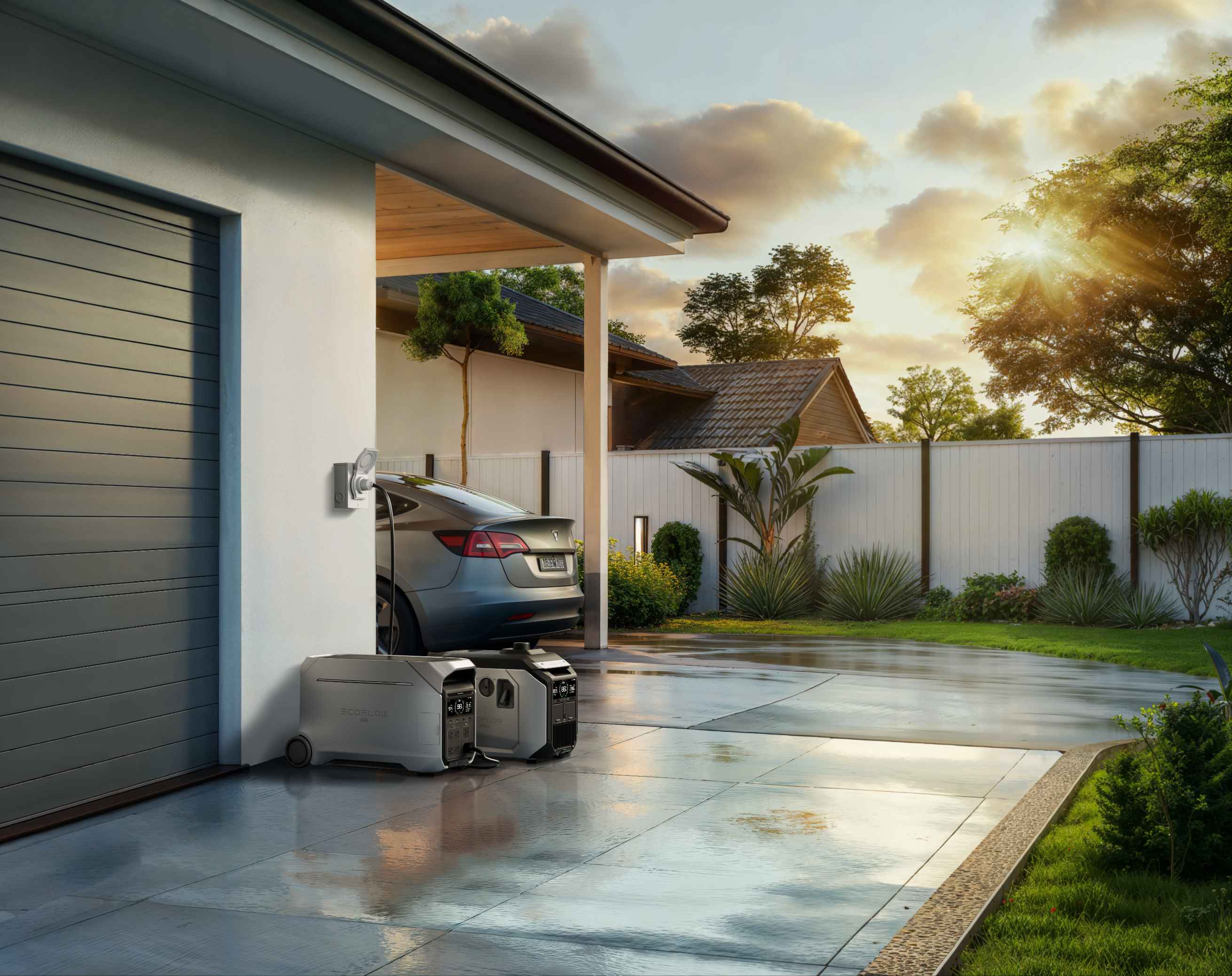
Some homeowners try to avoid construction by using a portable fuel-powered generator. These machines provide an immediate source of energy, but they introduce daily problems that make them a poor choice for a dedicated workspace or a quiet retreat.
Noise Pollution and Neighborhood Disturbance
The heart of a traditional generator is an internal-combustion engine, which is a machine that burns fuel inside a chamber to create mechanical motion. This engine produces a constant, loud roar measured in decibels. A decibel is a unit used to measure how loud a sound is to the human ear. If you plan to use your detached garage as a quiet office, the relentless noise and vibration make it very difficult to concentrate or take phone calls.
Living in a residential area makes this even more difficult for owners of a house with a detached garage. Many towns have noise-ordinance laws that forbid the use of loud machinery during certain hours. This limits your ability to use your garage late at night or early in the morning without upsetting your neighbors or risking a fine.
Environmental Hazards and Maintenance Needs
Safety is a major concern when using engines that burn gasoline or propane. These systems create several hazards that require constant attention:
Exhaust Fumes: Generators emit carbon monoxide, a colorless and odorless gas that can be deadly if it builds up in an enclosed space.
Flammable Fuel Storage: Keeping large cans of gasoline near your house increases the risk of a fire.
Mechanical Upkeep: You must frequently change the oil, replace spark plugs, and clean filters to keep the engine running.
Fuel Runs: Running out of fuel in the middle of a project requires a trip to the gas station, which interrupts your flow.
Method 3: The Smart DIY Option
The shift toward battery technology has created a new way to bring power to remote buildings without digging or burning fuel. A modular energy system offers a clean and flexible experience that fits the needs of a modern homeowner who wants a professional setup without the mess.
A professional-grade solution like the EcoFlow DELTA Pro 3 allows you to bypass construction entirely. This system delivers a massive 4000W-rated output, which is versatile enough to support both 120V and 240V appliances simultaneously. It represents the best of "plug-and-play" technology, where you simply turn it on to enjoy immediate energy in your detached garage.
Sustainable Power with Photovoltaic Panels
Harnessing the sun is the most sustainable way to keep your tools running. Photovoltaic panels are devices that convert sunlight directly into electricity using special semi-conducting materials. When you mount these on the roof of a detached garage, they capture energy all day and store it in your battery system. This process is entirely renewable and helps lower your home's overall carbon footprint.
To make this work, you need an inverter. An inverter is a piece of technology that changes the direct-current (DC) electricity from the panels into the alternating-current (AC) electricity that comes out of a standard wall outlet. Modern portable stations like the DELTA Pro 3 have these inverters built in, supporting a 120V/240V split-phase power output that can handle everything from a 3-ton AC unit to a 1 HP water pump. This makes the setup process simple for anyone adding electricity to detached garage structures.
High Output for Professional Tools and Equipment
Many people worry that batteries are too weak for real work. However, high-end modular systems are designed to handle high-surge demands. Using X-Boost technology, the system can support high-wattage devices that would otherwise exceed its rated output, handling loads that standard stations cannot.
The performance and reliability of this system are backed by robust technical features:
Massive Capacity: A single unit can power a refrigerator for 27.3 hours or a well pump for 2.7 hours.
Extreme Scalability: Connect up to three units in parallel to scale storage up to 36kWh, enough for days of whole-home backup.
Durability: The LFP battery is rated for 4,000+ cycles to 80% capacity, delivering years of reliable use.
Peace of Mind: The hardware is supported by a 5-year warranty.
These systems provide a silent environment—operating as quietly as 30 dB when under 2000W—which is perfect for a house with a detached garage used as a creative studio. You can keep the power unit inside the garage with the doors and windows closed, maintaining complete silence and safety.
Method Comparison and Selecting Your Ideal Power Source
Deciding between these three paths depends on your budget, your timeline, and how much you value your landscaping. Each method has a different impact on your property and your daily work routine.
| Feature | Underground Wiring | Gas Generators | Portable Power Stations |
| Setup Speed | Several Weeks | Instant | Less than an Hour |
| Noise Level | Silent | Very High | Silent (30 dB) |
| Backyard Impact | High (Trenching) | Low | Zero |
| Maintenance | Very Low | High | Minimal |
| Clean Energy | Grid-Dependent | No | Yes (Solar) |
The table above illustrates the trade-offs involved in each electrical choice. While traditional wiring is a permanent fix, the lack of flexibility and the high upfront effort make it a daunting task for many people.
Modern owners of a house with a detached garage often prefer the modular approach. This choice allows you to start small and expand your power capacity over time without ever picking up a shovel or calling a city inspector.
Power Up Your Detached Garage Today
Wiring that goes underground is permanent, but it's also costly and inconvenient. Gas generators work right away, but they are loud and dangerous. With a solar-plus-battery combination, you get clean, quiet power without having to dig or do much more. No matter what you use your garage for, the correct power source is quite important. Find out what you need, choose a method, and start working.
FAQs
Q1: Does a Detached Garage Need a Foundation?
Yes, most detached garages require some type of foundation to keep them stable. A slab of concrete, poured concrete around the outside, or a foundation made of concrete blocks are the most popular choices. A good base keeps the building from moving or sinking over time, which is especially important in places where it snows or rains a lot. Which option is best for you relies on the weather, soil, and how you plan to use the garage.
Q2: Why Do People Build Detached Garages?
Because it is not linked to the house, a detached garage gives you a lot more freedom than an attached one. People use them as studios, gyms, workshops, or artistic spaces without making the main house noisy or messy. Having a separate building also lets you use loud tools or power tools without bothering people inside. In addition, a well-built detached garage raises the value of your house and gives you more space to use.
Q3: How Much Electricity Does a Detached Garage Typically Need?
Your garage needs a certain amount of electricity based on how you plan to use it. A 20-amp line is usually needed for a simple setup with lights and a few outlets. You will probably need a 60-amp or even 100-amp service, though, if you want to run power tools, an electric car charger, or climate control systems. It is always better to plan for more capacity upfront than to update the system at a later date.
Q4: Can I Run a Detached Garage Completely Off the Grid?
With the correct energy setup, it is possible to run a detached garage off the grid. Solar panels on the roof of the garage can get enough sunlight to provide most of your daily electricity needs. You can store energy during the day and use it at night or on cloudy days if you pair solar panels with a battery storage system. This method works best for garages that are utilized as home offices or workshops and don't need a lot of power all the time.
For press requests or interview opportunities, reach out to our media team
media.na@ecoflow.com