Is a Genset Just Another Name for a Generator?
- What Is a Genset and How Is It Different From a Generator
- How a Genset Works and How It Produces Electricity
- Common Types of Gensets and What Each Type Is Used For
- Genset Vs Inverter and Which One Fits Your Power Needs
- Is a Portable Genset for Home the Right Choice for Backup Power
- What to Check Before Choosing a Genset or Another Power Option
- Choose the Backup Power Option That Matches Your Real Needs
- FAQs
A genset usually is another name for a generator in everyday use. In most cases, people mean the same kind of backup power machine. Still, genset is often the more precise term because it refers to the complete power unit. That distinction matters when comparing power options, especially in a genset vs inverter discussion or when choosing a portable genset for home.
Important Safety and Compliance Note
This article is for general informational purposes only. Portable generators and battery backup systems should be used according to the manufacturer’s manual and the electrical, ventilation, exhaust, grounding, and connection rules that apply in your area. For any setup involving household wiring, transfer equipment, permanent installation, or local permitting, a qualified electrician or other licensed professional may be appropriate. This safety note is based on official generator safety guidance and manufacturer documentation.
What Is a Genset and How Is It Different From a Generator
Before looking at features or use cases, it helps to answer the main question directly. This is the point behind many searches for what is a genset.
A genset is short for generator set. It is a complete machine that produces electricity. It usually includes an engine, an alternator, a fuel system, controls, and a frame or enclosure. In daily language, many people simply call that whole machine a generator.
So in common use, a genset and a generator often mean the same thing.
Why the Two Terms Often Mean the Same Thing
In regular conversation, people rarely separate the technical meanings. They care about the function. If the machine can provide backup power, they call it a generator. That is why product pages, store listings, and home users often switch between the two terms without much concern.
This is also why the answer to “Is a genset just another name for a generator?” is usually yes.
Where the Difference Becomes More Precise
The difference appears when people use the terms more carefully. In technical use, generator can sometimes refer only to the electricity-producing part of the system. Genset more clearly refers to the full package.
That package often includes:
Engine
Alternator
Fuel system
Control panel
Cooling system
Frame or enclosure
So if the discussion includes fuel type, service access, runtime, or housing, genset is often the more exact term.
A Quick Comparison You Can Save
| Term | Common Everyday Meaning | More Precise Meaning |
| Generator | The full backup power machine | Sometimes only the electricity-producing part |
| Genset | The full backup power machine | The complete generator set with support systems |
How a Genset Works and How It Produces Electricity
Once the name is clear, the machine itself becomes much easier to follow. The process is direct, even if the equipment looks complex at first glance.
A genset converts fuel into electrical power through motion.
The Basic Power Process
The sequence usually works like this:
Fuel enters the engine
The engine creates mechanical force
The alternator converts that motion into electricity
The control system regulates the output
Electricity flows to the connected load
This is why a genset can continue supplying power as long as it has fuel and stays within its operating range.
The Core Components at Work
Each part affects real performance. The engine influences runtime and output. The alternator affects the quality of electricity. The control system helps protect the unit and manage operation.
That is also why two machines with similar ratings may still feel different in actual use.
The Main Parts Inside a Genset
This table is useful for readers who want a simple summary they can screenshot.
| Part | Main Job | Why It Matters |
| Engine | Creates mechanical power | Affects fuel use and runtime |
| Alternator | Produces electricity | Affects output stability |
| Fuel System | Supplies energy to the engine | Affects convenience and operating time |
| Control Panel | Monitors and manages operation | Helps with safety and ease of use |
| Cooling System | Handles heat | Supports longer operation |
| Frame or Enclosure | Protects the unit | Affects mobility and noise |
Common Types of Gensets and What Each Type Is Used For
After the working principle, the next step is choosing the right type. This is where the article should stay practical. Most readers are not comparing every design detail. They are trying to match a type of genset to a real need.
Portable Gensets
Portable units are often the first option people consider for outage backup or temporary outdoor use. A portable genset for home may help run essential items during a power cut, or support work in places without stable grid access.
These models are easier to move and store. At the same time, they may offer less total power and shorter runtime than larger systems.
Standby Gensets
Standby systems are installed in a fixed location and connected more directly to a home or building. They are often chosen when outages happen more often or when broader household backup is needed.
For some properties, this setup can feel more convenient because it reduces manual work during an outage.
Industrial Gensets
Industrial units are built for larger loads, tougher environments, and longer duty periods. They are often used on worksites, farms, commercial buildings, and remote locations.
Type Comparison Table
| Type | Common Use | Main Benefit | Possible Limitation |
| Portable Genset | Home backup, outdoor tasks, events | Easier to move and store | Lower capacity |
| Standby Genset | Whole-home or building backup | Broader and steadier support | Higher setup needs |
| Industrial Genset | Large loads and long-duty use | Stronger output and durability | Larger size and cost |
Genset Vs Inverter and Which One Fits Your Power Needs
Once genset and generator are clear, the more useful comparison is usually genset vs inverter. This is where many buying decisions actually happen.
The two are related to power, but they do different jobs. A genset produces electricity from fuel. An inverter usually converts stored DC power into usable AC power.
How a Genset Differs From an Inverter
A genset creates electricity by using an engine and alternator. An inverter works with stored electrical energy, often from a battery system.
That difference changes how each option fits real life. One depends on fuel. The other depends on stored charge.
A Practical Comparison You Can Screenshot
| Feature | Genset | Inverter |
| Main Role | Produces electricity | Converts stored power into usable AC power |
| Common Energy Source | Gasoline, diesel, propane, natural gas | Battery system |
| Noise Level | Often higher | Often lower |
| Runtime | Depends on fuel supply | Depends on battery size |
| Heavy Load Support | Often stronger | Depends on system size |
| Indoor Use | Usually not suitable | Some battery systems may suit indoor use |
| Daily Maintenance | Usually more involved | Often simpler |
When a Genset Makes More Sense
A genset may be the better fit when the job involves:
Heavy appliances
Pumps or larger household equipment
Outdoor work
Remote locations with no easy recharge option
In these conditions, fuel-based runtime can be a practical advantage.
When an Inverter May Be the Better Fit
An inverter setup may suit people who care more about quiet operation, simpler daily use, and support for smaller or medium household loads. It can make sense for phones, laptops, routers, lights, and similar devices.
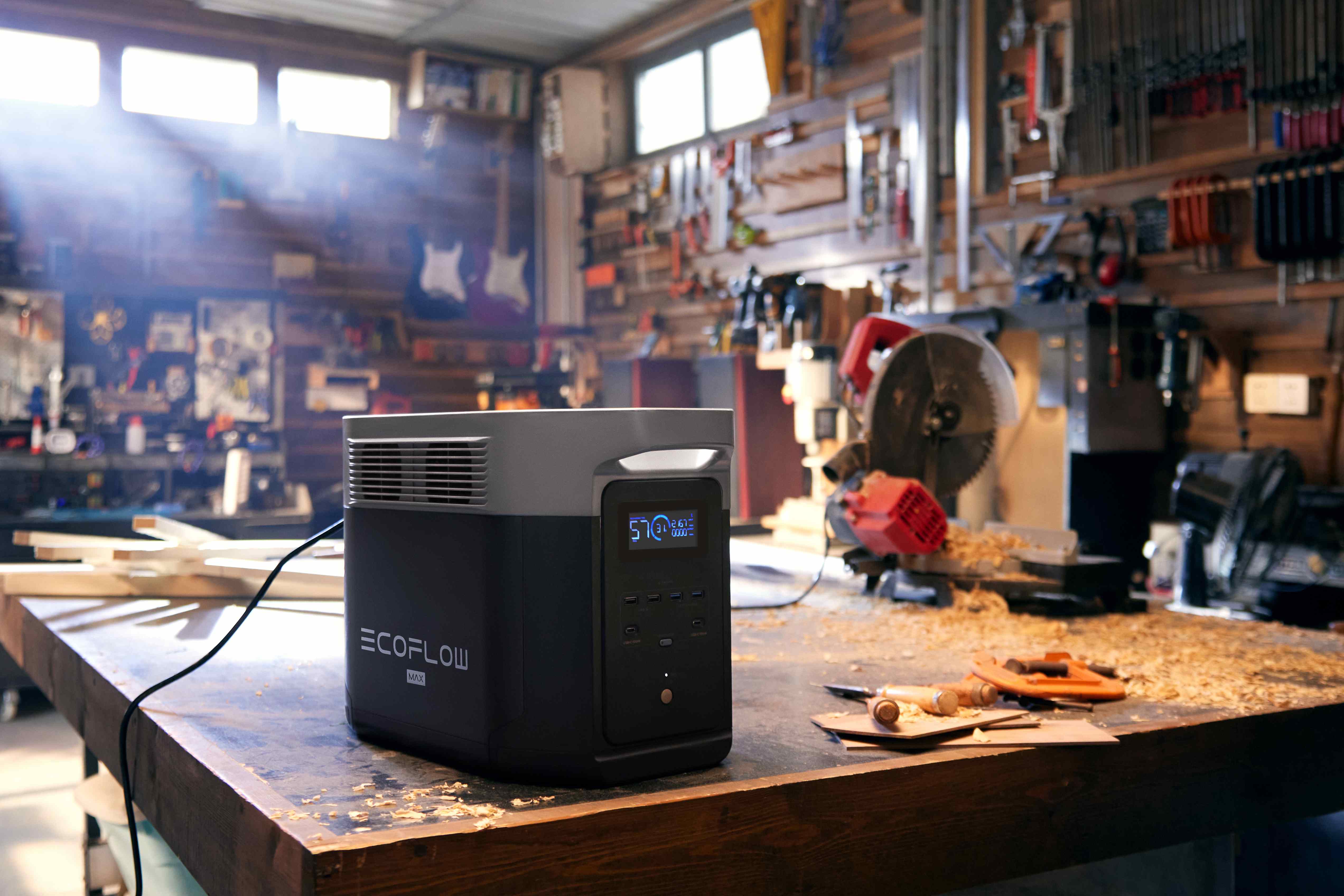
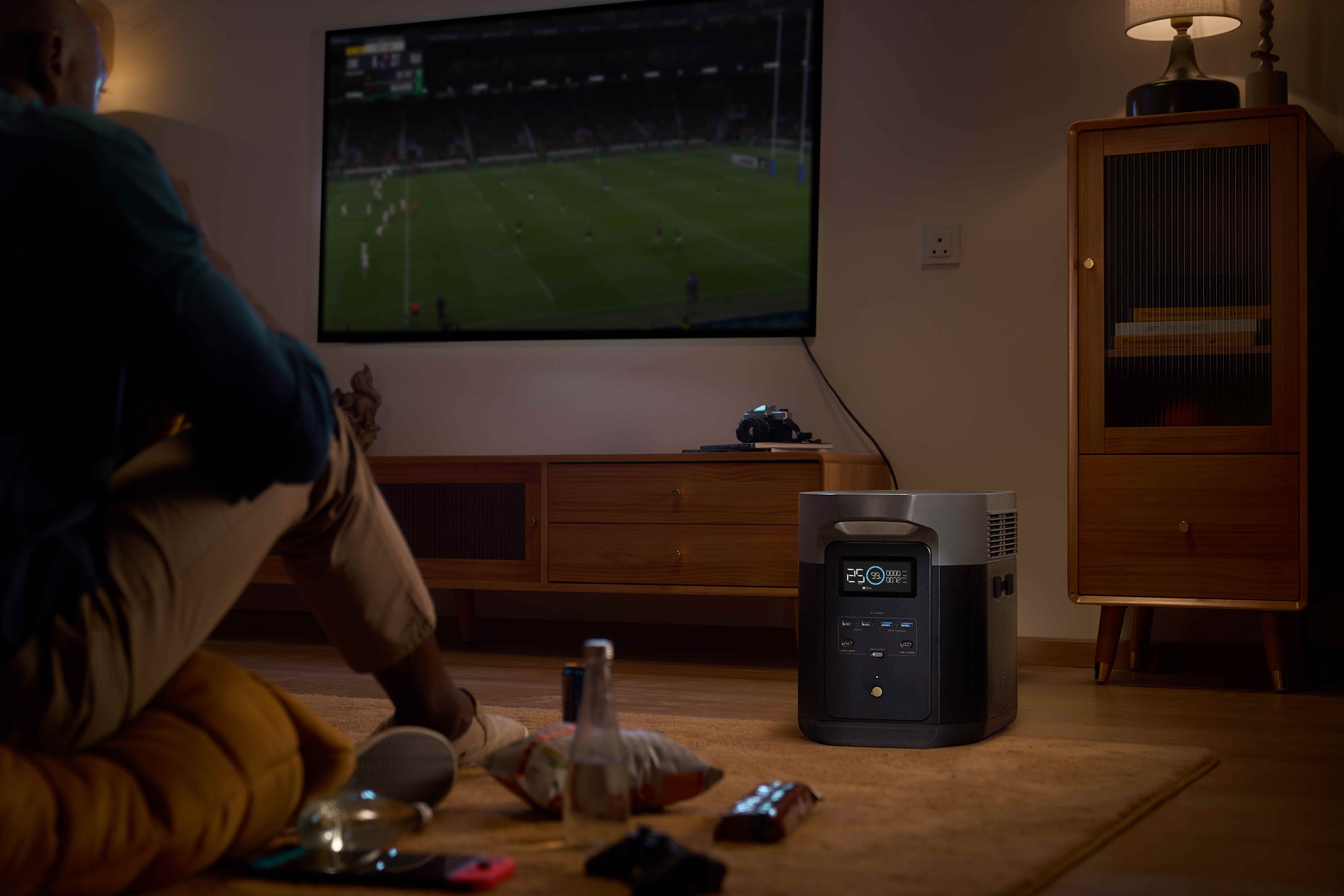
This is also where battery-based portable power stations enter the picture. For example, models such as DELTA 2 MAX are often discussed as an alternative for users who want backup power without fuel handling, loud operation, or the maintenance that often comes with a genset. That kind of setup may be more comfortable for indoor-friendly, short-to-medium backup needs, though it may not match a genset in every long-runtime or high-load situation.
Is a Portable Genset for Home the Right Choice for Backup Power
After comparing technologies, the next question becomes more personal. A lot of readers are not choosing between dozens of categories. They are simply asking whether a portable genset for home is the right answer for their own backup needs.
Good Situations for Home Backup
A portable genset may be useful when the goal is to keep a few essential items running during an outage. That may include a refrigerator, a freezer, a sump pump, a router, some lights, or a few basic appliances.
It can also make sense for people who need something movable rather than permanently installed.
Limits You Should Consider
Even when portable models are helpful, they come with trade-offs. Noise can be noticeable. Refueling takes planning. Output is limited compared with larger systems. Outdoor placement is usually necessary.
Those details do not make a portable genset a bad choice. They simply mean it suits some homes better than others.
A Quick Home Backup Checklist
This section is useful for saving before comparing products.
List the devices you need during an outage
Check both running and starting watt needs
Estimate how long backup power matters
Decide how important quiet operation is
Consider whether fuel storage is realistic
Think about whether portability or convenience matters more
What to Check Before Choosing a Genset or Another Power Option
At this stage, the article can come back to the bigger decision. A genset can be a good fit, but it is not the only option. The better choice usually depends on actual power habits, not on the label alone.
Check Load Size and Runtime First
Start with what you really need to power. A short outage with light devices leads to a different answer than a long outage with larger appliances.
If the load is heavy and the outage may stretch on, a genset may feel more reliable. If the load is lighter and the goal is convenience, an inverter-based setup may feel easier to live with.
Think About Noise, Fuel, and Maintenance
This part often matters more than people expect. Fuel storage, refueling, engine care, and outdoor use may be fine for some households. Others may prefer a quieter and simpler setup, even if total runtime is lower.
A Simple Selection Table
| If Your Priority Is | The Better Fit May Be |
| Longer runtime with fuel available | Genset |
| Quiet operation | Inverter |
| Higher power for larger loads | Genset |
| Indoor-friendly backup | Inverter |
| Outdoor work or remote use | Genset |
| Simple support for smaller devices | Inverter |
Choose the Backup Power Option That Matches Your Real Needs
A genset is often another name for a generator in everyday speech, but genset usually points more clearly to the complete power unit. That small difference matters less than the bigger decision. The more useful question is whether you need fuel-based output for longer and heavier use, or a quieter inverter setup for lighter and simpler backup. The better choice usually depends on your load, runtime needs, and daily comfort.
FAQs
Q1: Is a Genset the Same as a Generator?
Usually yes. In normal conversation, people often mean the same machine when they use these terms. In more precise use, genset usually refers to the complete system.
Q2: What Is a Genset in Simple Terms?
It is a machine that produces electricity. A genset combines an engine, an alternator, and support systems to provide backup or off-grid power.
Q3: What Is the Main Difference in Genset Vs Inverter?
They do different jobs. A genset produces electricity from fuel, while an inverter converts stored electrical power into usable AC power.
Q4: Is a Portable Genset for Home a Good Choice?
It can be a practical choice for some homes. It may suit essential backup during outages, especially when portability matters and higher loads are involved.
Q5: Can a Battery Inverter Replace a Genset Completely?
Not always. A battery inverter system may work well for smaller and medium loads, but a genset may still be more suitable for longer runtime and heavier power demand.
For press requests or interview opportunities, reach out to our media team
media.na@ecoflow.com