How Much Do Solar Panels Save on Electricity Bill?
- What “Savings” From Solar Actually Look Like on Your Monthly Bill
- The Biggest Factors That Determine How Much You’ll Save
- How to Estimate Your Solar Savings Step by Step
- Will You Still Get an Electric Bill After Installing Solar?
- Solar Panels vs Solar Plus Storage for Bigger, More Reliable Savings
- Frequently Asked Questions
- Start Cutting Your Electric Bill With a Solar Setup That Fits Your Home
In an increasingly unstable world economy, one of the few certainties is that fuel prices will continue to rise.
There are ways to lower your bills, but this can seem like a drop in the ocean of high electricity tariffs and global energy instability.
This article looks at how you can reduce energy costs with solar panels, including a step by step guide to help you work out exactly how much you’ll save.
What “Savings” From Solar Actually Look Like on Your Monthly Bill
Like so many US households, you’ve probably tried all the right techniques for lowering your energy bills. When you’re caught between a cold (or overheated) house and the high tariffs of energy companies, it could be time to consider solar panels.
Solar panels can save the average US household around $1,500 annually on their energy bills, with monthly savings of $80-$177 depending on where you live. The higher the state electricity rate, the more you’ll save.
The Biggest Factors That Determine How Much You’ll Save
Location
The more the sun’s out where you live, the more solar power you can harness. Interestingly, very sunny areas can correspond to high temperatures. However, if temperatures are too hot, this can reduce panel array output.
Sunlight and Shading
Locate panels where trees and bushes don’t throw shade across them. Not only does this reduce production but foliage can also damage the panels. Just one damaged panel can impact the entire output.
Tilting brackets may help optimize panel efficiency plus a solar tracker which plots the sun’s trajectory throughout the year.
System Size
A bigger system can harvest more solar power, but this ultimately depends on the size of your rooftop.
Panel Quality
Always buy the best you can afford and be wary of dirt-cheap prices on panel systems. Use a reputable installer who’ll advise on the best type of panels for your home for maximum efficiency.
There are federal and state incentives to help with the cost of purchase and installation of residential solar systems.
The Residential Clean Energy Credit is available for qualified clean energy installed from 2022 to December 2025.
Electricity Rate
The higher your electricity rate, the greater the proportionate reduction in your electricity bill and the savings you’ll receive.
Don’t confuse a high energy bill with a high electricity tariff; it’s the tariff that matters. There could be loads of other reasons why your bills are skyrocketing.
Energy Usage
The more energy you use, the more you’ll potentially save.
How to Estimate Your Solar Savings Step by Step
Work Out Your Average Monthly Consumption
Review your last twelve months electric bills and calculate your average monthly consumption in kilowatt hours (kWh).
Determine the Cost of Electricity
Find out the average cost per kWh of electricity from your electric bill.
Research Installation Costs & System Output
Research the cost of solar panels so you understand the technology and different systems that will work for your property size and type.
For larger houses, a whole home generator is a viable off-grid energy solution. If you live in a very small house, then you may be able to power the entire property without relying on the grid. Plug-and-Play kits are ideal for compact homes and apartments.
Estimate the output from a solar panel system reflecting its size, your location and panel orientation.
Calculate Monthly Savings
Subtract the cost of your solar generated electricity from your current monthly energy bill. Add a margin for error to reflect startup costs and changes in electricity rates.
Will You Still Get an Electric Bill After Installing Solar?
Most residential solar installations comprise grid-tiered systems. Because they’re connected to your local grid, this will generate a monthly electricity bill.
The point of a grid-tiered system is to allow you to earn credits for excess energy produced by your panels that you don’t use (called net metering).
Solar Panels vs Solar Plus Storage for Bigger, More Reliable Savings
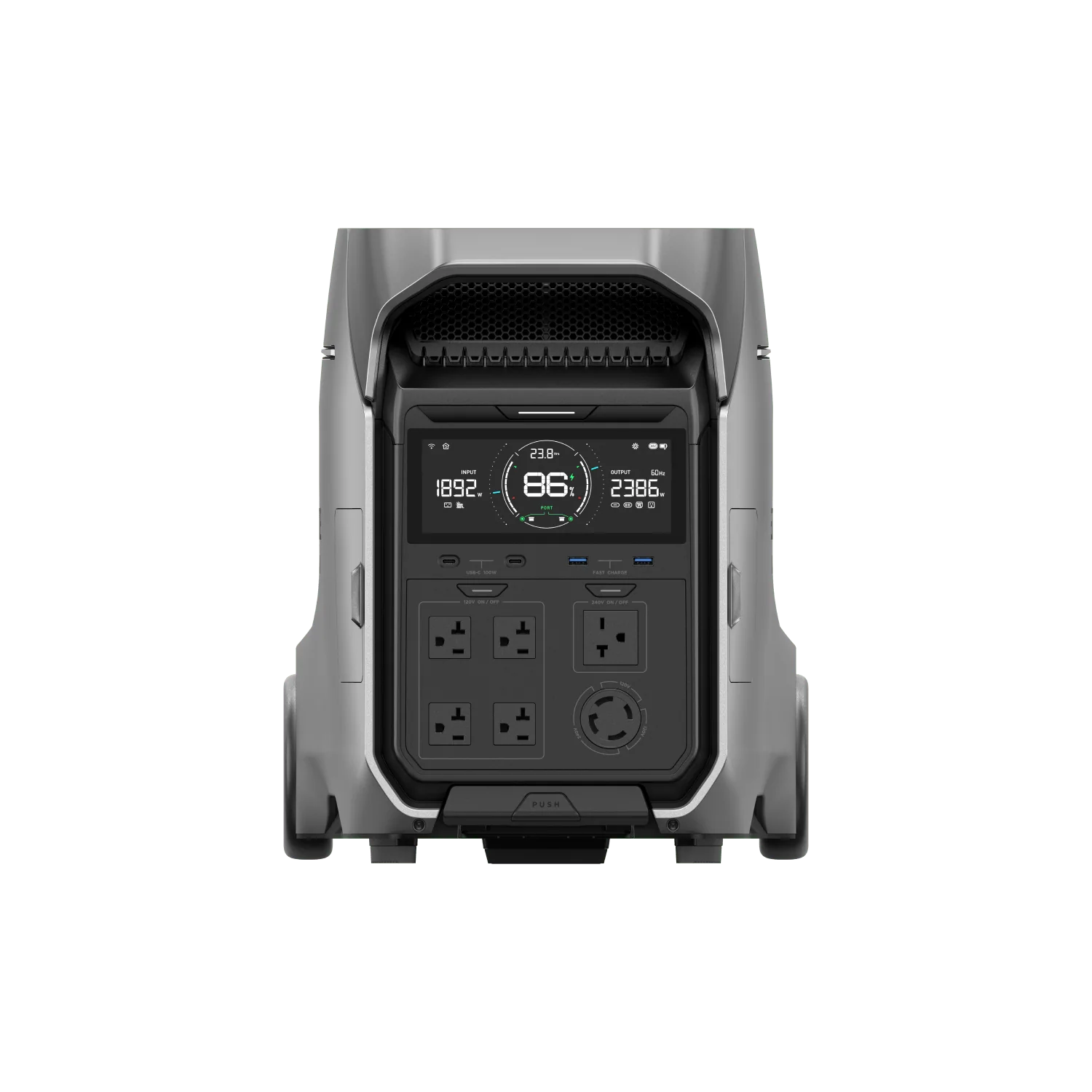
To maximize your savings, reduce grid dependence, or for homes with large requirements, consider a portable power station like the EcoFlow DELTA Pro 3 in conjunction with solar panels.
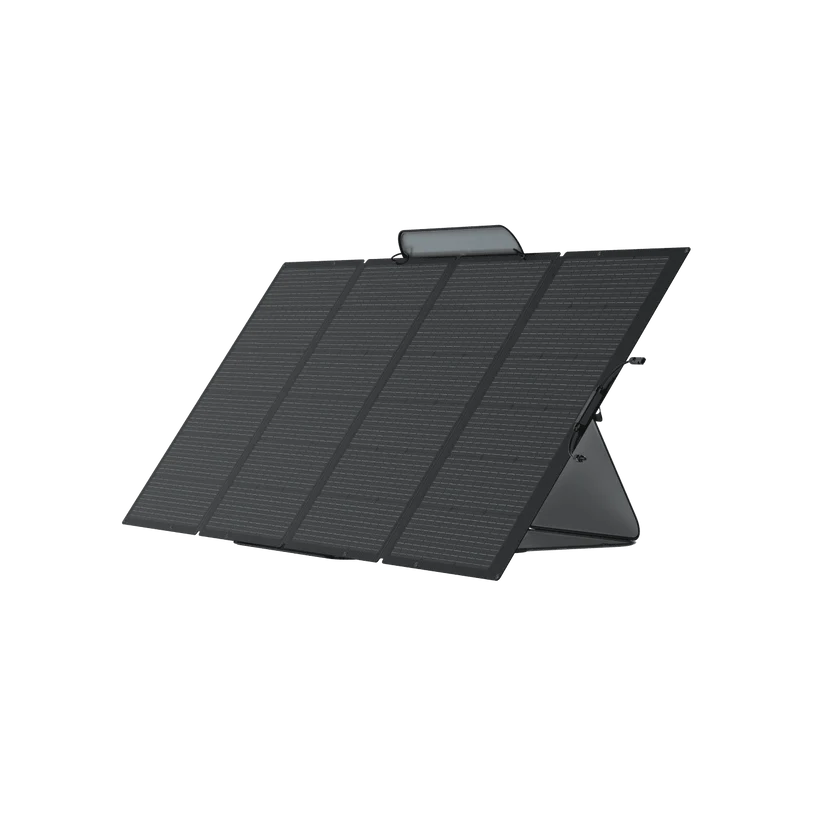
A power station allows you to harvest and keep energy for later use or to cover power outages. Combined with EcoFlow 400W Portable Solar Panel, this creates the ultimate in flexible and reliable energy storage, and maximizes cost savings.
Frequently Asked Questions
How much can solar panels reduce a typical electricity bill?
The average US billpayer can save $80-$177 per month on their electricity costs, with even greater savings for states with high tariff rates. You’ll also save more if your consumption is high, typically a family property or large household.
How long does it take for solar panels to pay for themselves?
It takes on average 6-12 years for solar panels to pay for themselves. The precise period depends on how much the installation cost, available incentives, and local electricity rates. The cheaper the rate, the longer the payback time.
Do solar panels eliminate your electric bill completely?
Even if solar panels cover all your energy usage, you’ll still receive a bill if you’re grid connected. That’s because electricity bills have some fixed charges that you can’t offset. You’ll need to be completely off grid to avoid any bills at all.
Does adding a battery increase solar savings?
Adding a battery does increase solar savings allowing householders to store excess energy for later use instead of buying from the grid. Savings are maximized if the battery is used during peak time when demand and grid electricity prices are highest.
Start Cutting Your Electric Bill With a Solar Setup That Fits Your Home
Solar systems save money on energy costs. Whatever the type of property and requirements, there’s a solar setup that’ll fit your home and your lifestyle.
Solar panels provide long-term savings and energy security supported by additional products like portable power stations, batteries, and whole home backup power solutions for total outages.
Find out more about how these products can save you money and reduce your reliance on grid energy.
For press requests or interview opportunities, reach out to our media team
media.na@ecoflow.com