How Many Watts Does a Dehumidifier Use? Running Cost Guide
- How Does a Dehumidifier Use Electricity?
- How Many Watts Does a Dehumidifier Use?
- How Much Does It Cost to Run a Dehumidifier?
- What Factors Affect a Dehumidifier's Running Cost?
- How Does a Dehumidifier's Energy Use Compare to Other Appliances?
- How Can You Lower Your Dehumidifier's Running Cost?
- Can You Run a Dehumidifier on a Portable Power Station?
- Frequently Asked Questions
- Knowing Your Dehumidifier's Wattage Helps You Control Costs and Power It Reliably Anywhere
A dehumidifier typically draws between 200 and 1,500 watts, depending on its size and capacity. That range can add up fast on your electric bill, especially if you're running one all day in a damp basement.
This guide breaks down wattage by dehumidifier type, what that means for cost, and how to keep one running reliably, even off-grid.
How Does a Dehumidifier Use Electricity?
A dehumidifier works like a small air conditioner. A fan pulls humid air across refrigerant-cooled coils, moisture condenses out into a reservoir or drain line, and drier air gets pushed back into the room.
The compressor that cools those coils is the biggest power draw, followed by the fan motor.
Some models also run a small internal heater to keep the coils from icing over in cooler rooms, adding to the load.
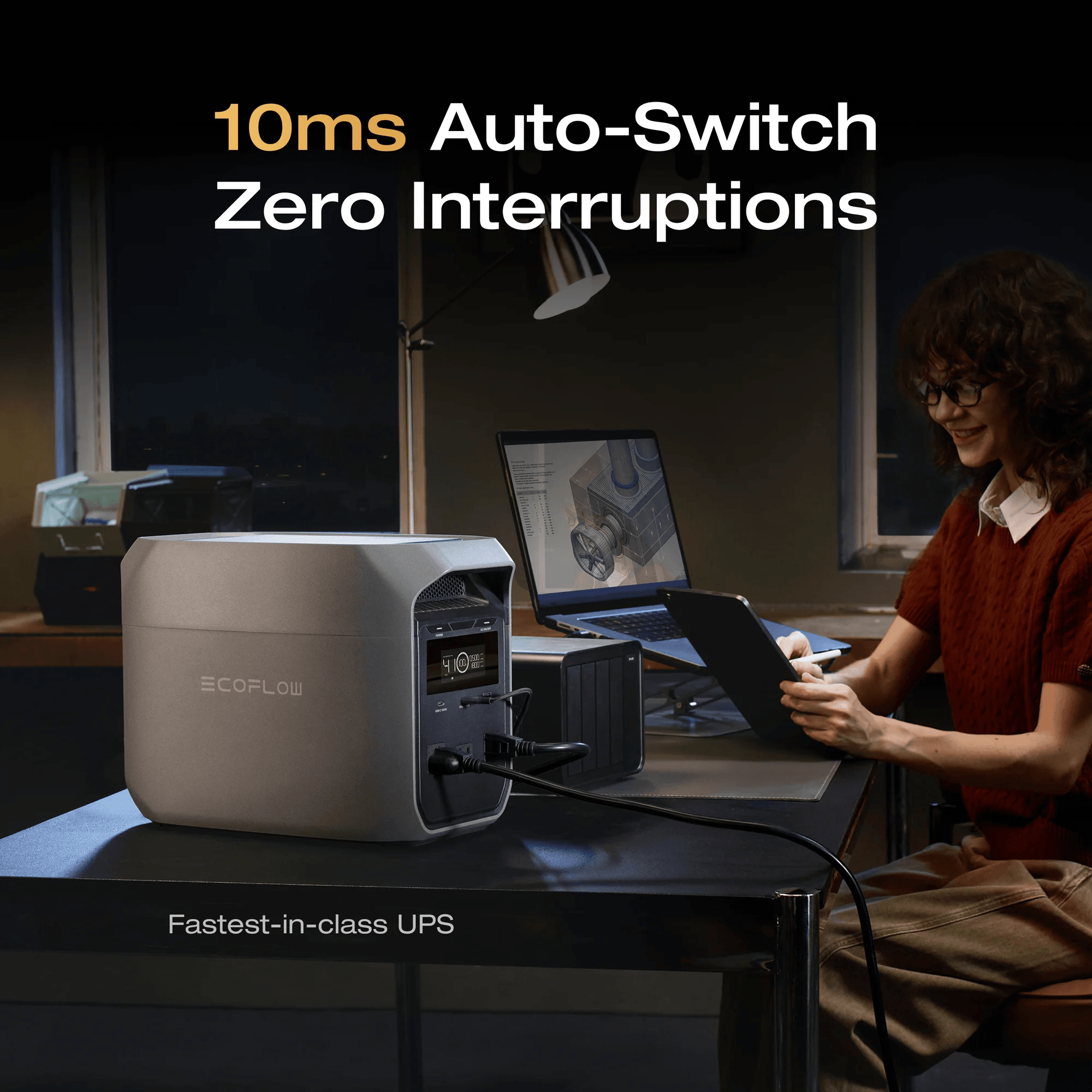
Because the compressor cycles on and off to maintain a target humidity level, a dehumidifier doesn't pull its full wattage constantly. It draws the most power when the compressor kicks on, then settles into a steadier draw until the room reaches your set humidity and the unit pauses. That's also worth knowing if you ever need to run one on backup power, like the EcoFlow DELTA 3 Classic (1024Wh), during an outage or somewhere without a reliable outlet.
If you've already sized up the load from a window AC unit or a washing machine, this will feel familiar. It's the same logic of nameplate wattage versus real-world average draw, covered in how many watts a window AC uses and how many watts a washing machine uses.
How Many Watts Does a Dehumidifier Use?
Wattage scales predictably with a dehumidifier's pint capacity, the amount of moisture it can pull from the air in 24 hours.
Small and Portable Dehumidifiers
Compact and portable units, typically rated to remove 20–30 pints of moisture a day, use around 200–300 watts. These are the models people put in a bathroom, closet, or small bedroom to manage everyday condensation.
Mid-Size and Whole-Room Dehumidifiers
Mid-size units built for a large room or a moderately damp basement, usually rated 30–50 pints, draw roughly 300–500 watts. This is the most common category for homeowners dealing with a musty living space or a finished basement that runs humid in summer.
Large and Whole-Home Dehumidifiers
Large, whole-home, or crawl-space dehumidifiers rated 50–90 pints or more can draw 500–1,500 watts, with some ducted whole-house systems pulling even higher. These units run for longer stretches and are built to manage humidity across multiple rooms or an entire lower level.
How Much Does It Cost to Run a Dehumidifier?
Once you know the wattage, the math is simple:
watts × hours used ÷ 1,000 × your electricity rate per kWh.
The U.S. average residential rate sits at roughly 17.9 cents per kWh in 2026, though your local rate may differ.
A 400-watt mid-size dehumidifier running 8 hours a day uses about 96 kWh a month, or roughly $17 at the national average rate. A 700-watt large unit on the same schedule runs closer to $30 a month. Run either unit closer to 24/7 during a humid summer, and those figures roughly triple.
What Factors Affect a Dehumidifier's Running Cost?
Several variables push your actual cost above or below these estimates.
Capacity and compressor size set the baseline wattage, but how often the compressor cycles matters just as much. A unit in a genuinely damp basement runs its compressor far more than one maintaining humidity in an already-dry room.
Ambient temperature plays a role too, since dehumidifiers work harder and less efficiently in cooler spaces below about 65°F.
Your target humidity setting matters as well: chasing a lower percentage keeps the compressor cycling more. An older or poorly maintained unit with dirty coils or a clogged filter also has to work harder to pull the same moisture out of the air.
How Does a Dehumidifier's Energy Use Compare to Other Appliances?
A mid-size dehumidifier's 300–500 watts is similar to an electric blanket on a high setting, but well below a washing machine's heating cycle or a window air conditioner, both of which can pull over 1,000 watts.
What actually shows up on your bill is runtime. A dehumidifier in a humid basement might run 10–20 hours a day for weeks straight, while an AC unit or washing machine cycles on for a fraction of that.
Steady, long-duration use turns a modest wattage into a noticeable seasonal cost.
How Can You Lower Your Dehumidifier's Running Cost?
A few habits keep the cost down without giving up on humidity control.
Choose a unit sized correctly for the space instead of oversizing "just in case," since an oversized unit cycles inefficiently and an undersized one runs constantly trying to keep up.
Set a realistic target humidity, generally 45–50%, rather than chasing the lowest number on the dial.
Clean or replace the filter regularly, and seal drafts and leaks in the room so the unit isn't fighting a constant influx of humid outside air. Choosing an ENERGY STAR certified model also helps, since certified units use meaningfully less energy for the same capacity.
Can You Run a Dehumidifier on a Portable Power Station?
Yes, and it's a practical option if you need to keep a basement dry during a power outage or in a space without reliable outlets.
A portable power station stores energy in a battery and delivers it through standard AC outlets, so a dehumidifier plugs in exactly as it would at the wall.
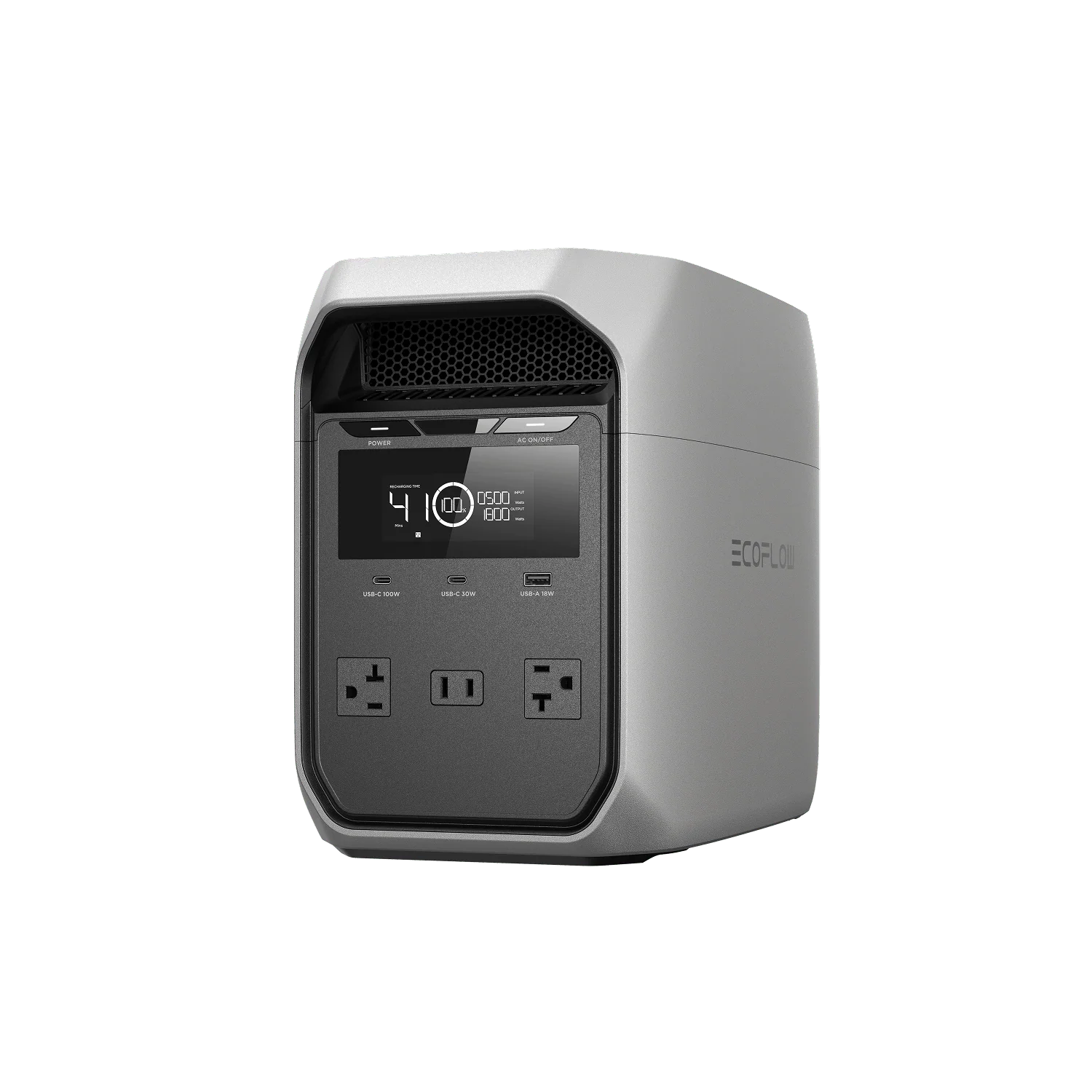
The EcoFlow DELTA 3 Classic (1024Wh) is well suited to this job. It can run a typical 300–500-watt dehumidifier for roughly two to three hours continuously, or intermittently across a full day as the compressor cycles on and off. That's enough to protect a basement from moisture buildup during a multi-hour outage, and it recharges from a wall outlet, a car, or solar panels once power is back or if you're off-grid.
For households covering a dehumidifier alongside essentials like a fridge or sump pump during longer outages, a whole-home backup power solution offers more sustained capacity.
Frequently Asked Questions
Do ENERGY STAR Dehumidifiers Really Save Money?
Yes. ENERGY STAR-certified dehumidifiers typically use about 20% less energy than standard models with the same moisture-removal capacity. On a unit running for several hours a day through a humid season, that efficiency gap adds up to a noticeable difference on your electric bill throughout the year, without any change in performance.
Can a Solar Generator Power a Dehumidifier?
Yes. A solar generator, which pairs a portable power station with solar panels, can run a dehumidifier the same way a wall outlet does. The battery handles the load while the panels recharge it during the day, making it a workable setup for keeping humidity under control off-grid or during extended outages when grid power isn't available.
Knowing Your Dehumidifier's Wattage Helps You Control Costs and Power It Reliably Anywhere
A dehumidifier's running cost comes down to wattage, hours run, and your local electricity rate, with most households spending $15–$40 a month depending on size and season.
Sizing the unit correctly, maintaining it, and choosing an efficient model all help keep that number down.
And when you need to keep one running off the grid, the EcoFlow DELTA 3 Classic (1024Wh) gives you a straightforward way to do it.
For press requests or interview opportunities, reach out to our media team
media.na@ecoflow.com