Can You Live Off-Grid in California? Regulations and Costs
- What Does It Mean to Live Off-Grid in California?
- Is Off-Grid Living Legal in California?
- What Regulations Apply to Off-Grid Power, Water, and Waste Systems?
- What Zoning and Building Codes Should You Check First?
- How Much Does It Cost to Live Off-Grid in California?
- What Incentives Can Help Offset Off-Grid Costs?
- What Should You Consider Before Going Off-Grid in California?
- Frequently Asked Questions
- Portable Solar Power Makes Legal Off-Grid Living in California More Achievable
California doesn't ban off-grid living, but it doesn't make it simple either. Counties enforce their own rules for power, water, and waste systems, and skipping a permit can leave a property uninhabitable in the eyes of local code.
Here's what to check before you buy land or unplug from the grid.
What Does It Mean to Live Off-Grid in California?
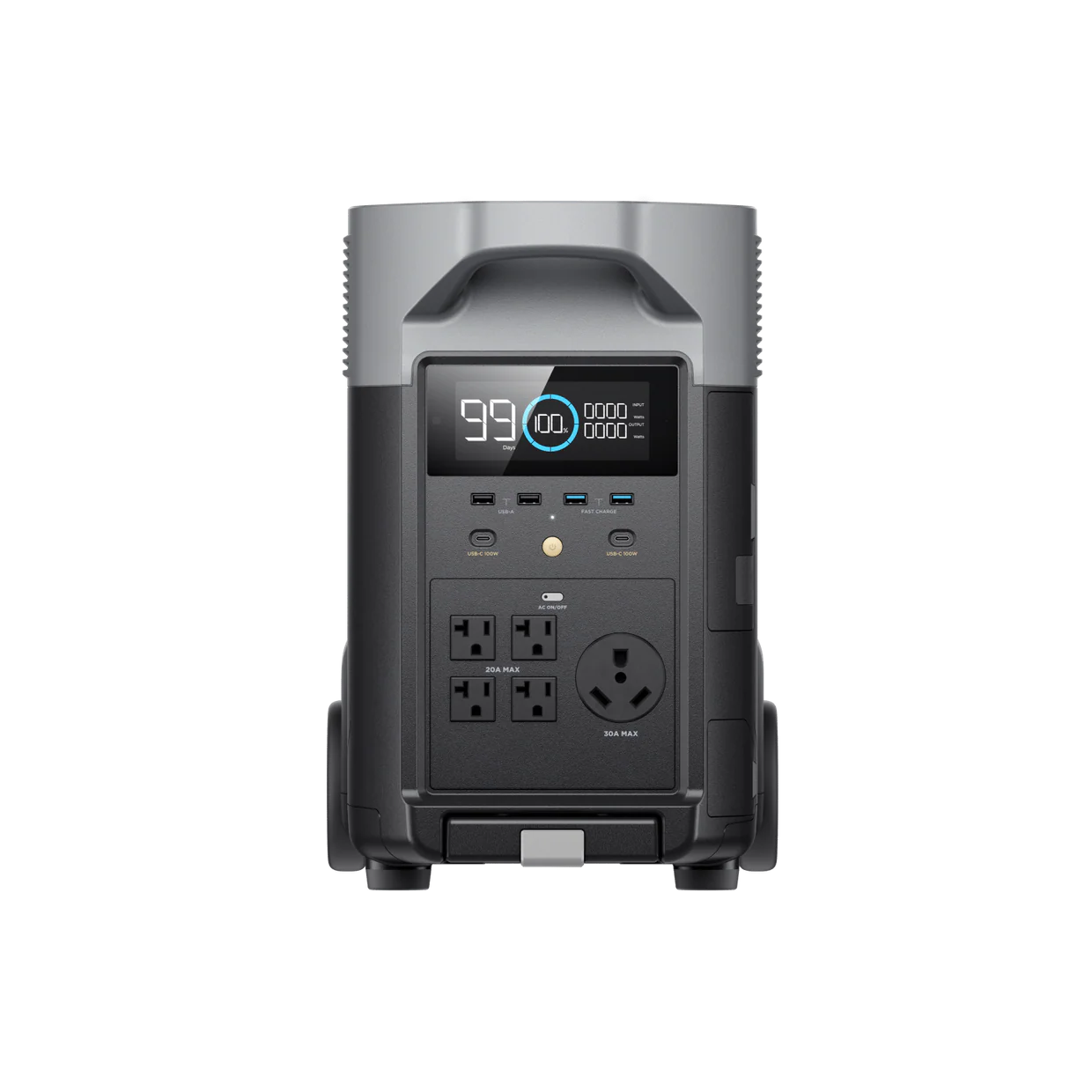
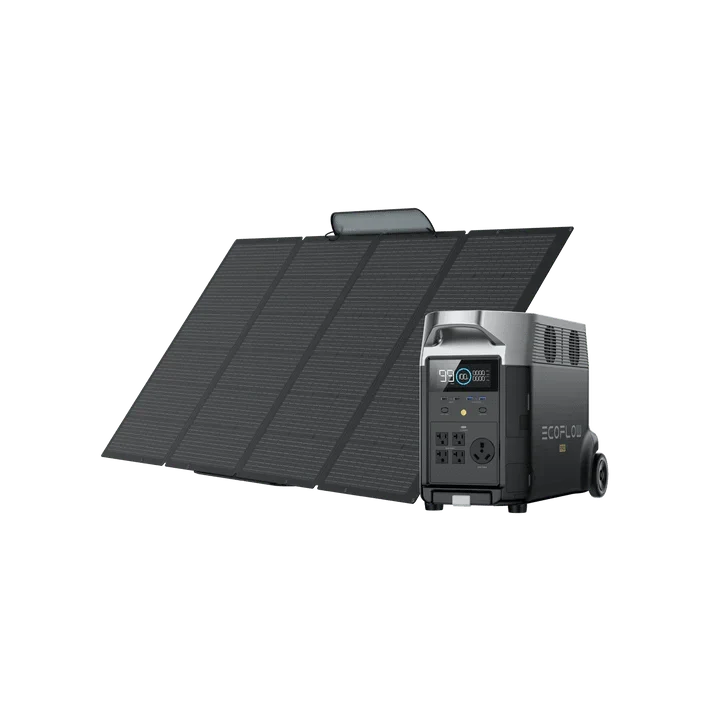
Going off-grid means disconnecting from at least one public utility, usually the electrical grid, and generating or sourcing that resource yourself. For most people this starts with power: an EcoFlow Portable Power Station paired with battery storage replaces the utility connection entirely, storing energy for use at night or during outages. For smaller-scale needs, like a cabin or workshop, an EcoFlow DELTA Pro Portable Power Station + 400W Solar Panel bundle offers a portable starting point before committing to a full home system.
Full off-grid living often extends beyond electricity to water and waste, too, sourcing water from a private well and treating sewage on-site instead of tying into municipal systems. None of this is automatically illegal in California, but each piece is regulated separately, and the rules vary by county.
Is Off-Grid Living Legal in California?
Yes, but "legal" depends on which system you're talking about and where the property sits. California has no single statewide ban. Enforcement happens at the county and city levels through building, health, and planning departments, with permitting difficulty varying by jurisdiction.
In short, off-grid living is legal almost everywhere in the state, but you need permits for power, water, and waste before you can legally occupy the property.
What Regulations Apply to Off-Grid Power, Water, and Waste Systems?
Solar and Battery System Rules
Solar panels and battery storage generally need to meet the California Electrical Code and pass a local building inspection, including fire-safety checks for battery installations. An EcoFlow home battery sized correctly for your household reduces the inspection headaches that come with undersized or improvised setups, since it's built to code from the start.
Water Rights and Well Permits
If you plan to drill a well, you'll need a county permit and a licensed contractor familiar with the state's well construction requirements. Check with your county's environmental health department for specifics before drilling.
The water itself typically has to pass drinking-water quality testing, since a failed well can make a property legally uninhabitable until it's fixed. Water rights are also often tied to the land, so confirm what comes with a parcel before buying.
Septic and Composting Toilet Requirements
Standard septic systems require a percolation test, an approved design, and inspection before use, all overseen by the county's environmental health department. Composting toilets are allowed in parts of California, but most counties only approve them as a supplement to an approved septic or sewer connection, not a full replacement.
What Zoning and Building Codes Should You Check First?
Zoning determines whether you can build a residence on a parcel. Some rural zones restrict dwelling size, occupancy, or the number of structures allowed, while building codes govern how that structure gets built.
Before buying land, check the parcel's zoning designation with the county planning department and confirm whether off-grid power, water, and waste systems are permitted uses in that zone.
How Much Does It Cost to Live Off-Grid in California?
Land Costs
Rural land prices swing widely by county. Central Valley acreage often runs under $15,000 an acre, with rural Northern California pricing comparably low, both landing 70–80% below coastal areas.
Coastal or wine-country parcels, on the other hand, can run $50,000 to $200,000 or more an acre. Distance from utility infrastructure often lowers land prices but raises the cost of building the systems you'll need.
Solar and Battery System Costs
A full home solar-plus-battery setup capable of running a household independently generally runs from the low tens of thousands into six figures, depending on energy use and battery capacity. This is often less than extending utility power lines to a remote parcel, which can cost $42,000 to over $130,000 per mile.
That's why many buyers put their budget toward an EcoFlow whole home battery backup system instead, sized around their actual California electricity costs rather than guesswork.
Water and Waste System Costs
Drilling a private well typically costs several thousand dollars depending on depth and geology, plus permitting fees; a conventional septic system adds several thousand more for the percolation test, design, and installation. Composting toilets are cheaper upfront but may carry ongoing hauling costs.
What Incentives Can Help Offset Off-Grid Costs?
California and federal programs have historically offered credits and rebates to offset solar and battery costs, though eligibility changes often, so check current programs before budgeting.
Some counties also offer expedited permitting for renewable energy systems, cutting time and holding costs.
If you're building modularly, starting with a smaller DIY solar kit and expanding capacity over time can spread out costs while you confirm the system meets your actual usage.
What Should You Consider Before Going Off-Grid in California?
Before committing, map out your household's realistic energy, water, and waste needs — today and for how the property might be used seasonally.
Off-grid living in California often works well for weekend cabins or seasonal use before it becomes a full-time residence, much like the setups behind California van life road trips. Talk to the county planning and health departments directly, since requirements differ parcel to parcel.
Frequently Asked Questions
Can You Legally Use a Composting Toilet in California?
In many counties, yes, but usually only alongside an approved septic or sewer system rather than as a standalone replacement. Local health departments issue the actual approval, and requirements for waste handling and hauling vary. Before installing one, contact your county's environmental health department to confirm what's allowed on your specific parcel.
How Much Land Do You Need to Live Off-Grid in California?
There's no statewide minimum, since zoning sets the requirement county by county. Some rural zones allow off-grid dwellings on a single acre, while others require five acres or more. Check the parcel's zoning designation with the county planning department before buying, since minimum lot size often determines what you're legally allowed to build.
Portable Solar Power Makes Legal Off-Grid Living in California More Achievable
Off-grid living in California is legal, but it runs on a patchwork of county-level permits for power, water, and waste. Getting the electrical piece right is often the most straightforward part. A properly sized, code-compliant setup clears inspection more easily and gives you a real handle on your energy budget before you commit to land.
If you're weighing whether a parcel can support full-time living, start by sizing a whole home battery backup system around your actual usage rather than guessing.
Not ready to commit to a full installation? An EcoFlow DELTA Pro Portable Power Station + 400W Solar Panel is a flexible way to test off-grid living on a smaller scale first.
For press requests or interview opportunities, reach out to our media team
media.na@ecoflow.com