Home Generator Installation Guide (2026): Costs, Permits & DIY vs. Professional Setup
In 2026, residential energy resilience has transitioned from a secondary consideration to a primary infrastructure requirement. Whether preparing for the Atlantic hurricane season or mitigating the impact of severe winter storms, a robust backup strategy is a matter of operational necessity. This guide provides a technical overview of the installation process, including an analysis of permit requirements, labor costs, and the shift toward integrated battery-based backup solutions for modern suburban homes.
The Home Generator Installation Process Explained
Getting a whole home power system up and running is a far cry from just “plug and play.” Whether you are installing a traditional standby unit or setting up a high-capacity solar generator, it takes some actual strategic legwork to make sure you don’t overload a circuit the second you try to run the AC and the fridge at the same time.
Estimate Your Home's Total Wattage Needs
Precise calculation of peak and continuous wattage is the first step in system selection. Homeowners must account for the “starting wattage” or inrush current of inductive loads, such as HVAC compressors and sump pumps. In the United States, a typical single family residence requires between 5,000 and 12,000 running watts to maintain essential systems. Underestimating these requirements can lead to system overloads and potential equipment damage during a grid failure.
Determine the Best Generator Placement Sites
Where you stick your generator matters way more than you might think. It’s a mix of safety and not being “that neighbor” who keeps the whole block awake. You want a spot at least 20 feet away from any windows or vents. Carbon monoxide is no joke, and it can seep into your house faster than you’d realize if the unit is too close. Also, try to find a nook that helps baffle the noise so you aren’t driving people crazy during a 2:00 AM blackout.
Apply for Local Building and Electrical Permits
Regulatory compliance is mandatory for permanent installations. Most U.S. municipalities require a permit to ensure the system adheres to the National Electrical Code (NEC). Maintaining these standards is critical for both public safety and the continued validity of homeowner insurance policies. Securing official documentation prevents future complications during property inspections or real estate transactions.
Pro Tip for 2026: If you are integrating a battery backup like the EcoFlow DELTA series into your home’s main panel via a transfer switch, a permit is almost always required for this hardwired setup. However, if you use the unit in its portable capacity, simply plugging appliances directly into the station, no permits or inspections are necessary, making it the fastest path to power.
Install Manual or Automatic Transfer Switches
Think of a transfer switch as the traffic cop for your home’s power. It’s the bridge between the generator and your breaker box. If you spring for an automatic version (ATS), it’ll sense the grid failing and flip the power over for you instantly. It’s a total lifesaver if a storm hits while you’re out running errands or at work.
Plan for Fuel Storage or Natural Gas Line Connections
If you’re sticking with a traditional fuel-powered generator, you’ve got to feed it. This usually means either paying a plumber to tap into your natural gas line or keeping a stash of stabilized gasoline or propane tanks in the garage. Just remember, gas stations usually can’t pump when the power is out, so if you don’t have it on hand before the wind starts howling, you’re out of luck.
Breaking down Generator Installation Costs and Complexity
Installing a traditional standby generator is a serious investment that goes way beyond the sticker price on the crate. Most folks don’t realize that the “hidden” extras can sometimes cost as much as the machine itself.
Calculate Professional Electrical Labor Hourly Rates
Budgeting for professional electrical labor is a significant component of the total project cost. In the U.S. market, licensed electricians typically charge between $75 and $150 per hour, depending on regional demand. Given that a comprehensive installation can require 12 to 16 man-hours, labor expenditures often exceed $1,000. These costs may escalate if the existing electrical panel requires a service upgrade to accommodate the transfer switch.
Factor in Transfer Switch and Cabling Costs
The hardware list gets long, fast. Between the heavy-duty copper wiring, which is not cheap these days, and the actual transfer switch unit, plan to shell out an extra $500 to $1,500. The final number really depends on how messy or “vintage” your current electrical panel is.
Pay Local Government Permit Application Fees
Don’t let a permit fee be the thing that trips you up. These vary wildly by state and county, but you’re usually looking at $50 to $300. It’s a small price to pay to keep local inspectors from slapping a “red tag” on your new gear or causing a headache when you try to sell your house later.
Include Costs for Concrete Mounting Pads
Standby units are heavy, and they need a level, sturdy home. If you don’t already have a spot ready, you’ll need to pay for a concrete pour or buy a specialized composite pad. Trust me, you don’t want a $5,000 machine slowly sinking into the mud after a heavy rain.
Account for Ongoing Annual Maintenance Expenses
Here’s the thing: these generators are basically car engines that sit in your yard. They need oil changes, fresh spark plugs, and regular battery checks. You’ll want to budget roughly $300-$500 annually just to keep it in peak condition so it actually starts when the grid goes dark.
Should You Hire Pros or Try DIY Installation
It’s the age-old American question: can I just do this myself and keep that cash in my pocket? Here’s the reality check on what you can actually tackle on a Saturday afternoon versus what absolutely needs a pro.
Gauge Your Comfort with Electrical DIY
Working on your breaker panel without experience can be extremely dangerous. Installing a transfer switch involves high-voltage circuits that require precise handling. Incorrect wiring can result in serious injury, electrical fire, or damage to your home’s electrical system. Only trained and licensed professionals should perform this work.
Verify Local Requirements for Licensed Inspections
Every town has its own set of rules. Some spots in the U.S. might let you do the grunt work yourself, but they’ll still insist on a licensed electrician signing off on the job before the utility company lets you reconnect. It’s worth a quick trip to your local “town hall” website to see what the red tape looks like in your neck of the woods.
Review DIY Vs. Professional Warranty Terms
Read that fine print before you grab your screwdriver. A lot of the big-name generator brands will flat-out void your warranty if a certified technician didn’t handle the install. You might save $1,000 on labor today, but it could cost you a $5,000 machine down the road if a part fails and the manufacturer refuses to cover it.
Assess Risks of Gas Line Connection Errors
Messing with natural gas or propane is high stakes stuff. Even a tiny, pinhole leak can lead to a fire or an explosion, which is why most homeowners leave the plumbing to the pros. Plus, most insurance companies won’t touch a claim if the gas work wasn’t done by a licensed pipefitter.
No-Installation Backup Power Solutions
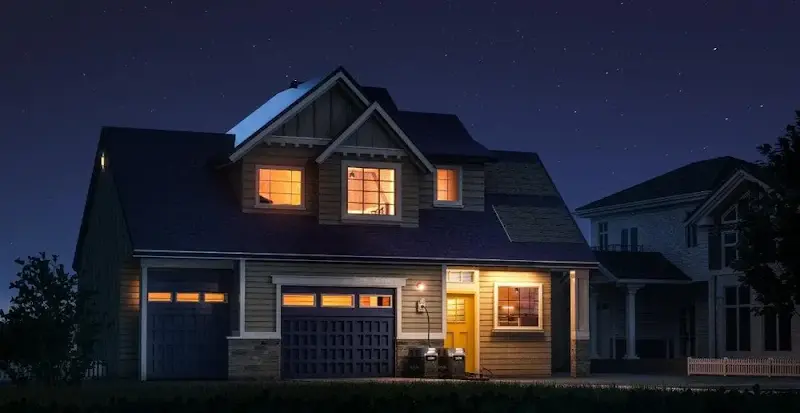
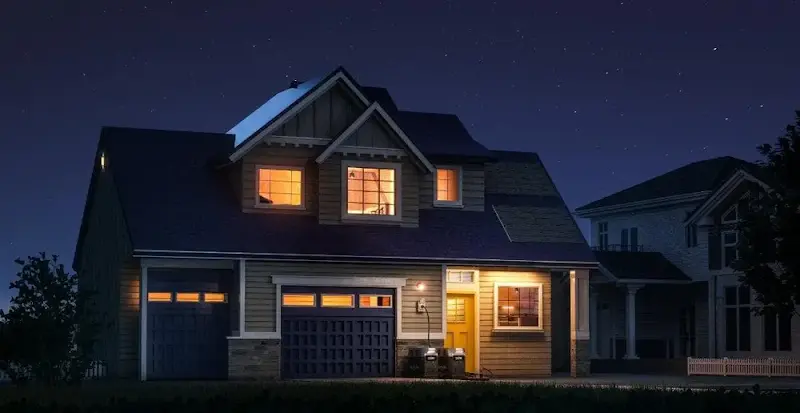
The significant capital investment and regulatory hurdles associated with traditional standby systems have many homeowners seeking more efficient alternatives. Rather than navigating the logistical complexities of licensed electrical contractors and municipal inspections, many are turning to home generators alternatives to the clean green option you didn’t know you need. These high capacity storage solutions provide a streamlined path to energy security, offering immediate reliability without the typical installation friction or infrastructure modifications.
Switch to Portable High-Capacity Power Stations
Unlike those clunky standby units, the EcoFlow DELTA Pro Portable Power Station gives you a much easier path to follow. While you’ll still need a permit if you decide to hardwire it into your home’s breaker box, you don’t need one at all for portable use. This means you can have emergency juice ready the very same day the box arrives at your door, skipping the weeks-long wait for a municipal sign-off.
In the U.S., hiring a pro to install a whole home generator usually means swallowing hundreds in hourly fees while navigating a maze of paperwork. If you want to bypass that stress, the DELTA Pro offers a convenient alternative. Think of it as a massive power bank for your entire house. It requires zero wall-cutting and no tampering with your main electrical box. When a hurricane or a blizzard knocks the grid sideways, just roll it out and plug in your essentials. It handles 99% of heavy duty appliances, everything from your fridge and microwave to a window AC unit. Plus, it can actually charge at EV stations across the country. It is the fast recharge capability via EV stations that keeps you powered up even when the rest of the neighborhood is pitch black.
Utilize Intelligent Circuit Priority Systems
If you live in an HOA-restricted community, those loud, exhaust-belching gas generators are usually a non-starter. The EcoFlow Delta 3 Ultra Plus Portable Power Station (3072Wh) fixes this problem. You can prioritize which appliances get power first, like making sure your basement sump pump keeps running or your CPAP machine stays on all night long. This smart management stretches your battery life significantly. Pair it with EcoFlow 500W Solar Panel, and your roof basically becomes a personal power plant. Since it can hit an 80% charge in just 48 minutes with solar + generator dual-charging, you get a level of independence and control that a gas-guzzler just can’t match.
Add Solar Panels for Off-Grid Power
Adding solar panels creates a partially off-grid power system. It’s the ultimate “set it and forget it” move for anyone wanting that true off grid peace of mind. Here’s the key: you aren’t just storing power anymore, you’re actually making it. For the modern American household, there’s a certain level of comfort in knowing that as long as the sun comes up, your essential appliances remain powered.
Use Heavy Duty Cords for Direct Power
If you want to skip the whole transfer switch installation, you can just go the “extension cord” route. Just make sure you’re using high quality, outdoor-rated heavy duty cords to run power directly from the station to your fridge or space heater. It’s definitely the path of least resistance. Also, it’s a lifesaver when you need to get things back to normal in a hurry during a midnight blackout and don’t have time to mess with your breaker box.
Keep Power Stations in Temperature-Stable Areas
Gas generators have to stay outside (for obvious safety reasons), but battery stations are perfectly fine in your laundry room or garage. Just try to keep them out of extreme heat or freezing cold, around 68°F to 86°F is the sweet spot to maximize that battery health.
How to Choose the Best Backup Power Solution for Your Home
Picking the right setup really comes down to how you live, what your house looks like, and just how moody the weather gets in your zip code.
Prioritize Essential Appliances for Power Outages
Here’s the first question: what are the “must-haves”? If you just need to keep the milk from spoiling and the Wi-Fi alive so the kids don’t lose their minds, your power needs are pretty modest. But if you’re trying to run a whole house central air unit in that 100°F Texas humidity, you’re playing a different ballgame. Identifying the best home generators for power outages depends entirely on whether you’re backing up a few circuits or the entire property. Map out your “survival load” before you buy anything. It’s better to have a little extra juice than to realize you’re short-handed in the middle of a heatwave.
Compare Fossil Fuel Versus Battery Storage Efficiency
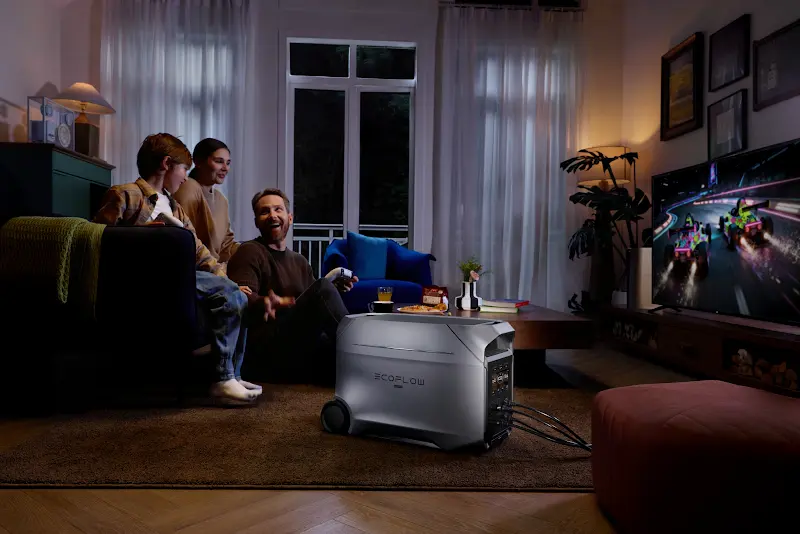
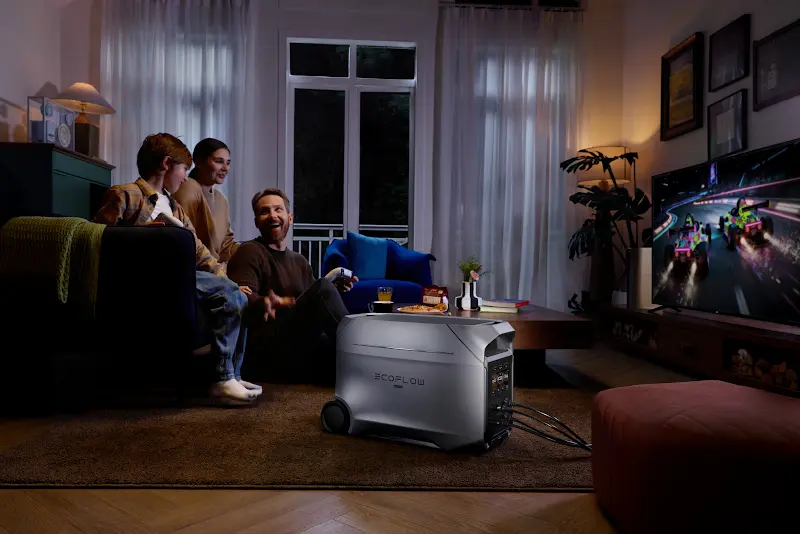
Gas is a classic for a reason, it’s great for those rare, week-long outages, but it’s a loud, high maintenance neighbor. On the flip side, battery systems like EcoFlow are dead silent and won’t ask you for an oil change. Additionally, a useful approach is to use them daily for “peak shaving,” which reduces electricity costs during high-rate periods. By running your home off the battery when electricity rates are at their highest, you’re actually chipping away at your monthly utility bill, not just waiting for an emergency.
Review Noise Ordinances in Your Local Neighborhood
Before you bolt anything to the ground, give your HOA bylaws a quick read. A lot of modern American suburbs have surprisingly strict decibel limits. Traditional standby generators may produce significant noise, potentially disturbing nearby residents during nighttime operation. If you’re in a tight-knit community, a silent battery setup might save you from a few nasty letters from the board.
Consider Portability for Future Home Moves
A standby generator is a permanent part of the house, when you sell, it stays. That might bump the value a bit, but it’s a sunk cost. A portable power station like the DELTA Pro is an actual asset you own. If you move across the country or just down the street, it goes right in the truck with you. For renters or anyone who doesn’t plan on being in their current “forever home” for thirty years, that portability is a massive win.
Conclusion
Prepping your home for power outages in 2026 really comes down to finding a balance that doesn’t break the bank or your spirit. While those old-school standby generators definitely bring the raw power, you can’t ignore the mountain of installation hurdles and the never-ending maintenance costs that come with them. Modern alternatives, like EcoFlow’s lineup of portable power stations, give you a silent, permit-free, and surprisingly efficient way to keep things running. Whether it’s a surprise ice storm or a summer heatwave, these systems make it a whole lot easier to keep your slice of the American dream powered up without extensive contractor work. Bottom line: you want a solution that works for your life, not just your circuit breaker.
FAQ
What Happens if You Install a Generator Without a Permit?
Installing a generator without the proper permit can result in significant consequences. Local authorities may issue fines or a stop-work order. In the event of an electrical fire, insurance claims could be denied if the installation was not officially permitted. Additionally, home inspectors may note unpermitted installations during property sales.
Can an HOA Ban Generators?
HOAs generally can’t ban backup power entirely due to safety laws, but they can make life difficult with rules on noise, placement, and looks. This is why many boards prefer battery powered setups, they eliminate the engine roar and exhaust fumes that usually spark neighbor complaints.
How Much Do Electricians Charge to Install a Transfer Switch for a Generator?
You’re typically looking at a bill between $500 and $1,500 to get a transfer switch professionally installed. That price usually covers the switch itself and the labor needed to get it playing nice with your home’s existing wiring. Of course, if your electrical panel is ancient or tucked away in a hard-to-reach spot, expect to land on the higher end of that estimate.
How Much Does a Whole Home Generator Increase Home Value?
In storm heavy parts of the U.S., a standby generator can actually be a solid selling point. Real estate data shows these units can bump your home’s perceived value by about 3%-5%, especially in places like Florida or the Gulf Coast where losing power is just part of life. In those high demand regions, it’s often the feature that makes a house sell faster than the one next door.
For press requests or interview opportunities, reach out to our media team
media.na@ecoflow.com