The IRA and Residential Clean Energy Tax Credits in 2026: What’s Phasing Out and What’s Staying?
- What are the IRA and Residential Clean Energy Tax Credits
- What’s Phasing Out in Federal Clean Energy Tax Credits
- From IRA to the Big Beautiful Bill: Federal Tax Credits in 2026
- Is It Still Worth Investing in Residential Solar Energy in 2026 Without Tax Credits?
- Rising Energy Costs Make Home Energy Independence More Important Than Ever
Since 2022, when the IRA was introduced, thousands of homeowners have enjoyed significant federal tax credits for residential clean energy like solar panels, geothermal heat pumps, EVs, battery storage, and more. But that all changed at the end of 2025 when the One Big Beautiful Bill phased out nearly all clean energy tax credits. Understanding what’s gone, what’s staying, and how to adapt in an era of increasing energy poverty and unreliable power grids may help you keep your lights on this year.
What are the IRA and Residential Clean Energy Tax Credits
The Inflation Reduction Act (IRA) was enacted in 2022 and included provisions like the 30% Residential Clean Energy Tax Credit. Any homeowner installing clean energy (solar, wind, battery storage, geothermal) or doing energy-efficient upgrades (insulation, windows, HVAC, etc.) to an older home was eligible. They could claim 30% of their purchase and installation costs as a tax write-off against their federal tax debt. The goal was to reduce federal income taxes owed by Americans and lower electricity costs and carbon emissions by promoting renewable energy.
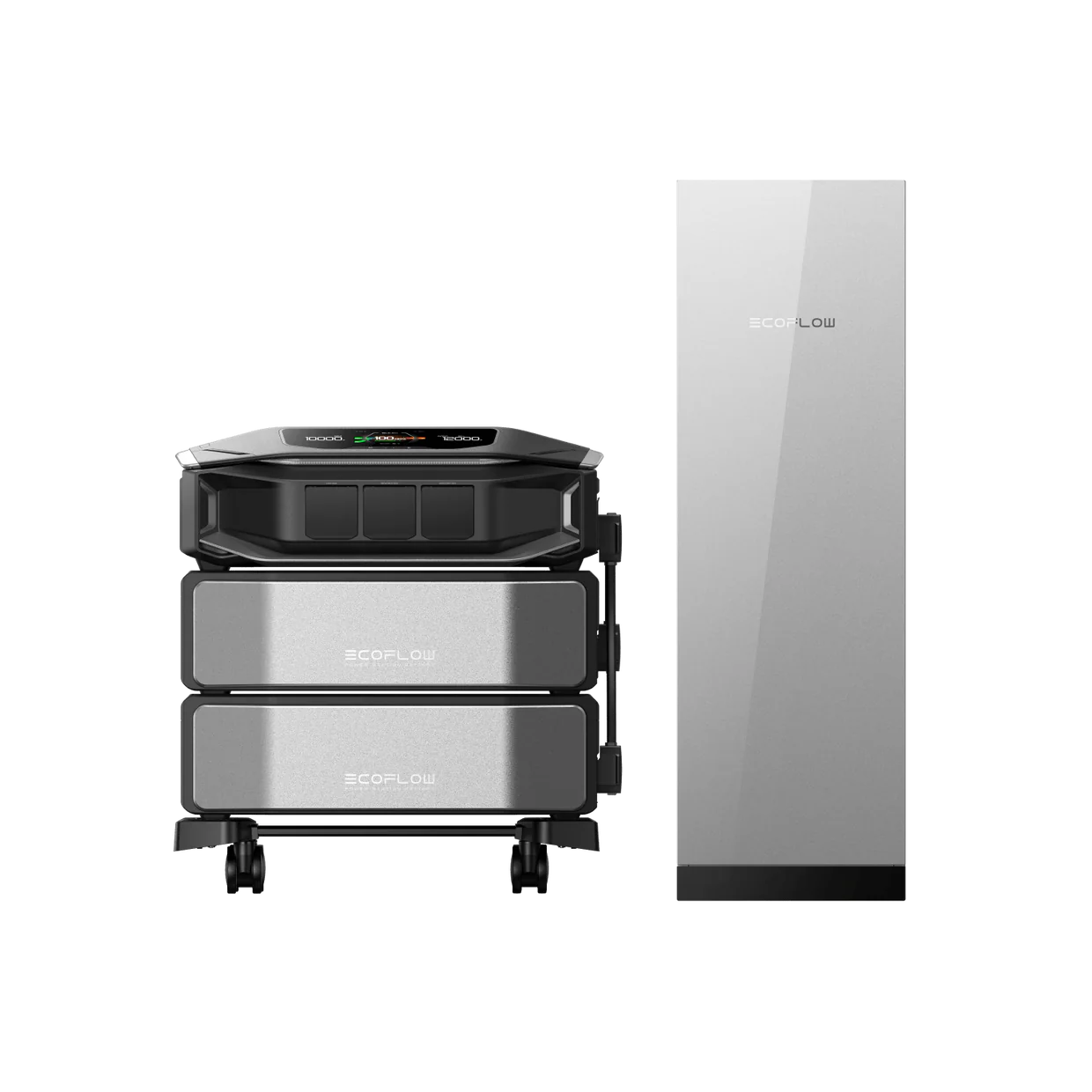
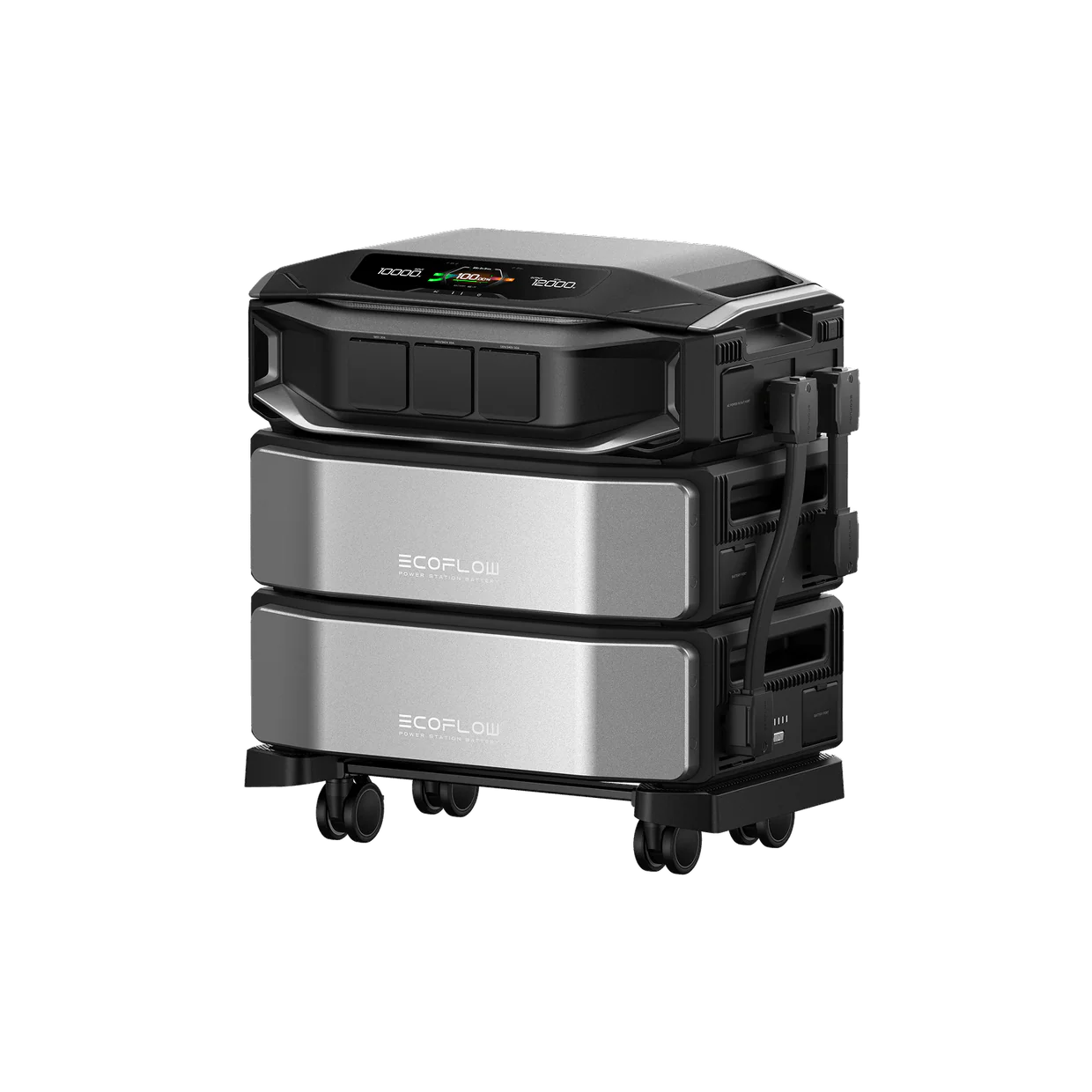
Despite federal incentives phasing out, many Americans are taking control of their energy independence by reducing grid reliance with whole-home backup systems like the EcoFlow DELTA Pro Ultra X. It delivers scalable backup power, protects against outages, and lets homeowners cut energy bills by storing electricity when rates are low, and using it when prices spike.
What’s Phasing Out in Federal Clean Energy Tax Credits
Under the One Big Beautiful Bill, virtually all residential clean energy tax credits are now phased out.
Here is what already ended in 2025:
The Energy Efficient Home Improvement Credit for efficient home upgrades like windows, HVAC, and insulation in older homes, which offered a 30% tax credit, ended on December 31, 2025.
The Residential Clean Energy Credit, a 30% tax credit for solar, geothermal, and battery storage, ended for all properties placed in service after December 31, 2025.
The EV Credits for new ($7,500) or used ($4,000) electric vehicles ended for all EVs purchased after September 30, 2025.
These credits will not be available for anything purchased or put into service after those deadlines. However, if you purchased your EV, had energy-efficient upgrades, or installed solar power or battery storage before those deadlines last year, you can still claim them on your 2025 taxes.
Even if you didn’t purchase your battery storage in time, you can still buy it in 2026 and save significant money. The EcoFlow DELTA Pro Ultra X, starting at 12kWh of expandable capacity (to 180kWh), will power your entire home. While charging them with solar panels will save you the most money, you can also use batteries during peak electricity rates and recharge them at night when rates are low. Furthermore, as power grids across the nation become increasingly unreliable, battery storage will protect your home security, keep your perishable food safe, and keep your family safe.
From IRA to the Big Beautiful Bill: Federal Tax Credits in 2026
Under the One Big Beautiful Bill, the IRA is undergoing an accelerated phase-out, with almost all residential tax credits removed by the end of 2025. However, there are a couple of residential credits still available in 2026:
The Alternative Fuel Refueling Property tax credit for EV chargers ends for all units put into service on or before June 30, 2026.
The New Energy Efficient Home Credit expires for homes purchased after June 30. 2026.
What Can Homeowners Do to Save Money on Energy in 2026?
What can the average person do in 2026 to save energy costs at home in an era when power costs have risen so dramatically? Well, everything you do at home to improve your efficiency will still save money.
According to EnergyStar, sealing doors and windows and installing better insulation can save an average of 15% or more on HVAC costs. Adjusting your thermostat, drying clothes on a line, turning down the temperature on your hot water, and turning off appliances when not in use will also cut electricity costs.
Is It Still Worth Investing in Residential Solar Energy in 2026 Without Tax Credits?
Yes, investing in solar power is still worth it without federal tax credits. For one, there may be state or local incentives for renewable energy you can still tap into. The other reason is that electricity costs are increasing twice as fast as inflation, resulting in more power shut-offs for more families than ever before.
According to the U.S. Energy Information Administration, natural gas accounts for 43% of our electricity generation. The price of natural gas, driven by global market forces, increased 56% in 2025 compared to 2024. While we cannot control the market, we can achieve energy independence by installing solar panels. After the solar payback period, when your solar panels pay for themselves through the savings on your power bills, your electricity will be free for 20 years or more.
What About Battery Storage?
Extreme weather, heat waves, cold snaps, tropical storms, wildfires, and more are showing no sign of slowing. This increases your risk of weather-related power outages. A battery-powered EcoFlow Whole-Home Backup Generator will keep your essential appliances running, without the fire or carbon monoxide poisoning risks of traditional generators.
However, you can also use your battery storage to save money if you sign up for a variable electricity rate that charges more when demand is high and less at night when demand is low. Use your batteries to run your dishwasher, dryer, and other appliances when you get home from work, when electricity rates are highest. Then, recharge them at night when rates are low, or better yet, charge them for free during the day with solar panels.
Rising Energy Costs Make Home Energy Independence More Important Than Ever
The clean energy landscape looks a whole lot different than it did a year ago, with the expiration of most residential federal tax credits. While we no longer have those incentives, state and local incentives may still be available, and the recent dramatic increase in electricity costs is a strong financial incentive in itself. Whether you use energy-efficient upgrades, solar panels, or battery storage like the EcoFlow DELTA Pro Ultra X, you can enjoy long-term savings, household resilience, and peace of mind, with or without the tax credits.
For press requests or interview opportunities, reach out to our media team
media.na@ecoflow.com