Home Battery Backup for Wildfire Season 2026
- Why Wildfire Season Causes Power Outages in 2026
- What a Home Battery Backup Does and How It Works
- How to Choose the Right Backup Setup for Your Home
- Incentives and Programs That Can Lower the Cost
- Building a Wildfire-Ready Power Plan You Can Use
- Frequently Asked Questions
- Reliable Backup Power That Keeps Your Home Connected Through Wildfire Season
Wildfire season is no longer limited to a few months of elevated risk. Across many regions, hotter temperatures, drier conditions, and more frequent extreme weather events are contributing to longer and more disruptive wildfire seasons.
Along with threats to homes and communities, wildfires often bring widespread power outages caused by damaged infrastructure and utility-initiated shutoffs designed to reduce fire risk. A home battery backup can provide critical energy security during these events.
Why Wildfire Season Causes Power Outages in 2026
Wildfire season in 2026 continues to bring significant challenges for homeowners across fire-prone regions. Longer periods of drought, rising temperatures, and increasingly severe weather patterns have contributed to larger and more frequent wildfires.
As utility providers work to reduce the risk of power lines igniting fires, many have expanded the use of Public Safety Power Shutoffs (PSPS).
These preventative shutoffs can leave neighborhoods without power for hours, days, or even longer. In some areas, residents also face outages caused by damaged infrastructure, fallen trees, smoke-related equipment failures, and emergency response efforts.
Combined with growing concerns about SCE outages and broader grid reliability challenges, homeowners are increasingly looking for independent energy solutions that can keep essential systems running.
What a Home Battery Backup Does and How It Works
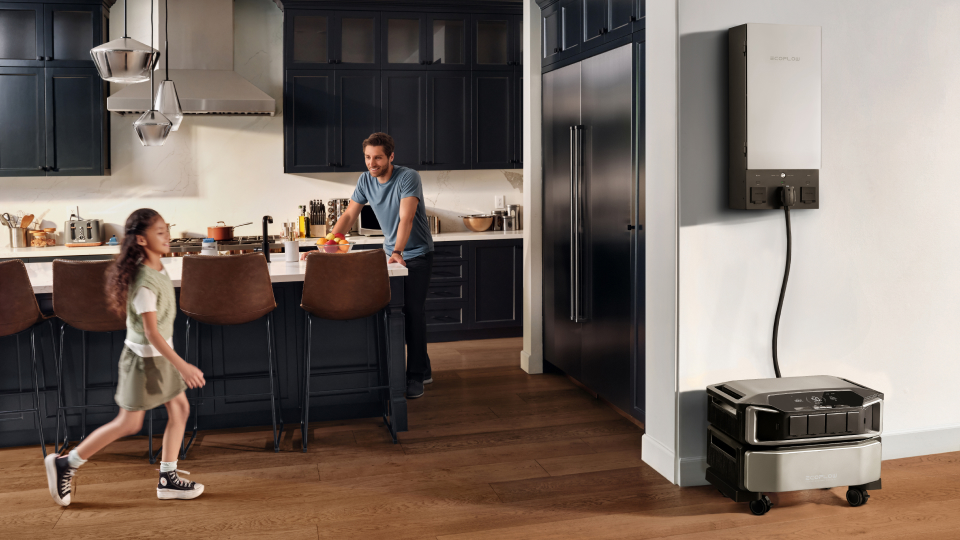
A home battery backup stores electricity for use when grid power is interrupted. When an outage occurs, the battery automatically supplies power to designated circuits, essential appliances, or even an entire home, depending on the system configuration.
Unlike a traditional whole home generator that relies on fuel, battery systems store energy electronically and operate quietly without producing emissions. Many modern systems can recharge from the electrical grid during normal operation and can also integrate with solar panels to provide ongoing energy production during extended outages.
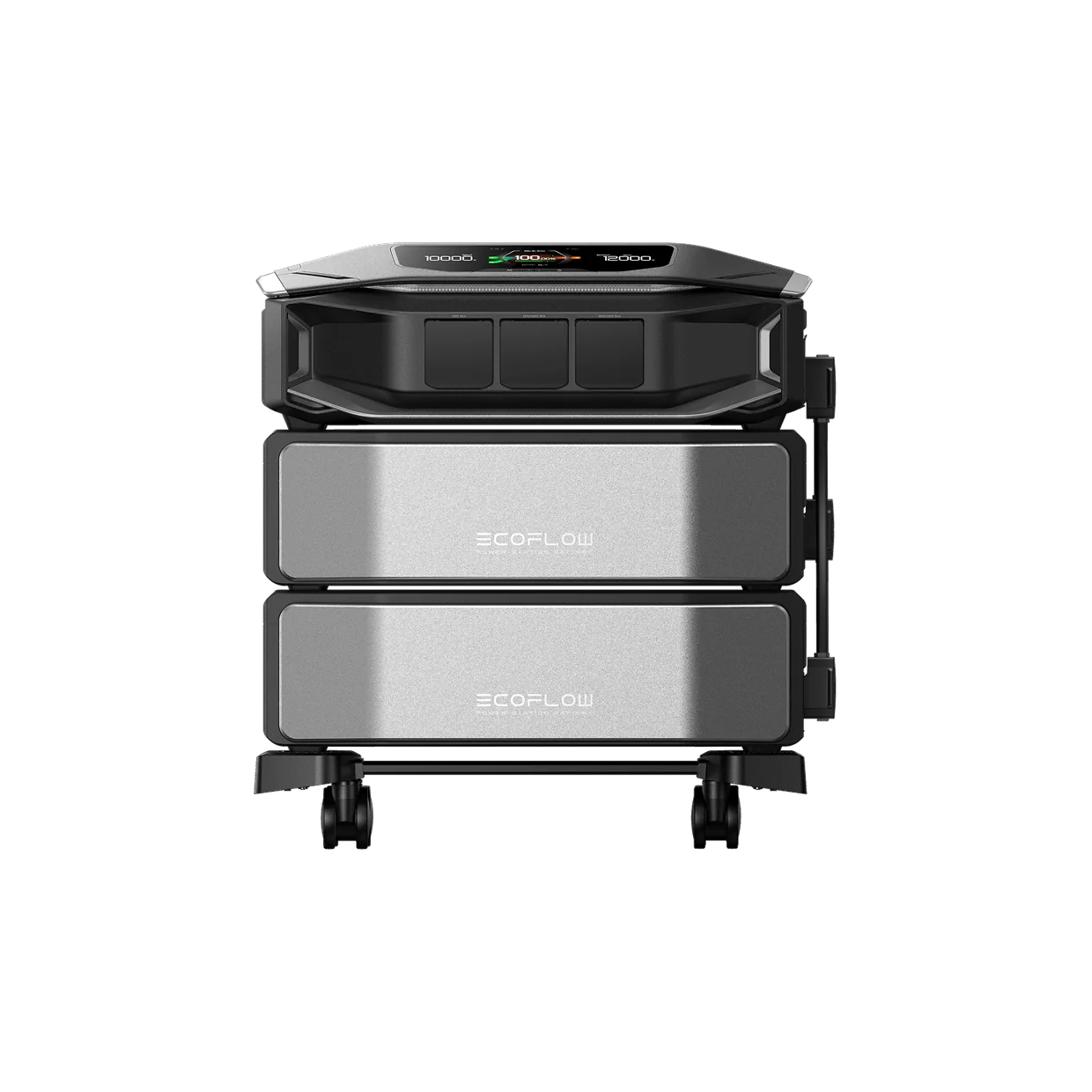
Advanced systems such as the EcoFlow DELTA Pro Ultra X are designed to provide enough capacity to run refrigerators, HVAC equipment, medical devices, internet connections, lighting, and other critical household loads.
When paired with solar panels, these systems can continue generating power throughout prolonged wildfire-related outages.
How to Choose the Right Backup Setup for Your Home
Some homeowners only need enough power to keep communication devices, lights, and refrigeration running. Others want uninterrupted operation of larger appliances, air conditioning systems, or well pumps.
The first consideration is capacity. Battery capacity determines how much energy can be stored and how long the system can operate during an outage. Homes with greater energy demands generally require larger battery systems or expandable configurations.
Output power is equally important. A battery may store substantial energy, but it also needs sufficient power output to start and run major appliances. This is especially important for HVAC systems, pumps, and other equipment with high startup requirements.
Homeowners should also evaluate scalability. A modular system allows additional battery capacity to be added later as energy needs grow. This approach can provide flexibility without requiring a complete replacement.
Another critical factor is solar compatibility. During extended wildfire shutoffs, solar charging can dramatically increase resilience by replenishing stored energy each day. This capability reduces dependence on the grid and helps maintain power availability during prolonged emergencies.
Incentives and Programs That Can Lower the Cost
The upfront cost of home battery storage can be reduced through a variety of federal, state, and utility-sponsored programs.
Federal clean energy tax incentives can offset the cost of eligible battery storage systems, and many homeowners qualify. Several states also offer rebates or resilience-focused programs designed to encourage backup power adoption in areas vulnerable to wildfires and grid disruptions.
In California, battery storage programs often prioritize residents living in high fire-threat districts or those impacted by recurring PSPS events. Homeowners researching a California wildfire emergency power plan should review available state and local incentives, as eligibility requirements and funding levels can change over time.
Utility companies in certain regions may also provide demand-response incentives or energy storage rebates that further reduce installation costs.
Building a Wildfire-Ready Power Plan You Can Use
Start by identifying the devices and appliances that are most important during an outage. Refrigeration, medical equipment, internet connectivity, communication devices, lighting, and water systems are often top priorities.
Next, estimate how long outages typically last in your area and determine whether your backup system can support those needs.
Homeowners in regions with frequent PSPS events may benefit from larger battery systems and solar charging capabilities. The EcoFlow DELTA Pro Ultra X, for example, supports whole-home loads and can be paired with solar panels to keep recharging throughout an extended shutoff, reducing reliance on the grid when it matters most.
Emergency planning should also include maintaining access to evacuation information and emergency supplies. A battery backup can help keep phones charged and communication channels open when alerts are issued.
Pairing your energy plan with a wildfire evacuation checklist can help ensure your household remains prepared for rapidly changing conditions.
Regular testing, maintenance, and periodic reviews of your energy needs can help ensure your backup system performs as expected when wildfire season arrives.
Frequently Asked Questions
What Size Home Battery Backup Do I Need for Wildfire Season?
The right battery size depends on your household's energy usage and outage goals. Smaller systems may support essential devices such as lights, routers, and refrigerators, while larger systems can power HVAC equipment and additional appliances.
Is it Safe to Use a Home Battery Backup During a Wildfire and PSPS Shutoff?
Yes. Modern battery systems are designed with multiple safety features, including battery management systems, thermal protection, and advanced monitoring capabilities. Choosing a certified, professionally installed system can help maximize safety and reliability during wildfire-related outages and PSPS events.
Can I Recharge a Home Battery Backup with Solar Panels During an Outage?
In many cases, yes. Solar-compatible battery systems can continue charging from solar panels while the grid is unavailable. This capability can significantly extend backup duration during prolonged outages and help maintain critical household functions.
Which Incentives Might Apply to Home Battery Backup in 2026?
Potential incentives may include federal clean energy tax credits, state battery storage rebates, utility-sponsored resilience programs, and wildfire preparedness initiatives. Availability varies by location.
Reliable Backup Power That Keeps Your Home Connected Through Wildfire Season
Wildfire-related outages are becoming more common, and homeowners increasingly need dependable ways to maintain power when the grid is unavailable.
When evaluating backup options, focus on capacity, power output, solar compatibility, scalability, and long-term resilience. Explore the EcoFlow DELTA Pro Ultra X and other whole-home backup power solutions to build a more resilient home before the next wildfire season arrives.
For press requests or interview opportunities, reach out to our media team
media.na@ecoflow.com