California Wildfire Season 2026: How to Build Your Emergency Power Plan
- When Is California Wildfire Season in 2026?
- Why Are Wildfires Causing More Frequent Power Outages?
- What Should an Emergency Power Plan Include?
- What Devices and Appliances Should You Prioritize During an Outage?
- How Can Backup Power Help During Public Safety Power Shutoffs?
- What Are the Best Backup Power Options for Wildfire Preparedness?
- Frequently Asked Questions
- Wildfire Preparedness Starts With a Reliable Emergency Power Plan
California’s 2026 wildfire season is looking to be an above-average season, at least for the northern half of the state, and that means power outages are coming. A battery-based emergency power plan (not just a go-bag) is what keeps your home safe and connected when the grid goes down.
Beyond the risk of the flames themselves, the season also brings heightened risks of Public Safety Power Shutoffs as utilities work to prevent grid-sparked fires in high-risk weather. These shutoffs can last hours or days, and gas generators aren’t a safe option when fire risk is already elevated.
When Is California Wildfire Season in 2026?
While wildfires happen anytime in California, the peak season officially starts in April in Southern California and June in Northern California, extending to about October for both regions.
According to the National Interagency Fire Center (NIFC), the 2026 wildfire outlook for California is looking to be above-average from June to August in Northern California, with the rest of the state showing a normal risk of fires.
Southern California's wildfire season is already making headlines in May 2026, with the Sandy Fire burning over 2,100 acres above Simi Valley and forcing more than 17,000 residents under evacuation orders. Alongside the Sandy, Bain, and Verona fires burning simultaneously across Ventura and Riverside counties, air quality alerts have blanketed the San Fernando Valley, Pasadena, and much of the greater LA region.
With crews already battling over 1,400 wildfires across California this year, scorching more than 32,000 acres, it's a stark reminder that wildfire season waits for no one. For California homeowners, the question is no longer if an emergency will disrupt your power supply, but when and whether you'll be ready when it does.
Why Are Wildfires Causing More Frequent Power Outages?
There are a few reasons why wildfires are causing more outages. One is that the changing climate is creating longer and more severe dry seasons than ever. Ongoing droughts, heat, and high winds fuel fires because the vegetation dries out, increasing the risk of a fire from lightning strikes or human activity.
Another problem is that as droughts and heat increase, we use more air conditioners, putting more strain on the electrical grid. That and the heat itself can cause power lines to sag and transformers to overheat, which can spark fires.
This leads us to a third cause: planned outages. Utility companies like PG&E and SCE plan power outages, called Public Safety Power Shutoffs (PSPS), during extreme fire-risk weather with high winds. The purpose is to prevent the risk of their infrastructure causing a fire when we use too much electricity on hot, windy days.
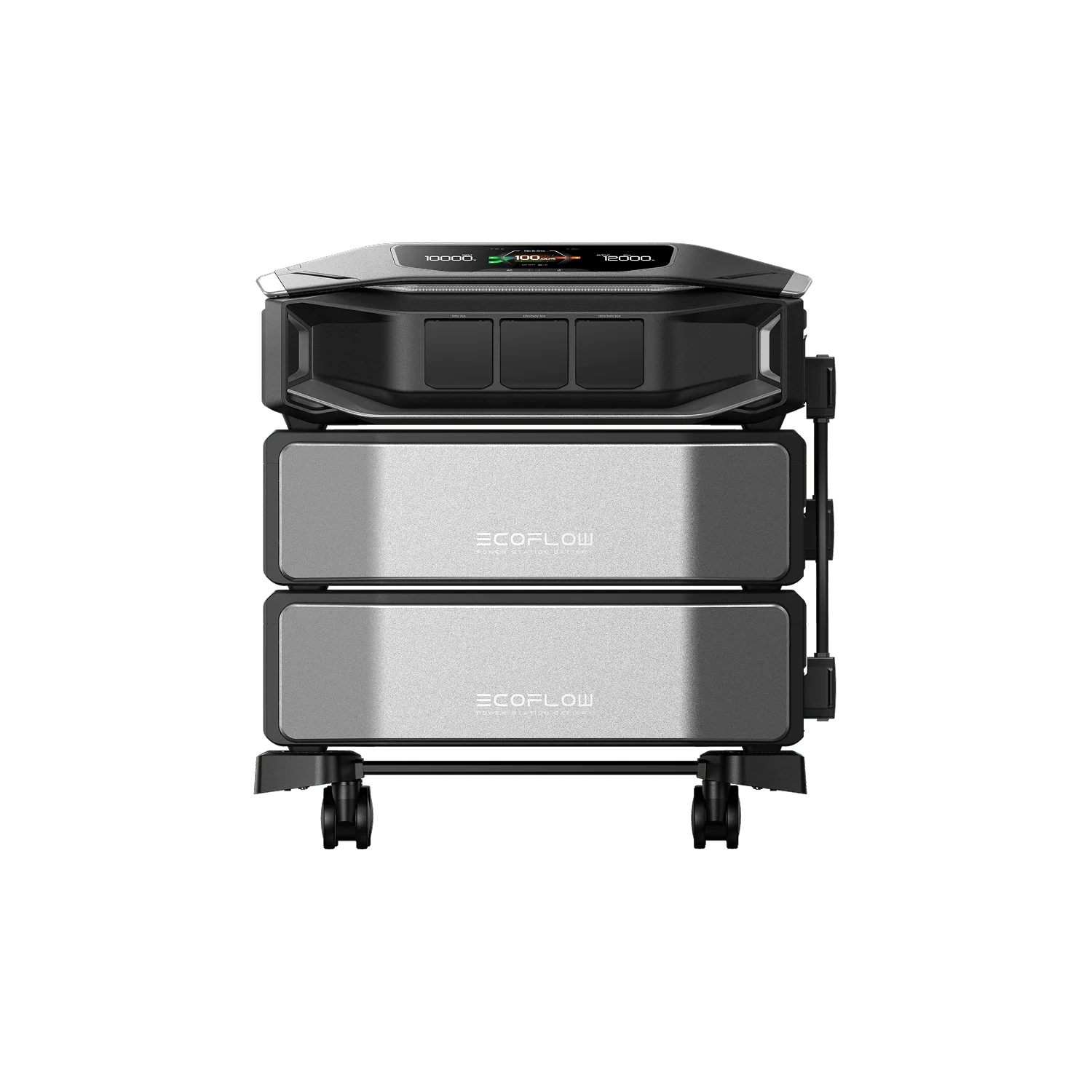
While inconvenient and potentially dangerous in high heat without AC, this procedure is crucial for fire prevention. But this is also why having a whole-home backup power solution, like the EcoFlow DELTA Pro Ultra X Whole-Home Backup Power for example, is strongly recommended.

What Should an Emergency Power Plan Include?
Your wildfire season safety preparation should include an emergency go bag and a family communication plan with evacuation routes and meeting spots. Another excellent idea is considering home-hardening techniques like installing fire-resistant building materials and creating a defensible space around your home. California even has wildfire home hardening grants to help homeowners prepare.
However, a sometimes-overlooked part of emergency plans is emergency power to keep essential appliances running. Outages will happen whether the fires are threatening your home or not, and having an indoor-safe, battery-operated portable power station is the safest option.
What Devices and Appliances Should You Prioritize During an Outage?
During an electrical outage, always prioritize essential appliances first. This includes things like:
Fridges.
Freezers.
Sensitive work computers.
Routers.
Essential medical equipment.
Since wildfires mostly happen in the summer, fans and air conditioners are also essential.
Recharging devices like phones, tablets, flashlights, and emergency radios is also critical so you stay in touch and keep as comfortable as possible during this time.
Be sure to choose a portable power station that can handle your total essential load, and plug your essential appliances into it when the electricity goes out. Alternatively, choose a whole home generator tied to your electrical panel, so it automatically turns on when an outage is detected.
How Can Backup Power Help During Public Safety Power Shutoffs?
Planned outages from Public Safety Power Shutoffs are preventative measures that save lives and property. But they can create safety hazards themselves when the food in your fridge spoils, or you risk heat stroke without air conditioning.
The problem with PSPS is they’re dependent on the weather. High wind events can last a couple of hours, or they can last several days. And you need to stay connected so you can watch for weather updates and evacuation alerts. Even if the fire doesn’t threaten your neighborhood, you still need electricity for everyday life.
This is why backup power is essential for PSPS, so you can keep those essential appliances running and stay connected, no matter how long the grid is down.
What Are the Best Backup Power Options for Wildfire Preparedness?
The best backup power options for wildfire preparedness are indoor-safe, battery-operated models. Traditional gas generators are not recommended since they have flammable fuels that are difficult to store safely in fire season, can never be used indoors due to the risk of carbon monoxide poisoning, and present additional fire hazards from overheating extension cords.
The EcoFlow DELTA Pro Ultra X Whole-Home Backup Power Unit is a powerhouse with 12–36kWh of expandable capacity, allowing it to run virtually any home. It’s battery-operated, indoor-safe, and ultra-quiet, so you can even use it in your bedroom. And it’s got plenty of power to run essential appliances, including 240V air conditioners.
Frequently Asked Questions
What Is the 5-Foot Rule in California?
The 5-foot rule in California refers to Zone 0, the ember-resistant zone, also called "defensible space" for wildfire prevention. It states all flammable materials should be kept at least 5 feet away from buildings, decks, and structures to prevent embers from igniting materials next to your home.
How Often Do Wildfires in California Happen?
With the warm and sunny climate, wildfires can and do happen any time of the year in California, but the peak season happens April through October. According to CAL FIRE, there are more than 7,500 wildfires in California every year, and there were 8,036 in 2025 [1].
Wildfire Preparedness Starts With a Reliable Emergency Power Plan
As California's dry seasons stretch longer and grid strain increases with increasing AC use, experiencing electrical outages during wildfire season is a matter of when, not if. But you can build a reliable emergency power plan to protect your essential appliances like fridges, air conditioners, and medical equipment without the risk of toxic fumes and flammable fuels.
With the battery-operated, indoor-safe EcoFlow DELTA Pro Ultra X, you can run all your essential appliances, and with its expandable capacity, you can even run your entire home during extended outages.
Sources:
https://www.fire.ca.gov/our-impact
For press requests or interview opportunities, reach out to our media team
media.na@ecoflow.com