Hurricane Survival Kit 2026: Complete Power & Supplies Checklist
- Why a Hurricane Survival Kit Matters in 2026
- Hurricane Survival Kit Checklist: Power, Supplies, and Personal Essentials
- Power and Lighting for Storm Outages: Safe, Practical Options
- Setup, Storage, and Maintenance: Make Your Kit Fast to Grab and Ready to Use
- Frequently Asked Questions
- Stay Prepared, Stay Powered, Stay Safe
Hurricane season runs June through November. Whether you're a long-time coastal resident or new to storm country, the basics don't change: you need water, food, critical documents, first aid supplies, and a way to keep the lights on when the grid goes down. This checklist covers everything you need in your hurricane survival kit, and tips to keep it organized.
Why a Hurricane Survival Kit Matters in 2026
Storms hit hard, and their aftermath hits harder. According to the U.S. Energy Information Administration, American electricity customers averaged 11 hours without power in 2024 (nearly twice the annual average of the previous decade) and hurricanes accounted for 80% of those lost hours. In some states, outages stretched past two days.
NOAA's 2026 Atlantic hurricane season forecast calls for a below-normal season, but that still means up to 14 named storms and six hurricanes. A single storm making landfall near you is all it takes. Having your kit ready before a storm is named means fewer decisions under pressure.
Hurricane Survival Kit Checklist: Power, Supplies, and Personal Essentials
Water and Food
One gallon of water per person per day, for at least 7–14 days (plus extra for pets)
A 5–7 day supply of non-perishable food per person
Manual can opener
Water purification tablets or a filtration device
Baby food or formula, if applicable
Health and First Aid
First aid kit with manual
At least two weeks' worth of prescription medications
OTC medications: pain relievers, anti-diarrheal, antacids, anti-itch cream
Thermometer, tweezers, scissors, gloves, and dust mask
Sunscreen (SPF 35+)
Documents and Finance
Copies of birth certificates, social security cards, and photo IDs
Insurance policies (home, health, auto)
Medical records and prescription details
Emergency contact list (written down, not just in your phone)
Extra set of house and car keys
Cash in small bills ($300–$500 minimum)
General Supplies
Battery-powered or hand-crank radio
Flashlights with extra batteries and a headlamp
Sanitation supplies: hand sanitizer, disinfecting wipes, toilet paper, garbage bags
Tarp, duct tape, and basic tools
Blankets and sleeping bags
Fire extinguisher
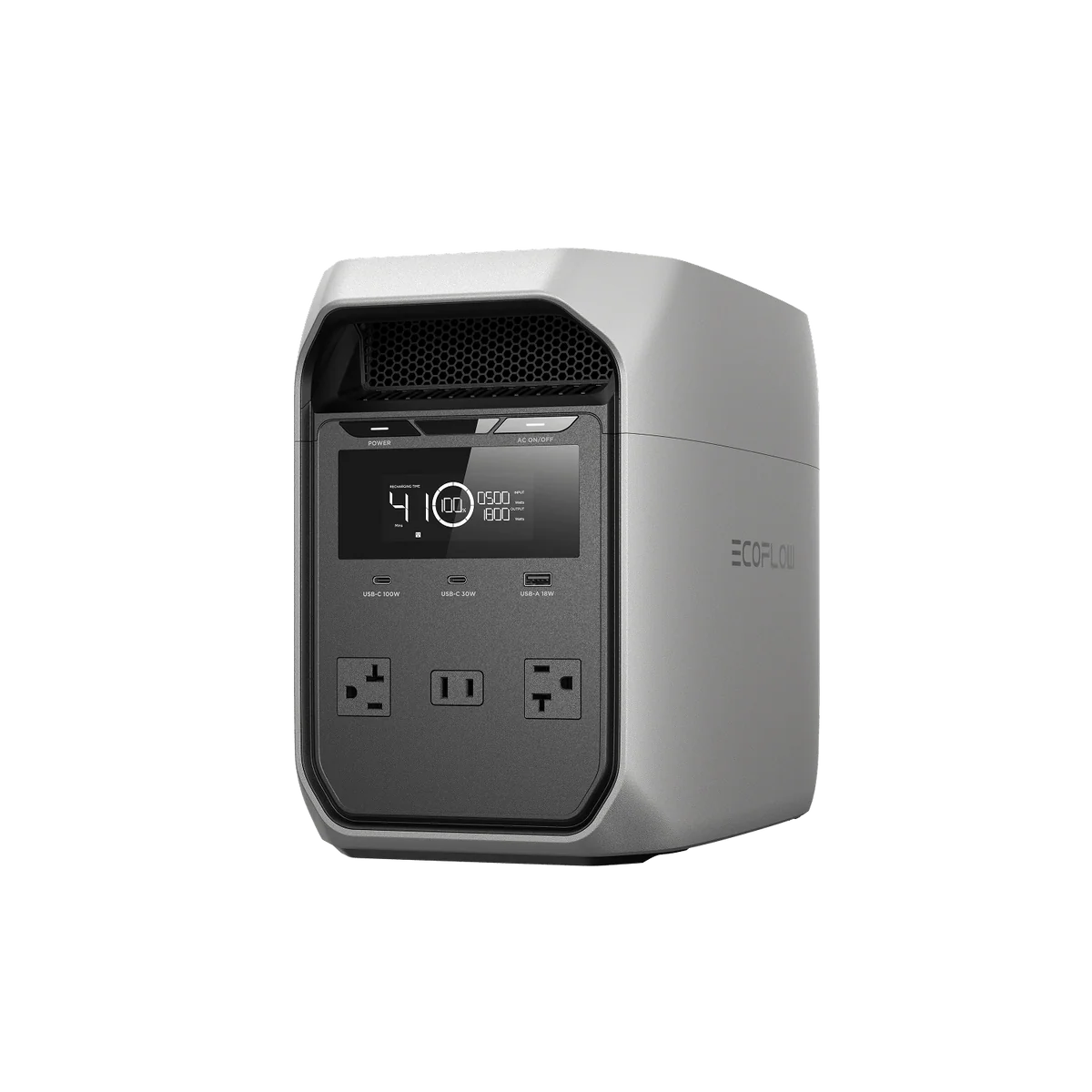
Backup power is one of the most overlooked items in most kits. The EcoFlow DELTA 3 Classic Portable Power Station (1024Wh) gives you a portable, indoor-safe way to keep phones, lights, a fan, and smaller appliances running. It charges from 0–80% in just 45 minutes, making it practical to top up and grab quickly when a storm is approaching.
For a more complete breakdown of what to stock, see EcoFlow's complete suburban hurricane supplies checklist.
Power and Lighting for Storm Outages: Safe, Practical Options
When the grid goes down after a hurricane, your options come down to what you prepared in advance. Most generator fuel sells out fast before a major storm.
Portable power stations like the EcoFlow DELTA 3 Classic Portable Power Station (1024Wh) are safe to run indoors, no exhaust, no carbon monoxide risk. With 1800W of output and X-Boost technology that handles devices up to 2600W, it can run a refrigerator, charge medical equipment, power a CPAP, and keep devices charged.
Its compact footprint (15.7 × 7.9 × 11.1 in (398 × 200 × 283 mm)) fits easily in a corner or closet, and Storm Guard Mode automatically starts charging when extreme weather alerts hit your area.
Gasoline generators produce power but must be used outside, at least 20 feet from windows and doors. They're louder, require fuel storage, and can't be used inside an evacuation shelter.
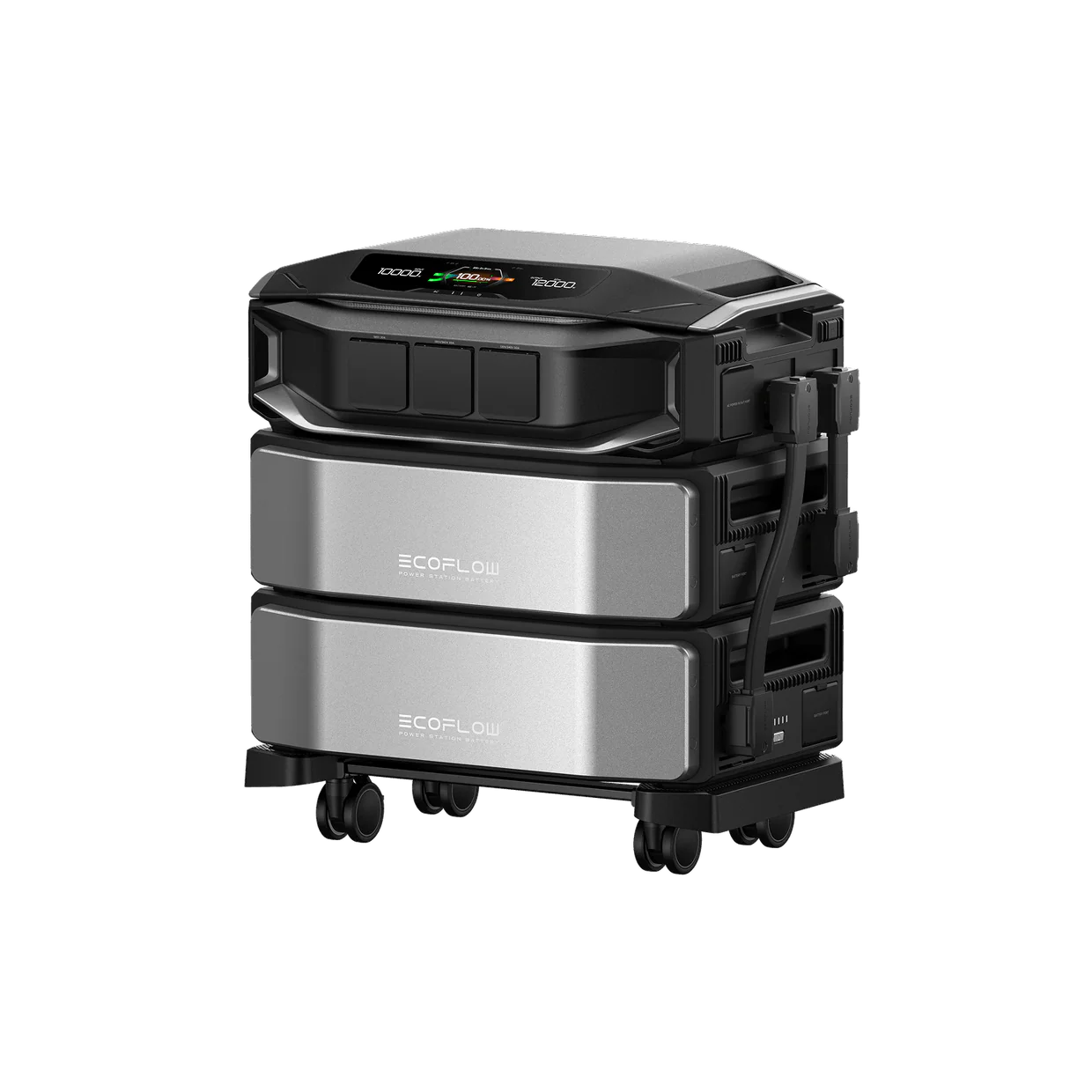
If you're looking for whole-home backup power that keeps your HVAC, refrigerator, and essential circuits running through an extended outage, the EcoFlow DELTA Pro Ultra X delivers 12–36kW of whole-home power with 12–180kWh of capacity.
It installs in as few as seven days and integrates with your existing electrical panel, so when a storm knocks out the grid, your home keeps running automatically.
Setup, Storage, and Maintenance: Make Your Kit Fast to Grab and Ready to Use
Store smart: Keep everything in waterproof, stackable bins or a dedicated bag near your exit point. Label clearly and don't scatter supplies across multiple rooms.
Rotate regularly: Check expiration dates on food, water, and medications every six months. The start and end of hurricane season (June 1 and November 30) are natural checkpoints.
Pre-charge your power station: Keep it at 80% or above during hurricane season. The EcoFlow DELTA 3 Classic's Storm Guard Mode handles this automatically when enabled in the app.
Have a plan before you need one: Know your evacuation route and destination before a storm is named. EcoFlow’s hurricane preparedness checklist and hurricane preparedness safety guide cover the full before, during, and after picture. It’s worth reviewing now, not mid-storm.
Frequently Asked Questions
How Much Water and Food Should I Store Per Person for a Hurricane?
Store at least one gallon of water per person per day for 7–14 days, plus extra for pets. For food, plan a 5–7 day supply of non-perishable items: canned goods, dried foods, and vacuum-sealed snacks work well. Keep a manual can opener in your kit and rotate your stock every six months so nothing expires unnoticed.
Which Portable Power Options Are Safe and Practical to Use Indoors?
Battery-based portable power stations are the safest indoor option. They have no exhaust, and there is no carbon monoxide risk. Gasoline-powered generators must stay outside, at least 20 feet from doors and windows. For indoor use, a power station with at least 1000Wh of capacity can handle phones, lights, a fan, and smaller medical devices through a typical outage.
How Do I Protect Important Documents and Medications from Storm Damage?
Keep documents in waterproof, sealable bags or a fireproof document box inside your kit. Store digital backups in a secure cloud account accessible from any device. For medications, keep them in their original containers inside a waterproof pouch, and maintain a written list of prescription names, dosages, and your pharmacy's contact information.
What Should I Include for Pets and People with Medical Needs?
For pets: food, water, bowls, a leash, collar, crate, waste bags, and medical records. For household members with medical needs: extra medications (two-week minimum), a list of conditions and dosages, and any necessary equipment like a CPAP or blood pressure monitor. Contact your doctor before storm season to arrange emergency refills.
Stay Prepared, Stay Powered, Stay Safe
A complete hurricane survival kit covers water, food, first aid, documents, and backup power. What’s more, it's ready before the season starts, not after a storm is named.
The EcoFlow DELTA 3 Classic Portable Power Station (1024Wh) is a practical, indoor-safe choice for keeping critical devices running during shorter outages, while the EcoFlow DELTA Pro Ultra X covers your whole home through an extended one. Check your kit today, as storm season doesn't wait.
For press requests or interview opportunities, reach out to our media team
media.na@ecoflow.com