The Heat Island Effect on EV Range
Is city heat hotter than suburban or countryside heat? In some cases, yes. That’s thanks to a phenomenon known as the “urban heat island effect.” This can create temperature zones that are 2-9ºF hotter than surrounding rural areas, leading to severe strain on people and equipment, including electric vehicle batteries.
City heat can negatively impact both immediate EV range and long-term battery health, and millions of urban EV drivers around the world are affected by heat-related battery degradation.
Knowledge is power, and once you understand how heat islands can impact your EV battery, you can discover solutions to mitigate the damage and ensure you’ll always be able to reach your destination.
What Is the Urban Heat Island Effect?
The urban heat island effect is a result of asphalt and concrete absorbing and retaining solar radiation throughout the day, combined with an environment of reduced vegetation that minimizes or eliminates natural cooling.
Think of it this way: the buildings and infrastructure in a city trap heat and create thermal pockets that can be significantly hotter than nearby rural areas. Cities can experience peak temperatures 5-15ºF higher.
Some cities that register the most extreme urban heat islands include Phoenix, Las Vegas, and Houston, which are already in hot climates.
The absorption of heat during the day slows cooling, and nighttime temperatures often remain high due to the thermal energy stored in buildings and pavement.

How Heat Affects EV Batteries
Heat impacts EV batteries via their chemistry and by directly degrading performance.
Lithium-ion batteries, which EVs rely on, contain electrolytes that lose efficiency above 85ºF. Their ideal temperature window is 60-80ºF. While the necessary chemical reactions slow down in extremely cold conditions, they accelerate dangerously in extremely hot conditions.
EV thermal management systems work hard constantly to maintain an ideal battery temperature, but extreme heat can make this impossible, permanently reducing battery capacity.
Heat also has a direct impact on battery performance. Every 10°F increase above the optimal range reduces the battery’s energy density by 3-5%. At temperatures of approximately 95°F, internal resistance increases exponentially.
Battery cells experience voltage drops when subjected to thermal stress, and heat-stressed batteries deliver inconsistent power to the car's motor.
Real-World Range Reduction in Hot Cities
AAA tested EVs to see how their range was impacted by ambient temperature. They found a 17% average range loss when the ambient temperature exceeded 95°F. In cities, specific challenges include asphalt parking lots, urban traffic patterns, limited tree canopy coverage, and the prevalence of concrete structures.
Asphalt parking lots can reach incredibly high temperatures of 140-160ºF in direct sunlight. Leaving your electric vehicle in one of these lots all day can cause severe damage.
Once you get in your car and start driving, you’ll likely find yourself stuck in traffic, and roads essentially turn into moving parking lots. That further traps your vehicle in heat-radiating environments, giving it no reprieve.
With very few trees to act as shade or naturally cool the area, it’s hard to find a parking spot that will protect your car when you’re not in it. Covered parking garages help a little, but they still surround your EV with concrete, which traps heat.
Strategies to Protect Your EV in Hot Cities
To protect your EV in urban heat islands, consider employing several parking, storage, and driving strategies.
Park in covered spaces to reduce interior temperature and extend battery life
Pre-air-condition the car while plugged in to prevent battery drain for cooling
Use underground or multi-level parking structures for natural thermal protection
Use reflective windshields to reduce interior heat buildup
Gradual acceleration reduces thermal stress on the battery and motor system
Use seat cooling instead of max air conditioning if available
Plan your routes through tree-lined streets to maximize shade and reduce thermal exposure
Charge your vehicle during cooler evening hours to improve charging efficiency and battery life
Set the air conditioning to “recirculate” mode to reduce energy consumption when stuck in traffic
Backup Solutions for Emergencies
Noticed that your EV battery is struggling to maintain its range during the hot months? You may want to consider organizing a backup solution so you never find yourself stranded in a parking lot, on the road, or on the side of the highway with no charging station in sight.
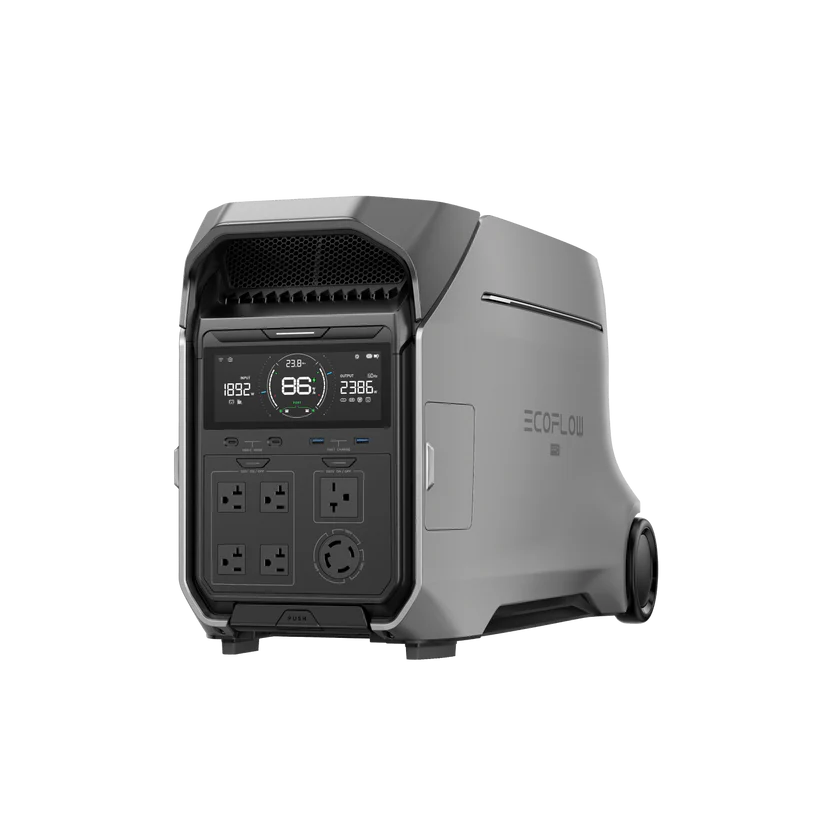
That means looking at alternative, portable power sources, such as the EcoFlow DELTA Pro Series, which you can use to top up your battery as needed, allowing you to make it to your destination. Ensure the PPS is compatible with EVs and keep the right charging cords on hand so you can connect the two.
This also allows you to save on EV charging costs by charging the PPS during cheaper hours and using it during expensive periods as needed.
Frequently Asked Questions
At What Temperatures Do EV Batteries Begin To Degrade, and by How Much Do They Degrade?
Electric vehicle batteries begin to degrade when the ambient temperature consistently exceeds 95ºF. Once the temperature reaches this point and degradation begins, you can expect to lose approximately 15-25% of your typical battery range.
What Is an EV Battery’s Optimal Ambient Temperature for Performance?
An EV battery’s optimal operating temperature is between 60ºF and 80ºF. This applies to the vehicle’s ambient environment, or the areas surrounding it. Temperatures can change drastically based on factors such as ground material, shade, airflow, and others.
Urban Heat Islands Create Unique Challenges for EV Owners
Urban heat islands can be a recurring challenge for electric vehicles. The excess heat damages both the battery’s performance and longevity, both in the short term and long term. However, understanding these thermal impacts helps EV owners make better choices about charging and parking.
Protective strategies, such as seeking shade from trees or using covered garages for parking, can help extend your battery’s life. While we hope technology continues to improve heat tolerance for urban EVs, what EV owners can do now is invest in backup solutions to ensure they can reach their destination even if their battery is compromised. Choosing a portable power station like the EcoFlow DELTA Pro 3 and keeping it in your vehicle provides an additional way to charge your battery if you find yourself stranded in a city.
For press requests or interview opportunities, reach out to our media team
media.na@ecoflow.com