Understanding the Urban Heat Island Effect and How to Mitigate It
Have you ever noticed that cities can be warmer than their immediate surrounding areas? There’s a reason for this, and it’s called the ‘urban heat island effect.’ Urban heat islands can drive temperatures about 1-7°F warmer in cities during the day and up to 5°F warmer at night than in more rural areas just outside the city limits.
These higher temperatures do more than just make it less comfortable; they also drive up cooling costs, place a strain on already vulnerable electrical grids, and create health risks during extreme heatwaves.
Understanding why cities trap heat and exploring ways to stay cooler and reduce energy costs can have a significant impact.
What is the Urban Heat Island Effect?
The urban heat island effect traps heat in cities, resulting in significantly higher temperatures in urban areas compared to nearby rural or suburban areas. Because cities have a high proportion of heat-absorbing materials, such as asphalt and concrete, as well as dark roofs, they struggle to stay cool, lacking natural landscapes like grass and trees that help cool the environment.
Masses of buildings and infrastructure block the flow of wind, trapping hot air in urban areas and preventing natural cooling.
You can feel the temperature differences most during summer afternoons and nights, as urban materials slowly release the heat they have stored within them over time. This effect intensifies during heatwaves when cities are most in need of cooling, and it can create hazardous situations for vulnerable individuals.
Why Cities Trap More Heat
There are several reasons why cities trap more heat, including their larger concentration of dark surfaces, limited green space, and waste heat generated by buildings.
Dark Surfaces and Heat Absorption
Dark asphalt, concrete, and traditional shingle roofing materials can absorb 80-95% of solar radiation rather than reflecting it. That heat gets trapped in these surfaces, reaching temperatures 50-90ºF hotter than the ambient air during mid-day, when sun exposure is at its peak.
While the heat isn’t effectively reflected outward, it can be radiated back into the surrounding environment, keeping the higher temperatures trapped for hours past sunset. And when it does get released at night, it does so slowly, preventing cities from cooling down completely before the sun rises again.
Limited Green Space
Natural surfaces, such as grass, vegetation, and even soil, can reflect more sunlight and utilize the absorbed energy for evaporation, rather than heating. Vegetation also provides natural cooling through evapotranspiration, where plants release water vapor that keeps the surrounding air cool.
Just one large tree can provide the same cooling as 10 room-sized AC units operating 20 hours per day. They also improve air quality and reduce stormwater runoff. However, even when urban areas do have trees, the lack of canopy space limits the amount of shade the city can enjoy. Urban areas typically have 10-20% tree canopy coverage, compared to 50-90% in rural forests.
With no plants, there’s no shade, and with no shade, it’s challenging to block direct solar radiation on pavement and buildings.
Waste Heat
AC systems that work hard to keep the indoors cool create waste heat expelled from buildings that goes right into the outdoor air, raising temperatures in the neighborhood. Additionally, car engines, industrial facilities, and commercial operations also contribute to thermal pollution.
It creates a vicious and endless feedback loop: hotter cities require more cooling, but the operation of air conditioning generates additional waste heat. It’s hard to outrun.
The Real Costs of Urban Heat
Urban heat is uncomfortable, but the downsides also stretch far beyond that. Residential cooling costs increase as temperatures rise, adding to the expense of every energy bill.
As demand for electricity surges during heatwaves, grid capacity is strained, and the risk of brownouts or blackouts increases.
Heat-related illnesses can also increase during extreme heat events, and emergency rooms often experience a surge in visits during prolonged heatwaves. Vulnerable populations, such as elderly residents, children, those with chronic illness, or those without reliable AC, face the most serious health risks.
Mitigation Strategies for Urban Residents
If you’re struggling with high temperatures as an urban resident, there are a few things you can do to make your home cooler and more comfortable while supporting the resilience of your city.
Cool Your Environment
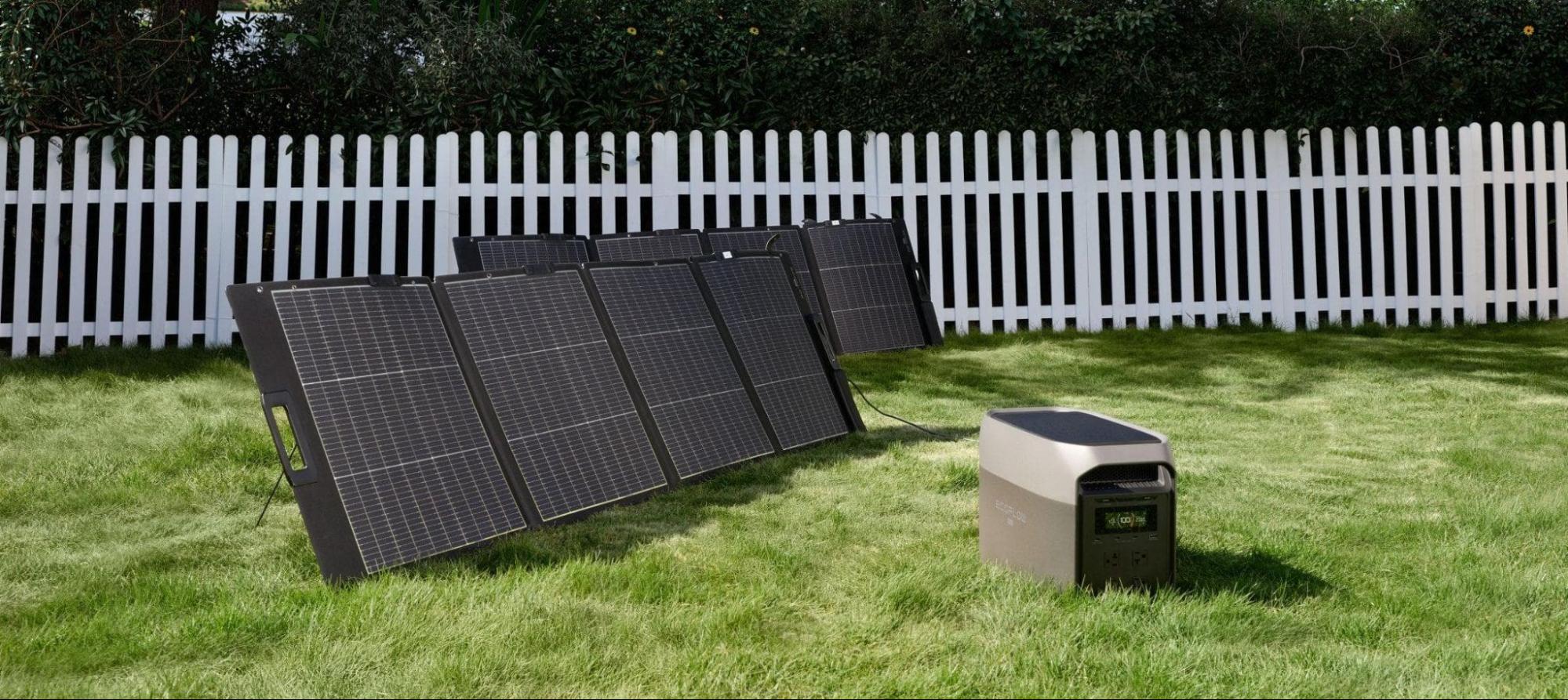
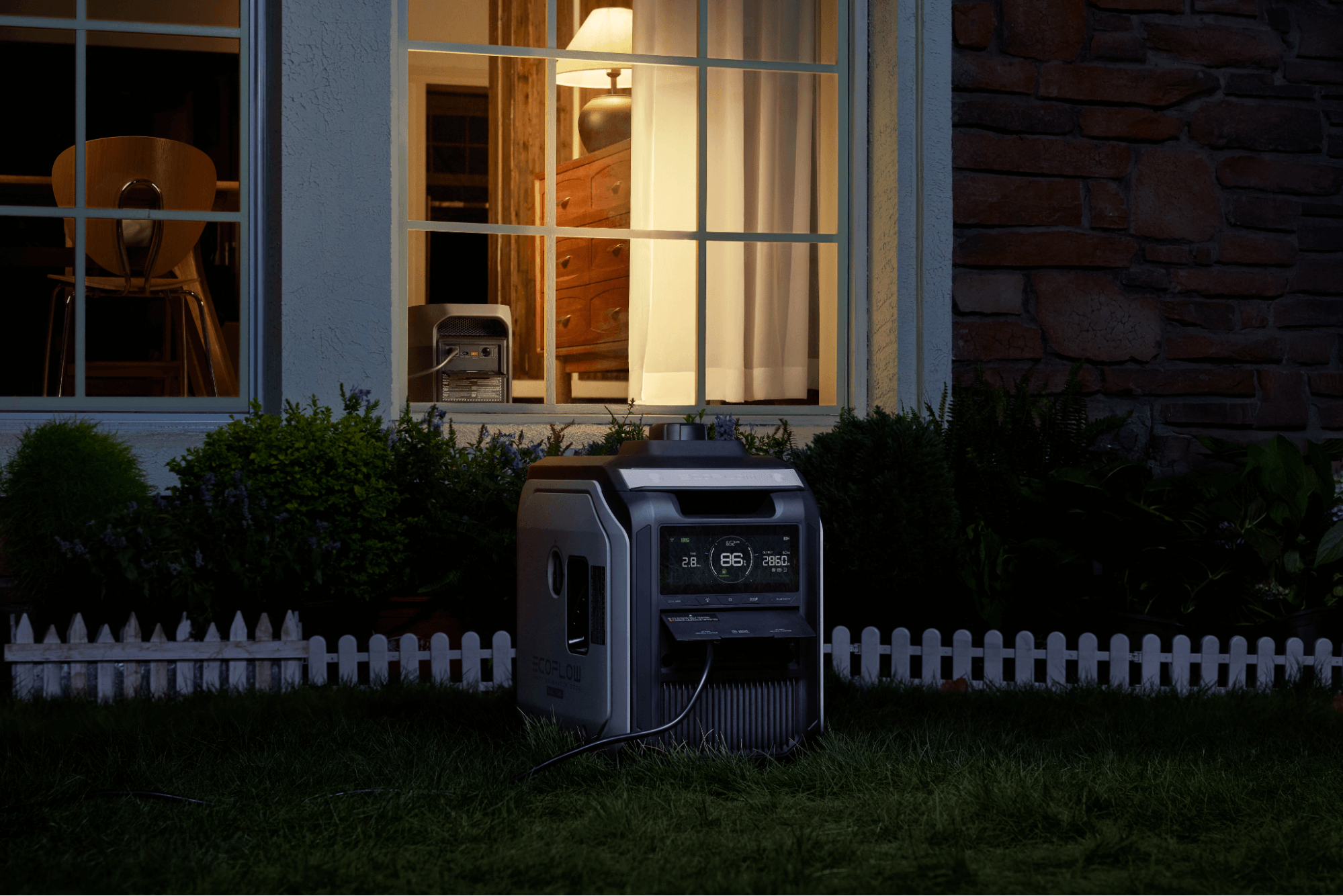
Consider investing in a portable power station like the EcoFlow DELTA 3, which can run efficient fans or portable AC units during peak hours, helping you avoid high rates while staying comfortable. Solar panel systems can also take advantage of the concentrated sunlight you receive. You can also use more traditional solutions, such as reflective window treatments, exterior shadings like awnings or pergolas, and outdoor shade structures like patios. Simply keeping your blinds and curtains closed during midday can keep heat out when the sun is at its brightest.
Green Solutions at Home
The greener a city is, the better. You can make a difference in small ways, such as creating container gardens, potted plants on balconies, vertical gardens, or even green roofs. These plants can provide localized cooling through the process of evapotranspiration. Consider getting your neighborhood involved and coming together to create a community garden. Native, drought-resistant plants are ideal, as they require minimal water.
Reflective/Cooling Roofs
Using eco-friendly renovations like cooling roofs with light colors, reflective coatings, or special materials can reflect more solar radiation, reduce the heat absorbed, and minimize heat transfer into living spaces. like cooling roofs with light colors, reflective coatings, or special materials can reflect more solar radiation, reduce the heat absorbed, and minimize heat transfer into living spaces.
Smart Cooling Tech
Use programmable thermostats to optimize your temperature settings, turn on ceiling fans to create a wind chill effect, or create cooling system zones to direct AC where it's most impactful. Upgrading to an AC unit with a higher seasonal energy efficiency ratio (SEER) rating can also help you use less electricity to keep you comfortable.
Making Your Mitigation Plan Work
The best way to see a difference in making your urban home cooler with minimal effort is through low-cost, high-impact strategies. These include investing in a solar-powered electricity source, such as the EcoFlow DELTA 3 Max, which can either take advantage of peak sun hours or be charged through AC power during off-peak hours, allowing you to use the energy later when rates are higher. Other small but impactful tactics include internal and external shades, reflective windows and roof treatments, and incorporating a bit of greenery where possible. If you want to invest in something more substantial, consider long-term payback through upgrades like new HVAC systems or whole-home generators.
For press requests or interview opportunities, reach out to our media team
media.na@ecoflow.com