Heat Dome 2026: What It Is, Which States Are at Risk, and How to Stay Safe When Power Fails
Heat domes are atmospheric phenomena that can send temperatures soaring – and that can be dangerous. Along with the discomfort of sustained high temperatures, heat domes bring a risk of failure for critical infrastructure like the power grid.
How can you prepare yourself? Let's take a look at the dangers of a heat dome, and what you can do to stay safe.
What Is a Heat Dome?
A heat dome is a weather pattern that happens when a strong area of high atmospheric pressure gets trapped in a specific region for an extended period. It acts like a lid, preventing hot air from escaping and allowing temperatures to build up day after day.
These weather patterns can cause temperatures to rise well above seasonal averages. Often, they also make nights unusually hot, which can be especially dangerous as people, buildings, and infrastructure have no chance to cool down.
Heat domes have been responsible for some of the most dangerous heat events in recent US history. They can persist for days or even weeks, which puts sustained stress on public health systems, power grids, and critical infrastructure.
Where Will the Heat Hit Hardest in 2026?
Forecasters expect above-average temperatures across large portions of the United States during the summer of 2026. Heat domes can be difficult to predict and can form in many different regions, but some areas face greater risk due to geography, climate patterns, and population density.
These high-risk areas include:
The Southwest
Texas
The Southern plains
The Southeast
Parts of the Midwest
Interior California
Added to this, urban areas often experience even higher temperatures because of the urban heat island effect. Asphalt, concrete, and dense urban development absorb and retain heat, releasing it at night and making cities significantly warmer than surrounding non-urbanized areas.
2026 Climate Outlook Across the U.S.
The National Oceanic and Atmospheric Administration recently released its seasonal outlook for the summer. They expect temperatures to be shaped by a particularly strong El Niño weather pattern in the Pacific, leading to above-average temperatures across much of the country. The West Coast is likely to be particularly affected by this, with heat waves likely in Washington, Oregon, and California, as well as parts of the Midwest.
Heat domes can't be predicted months in advance, but these long-term warming trends paint a worrying picture. If a heat dome does occur in an area already experiencing higher-than-normal temperatures, the effects can be dramatic and potentially dangerous.
Projected Impacts on People and Power
Heat domes are far more serious than just some uncomfortably warm weather. Periods of extreme heat increase the risk of:
Heat exhaustion
Heat stroke
Dehydration
Cardiovascular stress
Respiratory complications
A heat wave can be deadly, especially for older people, young children, outdoor workers, and people with existing health conditions.
As if that wasn't bad enough, a sustained heat wave can also affect infrastructure. Roads can buckle in extreme heat, and so can railway tracks. Plus, electrical equipment operates less efficiently in extreme temperatures, and power outages become a real possibility as the heat and increased demand for air conditioning place greater demand on the system.
The economic impacts can be just as dramatic. Businesses can see productivity losses, higher cooling costs, and interruptions caused by power outages.
Basically, when temperatures stay high for days or even weeks at a time, the strain can be felt by entire communities.
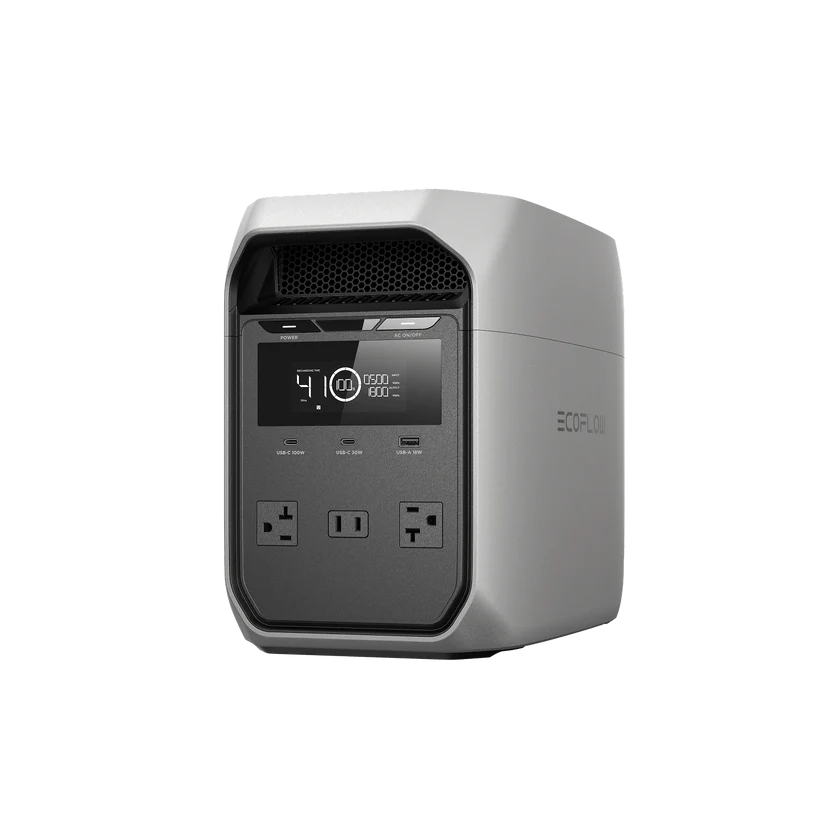
An EcoFlow DELTA 3 Classic Portable Power Station is an affordable option to support critical electronics like communication devices during short outages. Plus, it's also a great companion on camping trips, road trips, and other places where you need a ready power supply.
How Heat Domes Drive Energy Demand and Outages
It might not be the first thing that springs to mind, but one of the biggest challenges a heat dome presents is a dramatic increase in electricity demand.
The soaring temperatures mean millions of air-conditioners get switched on, and stay on. From businesses to homes, all those air-conditioners place a burden on infrastructure that is already operating below peak efficiency because of the heat.
Several factors combine to make a heat dome a nightmare for energy providers:
Higher air conditioning demand
With more households relying on air conditioning, there is a huge surge in demand for electricity. This puts pressure on energy provider systems and can cause issues.
Reduced grid flexibility
When electricity demand approaches generating capacity, utilities have few options for responding to unexpected equipment failures or spikes in usage.
Heat-related equipment stress
Substations, transformers, and transmission equipment can be damaged by operating in prolonged high temperatures.
Increased risk of emergency measures
Heat domes bring emergencies with them, like elevated forest fire risk and medical emergencies. If the supply and demand of electricity become unbalanced, utilities might implement power conservation measures, including controlled outages to protect the stability of the grid.
For a homeowner, the most immediate concern is often losing conditioning during extreme heat. In our guide on how to stay safe during a heat wave power outage, you can read practical advice for handling these situations.
The Smarter Solution: A Modern Category for Heat Resilience
There’s not much you can do about the weather, but there's a lot you can do to prepare for it. Keeping essential systems up and running during a heat dome or other extreme weather event is easier than it used to be, thanks to several innovations in power generation and storage.
Modern heat resilience typically combines several strategies:
Backup power
Energy storage
Smart energy management
Efficient cooling practices
Emergency preparedness planning
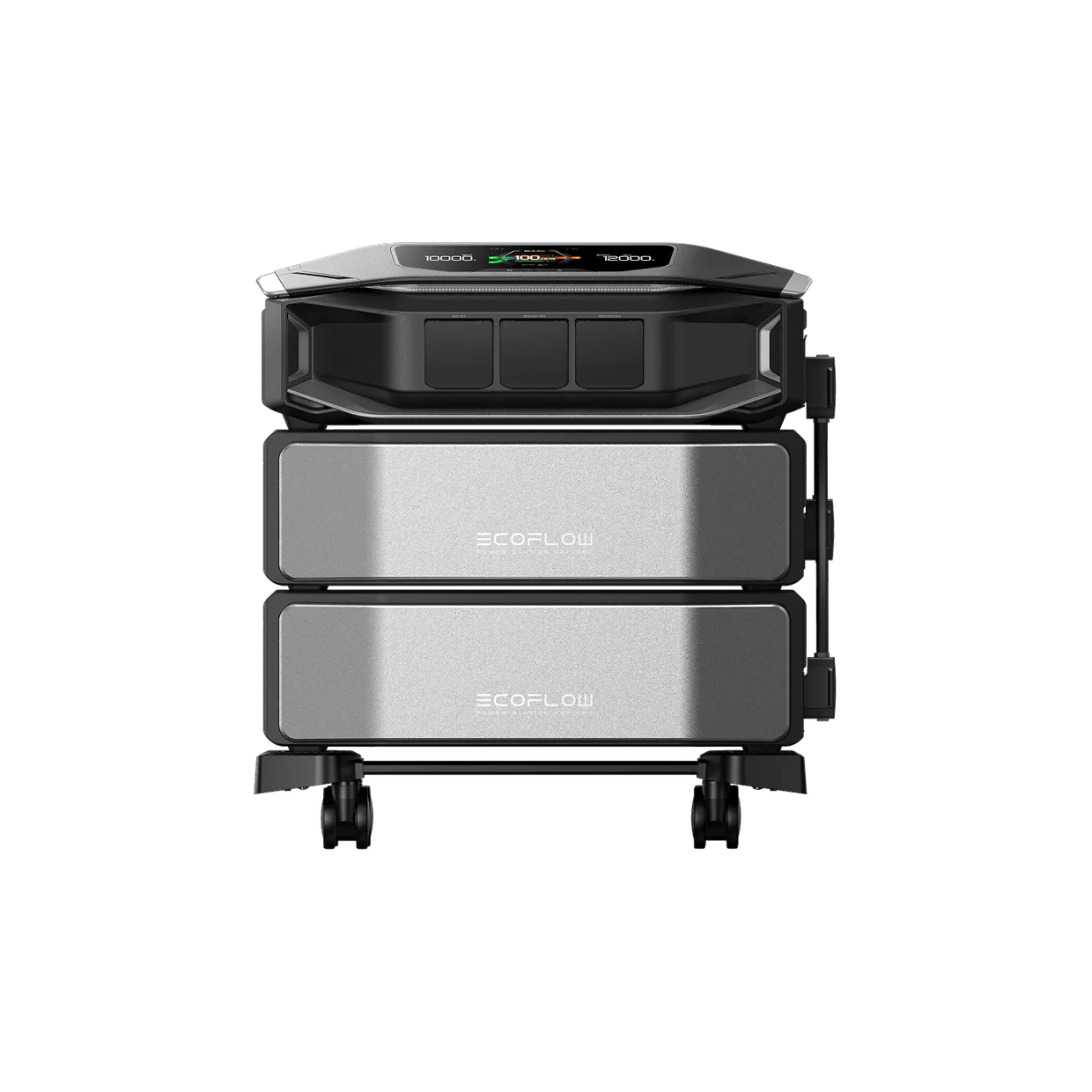
Alternatively, a whole home backup power system like the EcoFlow DELTA Pro Ultra X Whole-Home can keep your home powered indefinitely, even during catastrophic grid failure. There are all sorts of whole home backup generators to choose from, so you can find the right one for your home.
Frequently Asked Questions
How Do I Stay Safe During A Heat Dome Power Outage?
Stay hydrated. Minimize physical activity during the hottest parts of the day.
Seek out cool environments when possible. Keep phones charged so you can monitor local emergency updates. Consider using a backup power system to keep your critical devices online.
How Far In Advance Can A Heat Dome Be Forecast?
Meteorologists can usually spot conditions that suggest a building heat dome several days in advance. The closer the event is, the higher the confidence. Long-range seasonal forecasts, meanwhile, can indicate an elevated risk of above-average temperatures, but specific heat dome events are generally forecast more accurately within a couple of weeks.
Stay Cooler, Safer, And Powered During Heat Dome 2026
A heat dome can be one of the most disruptive weather patterns you can experience. Long-lasting high temperatures bring increased health risks and put significant pressure on electrical infrastructure. That's why it's important to be prepared and know how to stay safe when a heatwave hits.
Understanding where the risk is the greatest and how power systems respond is a start. You can also protect yourself and your family with a backup power system like the EcoFlow DELTA Pro X Ultra, keeping your essential systems running until power is restored.
For press requests or interview opportunities, reach out to our media team
media.na@ecoflow.com