Great Smoky Mountains Camping 2026: Sites, Seasons & Power Tips
- Why Is Great Smoky Mountains National Park a Top Camping Destination?
- What Are the Best Campgrounds in the Great Smoky Mountains?
- What Is the Best Season for Camping in the Smokies?
- What Power Challenges Do Campers Face in the Smokies?
- What Devices Do You Need to Power at Your Campsite?
- How Do Portable Power Stations Solve Off-Grid Camping Power Needs?
- How Can Solar Charging Extend Your Stay in the Park?
- Frequently Asked Questions
- Portable Power Keeps Your Great Smoky Mountains Camping Trip Comfortable and Connected
Great Smoky Mountains National Park is one of the most visited national parks in the country, and camping there means trading hotel outlets for tent stakes and campfire light. Choosing the right site and season shapes your whole trip, and so does knowing how you'll keep your devices charged once you're off-grid. Here's what to plan for before you go.
Why Is Great Smoky Mountains National Park a Top Camping Destination?
The park spans more than 500,000 acres across Tennessee and North Carolina, with elevations ranging from valley floors to peaks above 6,000 feet. That range means you can camp in a warm, humid hollow one weekend and wake up to frost the next.
Old-growth forests, waterfalls, and reliable wildlife sightings, including black bears and elk, explain why sites book out months in advance.
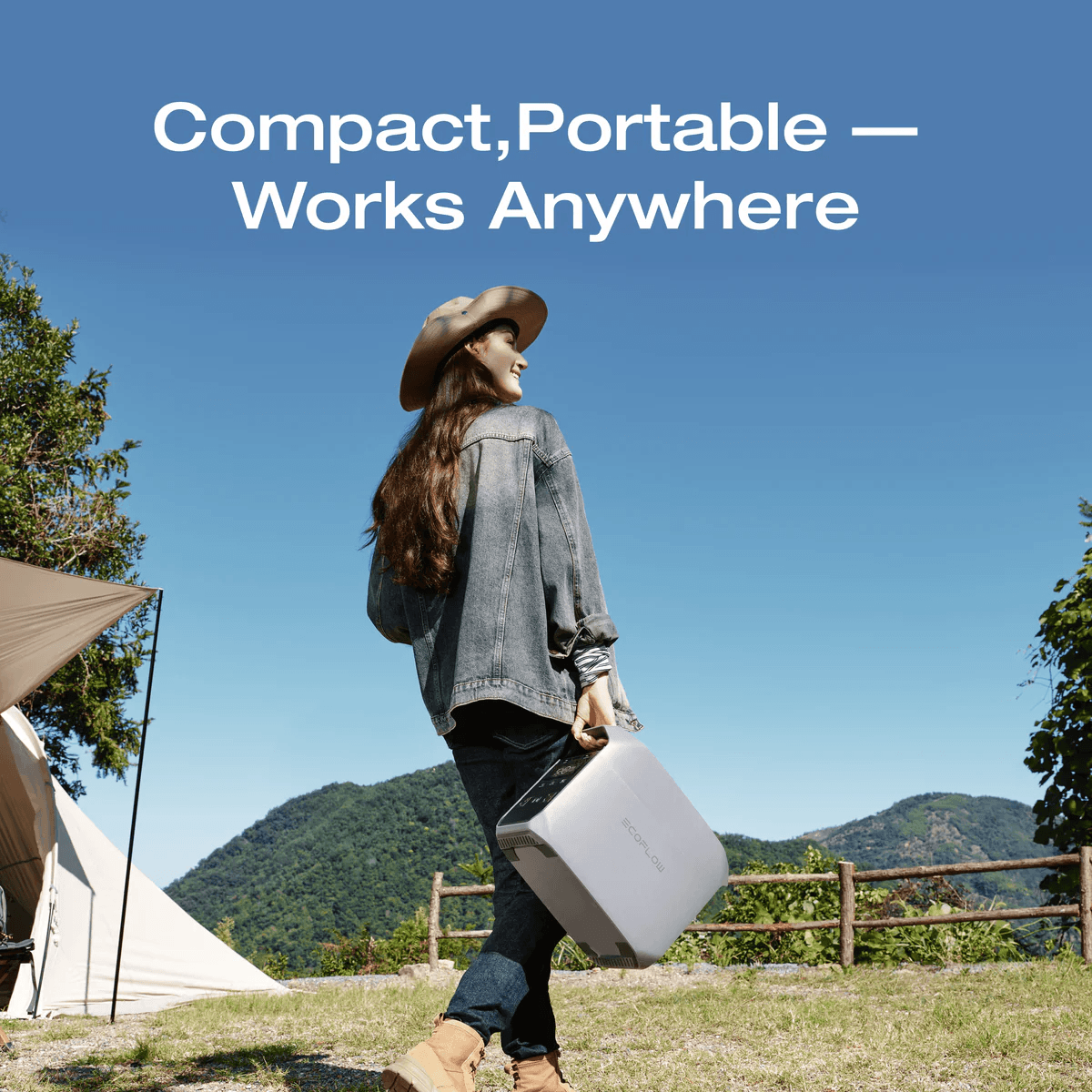
With no electrical hookups at any developed campground, most visitors bring a portable power station like the EcoFlow DELTA 3 Classic (1024Wh) to keep devices charged during a multi-day stay.
What Are the Best Campgrounds in the Great Smoky Mountains?
Great Smoky Mountains National Park is just one of many places for camping in Tennessee, with state parks and other campgrounds offering a wider range of camping styles and amenities. The park operates ten developed campgrounds, each offering a different experience.
Cades Cove Campground
Cades Cove sits in one of the park's most popular valleys, with open meadows, historic homesteads, and frequent wildlife sightings — a good pick for scenery without a long hike, though sites fill fast in summer and fall.
Elkmont Campground
Elkmont is the park's largest campground, sitting along the Little River within walking distance of several trailheads. It's also known for its synchronous firefly displays in late spring, which draw a lottery-based crowd of their own.
Smokemont Campground
On the North Carolina side, Smokemont offers a quieter alternative with easy access to the Blue Ridge Parkway and Oconaluftee River, and it stays open year-round.
Deep Creek Campground
Deep Creek is smaller and less crowded, with access to waterfalls and a popular tubing area, suited to campers who want a low-key base near the trails.
What Is the Best Season for Camping in the Smokies?
Each season in the Smokies comes with its own tradeoffs, and your power needs shift with it.
Spring — Brings wildflowers and Elkmont's firefly season, along with unpredictable rain and cooler nights at higher elevations — pack layers and expect muddy trails.
Summer — Peak season, with warm days, crowded campgrounds, and frequent afternoon thunderstorms, so book well in advance for a summer weekend.
Fall — Fall foliage makes October the most popular month in the park, with cool, clear days and cold nights. Campgrounds fill quickly once peak color season starts.
Winter — The quietest season, with fewer crowds and a real chance of snow at higher elevations. Smokemont and a handful of others stay open for campers prepared for cold nights.
What Power Challenges Do Campers Face in the Smokies?
Most Smoky Mountains campgrounds don't offer electrical hookups, and cell service is spotty once you're deep in the valleys or up in elevation. That combination means you're relying on whatever battery life you brought with you, and running out partway through a multi-day trip can cut a visit short.
Temperature swings add another layer — cold nights drain batteries faster, and heat affects charging efficiency — so plan for some margin rather than cutting it close.
What Devices Do You Need to Power at Your Campsite?
A typical camping trip involves more devices than people expect, not just a phone.
Phones and Navigation
Phones, GPS units, and satellite communicators need consistent charging, especially since cell coverage is unreliable throughout the park. They're low-draw devices, but the ones you can't afford to lose charge on.
Lighting and Camp Setup
LED lanterns, headlamps, and string lights make evenings at camp easier to manage once the sun goes down. They draw little power individually but add up over a multi-night stay.
Cooking and Food Storage
Electric coolers, induction cooktops, and coffee makers draw considerably more power than lighting or phone charging. These will be the biggest factor in how much capacity you actually need.
How Do Portable Power Stations Solve Off-Grid Camping Power Needs?
A portable power station gives you a single, rechargeable source for everything from phones to electric coolers, without the noise, fumes, or fuel logistics of a gas generator.
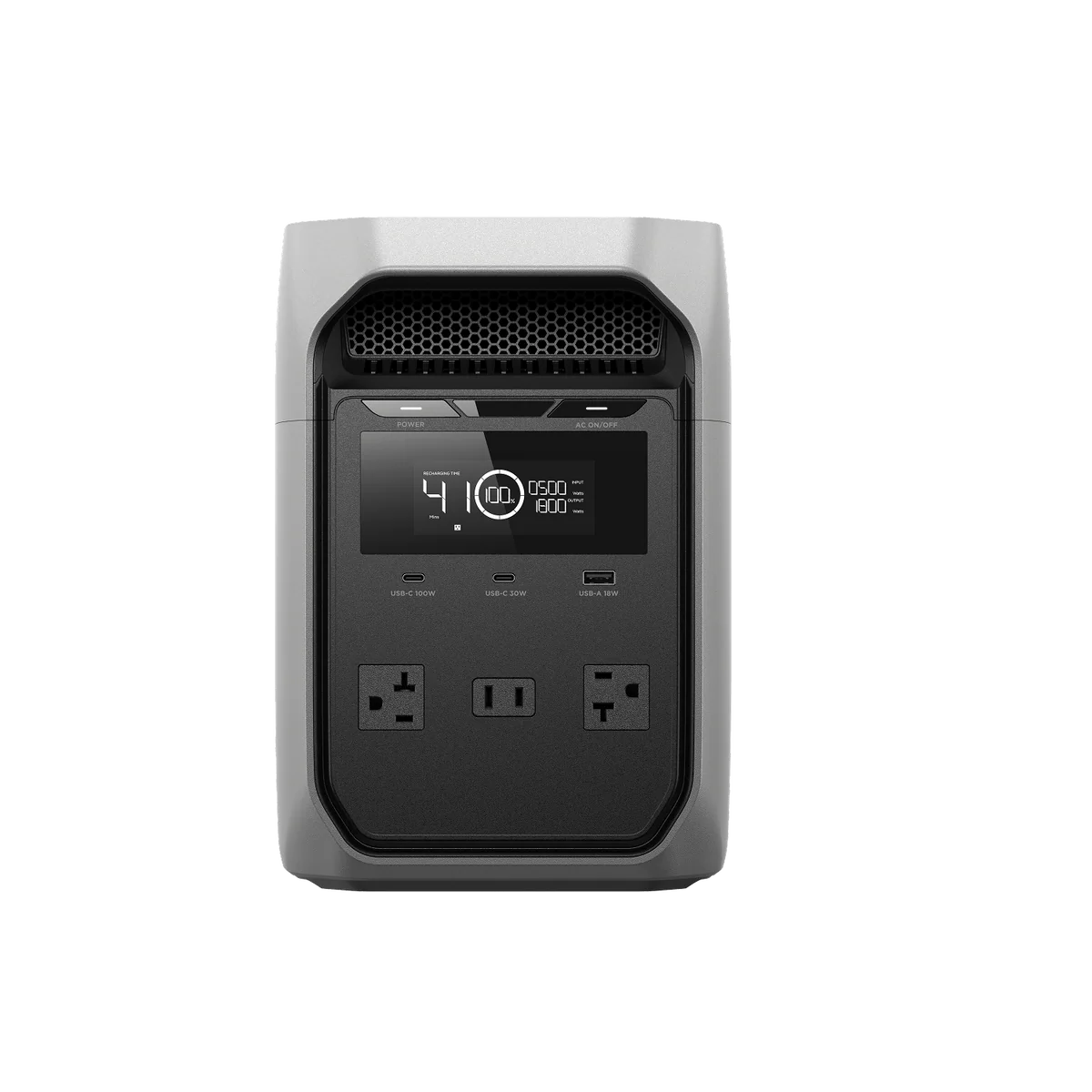
The EcoFlow DELTA 3 Classic (1024Wh) is built for exactly this kind of trip, with enough capacity to run camp lighting, charge devices, and keep a cooler cold across a multi-day stay, all while recharging from your car, a wall outlet before you leave, or solar panels once you're at your site.
How Can Solar Charging Extend Your Stay in the Park?
Solar panels let you top off a power station's battery during the day, which matters most on longer trips where you can't just drive to an outlet.
Even partial sun through tree cover adds meaningful charge over a full day, and pairing panels with a power station means you're not rationing battery for your last night camping in the mountains.
Frequently Asked Questions
Do Smoky Mountains Campgrounds Have Electrical Hookups?
No, none of the park's developed campgrounds offer electrical, water, or sewer hookups at individual sites. Some campgrounds have restroom sinks, but all camping in the Smokies is effectively off-grid, so any device charging depends on what power source you bring with you.
Can You Bring a Generator to Great Smoky Mountains Campgrounds?
Yes, but generator use is only permitted between 8:00 am and 8:00 pm[1], and some campground loops or designated sites prohibit generators at all times to help preserve the park's quiet atmosphere. Battery-powered portable power stations operate silently and aren't subject to these generator operating-hour restrictions.
Portable Power Keeps Your Great Smoky Mountains Camping Trip Comfortable and Connected
Between unpredictable mountain weather, no hookups, and generator restrictions at most sites, the biggest variable in a Smokies camping trip often isn't the campground — it's whether your gear stays charged.
Matching your battery capacity to your actual devices, whether that's a lantern at Cades Cove or a cooler at Smokemont, is what separates a smooth trip from a cut-short one.
If you're mapping out gear for a 2026 trip, size your setup around the EcoFlow DELTA 3 Classic (1024Wh) and what it can realistically power across your stay.
References:
[1] https://www.nps.gov/grsm/planyourvisit/campregs.htm
For press requests or interview opportunities, reach out to our media team
media.na@ecoflow.com